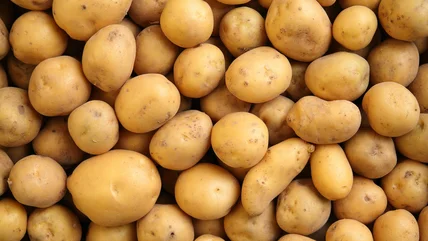
6 Signs A Potato Has Gone Bad
Potatoes have a long shelf life, but they're not immortal. We're breaking down 6 common signs a spud has spoiled, from green skin to spots of mold.
Read More

Potatoes have a long shelf life, but they're not immortal. We're breaking down 6 common signs a spud has spoiled, from green skin to spots of mold.
Read More
This incredibly easy to make snack involves sprinkling Jell-O mix on grapes and freezing them to create bite-sized, flavorful frozen goodies.
Read More
There are a lot of things to consider when buying seafood, such as freshness and sustainability. But what about color? Are those pink female scallops any good?
Read More
If you're a regular coffee drinker, you may have wondered when the "right" time of day is for a cup of joe. Well, according to science, it's whenever you want.
Read More
If you're gluten-intolerant, you likely stay away from bread made with wheat. Depending on the starter, however, sourdough may be an exception.
Read More
If you cook frequently, marinating meat may be second nature, but it's not always necessary. Leg of lamb, for example, doesn't need the help.
Read More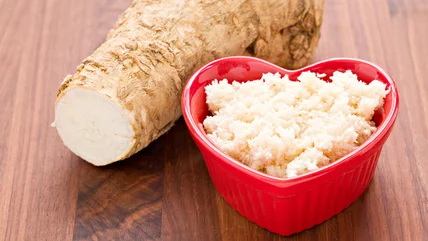
Many can't get enough of horseradish, the pungent substance that gives your dishes a little kick. But there's a difference between the fresh and dried variety.
Read More
Put that mug down! Before you wash down those super spicy Buffalo wings with a frosty IPA, you may want think twice. Hops and spice don't necessarily mix.
Read More
If you're abstaining from alcohol but still enjoy the taste of beer, the non-alcoholic beer market is incredibly expansive. But how exactly is it made?
Read More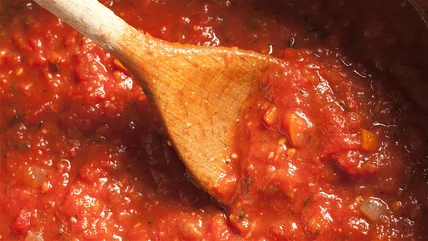
Everyone loves the final product when it comes to making homemade pasta sauce, but no one loves cleaning up the mess it leaves behind. Here's why it happens.
Read More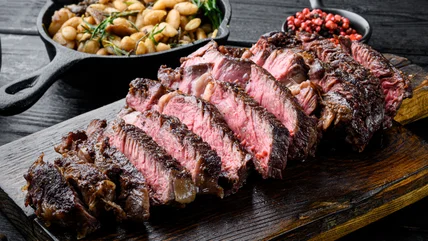
Cooking steak in a cast iron skillet gives a caramelized crust that is the key to beefy happiness, but make sure you add herbs the right way at the right time.
Read More
As it turns out, blueberries are not actually blue. But the science behind this trick of the light -- and its potential applications -- is very fascinating.
Read More
Despite what you may think, it's not the best idea to be storing your stone fruits in the fridge. Instead, here's how to store them properly.
Read More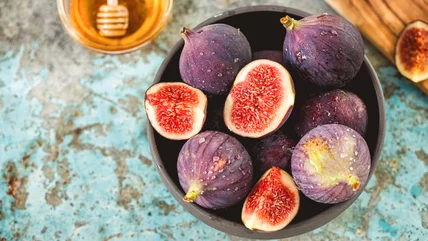
When buying produce, it's important to know how to properly store your goods before you consume them. Fresh figs should always go in the fridge.
Read More
There are several swaps those with dairy sensitivities and allergies – or for whatever reason avoiding dairy – can make for butter. But is ghee one of them?
Read More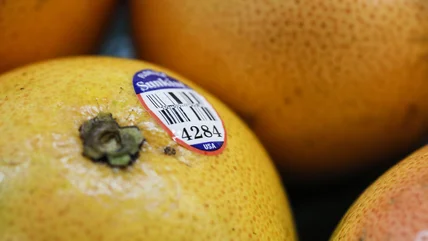
There's a certain time you should peel the stickers off your fruit, and it's important to be careful when you do so. Here's why.
Read More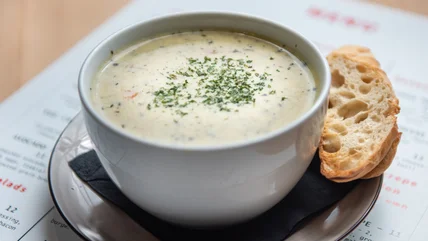
To ensure reheated potato soup offers a pleasing flavor and consistency, you must make certain tweaks while cooking it like holding off on a certain ingredient.
Read More
If you're in the mood for baking some banana bread but you only have unripe bananas, add an egg yolk to quickly ripen them before adding other ingredients.
Read More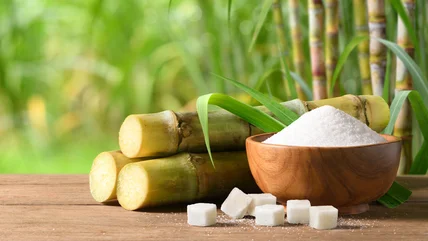
Sweet proteins mimic the taste of sugar, but don't come with the same possible health consequences. So how does that work, and what does it mean for the future?
Read More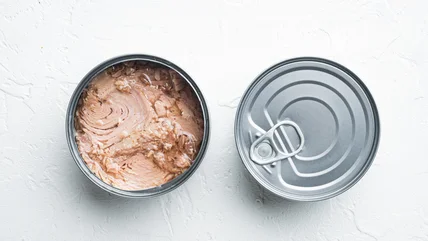
Canned goods are great because they can last a long time before you open them. However, there is a limit to the freshness of the product inside.
Read More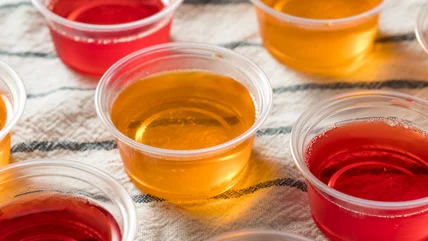
When whipping up a batch of Jell-O shots for your next get together, it's important to know just how many shots a box of Jell-O will yield.
Read More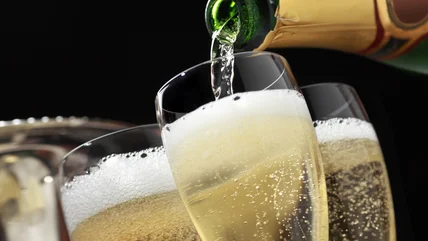
Some wines have what it takes to age well, where they can attain extraordinary complexity and nuanced character. So how well do sparkling wines typically age?
Read More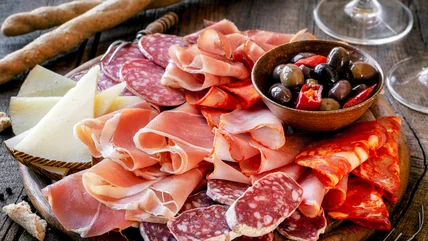
Wine pairing is an unknown science to many, so we consulted an expert. He gave us the low-down on what meats are the hardest to pair -- and what wine they need.
Read More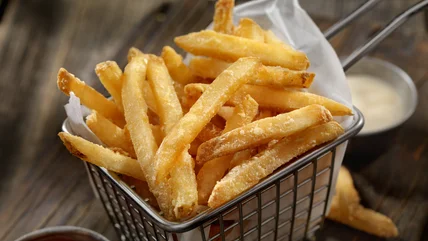
If you're wondering whether french fries taste different according to whether they're chunky, skinny, waffle-style, or curly, consider these points.
Read More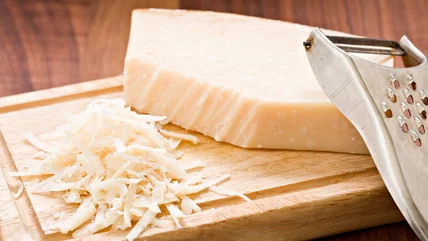
Cheese can be difficult to grate for recipes, especially harder varieties. Luckily, there's a trick that helps add moisture that makes grating it much easier.
Read More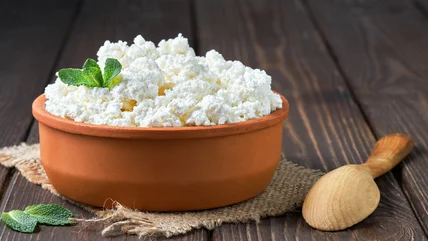
If you've ever wondered why no two containers of cottage cheese feel the same, there may be a scientific reason to explain such inconsistencies.
Read More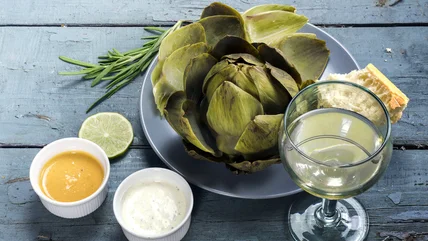
Pairing wine with food seems simple enough, but outside of your tastes, it's pretty complex. A sommelier explains why it's so difficult to pair with artichokes.
Read More