

8 Classic Sandwiches Made Popular In The 1950s
Did you know World War II changed the face of food in the United States? It's true! Between shelf life and availability, the culinary landscape in the U.S. shifted, and that shift led to some classic dishes, including iconic sandwiches. Between the Great Depression and the War, many families had to find ways to stretch budgets and food items, which led to some wild and creative meals, including an array of sandwiches — some of which are still loved and eaten today.
Bologna, Spam, and even chow mein — this list will take you back in time and flavor to the post-war days of the lunch-counter boom and some innovative grocery store items. Let's take a look at classic sandwiches made popular in the 1950s to see which ones we're still enjoying and which options might need a comeback. And hey, maybe you'll find a new favorite to try.
Spam sandwich
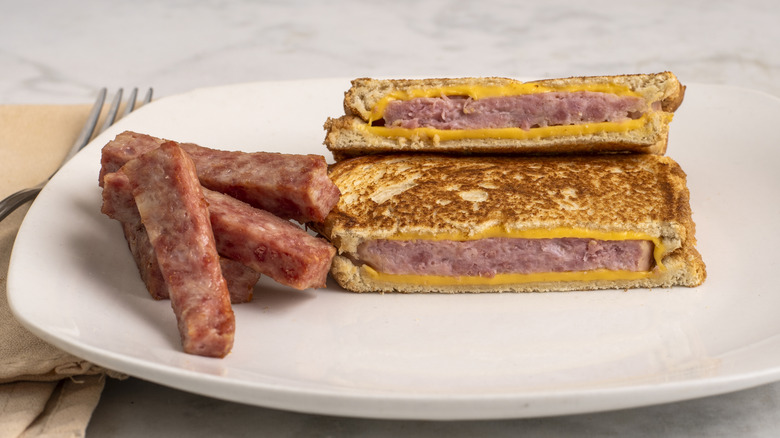
Spam changed the face of the culinary landscape in the U.S., without question. Invented by Hormel in 1937, the company was trying to find a way to make some money off pork shoulder, which, at the time, wasn't a sought-after meat. It added some spices to ham, and well, you can see how the famed canned item got its name.
What worked with Spam was its shelf life. It was a good source of protein and versatile, which allowed it to become a pantry staple in homes and military kitchens alike. While it wasn't universally loved, Hormel still sold a billion cans by 1959. What started as a fast food choice for soldiers soon turned into a national phenomenon.
There is no one right way to eat a Spam sandwich. The consensus is that you have to start by frying it up, but the toppings are totally up to you. Add cheese, eggs, baked beans, and even pineapple, but you can also put these little slices of meat in between two buns with some lettuce, tomato, and pickles for a makeshift burger. This wartime invention would also change the face of Hawaii, becoming a foundation for the folks on the islands. Spam musubi is a classic snack that grew from this WWII food shift. There's even a national day celebrating this food item!
Sardine sandwich
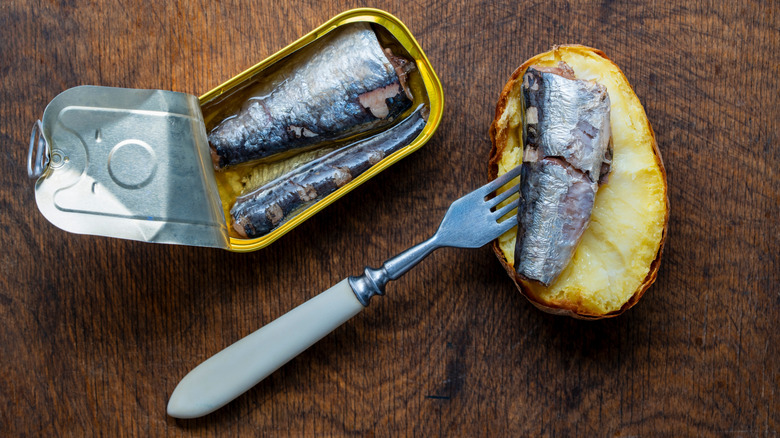
While Spam supported folks with a canned protein option during the War, the sardine came first, paving the way for an easily accessible food option. This one spans countries and recipe books, from the early 1900s in Portugal through the 1960s in the States. In the U.S., it was a cheap alternative protein, using canning for long shelf life. While sardines may not be for everyone, there is a world of health benefits, offering eaters omega-3s, along with nutrients such as calcium, potassium, magnesium, and zinc, to name a few.
Like Spam, there wasn't one right way to enjoy a sardine sandwich, but mustard, mayo, tomato sauce, and lemon juice were some common additions to add to your bread. Some recipes even call for buttered bread, along with other items like greens, onions, and cheese. You'll find various versions in older cookbooks — each offering up a unique take on this fishy find.
Unlike some of these other lost sandwiches, you can see the drop-off for sardines with the introduction of canned tuna. In the late 1950s, tuna brands ran heavy marketing campaigns, offering customers another protein option with a long shelf life that wasn't as "fishy." Be that as it may, you'll still find a love for sardines on toast around the globe, but in the US, the sandwich appeal lost its luster.
Sloppy Joes
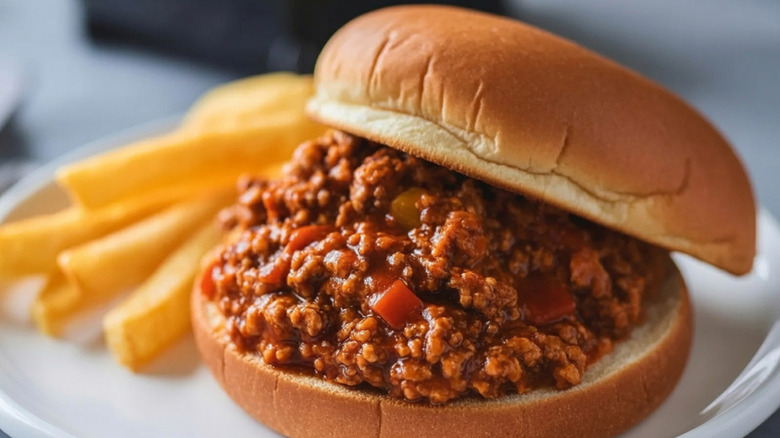
If you grew up in the U.S., you undoubtedly know (and possibly love) the Sloppy Joe. Another Depression-era food, the goal of this sandwich was to stretch affordable cuts of beef in tough times. Adding tomato sauce and onions was key, allowing smaller cuts of meat to go further.
This iconic sandwich has connections to 1930s Cuba. It's said that a Havana bar owner started serving his version of ropa vieja (shredded beef) as a way to help some of his clientele sober up after a night of drinking. The lore suggests the name "Sloppy Joe" came from the atmosphere of the bar, along with the messy qualities of the sandwich. However, this isn't the only legend connected to the sandwich. In Iowa around this time, the loose meat sandwich became popular. Using tomato sauce, the same type of sandwich was born, supposedly having been created by a man named Joe.
No matter the origin, the sandwich was a home staple in the 1950s, offering up a comfort food classic with leftovers done cheap. By the 1960s, you could buy this crafted hamburger mixture at the store in cans, showcasing the popularity and love for this iconic meal.
Pimento cheese sandwich
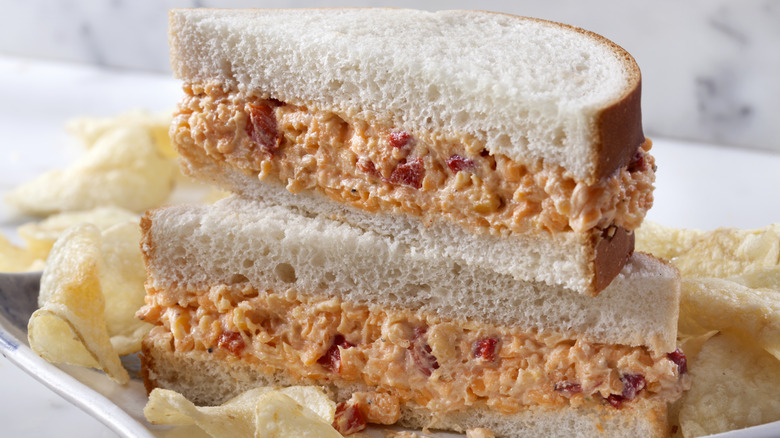
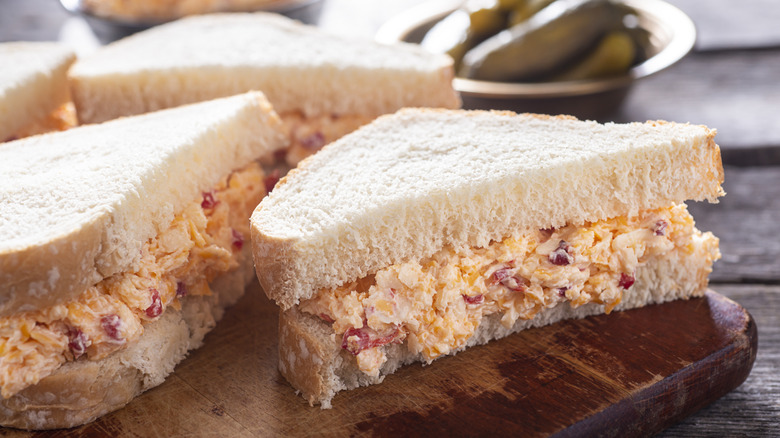
Pimento cheese is a contentious food item. It seems folks have a love-or-hate reaction to the name alone. This was another Depression-era food that started as a way to feed kids and workers, but its origins date back to the 1870s, and its genesis didn't stem from the South as most believe. It was actually created in New York from cream cheese and peppers imported from Spain. As this snack made it farther south, the recipe shifted, leading us to the version you see made in homes and restaurants today.
Originally, the snack was made from Neufchâtel cheese and diced pimento peppers. However, over time it shifted to any kind of shredded cheese, chopped pimentos, and the addition of mayo. By the 1930s, you could buy cans of the stuff, making it even easier to enjoy. It became a flavorful and cheap way to get some calories and nutritional value in a time when both of those things were hard to come by.
But this sandwich made a name for itself starting in the 1940s, setting it up for success in the 1950s and beyond. It was served at the Masters tournament and became a staple for this golf championship, where it's still available today.
Fried bologna sandwich
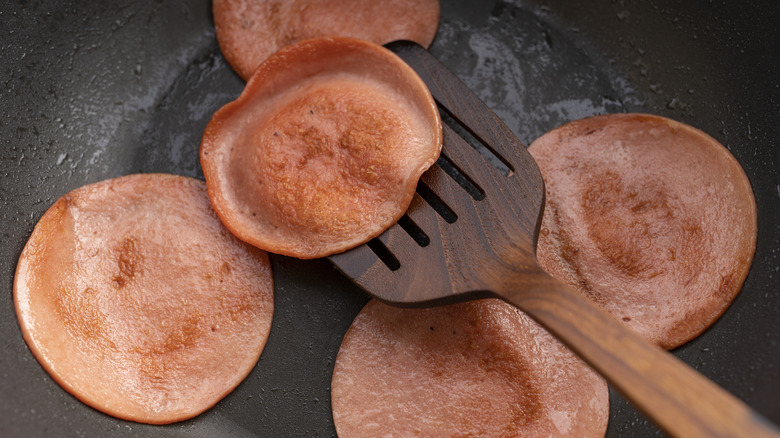
Bologna has a long history in the culinary world. What started as mortadella in the 17th century in Bologna, Italy, shifted to the processed deli meat we know and love today. While there was a push of Italian immigrants to the U.S. between the late 1800s and early 1900s, it was actually German immigrants who brought the original deli meat to the South. And from there, the fried bologna sandwich was born.
Protein-packed and affordable, it's no wonder this deli meat blew up in homes and lunchrooms across the States. In the 1940s, manufacturers found a way to prepackage the item, which led to a boom in the late 1940s and 50s. From there, the Southern staple made a name for itself in the form of fried bologna sandwiches.
Southern restaurants started serving the sandwich in the 50s and 60s, which popularized the iconic food. What was once for factory workers shifted to a common meal, and with affordability at the forefront, people were happy to buy it. Add whatever fixings you like — from sliced cheese to pimento, to mayo and mustard. This is another sandwich where customization is key.
Monte Cristo
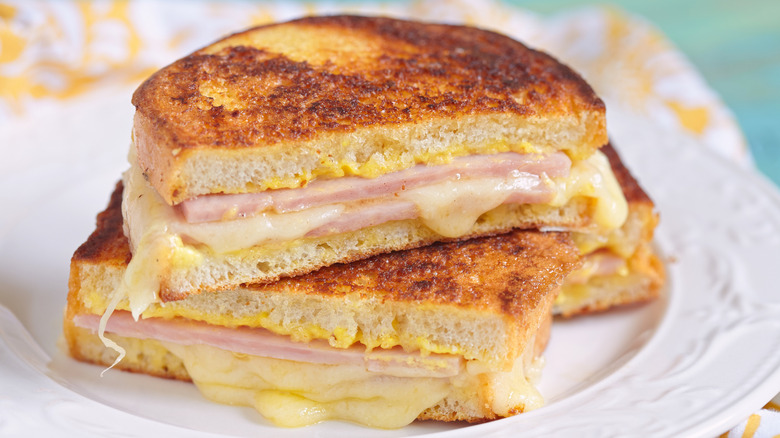
Monte Cristo is thought to be born from an OG French sandwich — the Croque Monsieur. Buyer beware: this sandwich is not for the faint of heart. Inside, you'll find turkey, ham, Gruyère, and a mix of mayo and Dijon mustard. It's then slathered with a whisked egg and fried. Some even top it with items like powdered sugar or maple syrup. This sandwich calls for a nap.
It's a meal of many names originating in France, but the U.S. created its own version. While it started finding its way into cookbooks between the 1930s and 1970s, you wouldn't necessarily find it under the Monte Cristo name, instead seeing versions such as the French Sandwich, the Toasted Ham Sandwich, and French Toasted Cheese Sandwich. The actual Monte Cristo name was said to be popularized in California in the 1950s, which was then later added to the menus in Disneyland in the 1960s.
Unlike a lot of other items on this list, the Monte Cristo is still a wildly popular sandwich, as seen on brunch menus and restaurant specials all over the world. It's definitely not healthy, but it's absolutely delicious.
Creamed chipped beef on toast
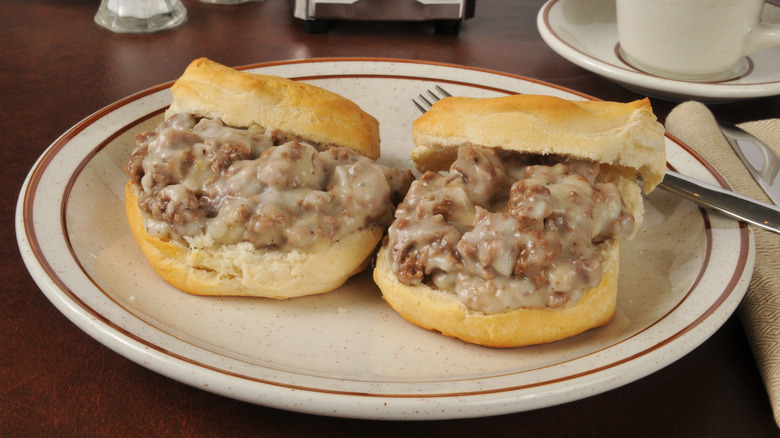
As the U.S. was shifting out of the 1940s, rationing didn't just happen at war. At home, families were doing what they could to stretch their food and their budget as far as possible. These are some of the reasons creamed chipped beef on toast was invented.
While soldiers called it "SOS," aka Same Old Stuff (along with some other not-so-appropriate names), this post-war recovery food became a staple and a classic sandwich in the 1950s. For chipped beef, you'd typically start with dried, salted beef (chopped or thinly sliced) – a great protein source and shelf-stable. You'd slather it in a creamy white sauce made from milk, butter, and flour, but sometimes seasonings like pepper would be added if available. On toast or between two pieces of bread, this one offered comfort, sustenance, and food that could feed a lot of people — a literal army.
This is another wartime classic that transcended location and need. While it's not a popular sandwich today, it's a reminder of the country's history and the innovation people used to feed their communities.
Chow mein sandwich
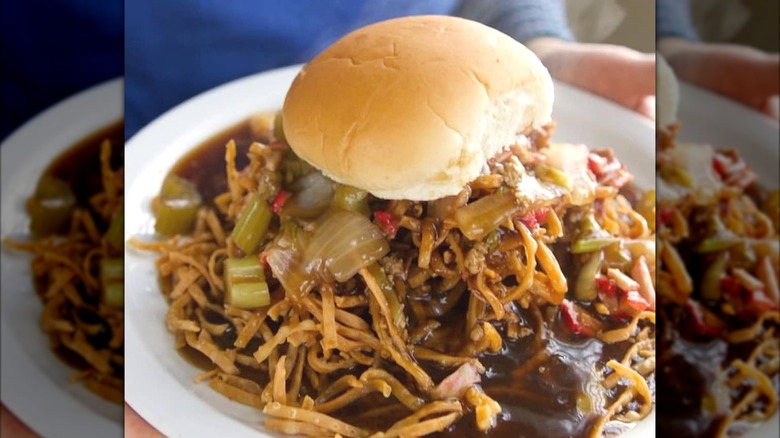
There is nothing quite like a chow mein sandwich. While a lot of other options on this list stemmed from stretching food items and budgets, this one has a story connected to immigrants and local culture.
The chow mein sandwich has Chinese-American roots, dating back to factory workers in Fall River, MA. In the 1930s and 1940s, Chinese immigrants came to the East Coast looking for work. Many opened laundromats and restaurants, but local workers, who were mainly European immigrants, didn't have context for this new type of food. To make the food more accessible, restaurant owners still made chow mein but put it between two buns, creating a sandwich — a universally loved and understood food item.
If you're wondering, this sandwich is made with deep-fried noodles, pork, and sautéed vegetables piled onto a hamburger bun. And don't forget the gravy. This one may seem a little odd, but you have to try it at least once to "get it." You can still find this iconic sandwich served in various locations around Massachusetts today.