

13 Steak Cuts You Should Never Order Rare
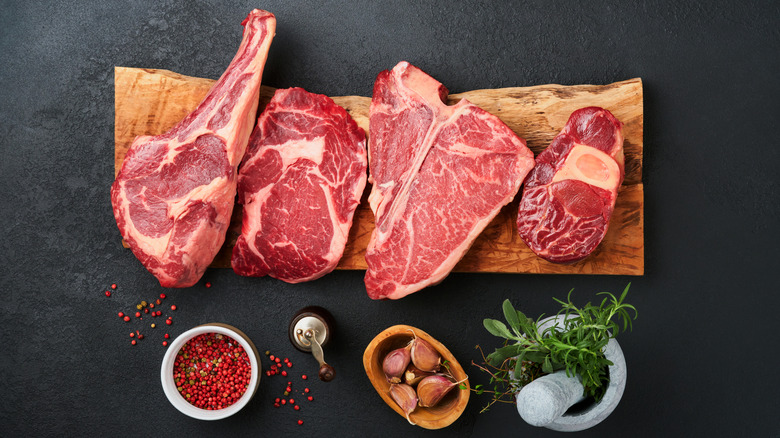
Steak fanatics love to talk a big game about always eating their favorite cut barely kissed on the grill and still bloody in the center. The fanaticism is contagious, and you may be tempted to boldly order any cut rare when dining out — but some steaks simply need more time to cook.
I've worked as a chef for 10 years, and am currently training as a nose-to-tail butcher in New York City. Knowing every cut that makes the cow is my day-to-day, and the details on how to cook them is my bread and butter. For the bloody-meat lover, there are plenty of steaks to choose from that will satisfy a craving for barely-cooked meat — think filet mignon, merlot, or bistro filet. Lean, tender steaks that don't need time for fat to render are perfect choices for a rare cook, but there are many other cuts that beg for more attention.
Steaks that need more cook time often have a few things in common. Either they're loaded with fat and marbling that tastes better a little crispy, they have a lot of connective tissue that takes time to break down, or the texture is simply better cooked longer. Nobody wants to gnaw on sinew or taste the gritty texture of cold fat, which is why I've compiled this guide to steaks you just shouldn't order rare.
1. Hanger
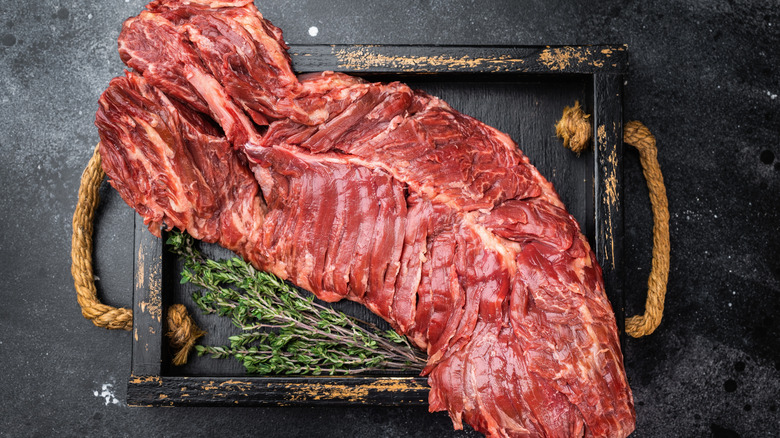
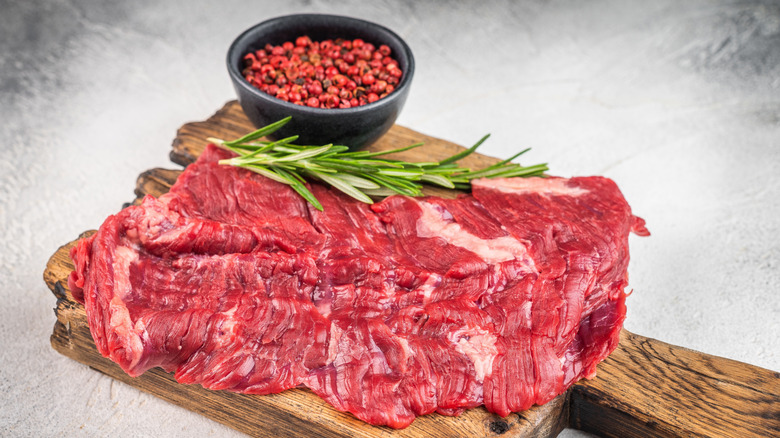
Hanger is one of those cuts that, once someone has tried it, will instantly become a favorite. It has a pronounced grain with thin lines of fat that run through each layer, making it incredibly tender and juicy when cooked properly.
The name hanger comes from the location of the cut on the cow — it "hangs" from the belly below the tenderloin. You only get one whole hanger steak from each cow, weighing about 2 pounds, which is trimmed of tough pieces of membrane to yield two longer, skinnier cuts.
So why not cook it rare? The beautiful layers of the hanger steak are like the buttery layers of a croissant. Cook it too little, and there won't be any puff; cook it too long, and all the fat will run out. Medium-rare is ideal for this steak, and it will take well to the high heat of a grill followed by a nice rest.
2. Ribeye
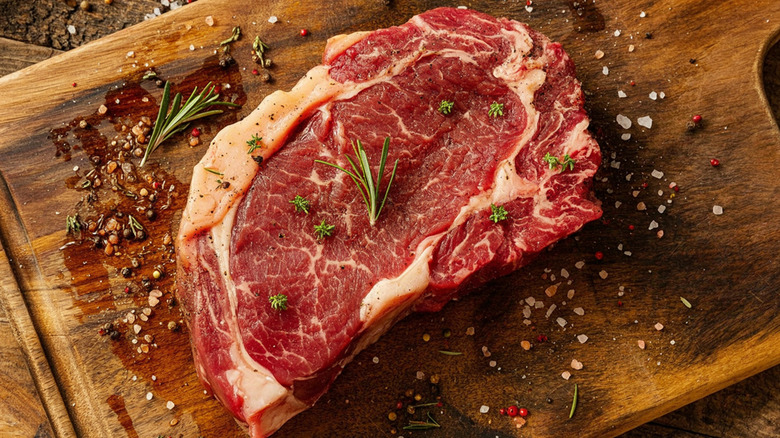
Ribeye is one of the most common cuts on a restaurant menu, and it really tastes so much better when it has more time to cook. What you might not know about a ribeye steak is that it includes the eye of the ribeye at the center, surrounded by a nice layer of fat, with the ribeye cap or spinalis situated at the thicker end. A proper ribeye will be pretty massive, especially if the bone is left in. These layers of marbling, meat, and flavor need time to render and crisp up on the grill — something you can't achieve with a quick rare cook.
Occasionally, you might come across a steak that's advertised as an eye of ribeye; it won't be as tender as filet mignon, but this isn't the worst steak to order rare. The ribeye cap and its incredible marbling have been removed, as well as that thick layer of fat that separates them, leaving just the eye of ribeye, which won't need as much time to cook. If you're set on ordering your steak rare, just make sure you check with your server first about what your ribeye is going to look like.
3. Picanha/coulotte
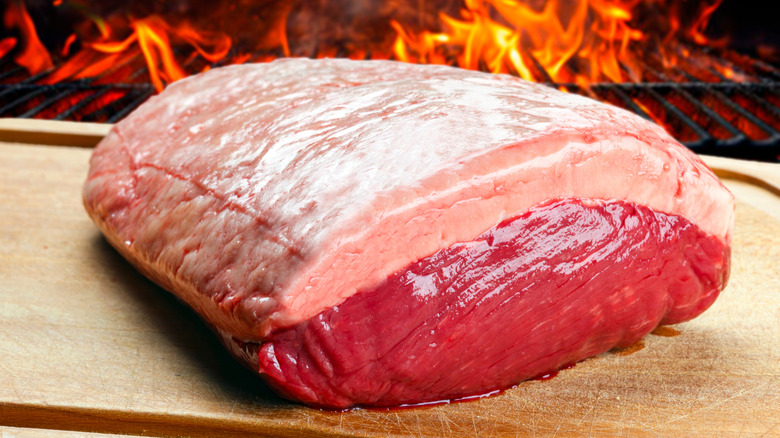
This gorgeous, fat-laden cut is one you're most likely to find at a Brazilian steakhouse where it's been expertly grilled, sliced, and offered up on a skewer. Also called the top sirloin cap or beef coulotte, it is taken from the round or rump of the cow. The hindquarter does get a fair amount of exercise, so the cuts from this primal aren't known to have a whole lot of marbling, but when properly prepared and sliced against the grain, picanha will have a rich beefy flavor and juicy bite.
Just looking at this cut, you should already be wary of cooking it rare. Its large, triangular shape and thick, fat cap that layers the whole piece beg for time on the grill. Similar to a duck breast, you'll want to score the fat cap before seasoning generously and placing it fat-side down on a hot cooking surface. When given the proper time to smoke, render, and cook, the flavors of this cut will concentrate, the muscles will become more tender, and every bite will drip with juice. It's a cut you'll be itching to ask your butcher for, but not one to order rare.
4. Flank
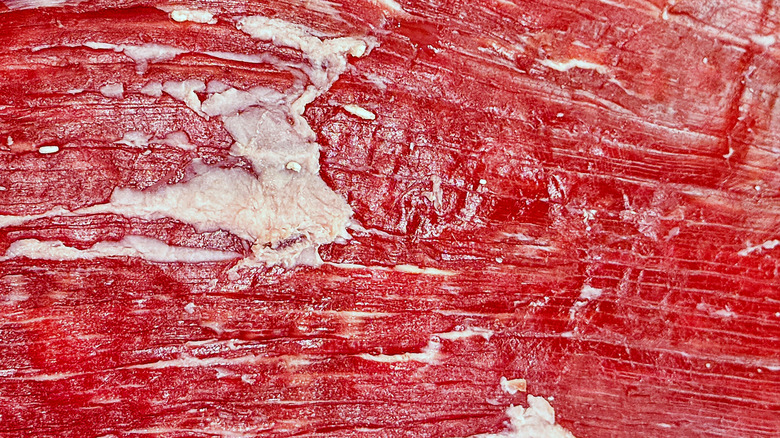
A flank steak falls into the category of flat steaks like skirt, flap, and flat iron that can all be used relatively interchangeably for dishes like carne asada, fajitas, and grilling with a marinade. Flank has a long, pronounced, vertical grain that is easily recognizable. It doesn't have a ton of fat, but it's really the texture that makes this cut less than ideal for a rare cook.
This cut comes from the abdominal muscles of the cow, where it puts in a lot of work and can err on the tough side. The trick with flank — and what we always recommend in the butcher shop — is to marinate it at least a few hours, but ideally a full 24 hours – to help tenderize its tough fibers. Once cooked, you'll want to make sure to slice it against the grain to avoid chewiness.
Cooking a flank steak rare is not only less than ideal for achieving the perfect texture, but it would also be very difficult to achieve. The steak is so thin that to get a nice sear on the outside, you need super high heat and more than a couple of minutes. A rare-cooked flank would only come out grey and chewy.
5. Oyster
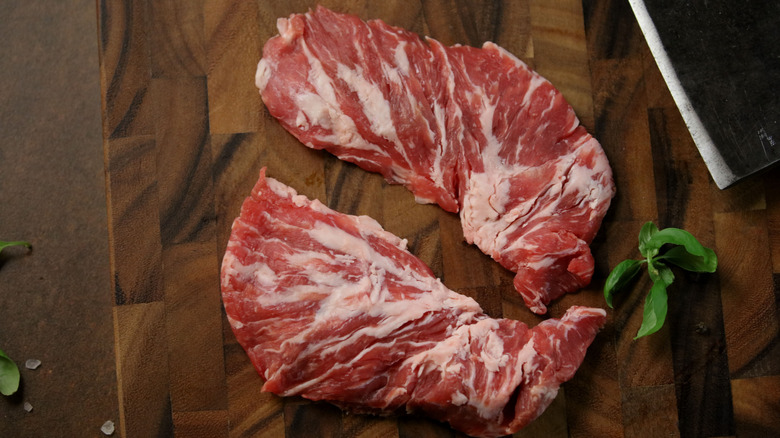
The oyster steak isn't one you'll find on restaurant menus often, and can even be difficult to come across in the average butcher shop. There are only two small (about 4-ounce) oyster steaks in each cow, and unless you're shopping at a whole-animal butcher, they'll likely be put to trim. You may not be feeding the whole family with this cut, but it is one of my personal favorites.
Named for the pattern of their marbling resembling an oyster shell, the oyster steak is also sometimes called a spider steak for the same reason. It comes from the rump of the cow and sits right near the aitchbone (pronounced H-bone) or hip bone.
It's that luxurious marbling that makes this steak less than ideal for cooking rare. Those sometimes-thick pieces of fat in between the layers of meat taste much better when they've gotten a little crisp on them. Given that the oyster steak is also very small and thin, you'll want to make sure your pan is super hot before it goes in so you can get a good sear on each side without overdoing it. Medium-rare is the ideal.
6. Toro
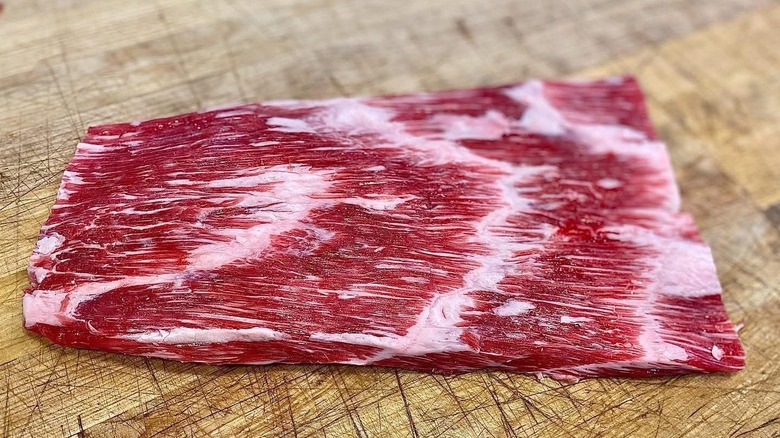
The toro steak was only popularized in the last decade by legendary whole-animal butcher Kevin Smith at Beast and Cleaver in Seattle, Washington. It's not one you'll find at the grocery store, but whole animal butchers across the country and in-the-know restaurants are adding this cut to their menus more and more.
The toro steak comes from the belly of the cow and has a ton of beautiful marbling. Its name — toro — is intentionally the same as the Japanese word for fatty tuna belly, given the similarities between the two products.
You wouldn't eat bacon raw, and that is basically the equivalent of cooking a toro steak rare — the fat won't render, and you'll be left with a cold, grainy mouthful. Medium-rare or even a bit higher is where you should aim with this steak. The marbling will help keep the steak juicy and flavorful even when cooked to medium or medium-well.
7. Chuck tender
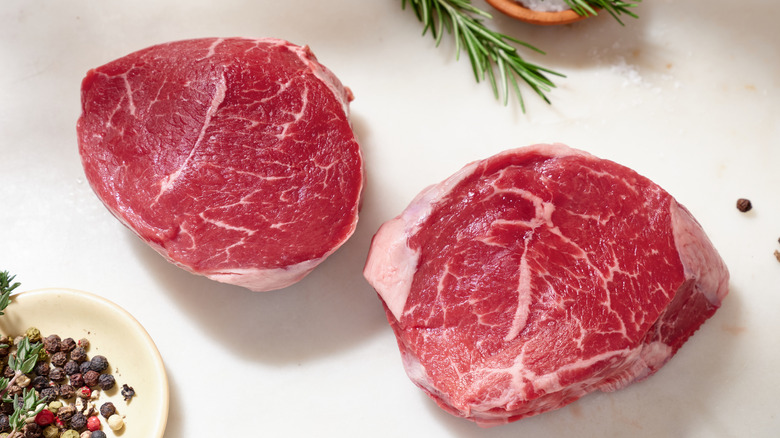
Despite the name and the somewhat similar shape to a tenderloin, chuck tender is really not tender at all. It comes from the muscular shoulder of the cow, which puts in a lot of work as the animal wanders through fields and bends down, making this cut tough and chewy when cooked improperly (or cooked rare).
Typically, chuck tender is either cut into chunks of lean stew meat or sold as a whole roast. These roasts are sometimes cut and served as individual steaks — but don't let the appearance fool you — just because it resembles a steak doesn't mean you can throw it in a hot pan, cook it rare, and expect good results. A low-and-slow technique is the best method for any size or shape of chuck tender to allow those muscle fibers to relax and yield a more pleasant bite. In other words, pot roast is the way to go.
8. Skirt
Skirt steak is one of those cuts that everyone's familiar with. Whether it's on the grill at your local taco stand or rolled up for purchase at the grocery store, it's not a hard steak to find. Given the nature of this cut — the fat content, the toughness — it's not a good steak to order or cook rare. You'll end up gnawing on it for a long time, and it won't achieve a nice sear without being taken to at least medium-rare.
There are two kinds of skirt steak you should know about — inside, and outside skirt — which are the diaphragm muscles of the cow. The outside skirt is typically more sought-after as it's slightly more tender and consistent than the inside skirt, but with a little extra time in the marinade, both cuts are delicious.
Given its thin composition and the fact that your marinade will be adding so much moisture, you're going to want to cook your skirt steak over really high heat to get a good sear. Undercooking won't allow the muscle fibers time to relax and soften, so don't be afraid to take it to medium-rare or medium to achieve the best texture.
9. Tri-tip
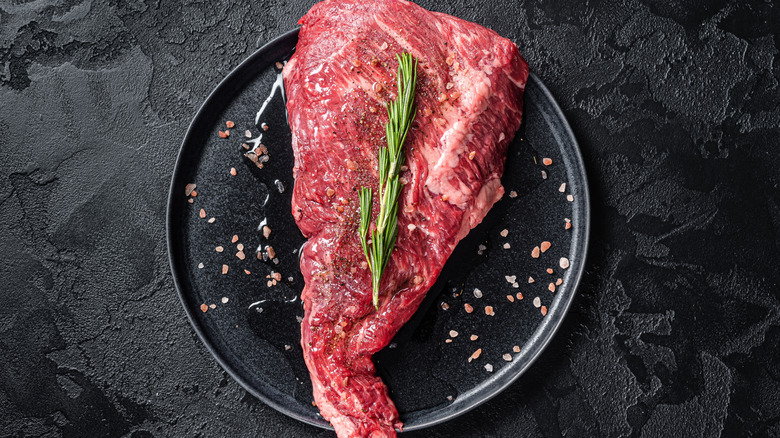
The tri-tip steak, also called Santa Maria or Newport steak (due to the cut's resemblance to the cigarette brand's logo), is most popular on the West Coast. Tri-tip is about a 2-pound cut coming from the bottom sirloin of the cow that was usually put to trim before butchers and barbecuers began realizing its potential in 1950s California.
It's no wonder this cut is referred to as the brisket of California. Traditionally, the whole piece of meat is seasoned with salt, black pepper, and garlic powder before being smoked to medium-rare and finally seared to perfection. Just like brisket, it would be an utter shame to undercook, as it wouldn't give the fats time to render and soften. You'd end up gnawing on a piece of meat that would be much better served with more cook time.
10. Cross-cut beef shank
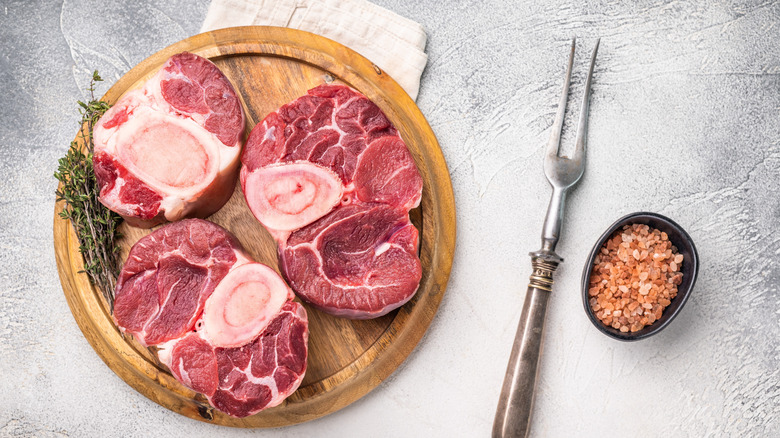
A cross-cut beef shank with the marrow bone still proudly held at the center of the meat is not the most common cut to come across. If it's offered on a restaurant's menu, they'll advise against asking for it rare. But if you happen to find it in a butcher's shop and consider taking it home, just know that this cut requires a longer cook time to achieve its full (delicious) potential.
The meat of the shank is typically either added to the pile of trim for ground beef or kept intact so the whole shank can be sliced into thick cuts with the bone still included. It's the basis for a classic Italian dish, osso bucco, which is traditionally prepared with veal shank, but is just as delicious with a mature steer.
The shank has lots of collagen and connective tissues, which, when cooked for longer periods of time in a braise, break down into tender, wonderful, gelatinous bites. The marrow from the bone melts into the meat and creates a robust flavor. It's just one of those cuts that would be criminal to cook rare.
11. Bavette or flap
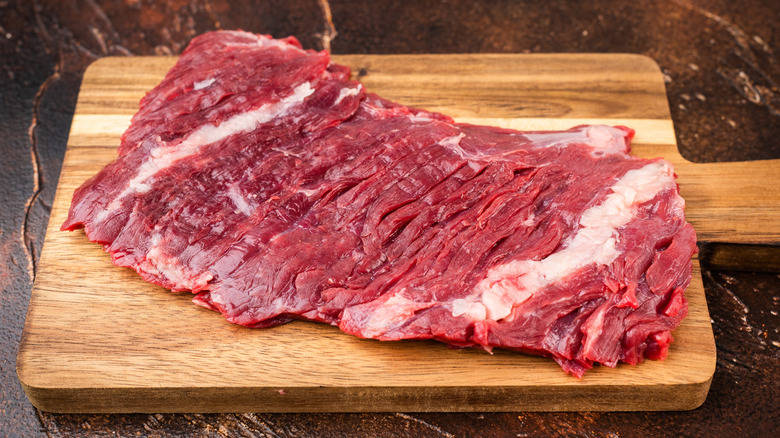
The bavette steak, also called a flap steak, comes from the flank of the cow, very close to the flank steak. Its French name, meaning bib, refers to the shape of the steak, which is wider in the middle and tapers at the ends. A classic choice for steak frites, this cut is quintessential to the French bistro.
Given its proximity to the flank steak, you can probably already guess that the texture of bavette is just not ideal for being partially cooked. Its loose muscle structure makes it ideal for soaking up all the flavors of a good marinade, and the pronounced grain is delightful when cooked to medium-rare, but doesn't have quite enough time to relax without those extra 10 degrees. Bavette isn't quite as thin as skirt or flank steak, but if you're worried about achieving the perfect temperature, make sure to follow our steps for achieving the perfect medium-rare every time.
12. Ranch
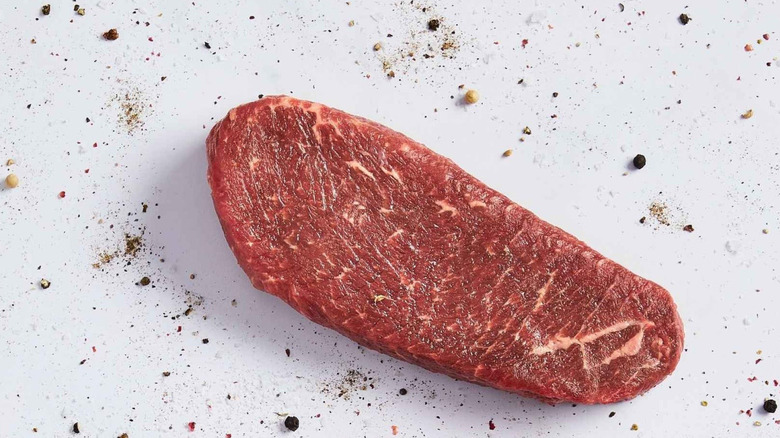
The ranch steak hasn't garnered a lot of mainstream popularity, probably due to the fact that it's tricky to cook. The cuts sometimes come with a small fat cap, but are otherwise quite devoid of significant marbling. Taken from the chuck or shoulder of the cow and also called a center cut steak, if you cook them too much or too little, you may find yourself chewing your dinner until the sun rises.
If you're ordering in a restaurant, request medium-rare or medium. A rare cook on the ranch steak will not do you any favors. If you're cooking at home for a pan steak, a long marinade will serve you well, but this cut is always great for a low-and-slow approach. Cooking it first in the sous vide, followed by a pan sear, is a good approach. Or if you're hoping for pull-apart tenderness, braising is also an excellent option.
13. New York strip
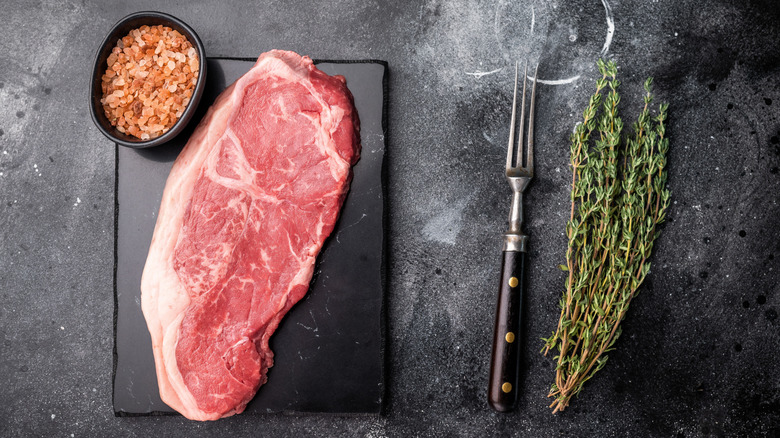
The New York strip steak garnered its name from popularity in New York steakhouses like the famous Delmonico's, but the cut has gained worldwide popularity since. It doesn't have quite the same marbling as ribeye, but is often presented as a more affordable alternative, given that strip generally runs a few dollars cheaper per pound and has some similarities to ribeye.
The strip comes from the loin section of the cow and, in many whole-animal shops, will be offered bone-in and dry-aged as well as fresh. These cuts usually have a good fat cap, and as we've been discussing, that fat just doesn't taste as good cooked rare. So what's the best way to cook a NY strip steak? You'll want to give it time to crisp on the edges and render at least a little, so medium-rare would be ideal.