

The Biggest Changes In McDonald's Breakfast History
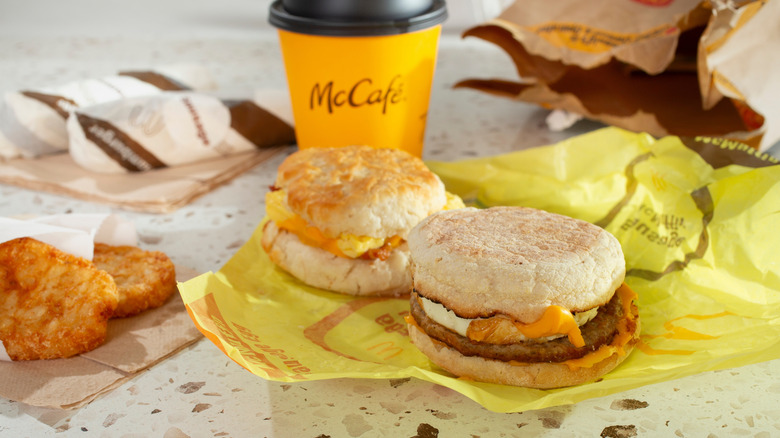
There are fast-food chains that serve breakfast, and then there's McDonald's. The restaurant's breakfast items are undeniably iconic, and throughout the decades, it's honed a menu that somehow manages to feel both simple and diverse. It's done this by relying on a few tried-and-tested staples, like its McMuffin, McGriddle, and breakfast biscuits, which remain front and center and have done so for decades. McDonald's breakfast items can somewhat vary in how good they are, sure — but you know what you're getting.
However, while McDonald's breakfast often feels like it's static and unchanging, its menu has evolved as much as its lunch or dinner options. Its early-morning meals didn't come fully formed: Instead, they were the result of years of development, experimentation, and a certain amount of risk-taking on the chain's part. McDonald's has also moved with the times, and new items have increasingly reflected modern trends and tastes. Plus, as its menu has grown and operations have changed, the restaurant has made some decisions about its breakfast that remain controversial even now. Here are the key moments that define perhaps the most well-known breakfast foods in the United States.
In 1972, the Egg McMuffin arrived — and changed breakfast sandwiches forever
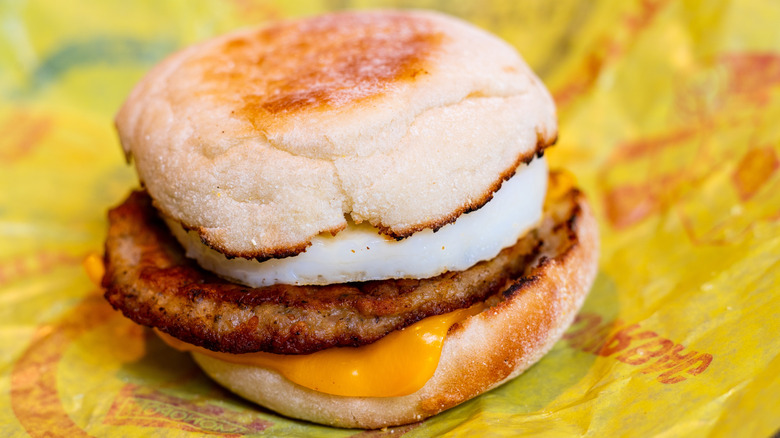
There was a time before the Egg McMuffin. That time was 1970: That year, Pittsburgh-based franchise owner Jim Delligatti spotted an opportunity to draw more customers first thing in the morning and asked McDonald's owner Ray Kroc if he could begin selling doughnuts for breakfast. Kroc agreed, and when Delligatti's move proved popular, the restaurant began testing menu options that could be standardized and sold nationwide. One of these was the Egg McMuffin, which was originally conceived by California owner and operator Herb Peterson. Peterson's idea was to create a handheld Eggs Benedict, but when the Hollandaise sauce didn't quite work in the sandwich, he switched to a slice of cheese.
The Egg McMuffin was born. It originally debuted in 1972, when it was served with honey or jam at 63 cents per serving. It took another three years before it moved from test markets to McDonald's national (and subsequently, international) menu, but since 1975 it's been available pretty much anywhere, and not much has changed to this day. The Egg McMuffin's success, though, and the success of its breakfast offer at large, arguably inspired both McDonald's subsequent sandwich-based menu and the fast food options created by other fast food chains.
McDonald's debuted its full breakfast menu in 1977
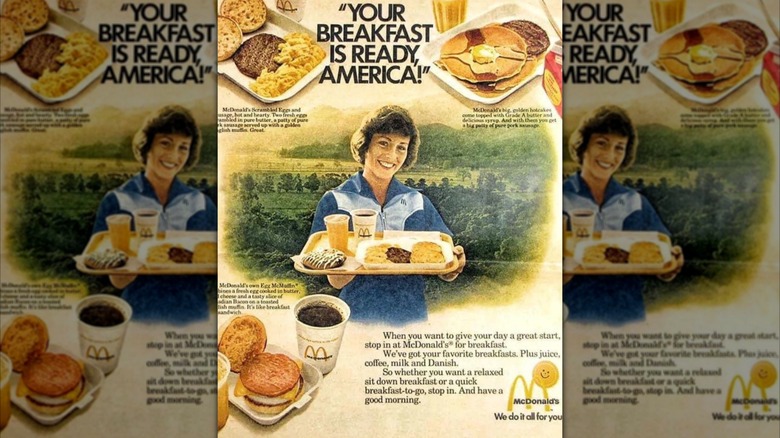
McDonald's scored a hit with its Egg McMuffin, but two years after it was released across the United States, it knew it had to step things up. As such, in 1977, it made a bold move: The chain introduced a full breakfast menu in every one of its restaurants. The idea was that you could have a full-on sit-down meal at any McDonald's you choose, and that the restaurant would be a breakfast destination, not just a place you pick up a sandwich and walk out of.
Its first breakfast menu reflected this. The Egg McMuffin was going nowhere, but McDonald's also introduced scrambled eggs, sausage, hotcakes, toasted English muffins, and Danishes ... and of course you had beverage options like juice, coffee, and milk. Its breakfasts were served in disposable containers, but you could still sit back, relax, and enjoy — or get them to go. In a sense, its breakfast menu introduction announced McDonald's' intentions: It wanted your business at any time of the day.
In 1986, biscuits make their national breakfast menu debut
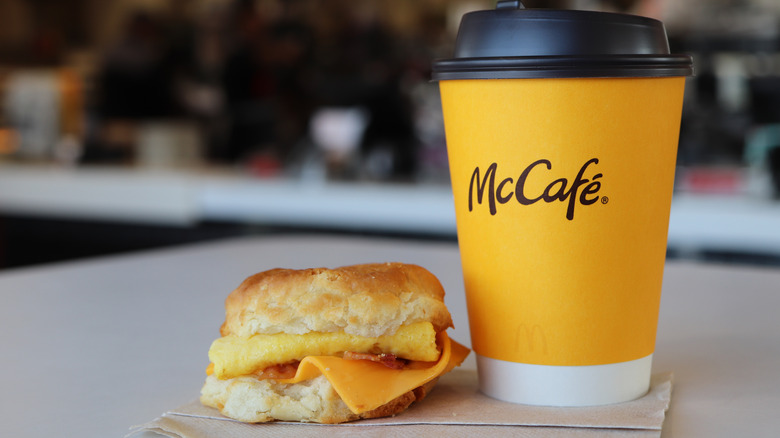
McDonald's had hit a home run with the McMuffin, but soon after its nationwide debut, the restaurant was on the lookout for the next winner — and preferably, one that came in sandwich form. The early-to-mid 1980s saw the chain experimenting with a few different items, including the McCrescent, a croissant sandwich that only ran for a few months in Illinois. In 1986, though, it landed upon its next successful format: Biscuits. Sausage, sausage and egg, ham and egg, and ham biscuits were launched nationally and took residence on McDonald's permanent breakfast menu.
For customers, the new biscuits represented a sense of choice, but for McDonald's, the addition seems pretty simple: Its staff were already well-versed in constructing McMuffins, and now they just had to use a few ingredients. Adding biscuits to its menu also no doubt helped fuel McDonald's growth in the breakfast market, in which it was increasingly prominent. Nowadays, its biscuits have been altered slightly (they feature bacon instead of ham), but the concept remains the same.
1991 saw the arrival of the breakfast burrito — and a new classic was born
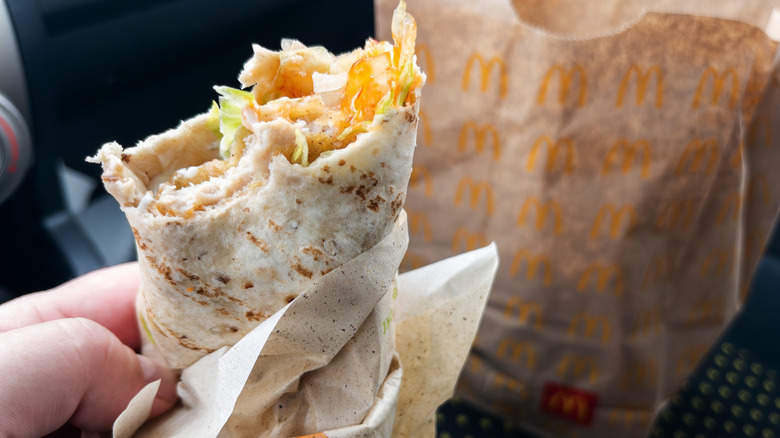
By the early 1990s, the breakfast burrito was already alive and kicking. Reportedly invented at Tia Sophia's restaurant in Santa Fe in 1975, the dish took a Northern Mexican classic and adapted it for an audience hungry first thing in the morning for a hearty, spicy meal. However, while the food began to travel beyond New Mexico and other states boasted excellent breakfast burritos, at McDonald's, the '70s and '80s were a sandwich-based affair. McMuffins and biscuits continued to reign supreme.
Things changed in the mid-1980s, when Houston-based franchise owners Nelly and Dominic Quijano spotted an opportunity. Recognizing the growing Latino customer base in the city, the Cuban immigrants set to work creating their own version of a breakfast burrito. After months of development, the burrito launched; it remained a local favorite until McDonald's clearly saw the potential for it to be a nationwide success. In 1991, the chain released its breakfast burrito across the country, with an ad campaign celebrating the food's Tex-Mex flavors and sensibilities.
The move to include a breakfast burrito on its national menu wasn't just significant because it was a non-sandwich-based option. It also perhaps indicated a greater embracing by the chain of food influences, and a recognition of a changing customer base and demographic. Today, it remains as popular as ever (although we'd say you might be able to find better fast food breakfast burritos out there).
In 2003, fusion arrived in the shape of the McGriddle
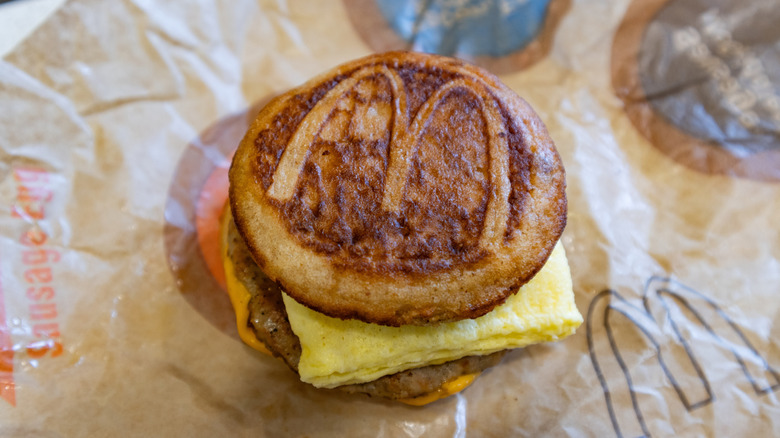
The latter decades of the 20th century were ones where food was changing in a big way. Fusion cuisine was everywhere: Chefs were getting increasingly playful with their choices and recipes, in a bid to create something new, and diners were becoming more accustomed to mashups. McDonald's was also embracing fusion, too, with now-forgotten menu items like its chicken fajitas.
Its McGriddle, though, is arguably the most successful foray into fusion it's ever taken — perhaps because it's so simple. Landing in 2003 (which was, incidentally, the year after the term "fusion cuisine" was added to the Oxford Dictionary), this mash-up of hotcakes and breakfast wasn't bringing together influences from different food cultures, but was instead testing how much customers would buy into everything being combined into one package. Turns out, they would. At the time, the McGriddle faced scrutiny for its nutritional content (and McDonald's was increasingly having to address concerns posed by health advocates, making it a thorny time for the chain), but more than two decades later, it's still embedded in its breakfast menu.
When McCafé debuted in the U.S. in 2009, things got classier
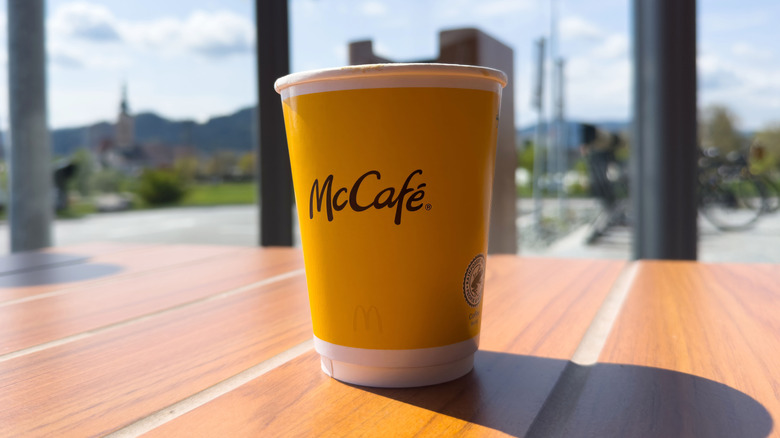
Of all the moves that McDonald's made to freshen up its breakfast menu, few were as bold as McCafé's introduction. It was bold, though, not because the McCafé menu offered vibrant, flashy new options, but because it almost represented a new sense of refinement and classiness from the chain. McCafé was actually born in Melbourne, Australia in 1993, where the offshoot chain served to celebrate the city's rich coffee tradition and café culture. It quickly boomed into a national phenomenon, and McDonald's USA knew that it could, and should, find a way to capitalize on all the success.
However, it wasn't until 2009 that the McCafé concept officially debuted in the United States, after the chain trialed it in certain cities earlier in the decade. When it did, it created a new breakfast drinks platform for customers. Now, they could enjoy a more elevated coffee experience with McDonald's Premium Roast Coffee and other hot and iced drinks available. McDonald's would soon expand its McCafé lineup a year later with the introduction of the frappe, cementing its commitment to giving customers beverage choices as well as food ones — a commitment it's continued to the modern day, with its specialty drinks.
The 2010s saw the chain introduce more healthy options
Throughout the 2000s, McDonald's faced intense scrutiny for the healthiness of its menu. The release of the documentary "Super Size Me" and lawsuits from its customers, who claimed the restaurant contributed to poor health outcomes, put a lot of focus on what was actually in its food and its nutrition. During this time, its breakfast menu was largely focused around eggs, bread, cheese, processed meat, and hotcakes — and it's arguable none of these items, and the dishes they made, projected an image of robust nutritional value.
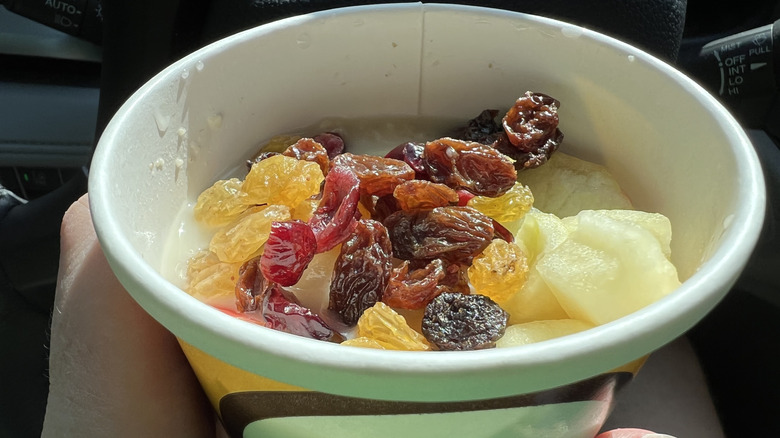
In the 2010s, though, McDonald's decided it was time to change things up. In 2010, it introduced oatmeal, in an apparent health-focused move that was being mirrored by other fast food chains around the time. It had tested its oatmeal for around a year prior to its nationwide release, with its customers gravitating toward it for its potential nutritional benefits. McDonald's followed its oatmeal with more tweaks to its breakfast menu, including giving customers the option to opt for egg whites in their breakfast sandwiches, in a bid to reflect changing food preferences.
McDonald's embrace of butter gave people more flavor
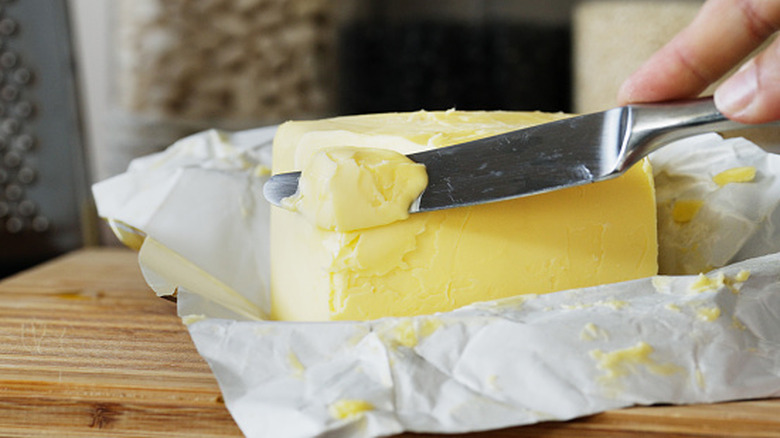
While McDonald's was taking steps to introduce more nutritionally robust options on its menu during the 2010s, it was simultaneously addressing the ingredients it used. In the first half of the decade, it announced it was stopping the purchase of chickens raised with human antibiotics for its food, as well as the use of milk from cows treated with human growth hormones. All of this was in pursuit of a healthier, cleaner image for its food — and when it stated it was replacing margarine with butter, it was a move that felt very much in line with this mindset.
As such, in 2015, real butter made its arrival. This move wasn't just a nutritional move: It was also one that gave customers more flavor. Butter has a smoother, creamier taste than margarine, and its introduction also indicated McDonald's was trying to give its customers the best-tasting McMuffins, bagels, and biscuits possible. It was a simple change, but it gave its menu a new lease of life.
McDonald's all-day breakfast changed the game in 2015
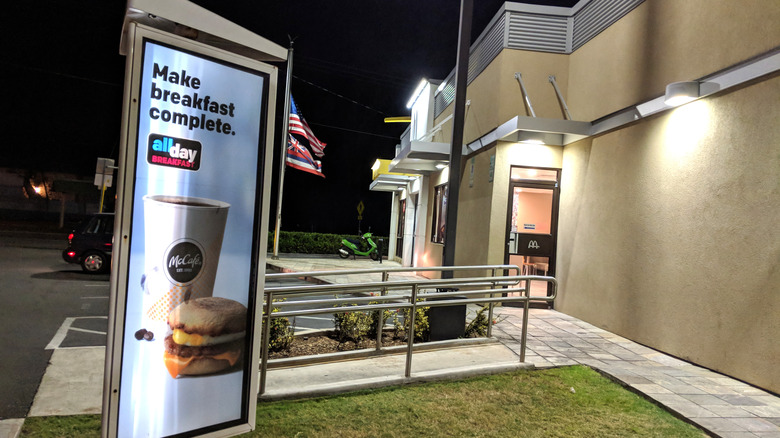
Arguably the most consequential of all the changes McDonald's has made to its breakfast offer, its all-day breakfast had been gestating for years. McDonald's had clearly recognized that customers were clamoring for its breakfast items beyond its morning cut-off point, and it got to work figuring out the logistics of how to incorporate cooking them into lunch and dinner services in its busy kitchens. McDonald's then tested its all-day breakfast menu in San Diego in April 2015, before launching it nationwide in early October of that year.
As one might expect, the response was huge. This was a major move for the chain, and both customers and employees voiced their excitement (and, in the case of the employees, their frustration), now McMuffins were on the menu whenever they wanted. McDonald's subsequently expanded its all-day breakfast menu in 2016, before refreshing it in 2019 and giving restaurants the ability to customize their offer for their customers. It seemed like all-day breakfast was here to stay: After all, how could they get rid of it, after making such a huge change?
And in 2020, the restaurant removed it

The COVID-19 pandemic changed everything, not least for restaurant chains. Suddenly, fast food, fast-casual, and fine dining establishments alike found themselves dealing with a sudden stop to footfall and impacted operations — and changes had to be made swiftly. The change McDonald's made, though, was somewhat unexpected. Just five years after it was launched, the chain announced it would be removing its all-day breakfast menu.
In a statement to press organizations such as CNBC, senior vice president of McDonald's U.S. operations Bill Garrett stated this move was made to "simplify operations in our kitchens and for our crew," and the chain would "... look to move back to our regular menu as soon as possible." However, it never did. In the years since it removed all-day breakfast for good, the narrative that it did so as a direct result of the pandemic has been questioned. Former McDonald's corporate chef Mike Haracz has claimed the chain knew its all-day breakfast was an issue long before COVID-19 hit, and it was causing operational issues in its kitchens. Regardless of why McDonald's got rid of all-day breakfast, people still miss it.
2020 also saw chicken arrive on the breakfast menu for the first time
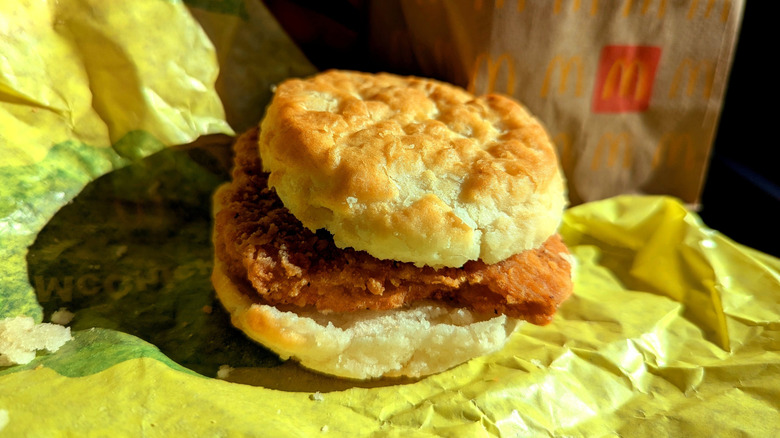
Move over sausage and bacon: There's a new breakfast meat in town. That meat is fried chicken. Well, it was back in 2020, when McDonald's elected to add chicken to its breakfast menu once more. Its decision to do so wasn't out of nowhere. In 2019 and 2020 the so-called Chicken Sandwich Wars reached a fever pitch. Virtually every fast-food chain in the country was vying to create the best chicken sandwich in a bid to compete with the likes of Chick-fil-A and Popeyes, the latter seeing a huge customer spike when it introduced its own version. McDonald's had previously launched a chicken biscuit back in 2008, but it hadn't stuck around for long.
In January 2020, though, McDonald's seized the moment and went all-in, adding McChicken Biscuits and Chicken McGriddles to its breakfast menu. The two items were received fairly warmly by customers: While the McChicken Biscuit was criticized by some for its dryness, others said it tasted excellent, and the Chicken McGriddle was praised more widely. However, McDonald's pivoted to a regional model for these menu items, with some customers reporting their local branches have stopped serving them. The chain still sees the value in introducing new chicken items on its breakfast menu — in July 2026, it launched its Honey Brown Butter Chicken Biscuit – but perhaps it's cooling off from the chicken wars of a few years previously.