

The 8 Biggest Costco Kirkland Signature Recalls In History
Every year, the Food and Drug Administration (FDA) works alongside companies to issue hundreds of recalls related to allergens, potential bacterial contamination, presence of foreign materials, and more, all in an effort to ensure the health and safety of consumers. Even with brands as large as Kirkland Signature, there are some recalls that will always haunt Costco. Since its inception in 1995, Kirkland Signature has been selling valuable products, some of which have even gained their own cult following (we're talking about you, rotisserie chicken). While the brand is beloved by members for providing high-quality products at reasonable prices, it's seen its fair share of major recalls throughout the years.
From pieces of plastic in Caesar salads and glass bottles that spontaneously shatter to bacteria contamination in meat and eggs, there have been some serious Kirkland recalls over the years. Some of these food hazards resulted in thousands of pounds of product being wiped from the shelves and even hospitalizations. We took a dive into Costco's history and found the eight biggest recalls on Kirkland Signature products.
Kirkland's organic strawberries were recalled for potential Hepatitis A contamination
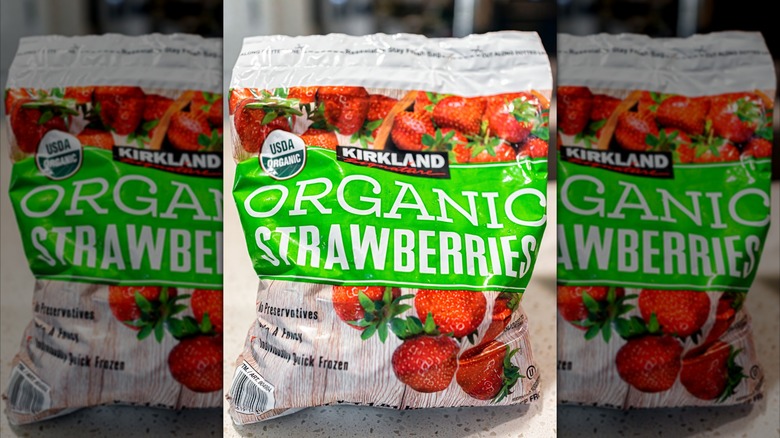
Kirkland Signature frozen organic strawberries sold in LA, Hawaii, and San Diego were recalled in 2023 when the FDA conducted an investigation of a hepatitis A outbreak and linked the foodborne illness to the product. The investigation revealed that the strawberries had come from farms in Baja California, Mexico, and were distributed by the company California Splendor to multiple Costco centers as well as other grocers, like Aldi and Trader Joe's.
There was no detection of hepatitis A on the actual Kirkland product, though customers were instructed to discard or return the product for a refund to avoid potentially becoming ill. Hepatitis A is a liver disease that can cause fatigue, pain in the abdomen, and jaundice. In extreme cases, it can result in liver failure. There were 10 cases of illness linked to this outbreak reported across California, Hawaii, Oregon, and Washington. Four people were hospitalized, but thankfully, no deaths were reported in connection with the outbreak, though it stands as one of Costco's biggest frozen food recalls of all time.
Nearly 1 million bottles of Prosecco were recalled after shattering glass bottles caused injury
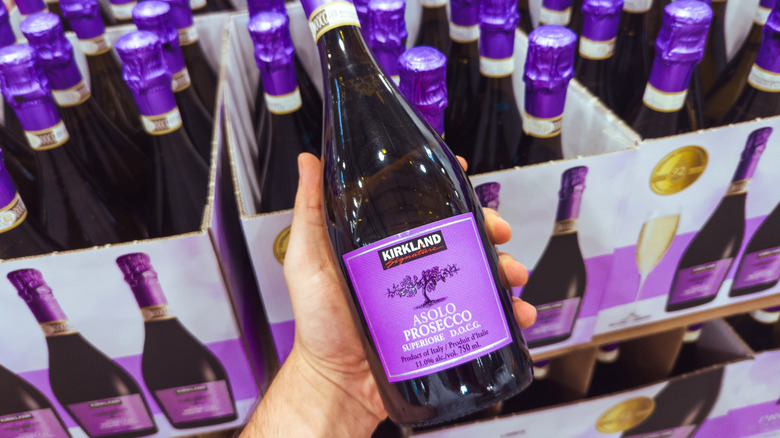
Food recalls aren't always issued due to food safety or allergen concerns — sometimes, they're issued because the actual product is a safety hazard. In an example of one of the worst recalls to hit Costco in 2025, the Consumer Product Safety Commission pulled the popular $8 Kirkland Signature Prosecco from the shelves due to injury risk from spontaneously shattering bottles. In a notice shared on its website, Costco writes: "There is a risk of unopened bottles shattering, even when not handled or in use." The notice also asked customers to dispose of the bottles rather than bringing them into the store due to the risk of injury.
F&F Fine Wines International Inc. received 10 reports of bottles unexpectedly shattering, and in one instance, the broken glass caused a laceration injury. The product had been distributed across 12 states, forcing Costco to recall nearly 1 million bottles of the Kirkland Prosecco, making it one of the largest recalls in Costco's history.
Organic pasture-raised eggs recalled from 25 Costco stores due to Salmonella contamination
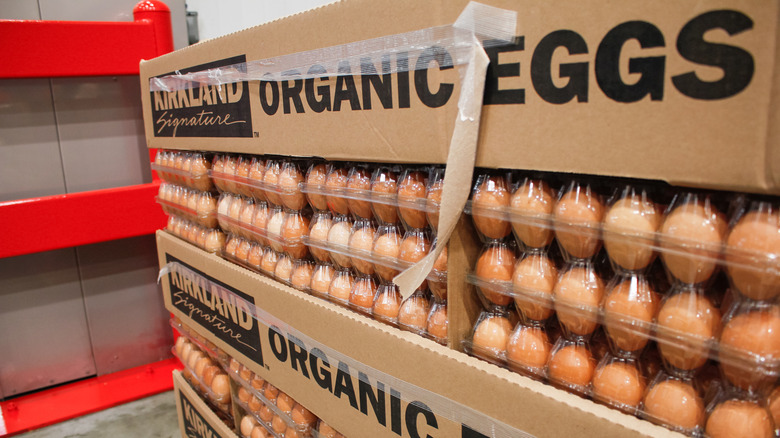
Lots of shoppers like to buy eggs at Costco because they're affordable and they come in bulk, which saves multiple trips to the grocery store. However, in 2024, Handsome Brook Farms issued a voluntary recall of its organic pasture-raised 24-count egg cartons, which are sold under the Kirkland Signature brand. It impacted 10,800 units of eggs and shoppers were encouraged to discard or return the product to avoid the spread of foodborne illness. The reason for the recall was potential salmonella contamination.
It was later categorized as a severe Class 1 recall by the FDA, meaning there is a reasonable probability that ingesting the product will result in adverse health effects. Per the FDA, "The recall was initiated after the company determined that eggs not intended for retail distribution were instead packaged and distributed in retail packaging."
Salmonella is a bacterial disease that attacks the intestines and often manifests in flu-like symptoms. Those who are exposed to it may experience nausea, vomiting, diarrhea, and fever. It's most often caused by ingesting undercooked poultry or eggs.
Caesar salad and chicken sandwich prepared meals recalled for plastic contamination
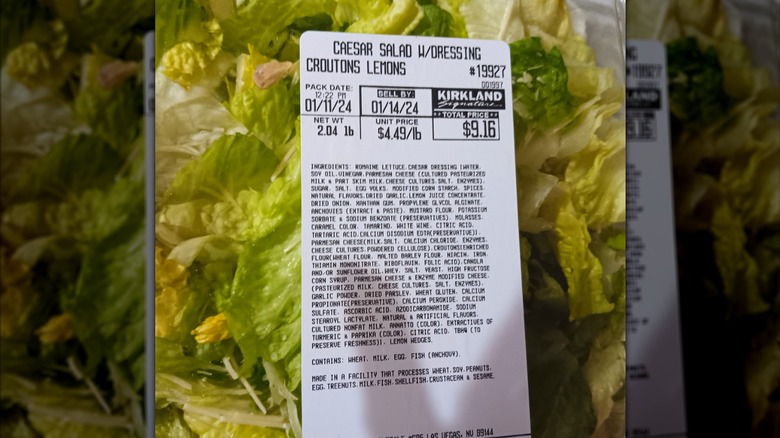
It's hard for most shoppers to resist stopping by the prepared foods section of Costco. The aisle is lined with tons of tasty convenient meals spanning street taco kits to stuffed bell peppers to wraps, and of course, the ever popular Caesar salad. The chopped romaine and crispy croutons add a welcome crunch to this delicious salad, but what you don't expect to bite into is a piece of plastic. In November 2025, Costco worked with Ventura Foods, who makes the product, to issue a recall over concerns of plastic foreign material.
It was not the salad itself, but the salad dressing that had potential plastic contamination. However, because the dressing packets came inside of the plastic salad package, the entire product was impacted. The recall affected the Kirkland Caesar salad (not to be confused with the bagged Caesar salad sold in the produce section) as well as the chicken sandwich with Caesar salad at Costco stores in the Midwest, Northeast, and Southeast. Costco asked customers to either dispose of or return the item for a full refund.
80,000 pounds of butter recalled in Texas for failing to declare milk as an ingredient
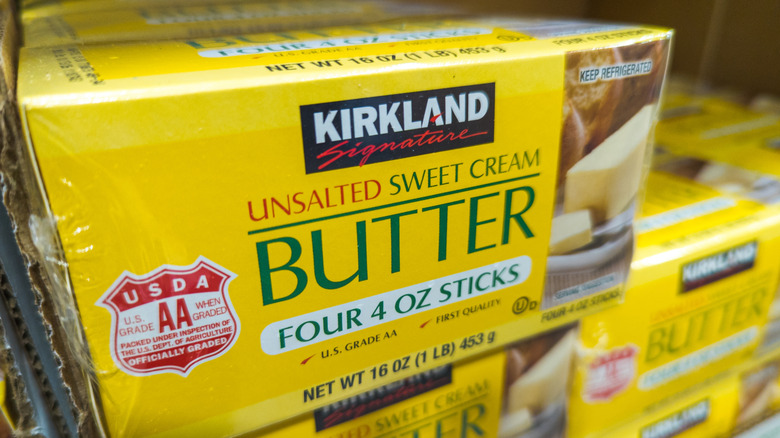
Costco recalled a whopping 80,000 pounds of its store-brand butter after failing to declare what many shoppers felt was an oblivious ingredient: milk. Undeclared allergens are often recalled due to the potential for severe and potentially life-threatening allergic reactions, so when it was discovered that the unsalted and salted sweet cream butter was missing the "contains milk" statement on the label, it was wiped from shelves to protect consumer health.
People took to social media with mixed reactions to the recall. Some customers felt that since butter is a dairy product it should be obvious that it contains milk. They felt the recall was a bit of an overexaggeration, especially considering the product did list cream as an ingredient. One commenter on X (formerly known as Twitter) reacted to the announcement with, "Next they'll recall beef that might contain cow."
E. coli outbreak linked to Costco rotisserie chicken salad
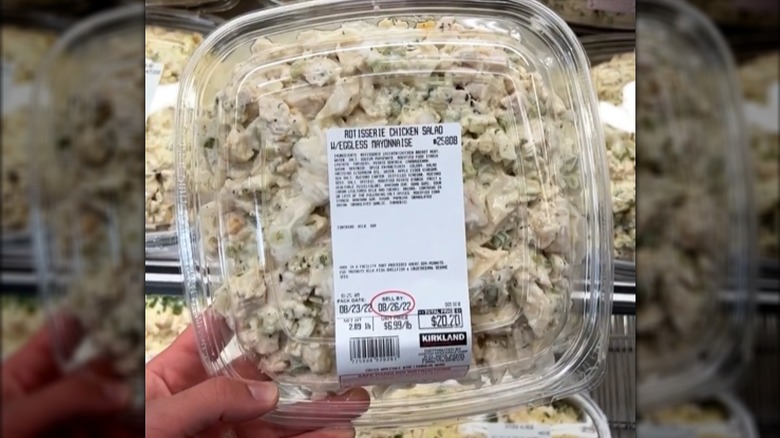
The Kirkland Signature chicken salad – made with Costco's timeless fan-favorite rotisserie chicken – has been hailed as one of the most popular Kirkland Signature products of all time, but it was at the center of a serious recall in 2015. The FDA found traces of the bacteria E. coli in the diced celery and onion blend that comes in the product. The diced veggies came from a company called Taylor Farms Pacific Inc., which voluntarily recalled all products made with the celery and onion blend out of an abundance of caution for public health.
E. coli infection can cause diarrhea, urinary tract infections, pneumonia, and in more serious cases, sepsis and kidney failure. People at higher risk are children, older adults, and those with weakened immune systems. In this case, there were 19 cases of infection across seven states. Of the 19 infected, five were hospitalized, and two suffered from kidney failure. Thankfully, no deaths were reported.
More than 170,000 pounds of beef patties were involved in the first recall in Kirkland's history
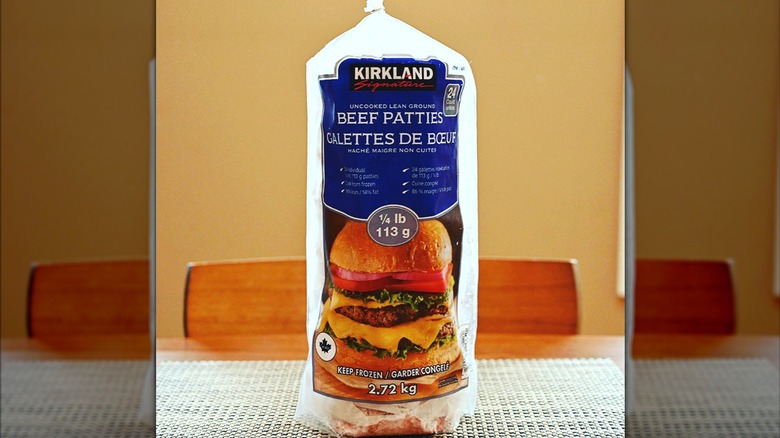
Kirkland Signature launched in 1995, and just three years later, in 1998, one of its products was involved in a massive recall that sparked controversy. The incident is regarded as the first time Costco recalled one of its own products. Costco recalled over 170,000 pounds of frozen ground beef patties sold to stores in almost half of the country due to potential E. coli contamination. The store explained that there had been a report of illness from a woman who ate the burger at a barbecue.
However, after seven other individuals who ate the same patties did not fall ill, and Costco found no traces of the bacteria in the laboratory tests it performed, the USDA speculated that the woman may not have properly washed her hands after handling the raw meat, and that this was the reason she fell ill. Regardless, Costco offered full refunds on the two product lines that were involved, even if the packages had already been opened.
More than 3,000 pounds of ready-to-eat ahi tuna poke were recalled due to a listeria risk
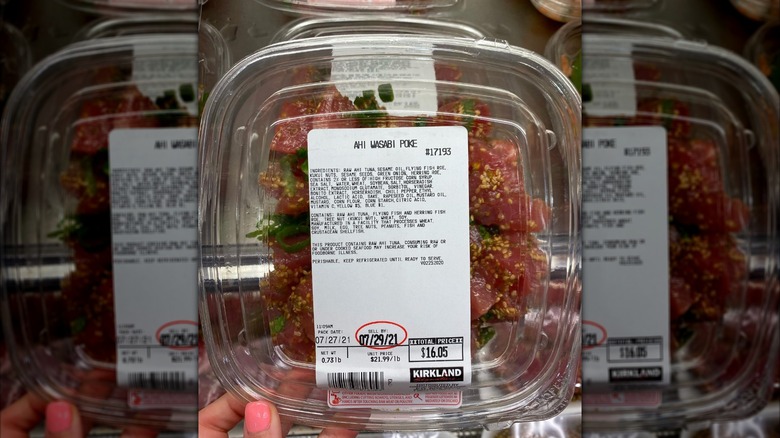
Seafood can be recalled for several reasons, including bacteria contamination, improper storage, contamination, and undeclared allergens. However, in the case of the ahi tuna poke from Costco, it was not the fish, but the green onions that were contaminated, according to the supplier. The Kirkland Signature ready-to-eat ahi tuna wasabi poke served in the prepared foods section of Costco was recalled in 2025 due to potential listeria contamination in the green onions that come in the meal.
More than 3,000 pounds of the product were impacted by the recall due to potential health risks. Listeria can cause upset stomach and vomiting as well as flu-like symptoms and fever, with symptoms typically developing within two weeks of eating the contaminated food. The bacteria can cause more serious complications in pregnant women. Thankfully, no illnesses were reported in relation to the contamination.