

10 Depression-Era Desserts That Aren't As Popular As They Used To Be
We may receive a commission on purchases made from links.
In today's economy, we're used to grocery prices steadily rising, contributing to economic hardship. During The Great Depression, however, it wasn't that food became more expensive (in fact food prices dropped dramatically during this period), but rather unemployment rates were so high and wages so low, people could no longer afford most foods. The Dust Bowl of this decade also eventually led to crop failure and scarcity of food in certain areas, causing even more hardship. For many, even once-affordable groceries became unaffordable to the unemployed and under-employed, forcing families to make the most of what they had easy access to.
We can learn a lot from our Depression-era ancestors about how to make the most of what we have on hand. There were many foods that made their mark during the Great Depression. Desperate times can often lead to innovative recipes that are no less delicious for being simple. In fact, sometimes it's the simplest things that are the best, and desserts from this time period definitely prove that. Though most of these desserts are rarely eaten anymore, they're worth revisiting, especially considering the rising prices of many grocery items today.
Wacky cake
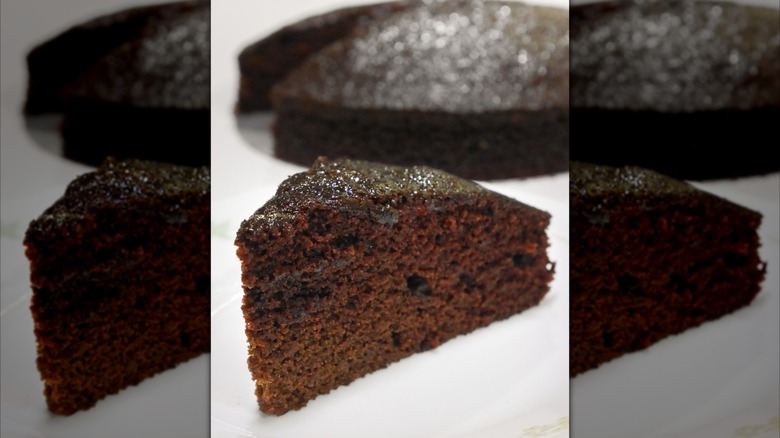
During the Great Depression, eggs, butter, and milk were too pricey for many households. Products like vegetable oil, margarine, and mayonnaise were much more affordable substitutes, hence their prevalence in a lot of 1930s recipes. Without the key baking ingredients, home bakers had to get creative, and the Wacky Cake is a great example of this ingenuity.
Wacky Cake is unique because it's made with only a few simple ingredients: flour, sugar, cocoa powder, vanilla extract, vegetable oil, water, baking soda, and vinegar. The vinegar and baking soda is what allows the cake to rise and makes it fluffy, the way eggs would in traditional recipes. Due to its absence of animal products, this cake is also incidentally a vintage vegan cake. While some choose to top it with frosting or whipped cream, serving it without icing or with a dusting of powdered sugar will keep it true to its humble origins. The result is a light, fluffy cake that will easily fulfill a chocolate craving without breaking the bank.
Poor man's cake
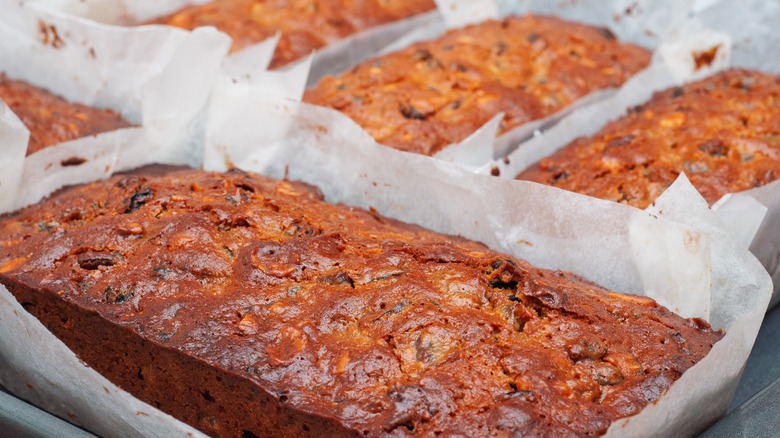
Poor man's cake, sometimes called Depression cake or poor man's fruitcake, is another butterless, milkless, and eggless dessert from the Depression era. Unlike wacky cake, this one has a spicy and fruity flavor profile, making it an apt holiday sweet treat. Christmastime during the Great Depression was bleak for many families, but many clung to yuletide comforts in imaginative ways. The rich candied fruit and toasted nut cakes of earlier, more affluent holiday seasons were no longer possible at an affordable price. However, the nostalgia of these holiday flavors could be replicated on a budget with dried fruits like raisins and whatever warming spices one might have on hand like nutmeg, cinnamon, and cloves.
Recipes for this cake vary slightly, but typically include all-purpose flour, brown sugar, raisins, salt, spices, baking soda, and some form of fat. Traditionally, lard was used as the fat replacement for butter, but you could easily make this into a vegan cake by swapping out the lard for vegetable shortening or coconut oil.
Mock apple pie
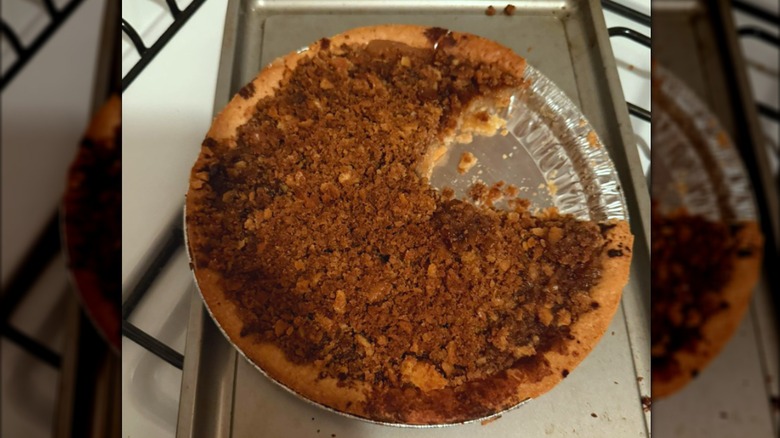
While it may seem improbable to create an apple pie with anything other than apples, it turns out that people have been using an unlikely ingredient — crackers — to imitate the fruit filling for centuries. The concept of a mock apple pie dates back to the 1800s. This invention was born from times when apples were out of season or hard to come by — or maybe some folks just had stale crackers that they couldn't afford to let go to waste. Unsurprisingly, the recipe became popular during the hard times of the 1930s. Most mock apple pie recipes create the filling by boiling the crackers in water, sugar, cream of tartar, lemon zest, and a generous amount of cinnamon. Strangely, with the right spices and the right amount of acidity, the mind is fooled into thinking boiled cracker mush is a delicious apple filling.
At some point in this decade, Nabisco took the opportunity to reinvent the folk hero mock apple pie by creating a recipe using its brand of buttery crackers, Ritz, and printing it on the back of the boxes. The pie is now commonly associated with the brand, though other crackers, like saltines, work just as well.
Water pie
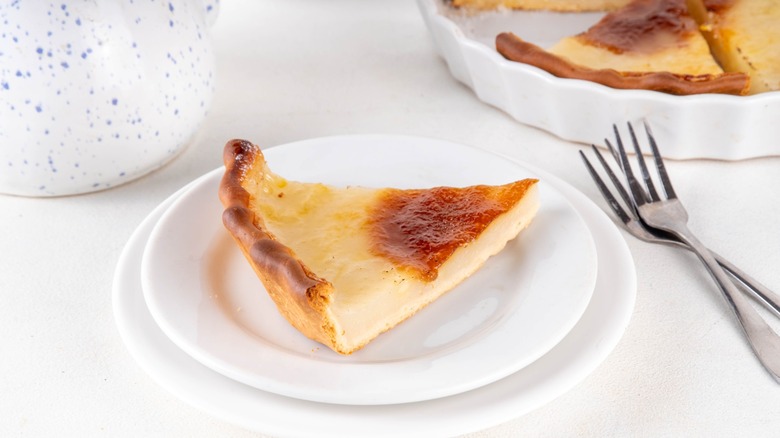
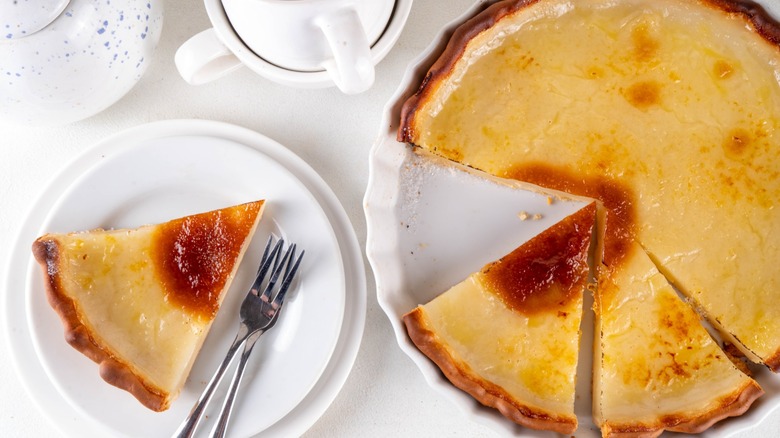
Perhaps there is no Depression-era dessert with a more depressing name than water pie. The moniker screams desperation, hard times, and making do with what one has. But the result of a water pie is actually surprisingly tasty, according to many Reddit users. Not a lot goes into the filling, just some water (of course), plus flour, sugar, butter, and vanilla (if you had some, that is). It's then baked and chilled until — voila! You end up with a custard-like, syrupy-sweet pie.
While water pie is now thought of as a quintessential Great Depression dessert, it was actually invented before the 1930s. Similar recipes started to appear in newspapers in the 1800s as an alternative to custard pie when milk was unavailable. However, in times of scarcity and hardship, desserts like water pie tend to make a reappearance. In the 1930s, it was a simple, sweet treat that could be enjoyed by struggling households of the time. Even today, it can be enjoyed as an easy and inexpensive alternative to pies that use more costly ingredients.
Tomato soup cake
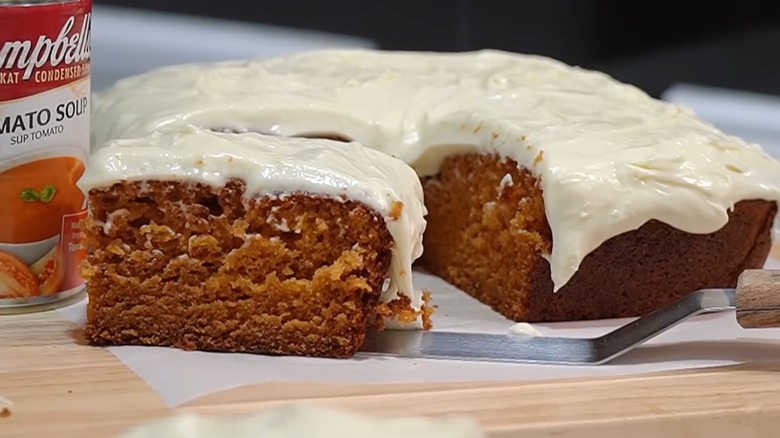
At first glance, a cake recipe that includes a can of tomato soup might seem unsavory, but if you think of it like carrot cake or zucchini bread, then it becomes a more agreeable idea. In fact, tomato soup cake (also known as magic cake) — if done with the right spices — is actually quite delicious, according to many retro cake enthusiasts on Reddit. The can of condensed tomato soup acted as a shortcut for moistness in this magic cake. The soup's gelatinized starch from thickeners and pectin from tomatoes are a recipe for maximum moisture, which is then transferred to the cake's batter.
Unsurprisingly, this thrifty cake rose to popularity during the 1930s for its ingenious and affordable yet unique ingredients. Campbell's cashed in on the idea, marketing its own recipe of the classic dessert. Eventually, however, this dish fell out of fashion. But perhaps it's time to reconnect with the era of our grandparents and bring back this unconventional moist, spiced cake to shake up a boring dessert spread.
Chocolate mayonnaise cake
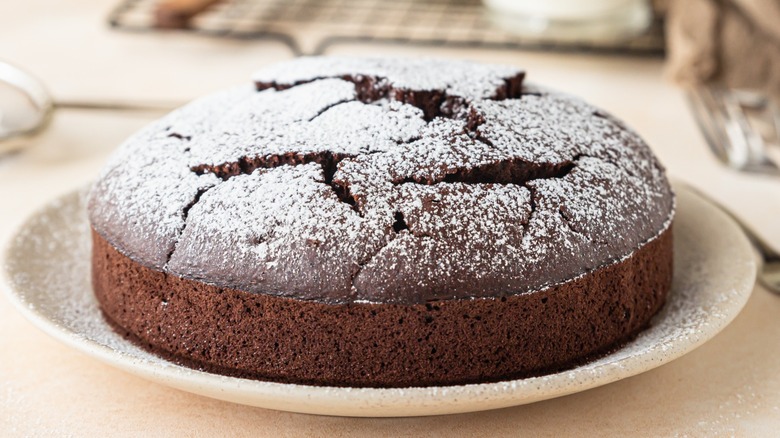
Mayonnaise in cake doesn't sound particularly appetizing, but break it down, and a homemade mayonnaise recipe is really nothing more than eggs, oil, and acid — all ingredients that are essential in baking. As we've already noted, many families could not afford fresh eggs and milk during the Great Depression. If a baker found themselves in troubled times and happened to have some mayonnaise on hand, then the thought must have occurred: "Why not?" And indeed, the addition of mayonnaise in a chocolate cake works surprisingly well.
According to an old clipping in a Depression-era cookbook found by a Reddit user, the cake used minimal ingredients, including mayonnaise, sugar, cocoa powder, flour, baking powder, and vanilla. The result is a moist and chocolatey cake that's easy and affordable to assemble. The comments on the Reddit post are full of favorable memories of similar cakes and praise for how delicious and nostalgic the flavor is. Arguably, it's an old-school chocolate dessert that should be more popular.
Rhubarb desserts beyond pie
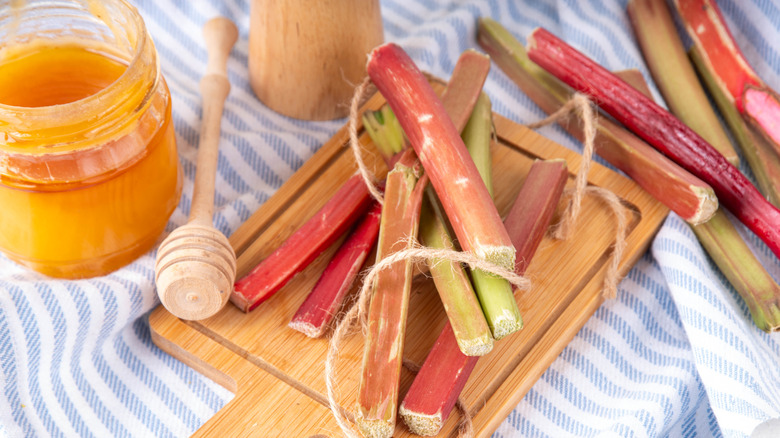
Although rhubarb pie is still a popular dessert, rhubarb itself seems like an old-fashioned food. Perhaps that's because it was so prevalent during the 1930s. And rarely do you find it in other types of desserts today. Rhubarb is a unique, resilient plant that can grow in harsh conditions, like droughts, making it an important food source during hard times. In its raw form, rhubarb has a very tart flavor. But combined with sugar in desserts, it becomes much more palatable, and even enjoyable. During the Great Depression, desserts in particular became a popular way to enjoy the distinct vegetable.
When drought took hold of the prairies, it was widely encouraged to make use of rhubarb. A writer in a 1938 edition of The Western Producer suggested thinking beyond simple stewed rhubarb and try using it in desserts, like steamed rhubarb bread pudding. In "Depression Era Recipes" by Patricia Wagner, several rhubarb desserts are mentioned, including the classic rhubarb pie, scalloped rhubarb, rhubarb pudding, and a recipe simply called "rhubarb dessert."
Icebox fruitcake
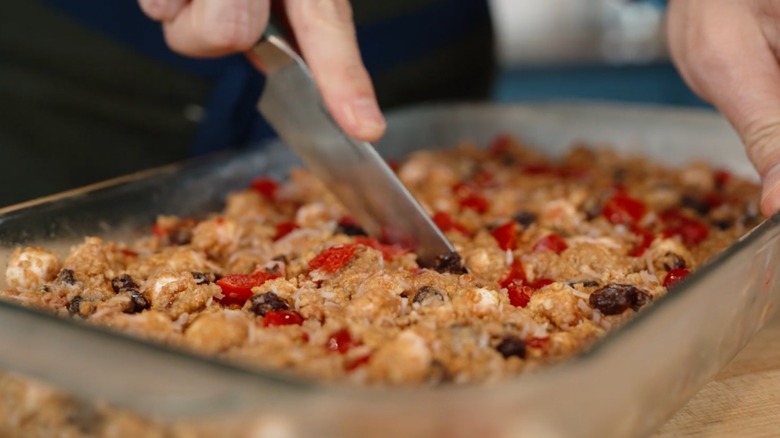
An icebox fruitcake is any no-bake cake that spends time chilling in the fridge — meaning no heating up an oven on a hot summer's day. These were especially tasty, refreshing treats in the days before air conditioning. Refrigerators were an important tool for preserving food during the Great Depression, when ingredients needed to be stretched as much as possible. Icebox fruitcakes were also popular during the era (along with a variety of easy-to-make icebox cakes), for being an economical and simple concoction made from pantry staples like crackers and dried fruit that could last in the refrigerator for days.
"Stories and Recipes of the Great Depression of the 1930s" by Rita Van Amber describes an unbaked fruitcake composed of crushed graham crackers, dates, marshmallows, orange gum drops, chopped nuts, sugar, and whipped cream that's then aged in the refrigerator. This recipe is akin to a traditional Southern icebox fruitcake, which typically includes similar ingredients, plus the addition of sweetened condensed milk to act as a sort of glue to hold it all together.
Cornstarch pudding
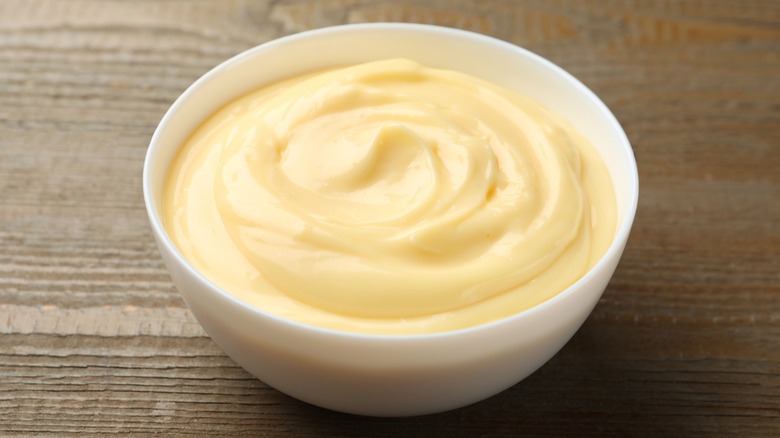
In a list composed entirely of simple, minimalistic desserts, cornstarch pudding may just take the cake for the most simplistic of them all. When you've got a bare bones pantry — like many people did during The Great Depression — rest assured that pudding can most likely be made. But unlike other vintage puddings, like hasty pudding (which was Eleanor Roosevelt's favorite dessert), cornstarch pudding doesn't require eggs.
To make cornstarch pudding, one would only technically need cornstarch, sugar, and water. The mixture was cooked by slowly pouring boiling water into the cornstarch and sugar mixture and continuing to boil until thickened. If you happened to have milk on hand, then you could swap water out for a creamier upgrade. If you were to make the cornstarch pudding recipe from the book "Stories and Recipes of the Great Depression of the 1930s" by Rita Van Amber, you'd likely notice that the end result is delicious with a light, thick texture. Think of it as a poor man's panna cotta.
Potato Candy
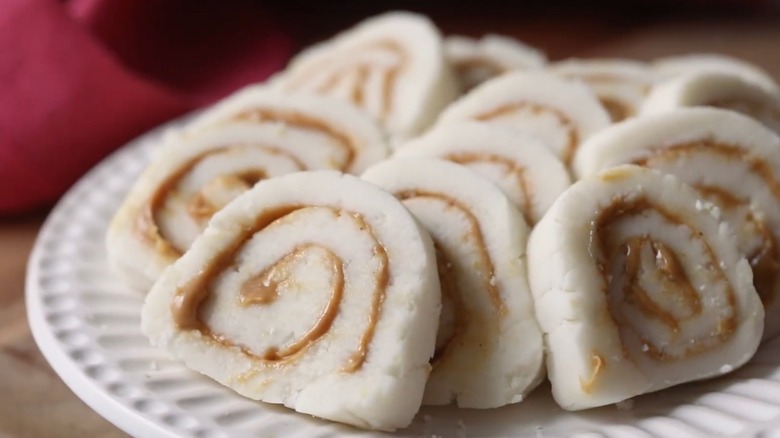
Potatoes are the last thing you'd expect to find in a candy, but this old-fashioned dessert defies expectations and combines unconventional ingredients to create a truly unique sweet treat. This candy is a no-bake dessert made with very few ingredients, the most prominent one being cold mashed potatoes. Potatoes were a staple Depression-era food thanks to their starchy heartiness, helping hungry people impacted by the economic conditions of the time feel full. The vegetable is extremely versatile and useful for leveling up soups and stews — or creating something to satisfying a sweets craving.
Not to be confused with Irish potato candy, Depression-era potato candy was particularly popular in the Southern United States. The candy is made by creating a dough with cold mashed potatoes, milk, vanilla extract, salt, and powdered sugar. Then the dough is rolled out and peanut butter is spread throughout. Lastly, the dough is rolled and sliced. The result is a batch of pinwheel candies that are worth a try the next time you have some leftover mashed potatoes lying around the fridge.