

Treasures Of '70s Kitchens We Rarely See Anymore
We may receive a commission on purchases made from links.
If you grew up in the 1970s, you likely have a lot of nostalgia for some of the foods of the decade. Old-school desserts people loved to eat in the '70s (like trifle and Black Forest cake) have generally fallen out of favor but experience a resurgence every now and then. The same can be said for mostly forgotten casseroles from the '70s that still taste amazing, such as Doritos nacho casserole and King Ranch chicken casserole. However, it's the kitchen gadgets and designs that often spark the strongest memories.
From everyday staples (like bread boxes and colorful enamel cookware) to handy electric appliances (such as electric knives and hot-air popcorn poppers), these '70s treasures stir sentiment in those who lived through the era and curiosity in younger generations. They may not be widely found in households anymore (even those iconic avocado green and harvest gold appliances), but they're loved so much that they're still used in some kitchens today. Curiosity piqued? Take a look at these 10 gems from the '70s that your kitchen might be missing.
Jell-O molds
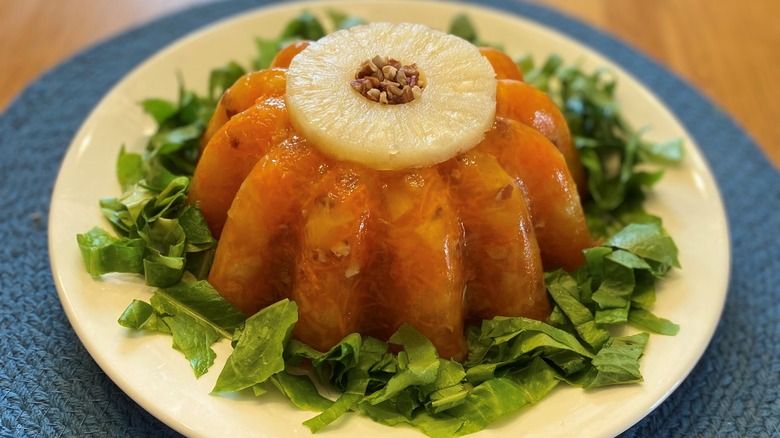
The popularity of Jell-O peaked in the mid-1900s, and during that time, molds were used to turn the gelatin into fancy-looking foods of all kinds — from sweet to savory. The molds were traditionally like bundt pans with hollowed-out centers. Every once in a while, though, Jell-O molds are pulled out for special occasions — such as Thanksgiving, when they may replace gelled cranberry sauce.
You're in luck if you want to use this retro kitchen tool because you can use a simple metal or non-stick bundt pan. Modern molds are also available and come in all kinds of designs and sizes, like this Fun World mold on Amazon that shapes the gelatin into a real-looking heart, making it great for a Halloween party. If you have trouble removing stubborn Jell-O from its mold, just let it rest in some warm water for up to one minute to keep the outer design from breaking.
Bread boxes
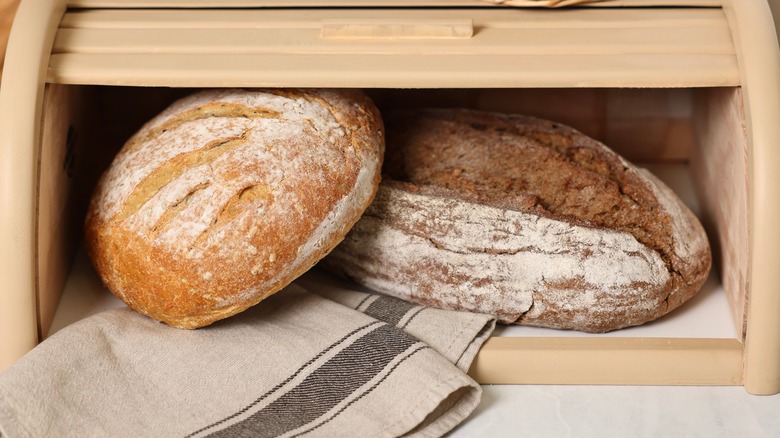
Popular while baby boomers were growing up, bread boxes were a prominent feature on kitchen countertops and used to keep bread from spoiling. That's because bread doesn't stay fresh when it's sealed in a paper or plastic bag. Plus, many bread boxes were used for more than just bread, including cookies and snack cakes.
Today, bread boxes aren't commonly seen in kitchens, especially when countertop space is minimal. You're actually more likely to see them in the United Kingdom, where they're referred to as bread bins instead, and in period films or television shows. However, some Americans still prefer to store their bread and baked goods this way.
If you want to see for yourself how beneficial a bread box can be, consider getting one like the YAMAZAKI modern wood bread storage container on Amazon. Just keep in mind that proper ventilation is the vital feature to check for before buying a bread box because the airflow prevents the buildup of condensation that can encourage mold growth.
Recipe card boxes
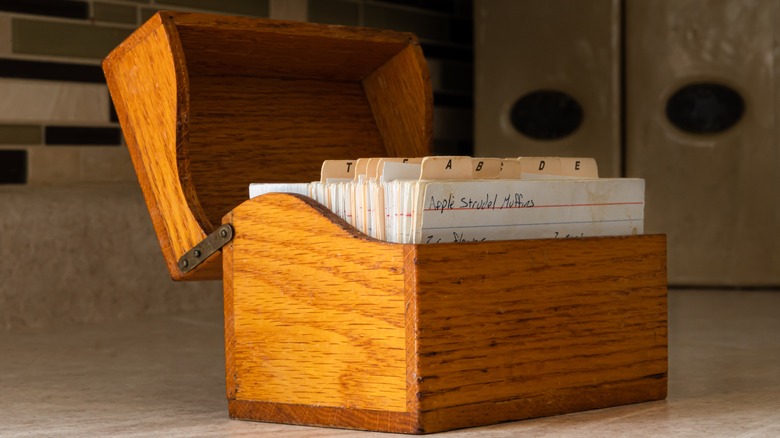
If you spent time in the kitchen baking with your grandmother, you might remember making recipes that were written on cards and stored in a dedicated box. Recipe card boxes were so popular during the '70s that a few different Betty Crocker versions were available throughout the decade and are coveted today by those who remember them.
So, this thing boomers still have in their kitchens is about much more than just stowing away recipes for future use. They're passed down through generations of families, and they carry fond memories with them and represent the preservation of love and wisdom, especially in the South. However, this method of recipe recording has largely been replaced with digital storage methods.
If the thought of having your own recipe card box evokes such feelings for you and you don't already have one, though, you can start your own to hand down to future family members. The OUTSHINE wooden recipe box with cards and dividers on Amazon is a cute option and makes a great gift.
CorningWare baking dishes
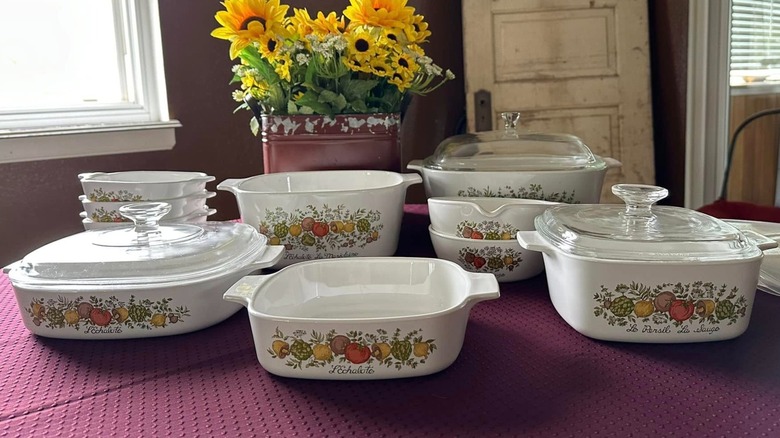
Hitting store shelves in the '50s, CorningWare baking dishes quickly became popular in kitchens, seemingly hitting a peak through the '70s. Its first and most common pattern was the Blue Cornflower, which was featured on Pyroceram (white glass-ceramic) ovenware from about 1958 to 1988. The Spice O' Life (aka French Spice), which features images of vegetables in earth tones, was also one of CorningWare's most produced designs between around 1972 and 1987. Alongside these, the brand made baking dishes in Blue Heather, Nature's Bounty, and Floral Bouquet through the decade.
These decorative CorningWare dishes not only began to decline in popularity but also disappeared from store shelves when Pyroceram manufacturing stopped in 2000 after the brand changed ownership. In 2018, a 60th Anniversary line of the Blue Cornflower cookware pattern returned, but was made of stoneware rather than the beloved Pyroceram. Perhaps that's what sparked a resurgence in the vintage pieces on the collectibles market. If you're searching for them because of the memories you have of cooking in your mother's or grandmother's kitchen, keep in mind that prices for a single piece online can range from $50 to $500.
Patterned pots and pans
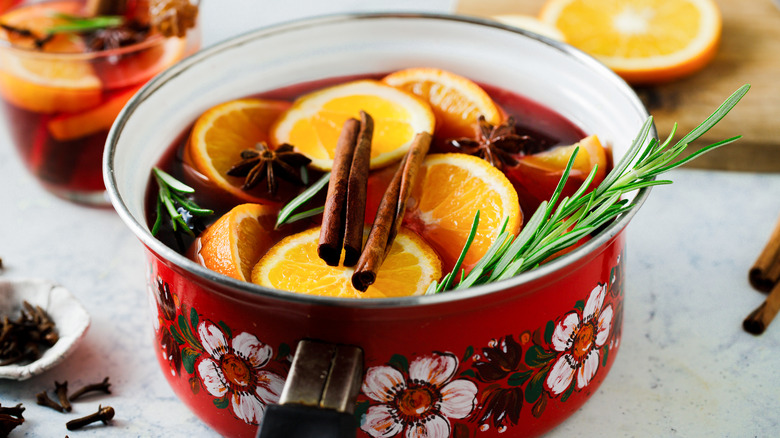
By the '70s, homemakers were no longer content with the plain copper or stainless pots and pans in their kitchens. They wanted style, and bold colors and patterns became all the rage. Available in printed porcelain and enamel finishes featuring designs in everything from florals and birds to foods and geometric shapes, cookware was more than just a practical kitchen tool; it was an aesthetic statement piece.
Eventually, this trend died down, but has seen a relatively small revival over the last 10 years. It's not quite the same, but the Pioneer Woman is known for her bold, patterned designs and has continued to offer a cookware line at Walmart for cheap since 2015. The Classic Ceramic Breezy Blossom Cookware Set is a good example, giving nostalgic cooks the opportunity to bring that same bright '70s style into their kitchens today. In addition to pots and pans, the Pioneer Woman line of kitchenware features items like the Fancy Flourish Melamine Mixing Bowl Set and the Vintage Floral Dinnerware Set in teal or red.
Avocado green and harvest yellow appliances
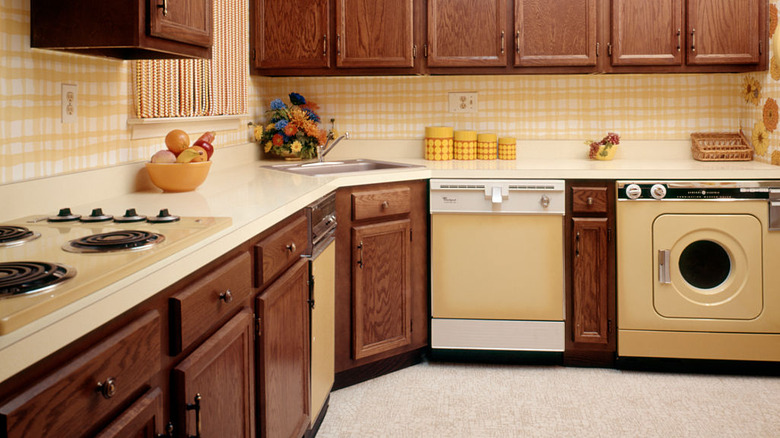
Colorful cookware wasn't the only bold choice that homemakers welcomed into their kitchens in the '70s. The decade was known for its avocado green and harvest gold color palette, which was used for walls, cabinets, and even furniture. On appliances, it wasn't restricted to just hand mixers, crockpots, coffee makers, and blenders either. Major appliances like refrigerators, ovens, stoves, and dishwashers were clad in these colors, too. Where lower cabinets and major appliances were the same color to create a streamlined look, wood-looking countertops and upper cabinets were used for a two-tone design.
By the '90s, the trend changed in favor of neutrals and stainless steel, but colored appliances are a vintage kitchen decor trend from the '70s that's been coming back around since the 2000s. Avocado green-like colors are showing up on small kitchen appliances again, but they're not quite the same. You may also see it in backsplashes and on cabinet fronts, alongside hues of burnt orange, chocolate brown, deep plum, and mustard yellow. Plus, many appliances are available in reds, blues, oranges, and other colors, such as the KitchenAid Artisan Series 5 Quart Tilt-Head Stand Mixer, or with limited-edition designs, like the Uncanny Brands Wicked Slow Cooker on Amazon.
Fondue sets
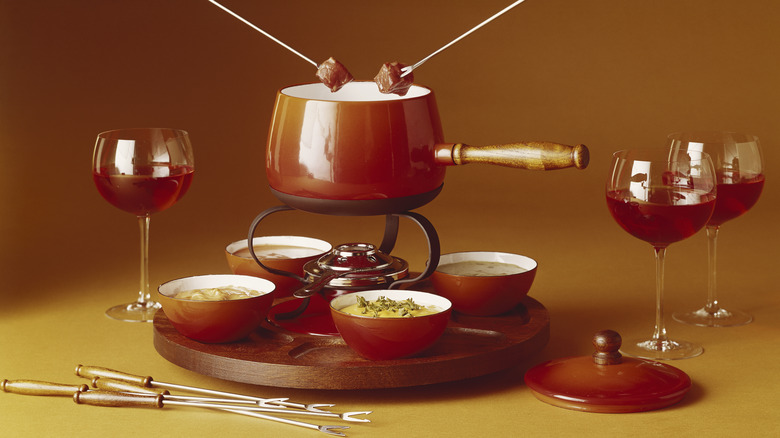
Fondue is a Swiss/French dish that was starting to catch on in the United States around the mid-1950s, but it didn't become all the rage until after it was presented at the 1964 World's Fair in New York. As a trendy party idea during the '70s, a fondue pot became a staple in kitchens across the country. Households regularly brought it out when family members and friends would visit or when they had cocktail parties, which were also at their peak of popularity during the decade. Since then, the craze has gone through ups and downs.
Fondue sets may not be as widely found in kitchens today as they once were, but they can deliver a fun experience for all kinds of occasions. To throw the ultimate '70s fondue party like a blast from the past, consider grabbing the Cuisinart 3-Quart Fondue Pot Set on Amazon. It doesn't have a bold color like those from the decade, but it's highly rated, comes with eight forks, and has a nonstick interior that's suitable for keeping cheeses and chocolates melty for dipping all kinds of foods — from bread and meats to fruits and vegetables.
Electric carving knives
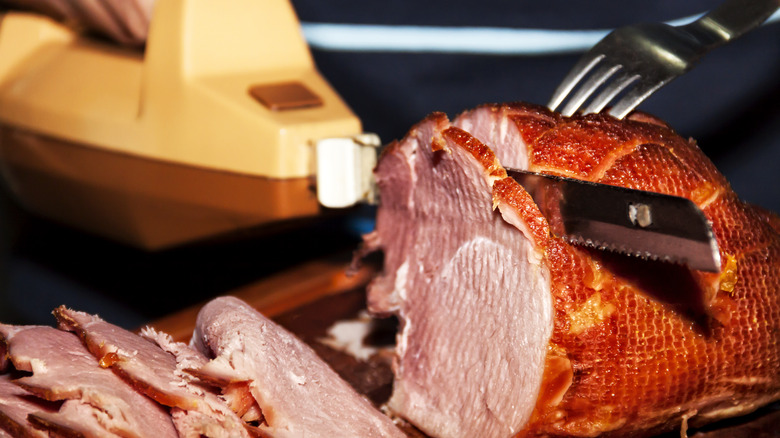
Patented by Jerome L. Murray in 1964 and introduced soon after by General Electric, the electric carving knife grew in popularity throughout the next decade. Black & Decker and KitchenAid offered their own versions, too, some of which donned the infamous harvest gold and avocado green colors. According to Food & Wine, about 33% of households had motorized cutlery by 1971. While women were the target market, giving them a way to save time and energy in the kitchen, the electric knife was originally created for men.
However, they've slowly fallen out of favor as a kitchen staple since then. Many people dislike electric knives because they aren't the best option for slicing through cartilage, which is better suited for a chef's knife. Also, the serrated blades and vibration create splatter and noise, making them inconvenient for using at the table. Despite that, some people think that electric knives are one of the best tools invented, partially because of fond memories of their grandfathers or fathers using them to carve turkeys and many other meats. Because of that, brands like Hamilton Beach still make them, and they're available on Amazon and in retail stores.
Electric can openers
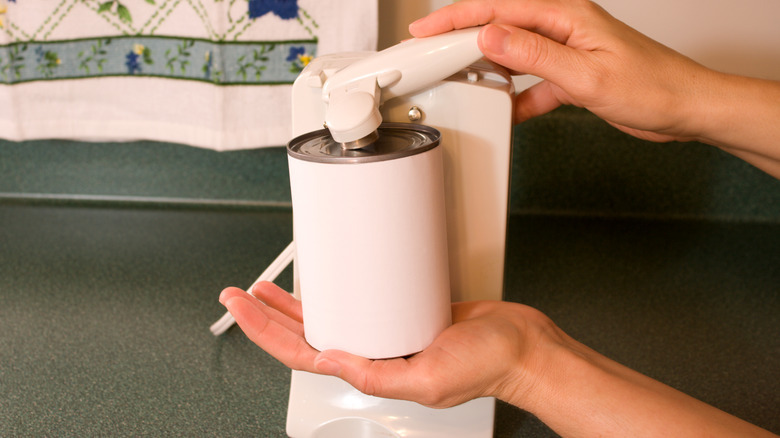
Since can openers were first made for residential use in the 1860s, they've become a kitchen staple. It wasn't until the '50s that freestanding electric can openers were introduced, though, and they only grew in popularity through the '70s and '80s. Again, these small appliances were available in the decade's iconic avocado green and other colors, making them even more enticing to homemakers.
There are several reasons, though, why freestanding electric can openers dwindled in households over the years. One problem is that many of them were simply unreliable, working only a few times before breaking down. Even when the appliances were reliable, they weren't (and still aren't) suitable for irregularly sized cans. Many people also started ditching them because of the extra counter space that they require. Plus, can openers can get surprisingly dirty, and the electric variants are more difficult to clean than manual ones.
They may no longer be widely used, but there's still a market for electric can openers, particularly for people who have arthritis. If you really need or want one, the Hamilton Beach Smooth Edge Electric Automatic Can Opener on Amazon looks like a reliable option.
Air-pop popcorn machines
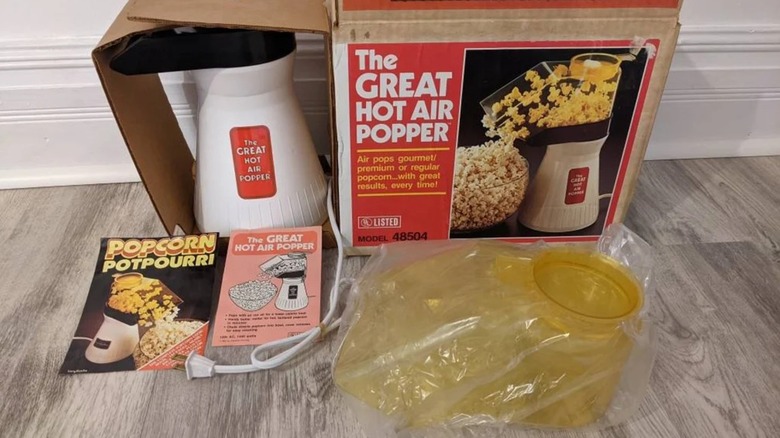
Enjoying popcorn at home was a big deal in the '70s, and the first air-pop machines emerged late in the decade. They became such a hot new invention because they only use hot air to pop the corn kernels. Since they didn't require oil, the resulting popcorn had fewer calories and produced a lot less mess to clean up afterward — although some machines had butter-melting wells for those who didn't mind the extra calories. There's some uncertainty about which hot air popper came out first because Wear-Ever and Presto both released their own versions in 1978. However, Hamilton Beach Brands' patent was filed first by Wear Ever Aluminum, and its advertisements started appearing in newspapers earlier, too.
Various air-pop machines emerged through the early '80s, but when the first microwavable popcorn was introduced by ConAgra's Orville Redenbacher (a Hunt-Wesson company at the time) in 1983, they began to disappear from household kitchens. Consumer preference for microwave popcorn has continued because of its convenience, and modern microwaves have a dedicated button for it. Despite that, there are health concerns surrounding the additives in the microwavable bags, which is why some people still use hot air poppers. If you prefer to eliminate some of those unknowns, a couple of the best popcorn poppers on Amazon are the Presto 04811 PopLite My Munch Hot Air Popcorn Popper and Original Salbree Microwave Popcorn Popper Machine.