

10 Retro Drinking Habits Younger Generations Don't Understand
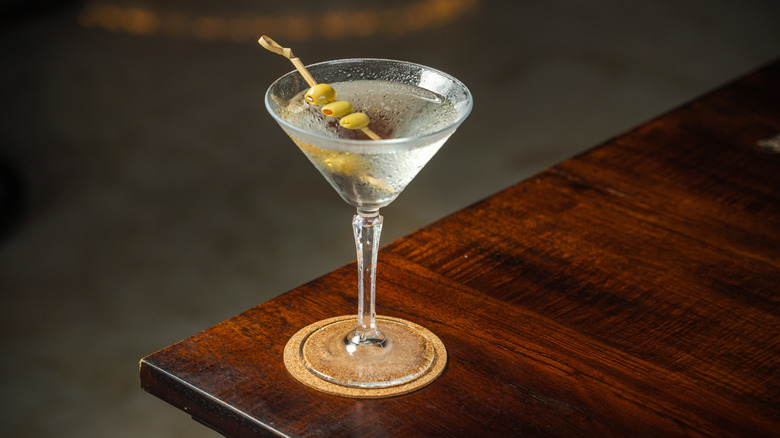
Is retro-style drinking back? A lot of people certainly think so. Nostalgia is always in fashion, and from where we're sitting in the 2020s (at the time of this writing), retro cocktails and drinking equipment can suddenly feel very fashionable. Opting for a Grasshopper or a Pink Lady has an air of old-school coolness that a margarita doesn't quite match, and you can be the envy of all your friends as you explain the virtues of a vivid green beverage made from crème de menthe, crème de cacao, and heavy cream.
What are perhaps less cool, though, are retro drinking habits. The way older generations used to drink these old-school cocktails, with a tendency to knock them back at the end of every hard day at work — or during the day — can now feel alien to younger people who are more used to occasional, moderate drinking. Furthermore, certain items, like hip flasks and port sippers, may have once been popular, but they now feel like they're from another time entirely. Let's break down how people used to drink, how they drink now, and the differences between the two.
Having an alcoholic drink at the end of every workday
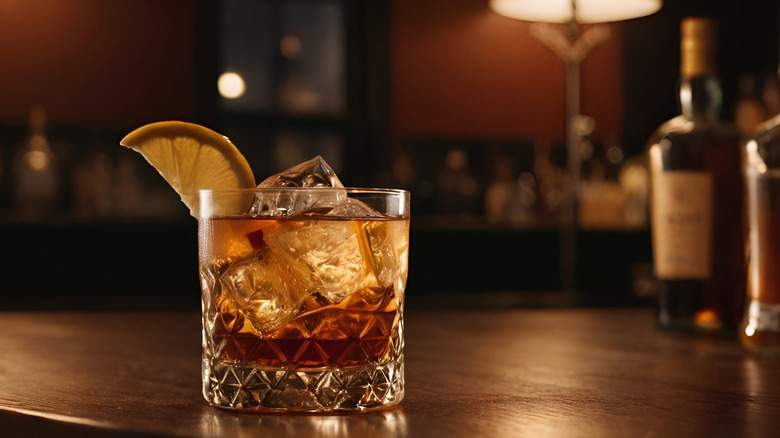
It's an image most of us are familiar with: A worker gets home at the end of a long, tiring day at the office; they kick off their shoes, and pour themselves a glass of wine or whiskey before sitting back and relaxing. A daily drink was commonplace among older generations, particularly baby boomers, whose alcohol habits were arguably formed in the wake of the World War II and in an increasingly boozy work culture. Alcohol was a normal thing to partake in to calm the nerves or unwind, and this arguably led to a higher rate of alcohol consumption.
Among younger generations, though, the picture is much different. Millennials and Gen Z are more attuned to the potential impact of daily drinking on health. And 2026 research published by Gallup shows both 18- to 34-year-olds and 35- to 54-year-olds have reduced their drinking in the last few years more than the 55+ demographic — and the number of people who think moderate drinking is good for health has fallen from 22% in 2001 to just 6% in 2026. People have never been more conscious of how much just a few drinks could affect them long-term, and as such, they're being way more careful.
Drinking from a hip flask
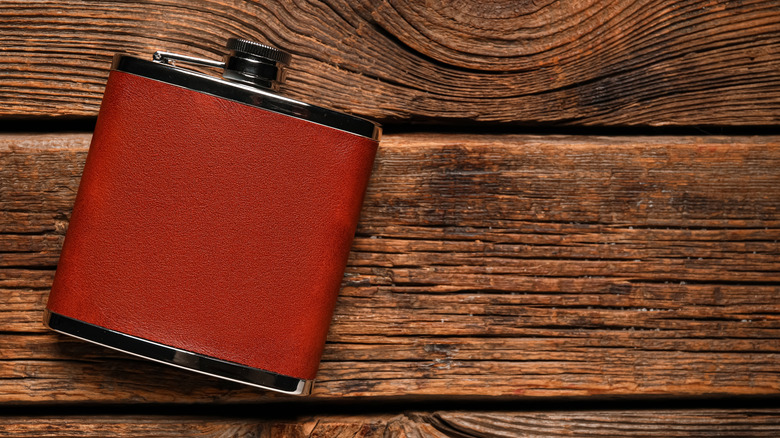
A lot of people may own hip flasks, but the chances of you actually using one have probably gotten lower over the years. In times past, the hip flask was a far more popular accessory, having developed from more rudimentary pewter and glass containers. It gained considerable traction due to the rise of Prohibition in the United States. Individuals had to conceal how they were carrying alcohol, and the modern hip flask was developed (and got its name), with a huge rise in sales when the policy was introduced.
As many people in older generations may have grown up with hip flasks in more common use, it's not surprising they used to store their alcohol in them — and would take opportunities to take a swig wherever possible. Over time, though, hip flasks became arguably more common as collectors' items instead of ones you'd actually use and drink from. This is perhaps also linked to the drop in overall drinking rates and alcohol consumption becoming more of an event-based activity than something you'd partake in throughout the day. There's still an undeniable coolness to a hip flask, though, even if just for its shape.
Drinking consistently in the daytime or afternoon

Anyone who's ever watched an episode of "Mad Men" will get a sense of what daytime drinking culture used to be like. It was once commonplace among certain members of older generations to step out of the office (sometimes even in the office), for a multi-course lunch fueled by several alcoholic drinks, before heading back to work and finishing up the day's tasks. If they weren't lubricating the workday with a few martinis, they may have instead simply started drinking a little earlier — and in some cases, members of the boomer generation still lean toward a daytime or afternoon alcoholic beverage.
This feels like a dying preference. Nowadays, younger people are far more likely to see drinking as just (or primarily) an evening activity. Millennials, in particular, usually associate alcohol with sitting in a bar in the evening, and if they do drink in the daytime, it'll more commonly happen at the weekend. Perhaps this is a win for productivity, and for keeping a clear head until the end of the day. We're sure Don Draper wouldn't approve of the changing times, though.
Serving whiskey from a decanter
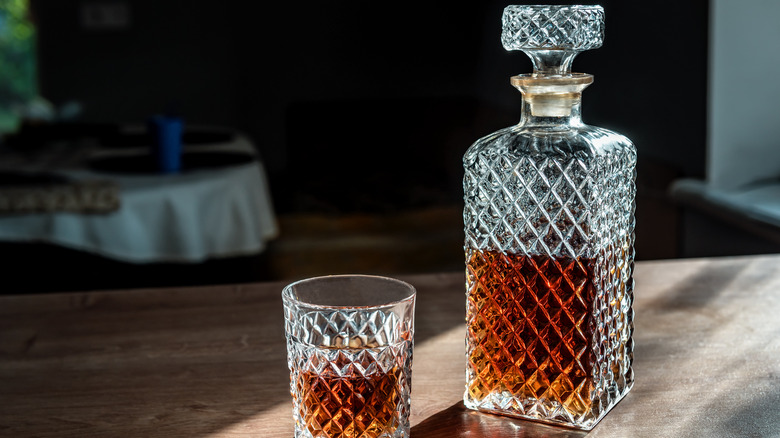
Whiskey decanters are, more often than not, beautiful pieces of glassware — but do you actually store whiskey in yours? We're willing to bet you probably don't, and as time has gone on, fewer people seem to use them for their intended purpose. By contrast, older generations would often have a healthy collection of whiskey decanters handy, which could be used to store not just whiskey, but any other liquor they had to hand.
Perhaps this is down to a combination of changing aesthetic standards and tastes, and to an increased understanding that whiskey decanters don't do much on a functional level. Unlike wine, whiskey doesn't need significant aeration to taste better, and so decanters are merely a vessel to serve the liquor from. Nowadays, they're not even considered a home bar essential for whiskey lovers, particularly when you consider whiskey bottles themselves have arguably become more aesthetically pleasing and well-designed over time. Granted, decanters look lovely in their own right, but they just don't have the same appeal as they once did.
Drinking a digestif after a meal
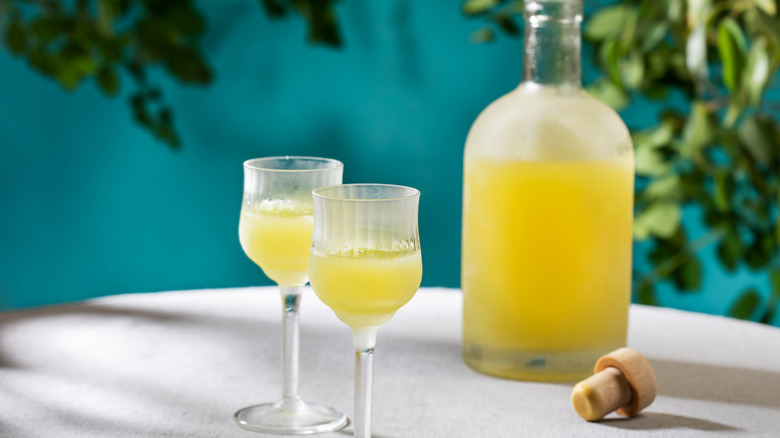
Finishing a good meal with an alcoholic beverage aided to help digestion is something you might still do when you're on vacation in Europe — but as time has gone on, people have wised up. Digestifs (or digestivos) are traditionally French or Italian liqueurs made with aromatics and flavorings like herbs, roots, barks, and flowers, and many of them have long been marketed as having medicinal or digestive benefits. The idea was that if you drank them, your food would sit better.
However, although drinking digestifs can still be a nice ritual, people have largely figured out these beverages don't have any proven benefit. "The biggest myth surrounding digestifs is that they alleviate digestive issues," says registered dietician Courtney Pelitera to Alcohol Professor. "We really have no evidence to suggest this." In fact, the opposite may be true: Alcohol consumption can exacerbate gastrointestinal issues and cause acid reflux. Don't get us wrong: Digestifs are delicious. However, perhaps as people have become more aware of alcohol's potential health impacts, they're picking and choosing their drinks a little more prudently — and eliminating those that may just feel like one too many.
Sticking to beers that they know
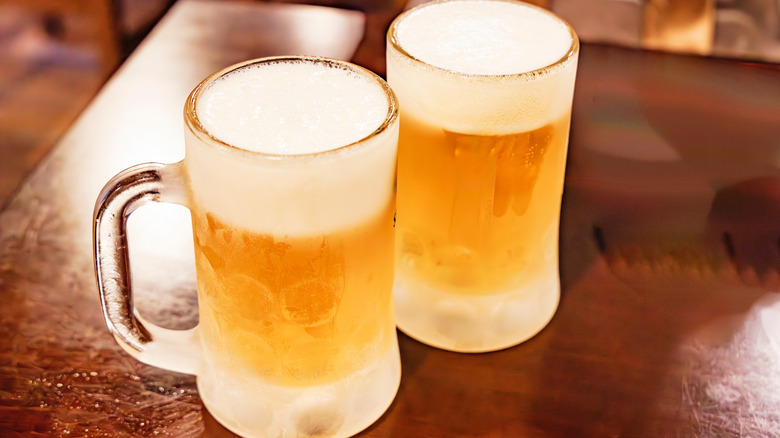
When you last went to your grandparents' house, what was in the fridge? If you were expecting to find artisanal craft ales or fancy IPAs, you might have been disappointed. According to research compiled by Datassential, older generations were (and are) more likely to consume drinks they know well, like beer and white wine, and tend to stick to lagers over more adventurous brews. They also lean toward light beers and are generally less keen on dark brews, ales, IPAs, and non-alcoholic beer options.
Younger generations, on the other hand, are more willing to experiment when it comes to beer, particularly lesser-known craft beers, ales and IPAs, and non-alcoholic styles and products. Millennials are the most excited by modern advancements in the beer industry and favor seasonal beers and craft brews more than any other generation. Gen Z, meanwhile, aren't averse to lagers — but they're by far the lowest consumers of dark beers like stouts and porters, and clearly prefer lighter, brighter options.
Drinking alcohol with retro glassware
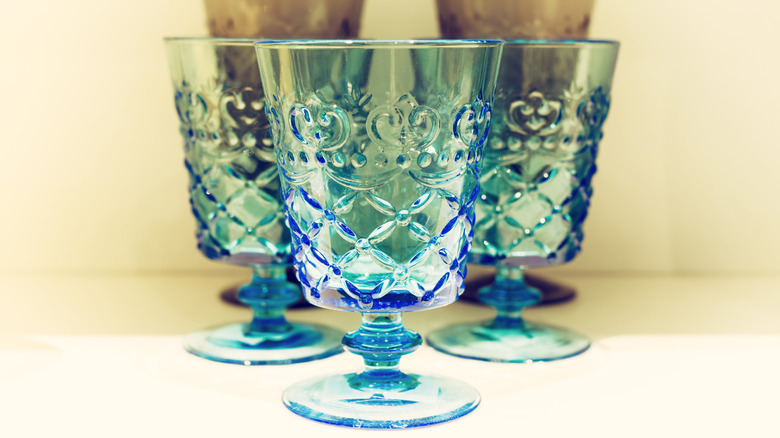
People used to take pride in their glassware, and it's a real shame that's not the case anymore. Okay, that isn't entirely true: There are plenty of beautiful glassware sets out there (including many on Amazon) that can give your evening drink a touch of class. However, it's also true that people used to have more fun with their glasses. Retro glassware sets, especially those styled in funky colors, were once considerably more popular and could serve as a talking point at a cocktail party. Now, glassware has become arguably more utilitarian and minimalist.
Glasses that would serve specific functions also used to have more of a place at the table. One example was the port sipper, a curiously shaped glass (that sort of looks like a tobacco pipe) you may have seen your grandfather drinking from. The idea behind port sippers was they helped prevent the port itself from becoming too oxidized: By sucking the port from the bottom of the glass through a straw, you preserved its flavor more effectively. Some younger folks, however, may never have even seen a port sipper before.
Ordering a Bloody Mary (especially in the evening)
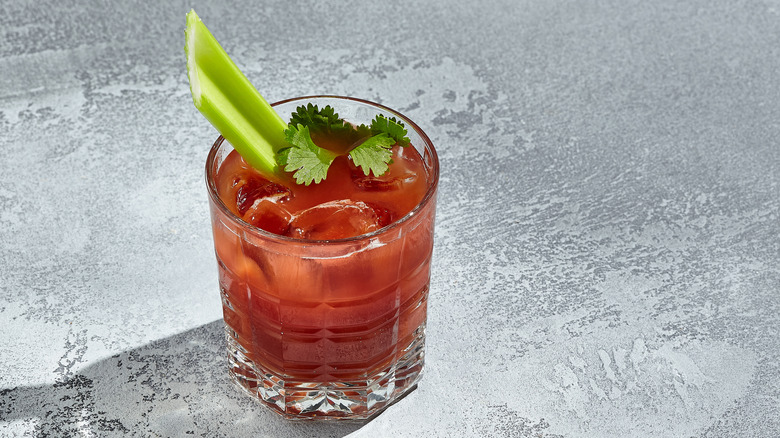
The Bloody Mary had a good run, folks. Okay, it's hardly disappeared — but it's definitely true it doesn't quite have the same allure it used to. Bloody Marys, which took shape in the early 20th century, may have once been considered a drink you could order any time of the day, but now they're far better-known as brunch drinks. Ordering a Bloody Mary in the afternoon or evening is increasingly seen as the reserve of boomers and older adults, and plenty of other people view them as a vaguely unpleasant drink.
With all that said, Bloody Marys are still a go-to brunch drink for some, where they offer a savory alternative to a mimosa or beer. Even then, though, they pale in popularity to both of those beverages: A 2025 survey conducted by Collage found around 15% of boomers will order a Bloody Mary at lunch, compared to just 9% of Gen Z and 8% of millennials. The latter group's tendency to order them was a decline from previous years, too. It's a shame, as there are so many things you can do with a classic Bloody Mary to make it even more delicious. Give it a chance, folks!
Drinking sherry before dinner
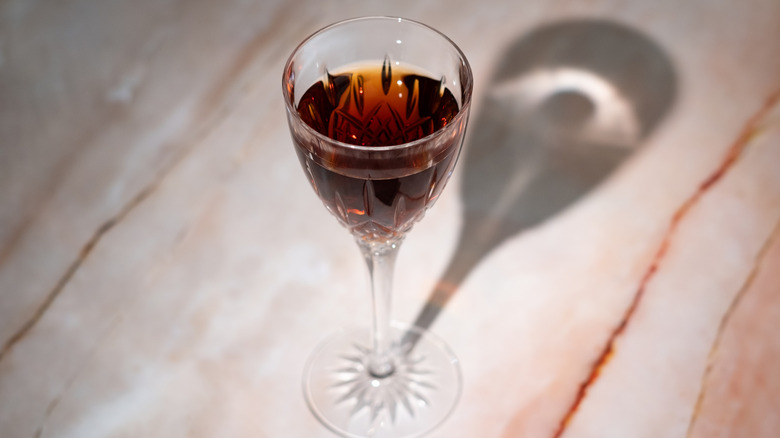
A glass of sherry has a certain class to it. Think Frasier and Niles Crane drinking a glass of it at the start of an evening in the psychiatrist's high-rise Seattle apartment, perhaps while talking about an opera or ballet. Like "Frasier," though, sherry now feels like it comes from another time entirely. It used to be far more common to drink sherry as an aperitif before a meal, but it's now slightly more reminiscent of sitting in your grandma's house while you wait to be picked up by your mom or dad.
It wasn't just sherry that's dropped off in popularity, though. Aperitifs more generally have become less commonplace, perhaps as younger people increasingly associate alcohol with nightlife culture and less with ritualistic drinking at home before a meal. This trend was seen more widely across the world, too, although there's been a recent revival of aperitivo culture in places like Milan. As for sherry, many younger folks might be more likely to encounter it in a cocktail or as part of a recipe than drink it on its own.
Believing that a hair of the dog will ease your hangover
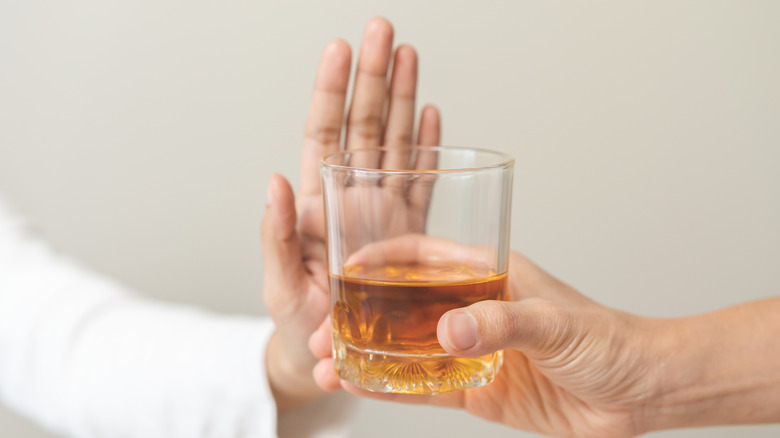
Got a sore head from a few too many drinks last night? Maybe the solution is more alcohol. That used to be what some people thought, anyway. The practice of drinking a "hair of the dog" — or a small amount of alcohol to get you through the worst of your hangover — used to be a lot more common, arguably because some people assumed it had some genuine benefit. This old-school hangover cure would dull your senses slightly, making your dehydration and nausea a bit easier to tolerate.
Well, that's what older generations thought, at least. Now, the benefit of a hair of the dog drink is widely known to be a myth, and something that could prolong hangover discomfort. According to the National Institute on Alcohol Abuse and Alcoholism, hair of the dog may be effective at temporarily reducing symptoms, but it may also make your hangover worse. Unfortunately, there's no such thing as a quick cure for a hangover, although there are plenty of expert-approved tips you can follow. The main thing, though, is to wait it out and rehydrate.