

8 Underrated Craft Beers To Try In 2026
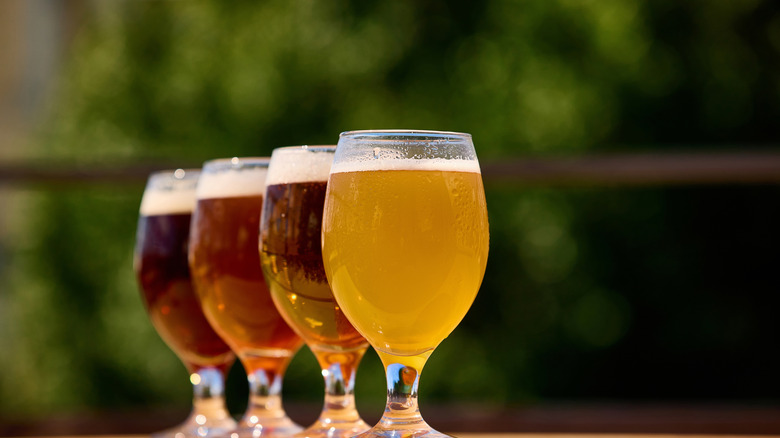
What makes a craft beer underrated? It's a hard term to define. One could say that almost all craft beers are underrated when compared to the juggernaut domestic beer brands that outsell them. I might think a specific brewery or style doesn't get the attention it deserves, but it's so subjective — something I consider delicious and criminally undervalued might be completely undrinkable to lots of other people. The world of craft beer is so vast, with over 9,000 breweries in the United States alone, that there are certainly entire oceans' worth of fantastic beers that aren't properly appreciated.
While it'd be impossible to track them all down, I've highlighted a few craft beers here, which are well worth seeking out. Some of these are new brews just hitting the shelves this year, while others are old favorites that deserve a revisit. Many of these beers are made in styles that aren't common or widely popular, but might have more fans if people gave them a chance. In my years working in the beverage industry, nothing was more exciting than discovering an unknown craft beer from out of nowhere that surprised and delighted me. If you get the chance to try any of these beers this year, I think you'll have that same experience.
1. Anderson Valley Brewing Company Koji Lager
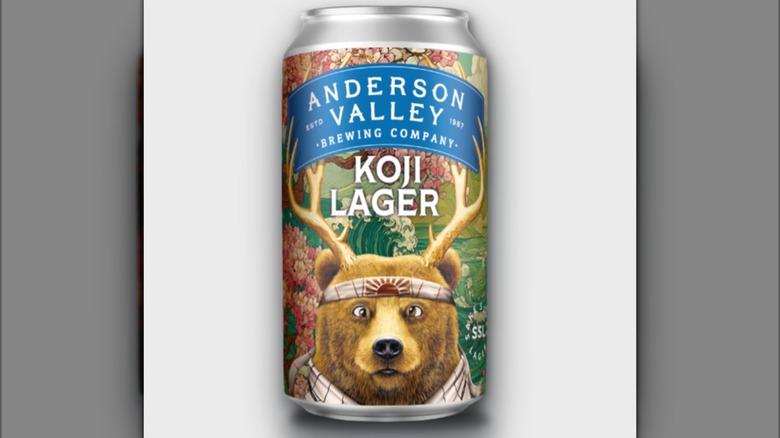
Located in remote Mendocino County in the tiny town of Boonville, California, Anderson Valley Brewing Company (AVBC) has been making creative craft beers since 1987. In all those decades, the brewery has never been content to rest on its laurels, always experimenting with unusual styles and unconventional ingredients. One of the newest examples of AVBC's ingenuity is Koji Lager, launched in cans in early 2026. The brewery categorizes this beer as a sake-style lager (SSL for short).
While using rice in beer brewing is quite common, Koji Lager is more than a simple rice beer or adjunct lager. The rice used to craft this brew is inoculated with koji, a strain of fungus responsible for fermented food and drinks like sake, miso, soy sauce, and much more. Adding this element to a crisp lager gives it layers of sweet and savory flavor, making it an incredibly versatile beer for food pairing. Of course, it matches well with Japanese cuisine, but it's also a natural partner to foods with intense umami — think mushrooms, aged cheeses, and cured meats. This is a beer for sake lovers, obviously, but it's worth a taste for anyone looking for an interesting lager.
2. Moonlight Brewing Company Working for Tips
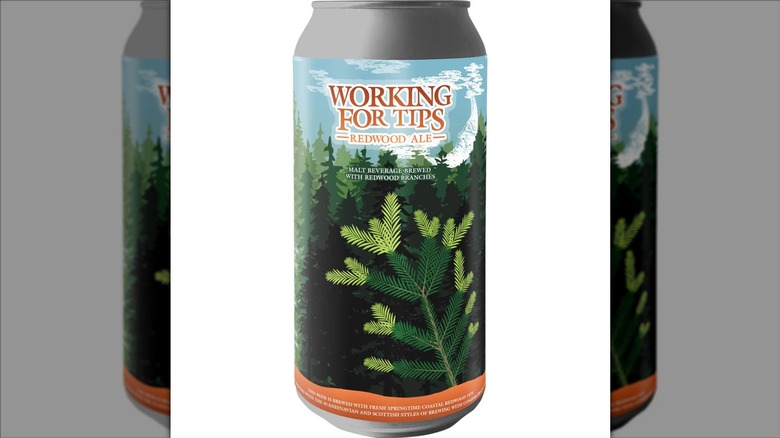
Before we get to this beer, some brewing history is in order. For millennia, beer was made without hops. Instead, brewers used herbs and other local botanical ingredients to add flavor and bitterness. This combination of ingredients, as well as the beer made with them, was called gruit. From the 16th century onward, hops took over — legally in places like Germany, where hops became a requirement codified into the official definition of beer. Gruit beers fell out of favor and were virtually non-existent by the modern era. The craft beer movement, however, brought many obscure, nearly forgotten styles back into production, including the ancient gruit. One of the most interesting of these is Working for Tips, produced by Moonlight Brewing Company.
This Santa Rosa brewery takes the inspiration for this gruit from its own backyard, utilizing branches from California redwood trees as the main botanical ingredient. The result is a rich, malty, dark ale that smells and tastes like hiking through a coastal forest. The flavors are woodsy, brambly, and wild. This beer, and the gruit style in general, may be a tough sell for most people with palates used to hoppy ales, but adventurous drinkers shouldn't hesitate to give it a go.
3. Bottle Logic Brewing Company Chromatophore (2026)
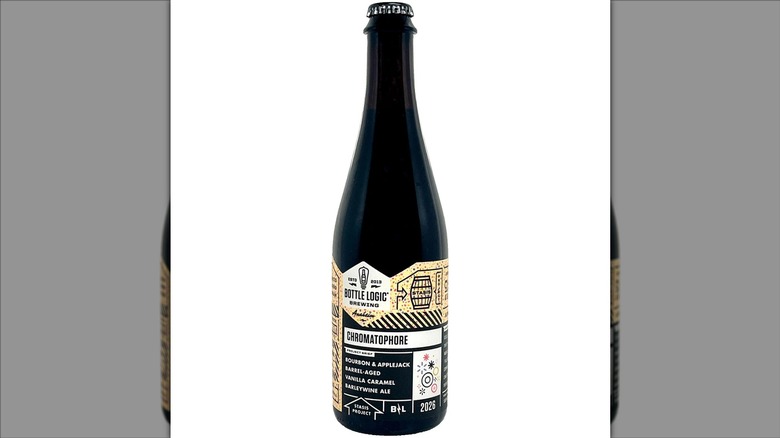
Bottle Logic brews out of Anaheim, California, and crafts everything from hard seltzers to sours to imperial stouts. One style that this brewery makes that's not always easy to find is an American barleywine named Chromatophore. Despite what the name suggests, it is in fact a beer, though its higher alcohol content is closer to what you'd find in wine — 13-14%, give or take, though keep in mind that ABV on labels can be misleading. Also in the wine vein, Bottle Logic gives each Chromatophore a vintage date. That's helpful, as this style of beer can age for ages, its rich malty flavors developing depth and complexity over time.
Barleywine can be a challenge to make, and because it's a rather niche style, many smaller breweries don't bother tackling this particular type of tipple. For those like Bottle Logic that do, though, it's a labor of love that can be rewarding despite its difficulties. Bottle Logic ages the 2026 Chromatophore in a combination of bourbon and applejack barrels to give it even more complexity, enhancing its roasted, sweet flavors and giving it an unmistakable American whiskey character. This is a serious beer. It's a very different animal than the crisp lager and hoppy ale styles that are popular with most beer drinkers right now, so it may be a leap for many beer drinkers. If you're looking to branch out and try a barleywine, Chromatophore is a fantastic place to start.
4. Jack's Abby Craft Lagers Smoke & Dagger
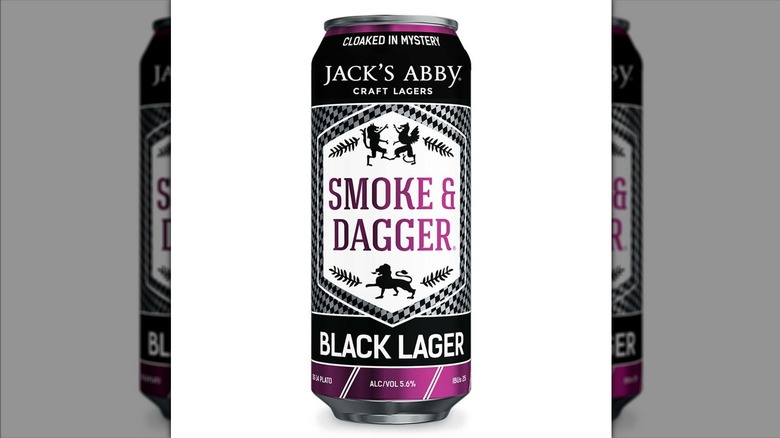
Overtly smoky beers can be extremely divisive, and understandably so. Smoke is an intense flavor, and some smoked beers can taste like there's a campfire blowing straight into your face. That's not the case with Smoke & Dagger from Jack's Abby Craft Lagers, a family-run brewery out of Framingham, Massachusetts. Focusing exclusively on German-style lagers has allowed this operation to refine its recipes with precision, and nowhere is that more apparent than in this beer.
The smoked malt is subtly used in Smoke & Dagger, and serves to enhance the dark beer's sweeter roasted notes rather than take over the entire flavor profile. Despite all of its rich depth of flavor, this beer's lager personality shines through with its crisp, fresh finish, which resets your palate to prime it for another taste. No matter what you think about smoked beers, whether you've tried one and hated it or have shied away from them completely, Smoke & Dagger is worth a try — you may just discover that it's a style you enjoy.
5. Oskar Blues Brewery Old Chub
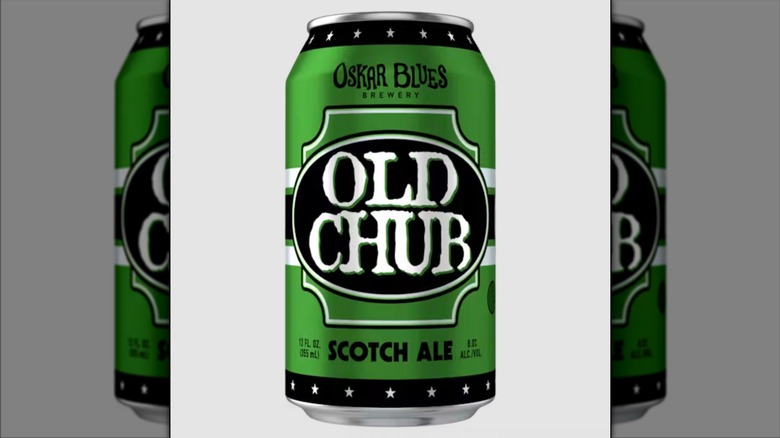
Categorized as a Scotch ale, otherwise known as a wee heavy, Old Chub has been around for quite a while, made by Colorado's Oskar Blues brewery, which was started in 1997. A member of the CANarchy collective, Oskar Blues and the rest of that group were acquired by Monster Brewing Company in 2022, though it's still independent enough to be considered a craft company by the Brewers Association. While many modern American interpretations of the wee heavy style go wild with a hardcore burst of peat smoke, Old Chub keeps its ale traditional and balanced.
It's a dark, toasty malt-bomb, in the same vein as barleywine, which is to say it's very different from the easy-drinking session beers that dominate the market right now. Sadly, while this beer is considered a classic example of this style, it seems to be harder to find in recent years, though it's still listed as a year-round offering on the Oskar Blues website. Perhaps its rarity now is because of the brand changing hands, or simply a current lack of interest in beers like the wee heavy. Regardless of the reason, it's regrettable, and fans can only be hopeful that this is a temporary setback.
6. Fox Farm Brewery Scatter
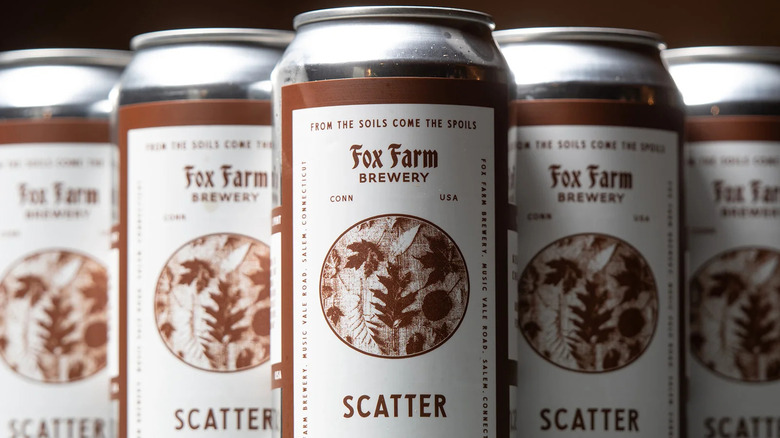
While tough to find outside of the northeastern U.S., Connecticut-based Fox Farm's beers are well worth seeking out. A particular gem in this small brewery's crown is Scatter, an American brown ale. This is a style of beer that's never quite as celebrated as it should be, perhaps because it's always standing in the shadows of pale ales and IPAs. The best American brown ales, as exemplified by Scatter, are a study in balance, and while they may seem simple and easy-drinking, it's harder than it looks to make one of these beers really well.
While brown ales are malt-forward, American versions (as opposed to English ones) tend to be more assertively hopped, although restraint is necessary to keep the toasty, nutty flavors front and center. Fox Farm achieves that synergy flawlessly. Like all of the beers from this brewery, it's so balanced and drinkable that you don't register how well-made it is until you step back and take a moment to appreciate its exceptional quality. Anyone who's ever thought brown ales are boring should give this Fox Farm brew a try.
7. Hill Farmstead Brewery Arthur
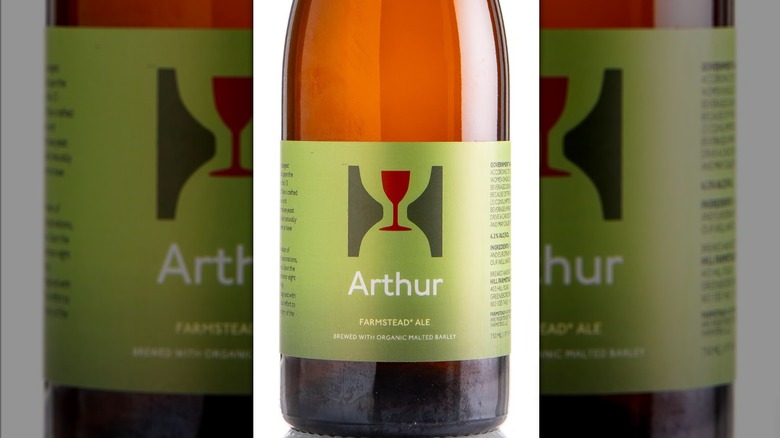
Another small but mighty northeastern U.S. brewery is Hill Farmstead, located in Vermont. An astounding number of unique beers have come out of this operation, including Arthur, an ale inspired by the saisons that hail from Belgium, also known as farmhouse ales. The best iterations of the saison style are light yet complex, delicate yet intense, and this beer checks all of those boxes. A really good saison should be a tightrope walk, tense and balanced. Arthur achieves that beautifully.
Yeast is a prominent element in any saison, bringing a vibrant combination of notes that can be spicy, fruity, floral, even slightly funky or sour, but in a pleasantly subtle way. Hill Farmstead uses its own particular yeast strain that gives its farmhouse ales like Arthur a truly individual flavor profile. A saison that's this well-crafted, elegant, and perfectly poised is a rare thing of beauty, and even rarer to find outside of its country of origin. Arthur lives up to the standards of its ancestral style and even exceeds them. If you're lucky enough to track down a bottle of this saison, try pairing it with truffle potato chips.
8. Urban South Brewery Paradise Park
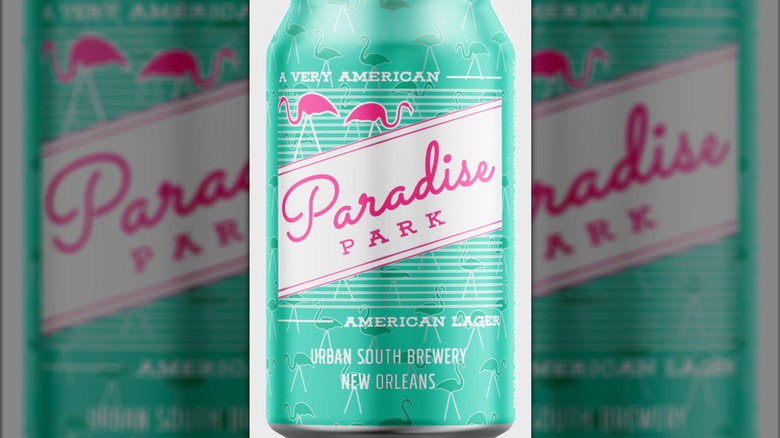
The craft beer industry has evolved and shifted focus from style to style over the decades, sometimes trailblazing into new territory and sometimes going back to basics. Many drinkers now are craving easygoing, refreshing lagers, but want beers with more style and substance than your typical macrobrewery offerings. It's hard to imagine any place in the U.S. that's more suited to cracking open a cold, refreshing lager than New Orleans, and Urban South Brewery provides just that experience with its Paradise Park.
This brew perfectly embodies the spirit of today's craft lager surge. It's a fun, lighthearted beer without a lick of pretentiousness or self-seriousness. That doesn't mean it's low quality, however — in fact, quite the opposite. There's just enough bite from hops to give this beer balance and dimension, and plenty of aroma and flavor notes if you want to take the time to dissect each sip. If you'd rather just guzzle it down, though, that works too. Like any good lager, Paradise Park is a crowd-pleasing beer to bring to a gathering, especially a casual cookout.
Methodology
To select these beers, first I checked BeerAdvocate, Untappd, and various other beer-centric websites to see what people are talking about as far as styles and breweries that are in the zeitgeist this year. I also consulted some fellow beverage professionals to get their input, and utilized my own knowledge and experience working as a bartender and bar program manager. Some of the beers I've selected are new releases, and others are classic brews that have either fallen by the wayside or haven't ever gotten the attention they deserve. I'm California-based and have spent many years working with craft beer in the Boston area, so this is certainly heavily tilted towards breweries in those areas, but I've included other regional craft breweries as well.