

How To Use Cheap Beer In Your Everyday Cooking
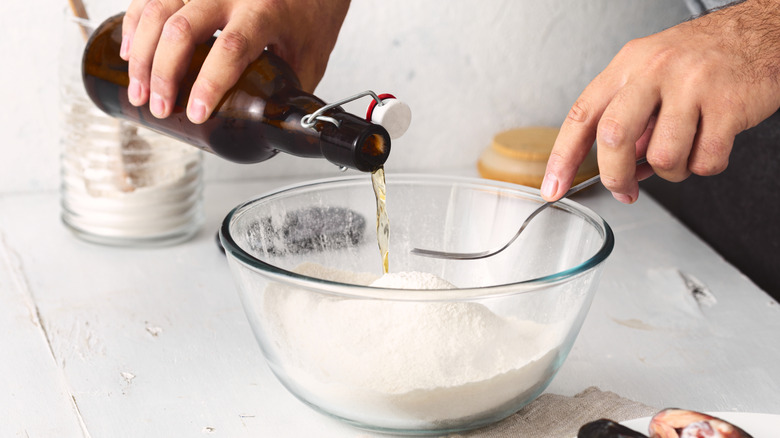
Beer is a timeless and beloved beverage, but it is also an underrated ingredient in home-cooked recipes. Thanks to its inherent carbonation and natural yeast content, beer can serve a useful purpose in both sweet and savory dishes. It can also be used as a form of seasoning, as the wide spectrum of flavors from different types of beers pairs well with many flavor profiles.
It may sound unusual at first, but the science behind beer's makeup, paired with its uniquely hearty flavors, makes this a prime ingredient for baking, braising, frying, and many other everyday cooking ventures. There's no need to break the bank with beer-based cooking either, as inexpensive beers will get the job done every time. From beer-battered onion rings to a dash of beer in your pancakes, we've compiled the proof of beer's versatility in the kitchen. Here is our list of different ways to use cheap beer in the foods that you make on a regular basis.
Incorporate it into pizza dough
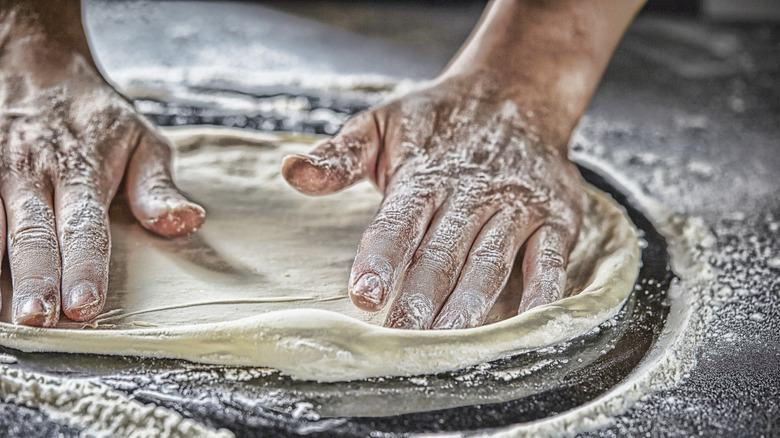
For those who prepare homemade pizzas, a bit of beer is the secret ingredient to a simple pizza dough. Adding some beer to the batter, or even entirely replacing the water in the recipe with beer, has a few effects that serve to enhance the dough. This is largely due to the beverage's composition. The carbonation and yeast which naturally occur in beer work together to add air to the dough, thereby resulting in a lighter crust.
Fair warning: In addition to altering the texture, using beer in homemade pizza crust also changes the flavor. But fans of this homemade pizza dough hack are generally in agreement that the change is a good one. This earthy, hoppy addition to the flavor profile serves to create an all-around more savory experience. While any cheap beer will serve this purpose, lighter beers are probably a safer choice for a first-time attempt. Nevertheless, experimenting with all kinds of beers will yield the same textural results and intriguing variations in flavor. Once the pizza's out of the oven, having a fresh beer with this beer-enhanced crust is, of course, a must.
Use beer in the batter for fried foods
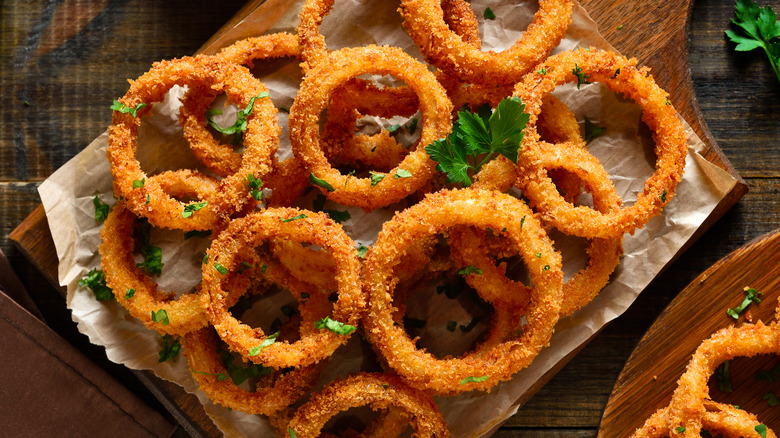
Fans of beer-battered delicacies tend to prefer this to traditional frying methods, and there's some science behind why this might be true. Adding beer improves the frying batter through its naturally occurring CO2. This carbonation ensures that the batter, once fried, will be lighter and crispier, rather than heavy and oversaturated. Furthermore, the CO2 content also means that beer-battered goods fry quicker, as the beer permits the batter to cook through at a lower temperature. As a result, there is less of a risk of overcooking the meat or vegetables inside a beer-battered coating, making for an end result that has a superior texture both inside and out.
This form of frying works well for just about anything, from decadent buttermilk beer-battered onion rings to beer-battered fish. To add even more benefits to this frying method, a bottle of cheap beer on hand will do the job just as well as any other artisanal variety. Here, it's not the quality of the beer that matters so much as the natural components found in all beers. It is generally agreed that lighter beers will provide a less intrusive flavor, but any inexpensive beer is worth experimenting with.
Add it to soups and stews
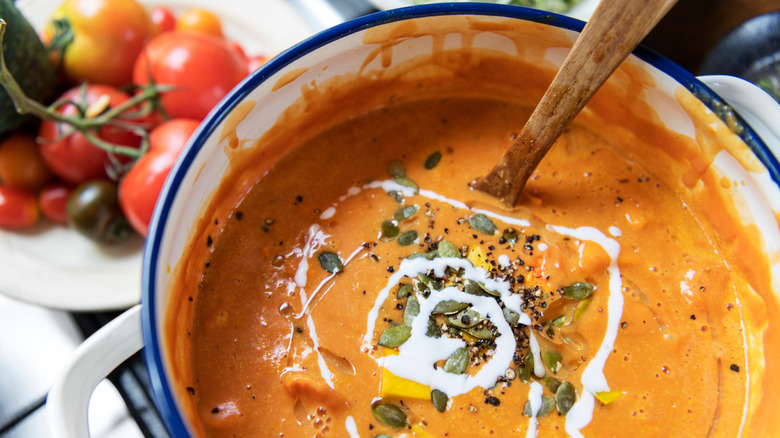
While beer can be a very useful ingredient for its chemical composition, the drink's malty, earthy, hoppy flavors also transform it into a prime form of seasoning, and soup is where beer shines as an ingredient. Adding alcohol to hearty soups is nothing new. White wine is, after all, a must in French onion soup. Using beer instead is more traditional in countries further north. In Germany, Belgium, and the Alsace region of France, it's been a common soup additive for centuries. It's also a key ingredient in Irish beef stews (in which Guinness is the go-to). But simply pouring in a dash or even a whole bottle of cheap beer in any kind of soup or stew adds more savoriness and complexity to the broth. Beer's flavor is especially well-suited for a fall or winter pottage, as it pairs well with gourds, squashes, potatoes, and other vegetables in season that might find their way into the soup pot.
Inexpensive beer is the secret to a hearty pumpkin soup, and works especially well for this fall-flavored dish, as the savory tinge in the beer harmonizes with the slightly-sweet pumpkin base. Lighter beers may be better suited to this pairing, so as not to overshadow the pumpkin's own subtle flavors. However, for those in a particularly festive spirit, an extra bottle of pumpkin beer from the fridge would be an appropriate choice as well. It's worth testing out different types of beer to see how these impact a soup's overall flavor.
Upgrade crêpes and pancakes with beer
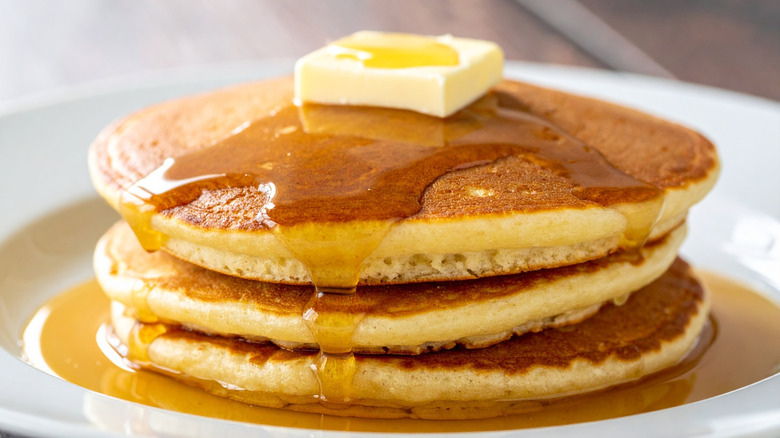
For the same reason that beer works well in frying and baking, it is also an ideal ingredient for taking breakfast to the next level. Adding a splash of beer to crêpe batter has been a longstanding French tradition, and with good reason, as the carbonation ensures a lighter, fluffier batter for softer, more delicate crêpes. The subtle flavor that beer provides also adds something special to crêpe batter. Though this works well for sweet crêpes, it might be even better for savory ones, also known as galettes. The malty beer undertones pair well with meat, cheese, mushrooms, or any other savory add-ons that might traditionally make crêpes into a full meal.
But going back to breakfast, applying the same beer method to pancakes also has infinite potential. Adding a splash to morning (or midnight) pancake batter will have the same effect as it does with crêpes, resulting in lighter, airier, fluffier pancakes and adding a touch of savoriness to the final result. This flavor enhancement will meld well with butter, syrup, or any other sweet toppings spread or drizzled overtop. Ales are well-suited to this kind of recipe, as their barley flavors mix well with pancakes, but switching out various inexpensive beers each time is certainly a good excuse to whip up more pancakes.
Make a beer cheese dip
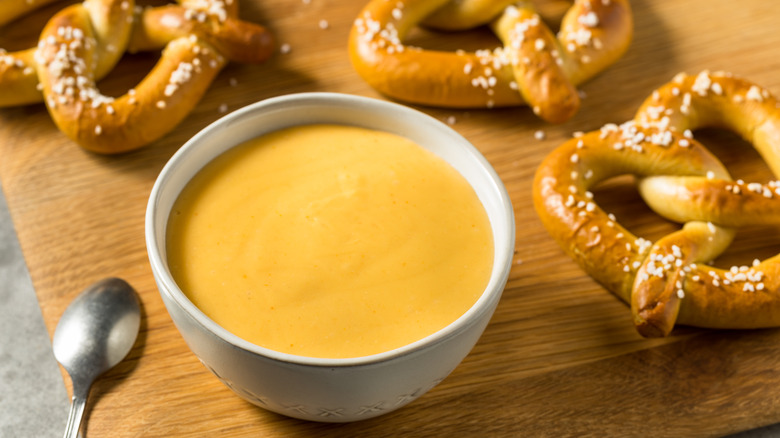
Beer cheese has its origins in the American South, and this dish's primary ingredients are exactly what make up its name. A recipe adjacent to the more commonly known Swiss dish, fondue, beer cheese replaces the wine that would normally be used to create a thick fondue consistency by using beer instead. The beer's earthy flavor adds something special to this cheese dip which is, contrary to fondue, traditionally served cold in Kentucky, where it originated. A traditional beer cheese consists of a short list of ingredients: cheddar cheese, garlic, cayenne pepper, and beer. However, many varieties abound. Beyond the traditionally decadent beer cheese dip, other variations are possible through testing out different cheeses or changing the spices.
This dip does not call for more than the most basic beer on hand, though lager is a common choice for those who prepare this delicious dip themselves. By opting for darker beers, the cheese sauce will have a more intense flavor. A stout would make for a heartier sauce, which might be preferable, depending on the crowd. Enjoyed with bread, fresh pretzels, or any other crunchy crackers or chips, beer cheese is a versatile snack that's easy to whip up and sure to be a crowd pleaser.
Try your hand at beer can chicken
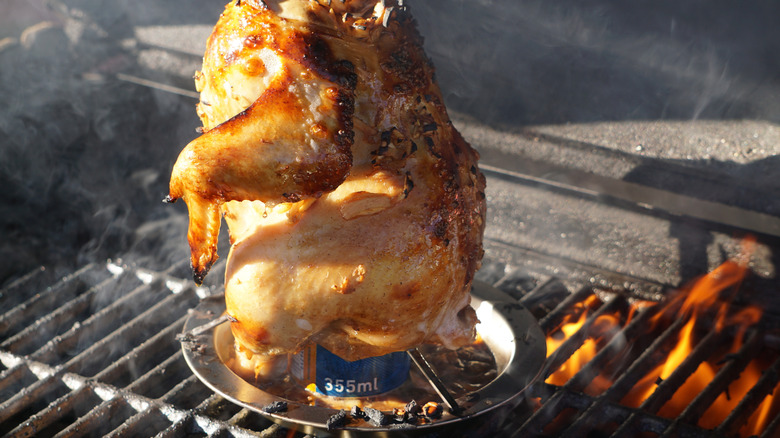
A unique method for cooking meat, this unconventional grilling phenomenon originated in the South and can make use of any beer. In fact, the cheaper the beer, the better, as the secret to beer can chicken is less about the flavor than it is about the moisture beer adds to the chicken. This method involves a half-empty can of beer with two holes punctured in the top, which the chef then inserts into the opening of a gutted and seasoned chicken. After placing the whole configuration upright on the barbeque, the chicken is simply left to cook.
Some say that cooking chicken with a can of beer yields extra-delicious meat, but others think this is more lore than truth. Nonbelievers bely any usefulness to the beer can; supporters claim the beer slightly evaporates to simultaneously moisten and add flavor to the bird as it cooks. While it's not a guarantee that the beer can method inherently improves what is, essentially, a roast chicken, a beer can chicken recipe is certainly worth a try for any barbeque enthusiasts. If you take a crack at it, don't forget to poke plenty of holes in the top of the can, which allows moisture to escape and prevents the can from exploding on the grill.
Add flavor to braised meats
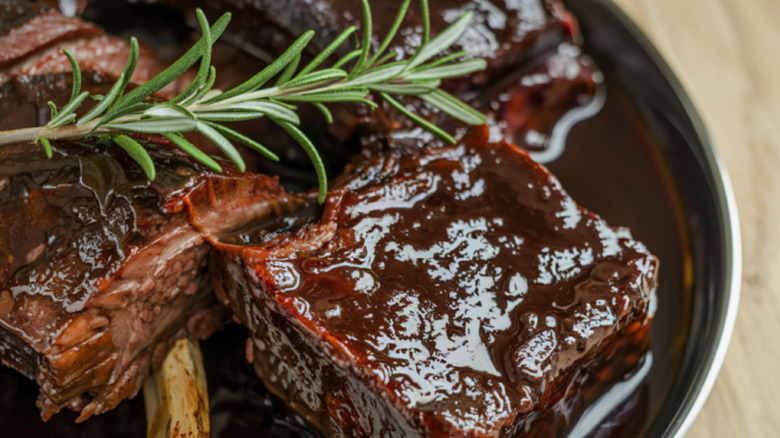
Braising meats involves searing them and then cooking them in a liquid, and beer works well for this method of preparation. Using beer to braise meats has two advantages: Firstly, the hops in the beer adds a layer of depth to the flavor of the meat. The alcohol content also helps to modify texture by softening the meat as it simmers. While beer-braised meat is as adaptable as the varieties of beer available, this cooking method works especially well with darker beers. Any inexpensive stout or porter will do. They would make for delicious beer-braised short ribs, as these dark beers tend to pair better with red meats.
Home grillers have experimented with all kinds of beers for braising. As one Redditor summed up: "Dark, strong, higher alcohol beers are great ... Try a thick stout or other high abv beer sometime. They generally have more residual sugars that caramelize and the overall added complexity from the darker roasts bring in lots of flavor and richness. Miller or other basic lager won't add very much in the flavor department, but they'll work just fine."
While beer works well for cooking meat directly, it also works as a base for marinades, before putting meat on the grill. Mixing beer with an assortment of spices will ensure a tender, flavorful cut of meat comes off the barbeque or out of the oven.
Combine beer and grilled bratwurst
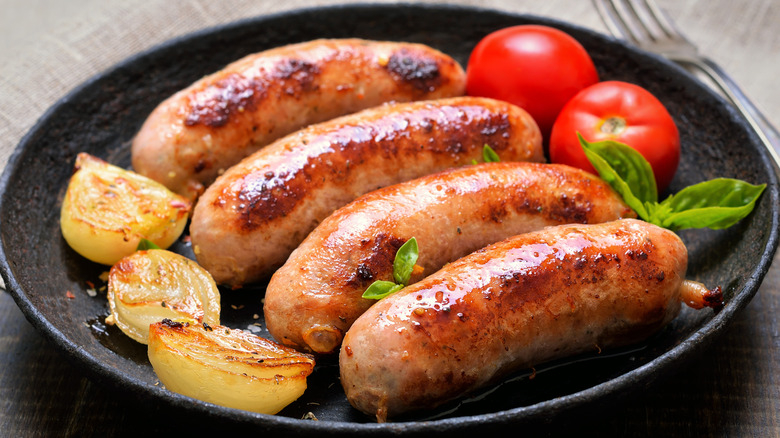
Any kind of beer works when it comes to steaming sausages, and this ingredient is an especially useful choice when preparing bratwurst. Beer and bratwurst together is a harmonious match on its own, and combining the two into one recipe is a miraculous feat of flavor. Those who are in the know affirm that cooking bratwurst in beer makes all the difference, and that there's no going back to plain old water after having upgraded to beer as the cooking liquid of choice.
Bratwurst simmered in a mix of beer and onions is a Wisconsin classic, and a round of grilled mesquite beer brats cooked with onion and bell pepper would be of a similar ilk. While this classic means of preparing brats doesn't call for a specific kind of beer, a lighter beer, such as a pilsner, is generally preferred for simmering bratwurst, so as not to overpower the meat's flavor.
Beer boosts both sweet and savory baking
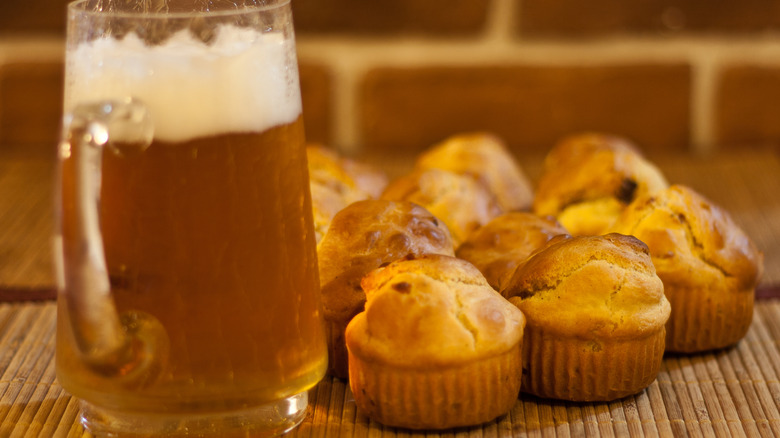
Since it is also made from grains, beer works well as an ingredient in all manner of baking, and has great potential for both sweet and savory flavor profiles. Beer's natural carbonation is, once again, a texture enhancer that naturally brings an airiness to baked goods. Some recipes even call for beer instead of oil and water, which gives baked goods a lighter texture and a lower fat content.
In baking, beer also intensifies the flavor, adding a depth that would not otherwise be possible. While any cheap beer will do, pairing fruitier or more savory beers with corresponding baking recipes could add to further flavor magic. Darker beers like porters or stouts would go especially well with a sweet profile. They meld well with chocolate flavors, but would also work in treats that call for a vanilla profile, such as a round of bacon and beer cupcakes with vanilla frosting, which call for a bit of IPA. But in the end, dark beers also go well with savory baking. They make all the difference in ham and cheese beer bread muffins, which are begging to be paired with a cold one to wash them down.