

10 Popular Food Competition Shows, Ranked Worst To Best
Have you ever stopped to think about how many food competition shows there are? Because honestly, it feels like you can't escape them these days. When "Iron Chef" first premiered in Japan in 1993 and later made its way over to the United States, it felt like an anomaly: A stylized TV show that wrung every last second of drama out of cooking face-offs and battles, it was a bright and fast-paced accompaniment to the slower pace of instructional cooking shows. Little did we know that three decades later, food competition shows would be the dominant form on channels like Food Network, where the likes of "Chopped" and "Beat Bobby Flay" are aired virtually every day.
To be honest, we can understand why food competition shows have become so abundant. The kitchen is a place where heat, stress, and passion meet, and as such, watching people go head-to-head to make the best dish possible is strangely emotional. However, as with anything that becomes popular, quality can vary significantly. Some food competition shows are absolutely unmissable, while others sag in their appeal, or else just feel surface-level.
In this article, we decided to separate the best from the worst and rank them once and for all. We determined each show's quality by looking at a combination of continued fan engagement, cultural legacy, distinctiveness (in a good way), drama, and whether they actually teach us something about how to cook. The best of these shows have all those traits; the worst don't.
10. Flavortown Food Fight
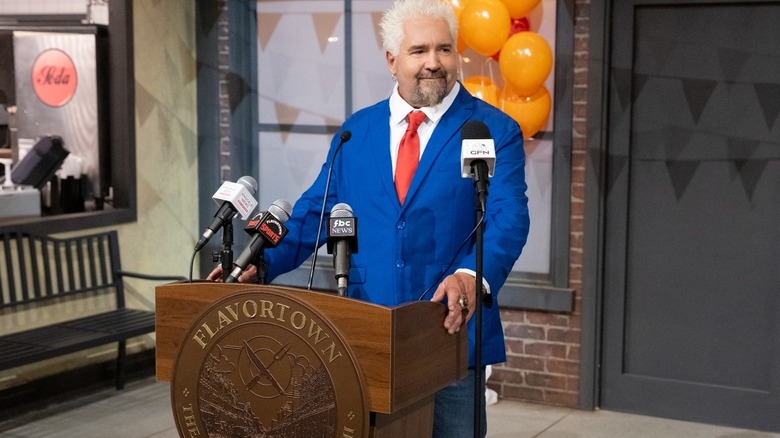
With Guy Fieri's "Flavortown Food Fight," we think that we might have finally hit Fieri Fatigue. The Food Network mainstay's cooking competition show debuted in 2026 and is the latest in a series of older, better competition shows fronted by the chef. In the show, Fieri works with the same format of virtually every other cooking competition out there: A couple of chefs make their way to Flavortown to duke it out with their skills, all in a bid to win $20,000. The gimmick here is the Flavortown aspect, and that the chefs are cooking in real-life food establishments, which is meant to give it a sense of higher stakes.
Well, sadly, it doesn't stick the landing. If "Flavortown Food Fight" had premiered even a few years ago, it might have stood a better chance, but it's now part of an incredibly crowded market – and there's just nothing that distinctive about it to keep people interested. It's watchable, but it just doesn't feel that fun, despite the efforts to perk it up, nor does it feel particularly instructive. The worst part, according to some viewers, is that the normally energetic host feels checked out. "It's Guy's show and even Guy himself seemed to not want to be there," said a viewer on Reddit. It's not winning a lot of fans, and it's got a long way to go before it becomes appointment TV.
9. BBQ Brawl
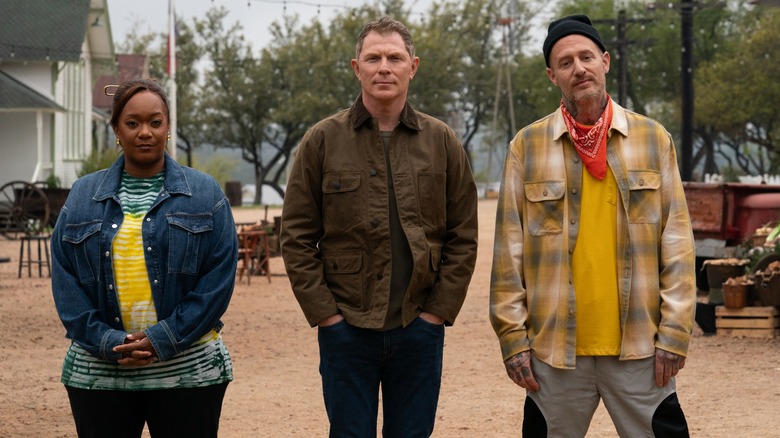
In theory, a cooking competition that focuses on a specific food style should be a good thing for everyone. Normally, these types of shows try to cover everything, and that often leads to mixed results — so you'd think that something like "BBQ Brawl," which zeroes in exclusively on barbecue, would be a breath of fresh air. Sadly, that's just not the case. The problem with "BBQ Brawl" is that it's failed to fully recognize how passionate the BBQ community is, and how much they're crying out for genuine barbecue experts who can fully reflect said passion on their TV screens. Instead, "BBQ Brawl" goes in for the regular rotation of Food Network celebrity chefs to front its teams. Bobby Flay and Michael Symon might be great at what they do, but they're not pitmasters, and it's kind of obvious, making "BBQ Brawl" a celebrity cooking show that doesn't quite land.
As a result, "BBQ Brawl" can come across as surface-level and basic. A post in a barbecue-themed Facebook group said that the show is "a disservice to all things BBQ and grilling," which is the opposite response that the show's team probably wanted. The presence of Carson Kressley as a judge has also been an issue for some viewers, who would instead have preferred a genuine barbecue expert to weigh in on the contestants' food. Its viewing figures may be impressive, but its actual content isn't.
8. Next Level Chef
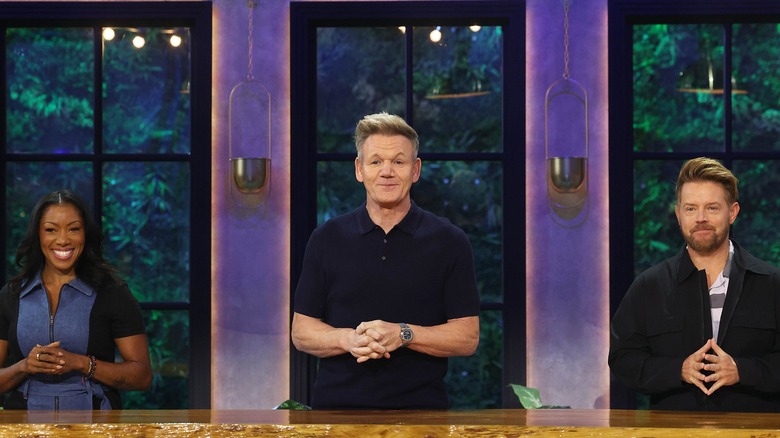
We would love to have been in the room when the producers of "Next Level Chef" landed on their central pitch for the show: That all of the action would take place in a multi-story kitchen. It's a gimmick we're sure led to a lot of nodding and smiling when those folks figured it out. But sadly, in practice, it all just feels a little weird. "Next Level Chef" definitely has a few things going for it. Gordon Ramsay brings his signature fire to the show; the mixture of skill levels of the contestants keeps things varied, and the multi-level kitchen adds a certain amount of drama, with those who are deemed the worst chefs relegated to the bottom of the pile. At its best, it's harmless fun, and you might learn something about cooking by watching it.
At its worst, though, "Next Level Chef" is stressful, confusing, and hectic. The split-level approach and the devices that come with it (like the dumbwaiter that the teams get their ingredients from) give the show a frantic feel, and it can come across as overstuffed and reaching too hard for drama. There are definitely fans of the show out there, but it's also got its fair share of haters. There are plenty of viewers who just want something a bit simpler from their cooking competitions.
7. Alex vs. America
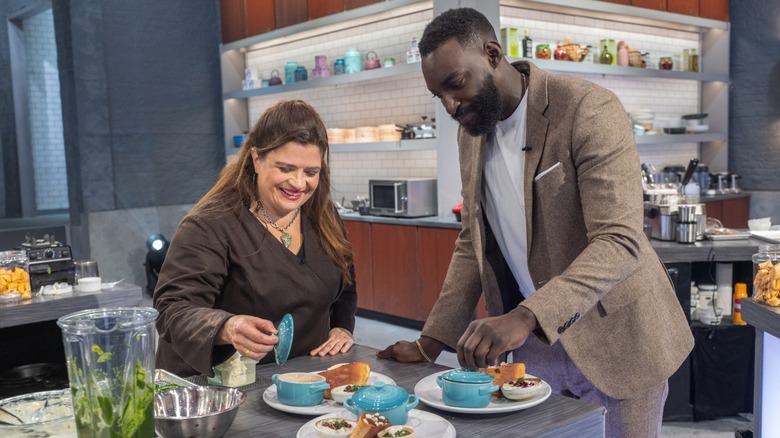
If we were discussing food competition shows in a couple of years, "Alex vs. America" might do a lot better than its current ranking here. Food Network regular Alex Guarnaschelli's show premiered in 2022, and since then, it's been slowly developing into TV that's worth watching. What we love about "Alex vs. America" is its emphasis on expertise. The show has a similar format to "Beat Bobby Flay," in that it features chefs trying to best Guarnaschelli and her decades of experience, but the guest judges here are deeply respected professionals in their respective fields, and they bring a level of knowledge and know-how that elevates it from background television. It feels instructional, the food featured is diverse, its viewing figures are good (although not amazing), and Guarnaschelli shares her cooking tips with viewers and contestants, making her more than a capable host.
With all that said, though, where "Alex vs. America" falls down compared to the rest of the shows on this list is its lack of standout elements. Yes, it's a great watch if you're a foodie, but it doesn't have any real spark of innovation, nor does it have the legacy of some of Food Network's biggest shows. That could change over time, but for now, it feels too new to stand up to the larger players.
6. MasterChef
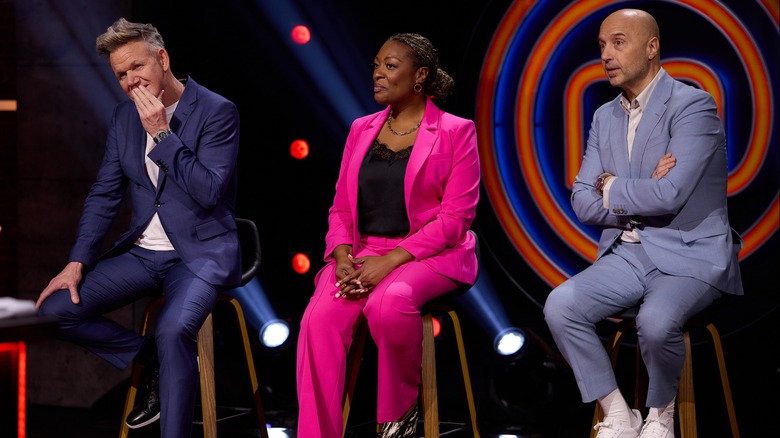
As far as food competition shows go, few are as big as "MasterChef." The U.S. version of the show is just one of the entrants into this internationally successful franchise, which started in the United Kingdom and spread to over 50 other countries, including Myanmar, Spain, Vietnam, and (of course) the United States. With such an established pedigree, it's no surprise that this is a rock-solid viewing experience. It's got a focus on skill over fireworks, which appeals to people genuinely interested in cooking. Its format keeps things dynamic, and the chefs featured on the show specialize in a wide range of cuisines and culinary traditions, which ensures that it doesn't retread old territory too often.
"MasterChef" also has an edge on some of the competition in its sense of prestige in the food world, particularly for the chefs who win it. Previous contestants have largely benefited from being on the show and have used that boost to contribute further to food culture, either by opening restaurants or releasing cookbooks. Unfortunately, though, it sometimes doesn't match that prestige with a genuine sense of drama onscreen. Instead, in recent years, "Masterchef" has been rocked by on- and offscreen scandals, some of which ended up defining the franchise. Now and again, "MasterChef" can just fade into background noise.
5. Beat Bobby Flay
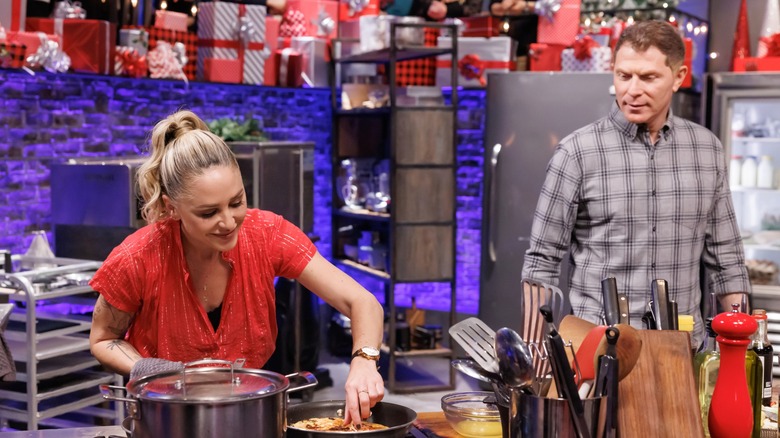
It sometimes feels like Food Network screens nothing but "Beat Bobby Flay." The show is never far from the network's schedule, which makes sense, given that the host has been with Food Network since the beginning. With almost 500 episodes under its belt, its producers and Flay himself have got it down to a science. Two chefs face off against each other, then, they challenge Flay to a cook-off, with the winner announced via a blind taste test. It's all tied together in a faux-boxing match vibe, which is reliably fun, although at times feels a little meaningless.
There's naturally a lot of pleasure in watching chefs try to beat one of the biggest names in food programming, and the endless parade of famous guests gives the show a broad, starry appeal. It can also, at times, be genuinely instructional and useful — and the clockwork nature of the show makes it a pure comfort watch. Its holiday-themed spinoff, "Beat Bobby Flay: Holiday Throwdown," leans into this comforting feel.
This sense of clockwork, though, also means that it can feel predictable: There are only so many ways that the losers of the challenge can bow out, and only so much smack talk that one viewer can take before it all blurs into one. It doesn't necessarily need to reinvent the wheel, but unlike other, better food competition shows, it also doesn't seem to want to.
4. Chopped
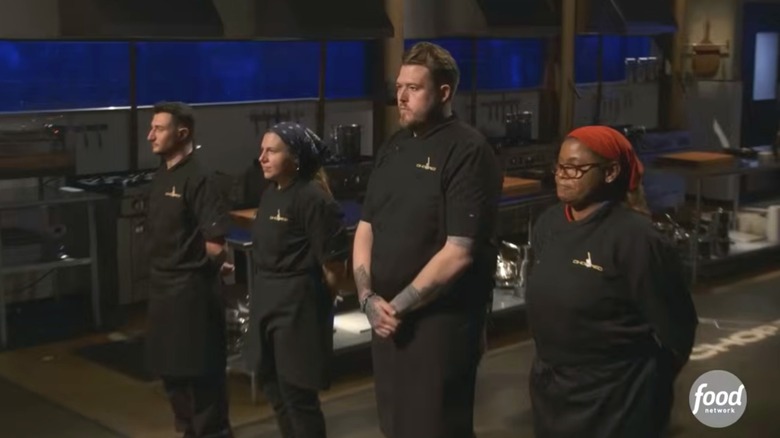
"Chopped" is now firmly part of the furniture. With over 60 seasons, it's been a mainstay since it premiered, and it's now inarguably one of Food Network's biggest shows (if not the biggest on the whole network). Given how long it's been around, it could be forgiven for losing any sense of spark or an interest in keeping things interesting — but somehow, it manages to do so. It feels as though the "Chopped" producers are genuinely invested in finding new avenues and themes for its episodes that serve as a celebration of different cultures. Even the spin-offs it's produced, like "Chopped: Julia Child's Kitchen," take the show into interesting territory where it celebrates food history.
"Chopped" also has a legacy that extends beyond the TV show itself. The 2026 documentary "Fork in the Road" was created by former "Chopped" producer Vivian Sorensen and was directly inspired by her time working on the show and her subsequent interest in our food system. How many food competitions can claim that kind of further impact? Former contestants have also gone public with what it's like to compete on "Chopped," giving viewers even more insight into the interior of the show and building its lore. With all that said, the show can sometimes lack the sheer sense of innovation or specificity that the higher-rated shows on this list have, but it's still solid as a rock.
3. Top Chef
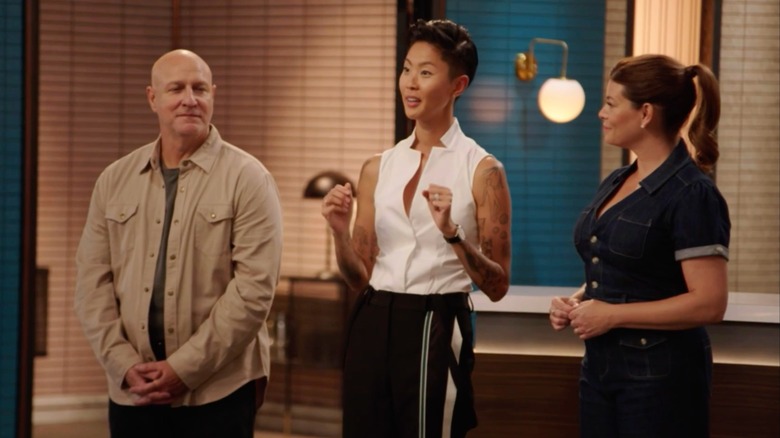
"Top Chef" is one of the longest-running food competition shows around, and like all long-running shows, it's at risk of feeling very stale. The Bravo program's legacy is undeniable, and it's gone on to become not only one of the most successful shows on that network, but one of the biggest food shows ever. But just a couple of years ago, it was feeling boring and stuck in its ways.
Then, Kristen Kish arrived. The chef and former "Top Chef" winner joined the show as the host in 2023, and since then, she's breathed new life into a fairly tired format, elevating it back to must-watch status. Fans of the show love how much she can relate to the contestants, bringing a sense of empathy and connection to the table that gives the whole thing a sense of kindness and lightness. That's a rare commodity in competition shows, which can often bank on bravado and bluster to create drama. Its most recent season (at the time of writing) has been well-received by its fanbase. Although its viewing figures may not be the highest, it remains a high-quality show — and one that has been elevated once more into must-watch TV.
2. The Great British Baking Show
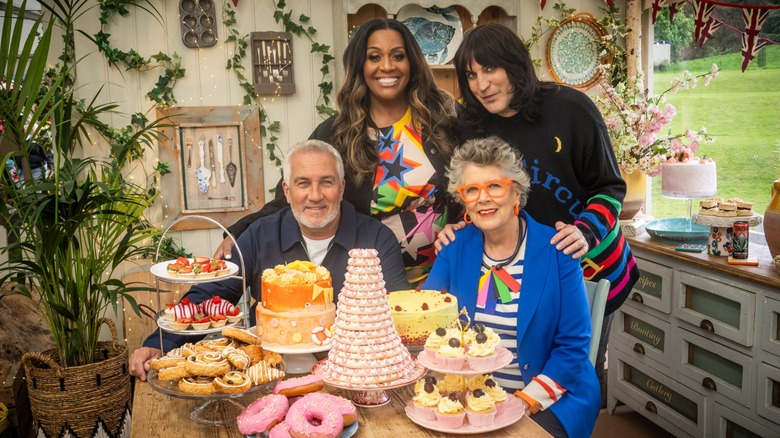
If food competition shows were judged on pure charm, "The Great British Baking Show" would win every time. The show has been a favorite ever since it landed on British screens in 2010 (before promptly being shown around the world), and it manages to bring an astonishing amount of drama to a form of cooking that's typically regarded as calming and wholesome. There's a sly, slightly knowing wit that runs through "The Great British Baking Show," which feels quintessentially British. Meanwhile, the combination of experts Paul Hollywood and Prue Leith with convivial hosts like Alison Hammond makes it both highly educational and very fun. It's also excellent at selecting its contestants: Each year, we get a ragtag bunch of amateur bakers from all walks of life, who are bound together by their love of madeleines, Victoria sponges, and shortbread.
The gentle nature of this comforting Netflix cooking show is a big part of its appeal to fans, but above everything else, "The Great British Baking Show" stands out because of how emotional it is. Both the hosts and the contestants are visibly moved each week when someone is eliminated, and the sense of camaraderie among everyone is undeniable. It doesn't try to manufacture this in the way that some flashier competition shows do; it just exists for all to see. It may not have Food Network-style star power, but it's got a lot else going for it.
1. Tournament of Champions
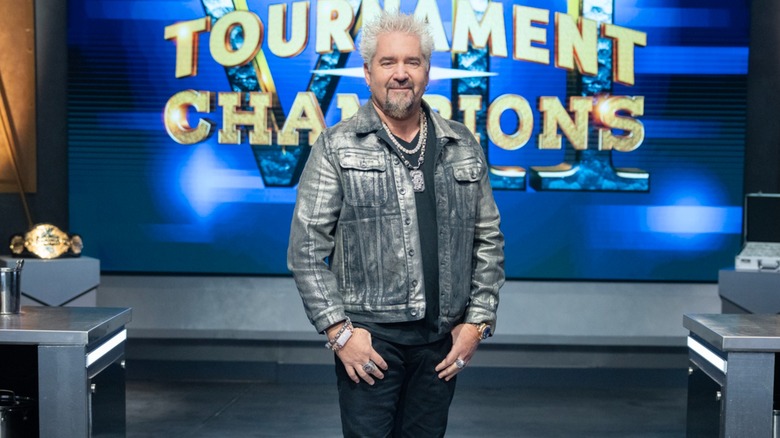
Ready for the champion of cooking shows? "Tournament of Champions" delivers not just in name, but in sheer impact. The Food Network show may have only been around since 2020, but in six years, it's managed to leapfrog the competition and become the greatest there is. It's a perfect combination of everything that we like about other food shows: It showcases genuine skill, each episode manages to create high drama that doesn't feel gimmicky or pushed (with its stakes made even higher by its $150,000 cash prize), it's got the star power of Guy Fieri, and its contestants are some of the best chefs around. It's a treat of a TV show.
Beyond all this, "Tournament of Champions" has managed to address a key issue that plagues other cooking shows: a gender imbalance among its winners. Its purely blind tasting format means that its judging is free of conscious or unconscious bias that might favor male chefs, so the focus is purely on the food. This focus, along with everything else it's got going for it, makes it beloved among its passionate fanbase. Throw in its enviable viewing figures, and it's clear that "Tournament of Champions" is the best we've got right now.