

10 Mistakes To Avoid When Growing Tomatoes In Your Garden
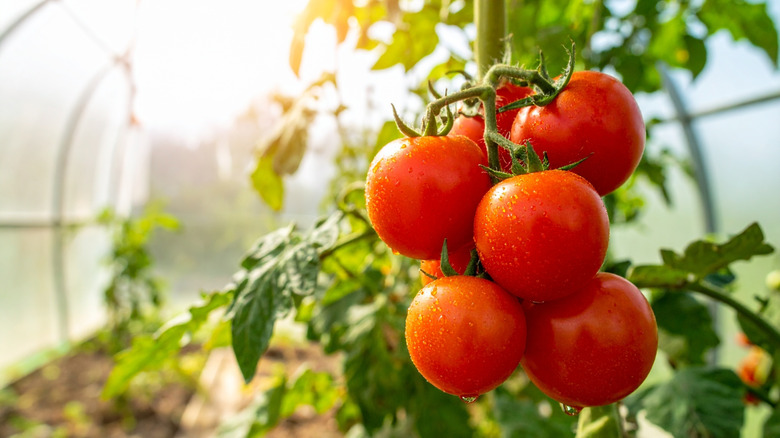
There's nothing like the feeling of growing your own produce at home. Planting seeds in your garden, tending to the fledgling plants with love and care, and a couple of months later being rewarded with delicious fruit or vegetables? Man, it's satisfying. For folks just starting out on their homegrown journey, tomatoes are an excellent place to start: They're not too difficult to keep alive, they can yield a lot of fruit per plant, and there are dozens of recipes you can use them in. Plus, the flavor difference between a tomato that you've lovingly tended to and one that you've bought in a shrink-wrapped package in a supermarket is vast. You'll never go back.
Well, that's if you grow them the right way. Tomatoes are fairly forgiving plants, but there are a few mistakes a lot of people make that stop them from achieving their full potential. The problem is that a lot of these mistakes — pruning your tomato plants rigorously or using a tomato case, for instance — feel as though they'll be helpful to your plant. But these things can cause problems. Other mistakes, like failing to rotate tomato plants, are more long-term, but no less important. Let's put a stop to these errors, once and for all.
Mistake: Over-pruning your tomato plants
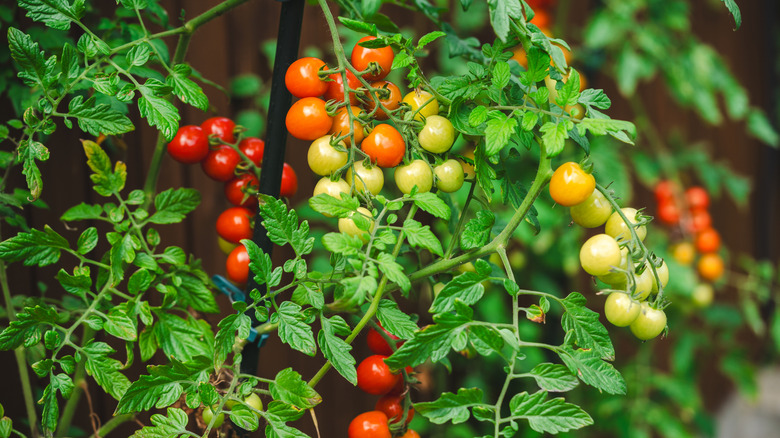
Pruning your tomato plants is important, like pruning pretty much any plant. Tomato plants can be fast-growing and produce a lot of foliage, which can ultimately limit both airflow and the amount of fruit they produce. When your tomato plants have too many leaves, it can encourage pests to settle in and diseases to thrive, which can ruin all of your hard work.
However, with all that said, it's easy to overdo it. Over-pruning tomato plants can leave the fruit too exposed, which will leave them more likely to become sun-scalded, and it can also hinder the plant's ability to absorb all those nutrients from the sun that it needs to grow and thrive. Some tomato plants may also not need pruning at all: Determinate plants are usually happy on their own, and pruning them can stop the full amount of fruit-possible growing.
As such, it's best to figure out whether your tomato plant needs pruning in the first place, and if it does, to be judicious. If it's determinate and has a bush-like appearance, leave it be or simply trim back any especially dense leaves or areas. If it's indeterminate (and therefore more vine-like), you can cut it a little more heavily, but avoid leaving the fruit fully exposed to the sun.
Mistake: Overcrowding your tomato plants
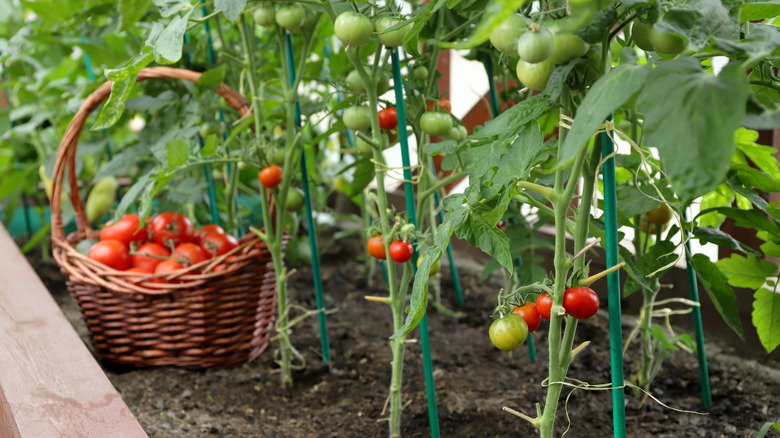
Tomato plants need space, and it's good form to grant it to them. Tomato plants need way more distance between them than you might think, and if you don't plant strategically, issues can occur quickly. Their roots may end up stunted due to a lack of space, air may not circulate around them properly, and they'll end up competing for sunlight. All of this will affect how well your tomatoes ultimately grow, and the quality of your fruit.
So, it's best to give them the distance they crave. In your garden, tomato plants will need around two to three feet between each of them — although if you can, you should give them more. It's worth remembering that some varieties can grow to around 10 feet tall, and a significant amount of width can come with that, too — so you'll want to give each one a fighting chance. If in doubt, give them more space than you think.
Mistake: Not planting your tomatoes next to companion plants
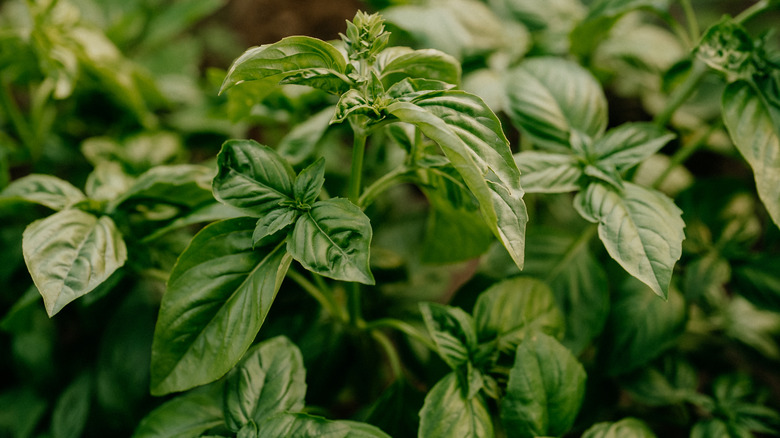
Tomato plants are friendly — they love having buddies that they grow next to, and not just because it keeps them company. Companion plants help tomatoes grow in a number of ways, including by helping to keep pests at bay, increasing their ability to absorb nutrients, or (perhaps best of all) encouraging them to produce more fruit. They also make your garden look better and increase its diversity.
The good news, too, is that there are a lot of plants that you can put next to your homegrown tomatoes that will make them way better. Basil is a classic choice: Not only does it thrive in the same season as tomatoes, but it can ward away pests and may even improve the flavor of your fruit (and the two of them go together in countless dishes). Lavender can also be a great option, as its scent repels insects while encouraging bees. Allium plants like garlic and chives can have a similar repellent effect, and the two plant varieties will grow excellently together. Get those bulbs planted and reap the benefits a couple months down the line.
Mistake: Forgetting to stake your plants
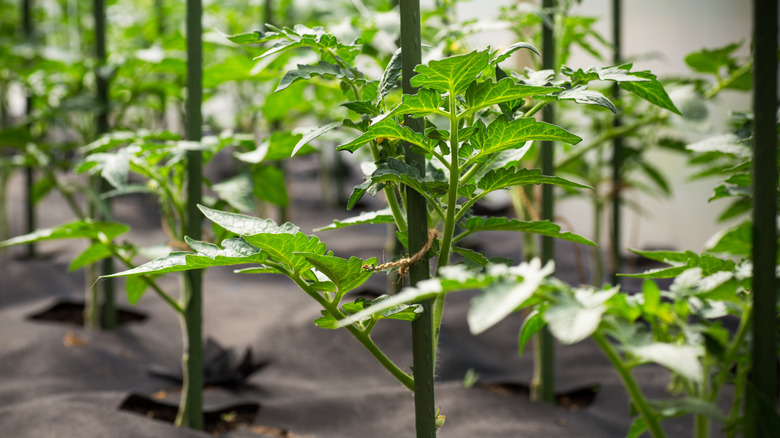
As a novice gardener, it can feel tempting to plant your tomato seeds and assume they'll need nothing but water, sun, and a bit of pruning. Well, they need a bit more than that — they need structural support. Determinate tomato plants (the kind that grow into little bushes) can quickly droop if you're not careful, exposing the tomato to the soil and inhibiting airflow and proper sun access. All of these things will hinder the growth of your tomatoes and the success of your fruit.
That's why staking is so important. Tying each plant to a stake will keep them upright and growing properly, while also not limiting airflow too much. You can use anything to stake them, providing that it doesn't shield too much of the plant, and you can tie them using anything flexible, too. This isn't just important for determinate plants: Indeterminate vining tomato plants also need something to cling onto. These types of tomato plants can benefit from an A-frame structure that keeps them propped up and gives them enough to work their way around.
Mistake: Under- or over-watering your tomatoes
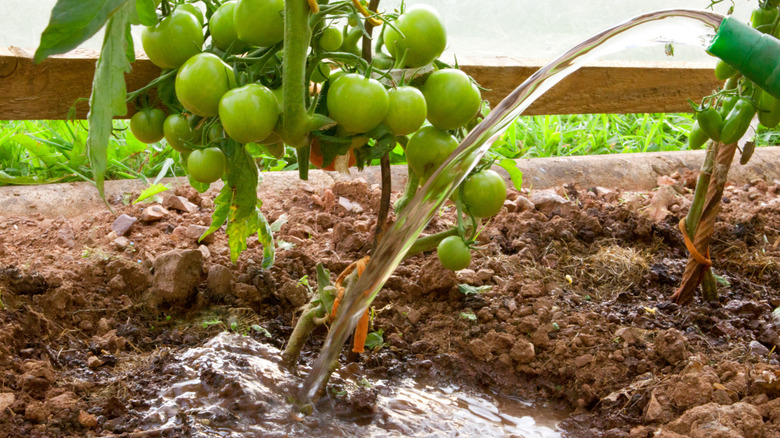
Surprise, surprise: Tomato plants need water to grow. Giving them too much or too little, though, can be a recipe for disaster. Over-watering your tomato plants in the hope of giving them more fuel to grow can lead to your fruit splitting, which makes them look unsightly and limits your ability to eat them. Under-watering tomatoes, on the other hand, will stop them from growing properly and thriving.
So, for the best tomatoes, it's important to water them just the right amount. First off, remember you should only give them water when they need it: Tomatoes won't like it if you drown them, and the roots need a certain level of dryness. The best way to tell if a tomato plant needs watering is if its leaves are drooping in the evening. If they are, it'll likely need some water, which should be poured directly onto the soil. There isn't a set amount of times you should water your plants, as this will be largely dependent on the climate you live in and how dry the soil is. Some plants may need watering a few times a day, while others may need it once a week. Keep an eye on those leaves.
Mistake: Replanting your tomatoes in the same spot every year
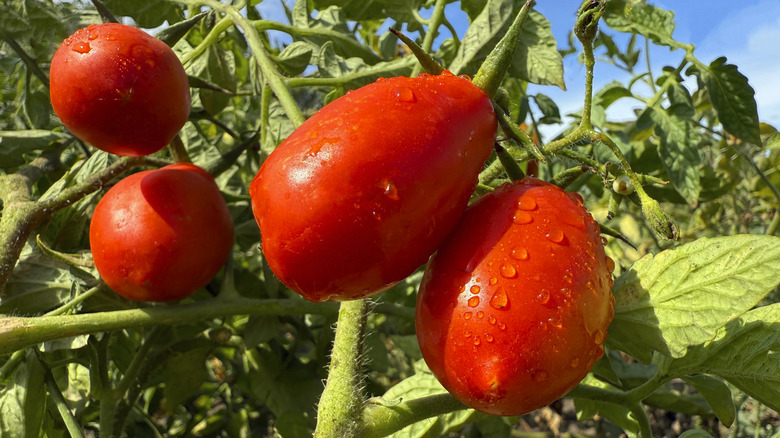
It's easy to assume the area you put your tomato plants in in your garden, is the place that they'll always live. That shouldn't be the case. Tomato plants love being rotated and placed in new places in your garden each year, for a bunch of reasons. When you rotate them, you give them access to all those nutrients in the new soil, which other plants may have contributed to or left behind. You also help to stop diseases that might end up harming your tomato plants from settling in around them and in the soil that's meant to keep them alive and thriving. All of this, of course, will benefit your fruit.
So, when the growing season ends, pick a new spot for your tomato plants — and when the summer rolls around again, give them another lease of life in that place. You don't have to do this indefinitely, but you do need to have a few good years of planting them in different places to fully prevent any disease spread. Avoiding the same spot for three to four years is usually the best option. Remember, if you have limited bed space in your garden, you can always transfer them to pots with fresh soil, which you can keep outside.
Mistake: Using a tomato cage
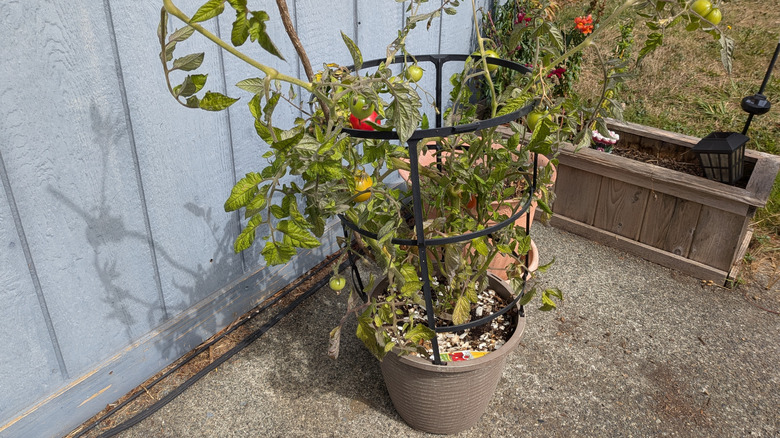
Tomato cages can seem like a good idea. These all-in-one structures allow you to avoid having to stake your plants and give each one its own dedicated area in which to grow. However, they can also create more issues than you might think, which can ultimately lead to the downfall of your tomatoes. Tomato cages can condense your plants, which will lead to the foliage around them becoming too thick and bushy. This will cause problems both with airflow and sunlight access, and it can be hard to get to the inside to trim them down. Tomato cages can also be flimsy things, and if you have ambitions of growing large tomatoes, then the plants and their fruit can quickly drag them down.
So, while it may be tempting to opt for a tomato cage, it may be better to stake your plants instead. This will give them the structure they need, while also allowing you to access them fully and not prevent too much air from getting around the stem. That said, if you do opt for tomato cages, it won't necessarily ruin your plants. You just have to be a little more aware of the maintenance required.
Mistake: Over-fertilizing your tomatoes
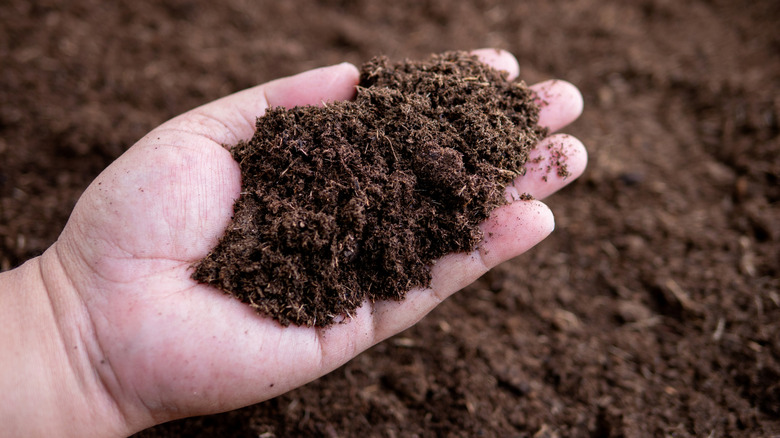
Fertilizer can be a great way to supercharge your garden tomatoes — but over-fertilizing tomatoes can create several growth issues that may inhibit your yield. The leaves and shoots may grow too quickly, which can stop air circulation; your plant may be more prone to disease — somewhat counter-intuitively, your tomato plant may end up stunted. All of this could lead to improperly-grown tomatoes and a lot of wasted time.
So, how much is too much? Fertilizing tomatoes more than every few weeks may lead to over-fertilization, so it's best to err on the side of caution. In the average life cycle of a tomato, you'll likely want to fertilize it around four times: Before transplanting it into the soil (when planting it), just before it flowers, and when your fruits are smaller and not yet fully formed. Any more than that, and you risk swamping it in nutrients that will cause more harm than good.
Mistake: Planting tomatoes too early (or too late)
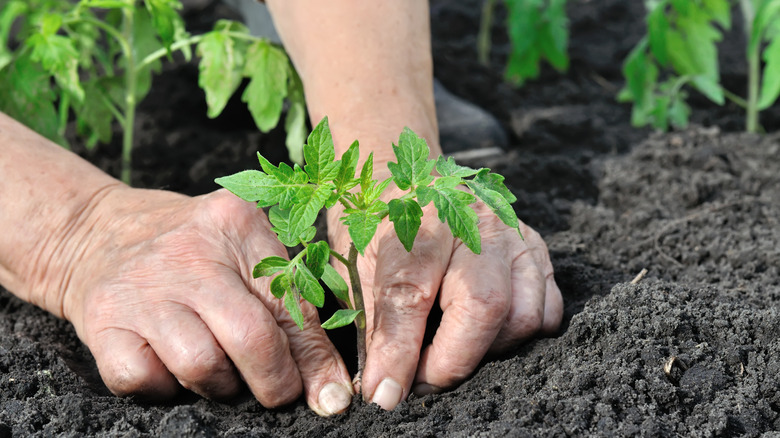
When's the best time to plant tomatoes? It's probably later than you think. We tend to think of spring as the ideal time to get them planted in our garden, but that can still be a little too early, as even a light spring frost can kill them. This is a fruit that thrives in warmer temperatures, and you have to make sure your nights and mornings are consistently temperate before they go in the ground.
The best time to plant your tomatoes is when your area's nighttime temperatures tip above 55 degrees Fahrenheit consistently; ideally, it'll be dropping no lower than 60 degrees. Around 70 to 80 degrees Fahrenheit is an optimal temperature for tomatoes during the day. It's worth mentioning, of course, that these may not be summer temperatures where you are. In especially warm or subtropical regions, this could mean they're best grown in fall or winter, when the fierce heat of the summer has passed. Whatever you do, though, don't be tempted to think your tomato plants will be able to take it if the temperatures outside aren't consistently warm yet. They won't.
Mistake: Ignoring sunscald
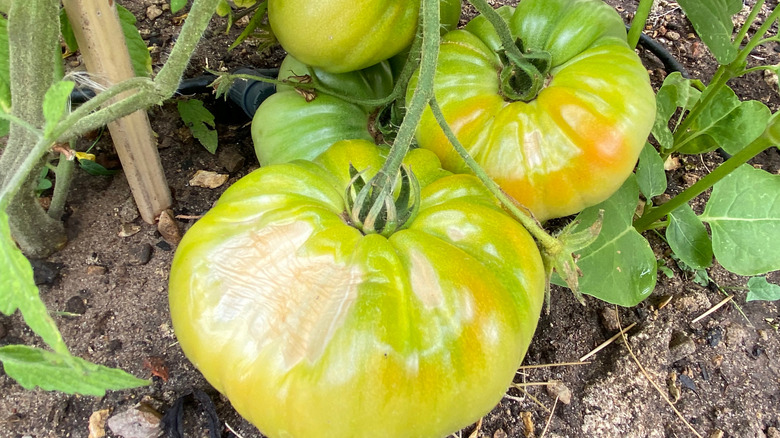
It's no secret that tomatoes need sun. Guess what, though? They can have too much of it. When this happens, sunscald can occur, and this is bad news for the health of your plants. Sunscald can cause tomatoes to blanch and develop yellow or white spots on the parts of the fruit that are most exposed to the sun. This can then cause them to grow more patchily and wrinkle, affecting the quality of the fruit, and additionally, it may make them more prone to fungal issues.
That's why you should moderate the amount of time your tomatoes are getting in the sun. Generally speaking, tomatoes need around six to eight hours of sunlight a day to grow properly. Any more than that, and the fruit may suffer. If you know your plants will be getting more than that, you need to shield them in some way, either by covering them with a cloth or using an umbrella to stop light accessing them so freely. This is also why you should avoid pruning your tomato plants too heavily, as doing so will remove leaves that may have otherwise kept the fruit sunscald-free.