

11 Bourbons Every Buffalo Trace Fan Should Try
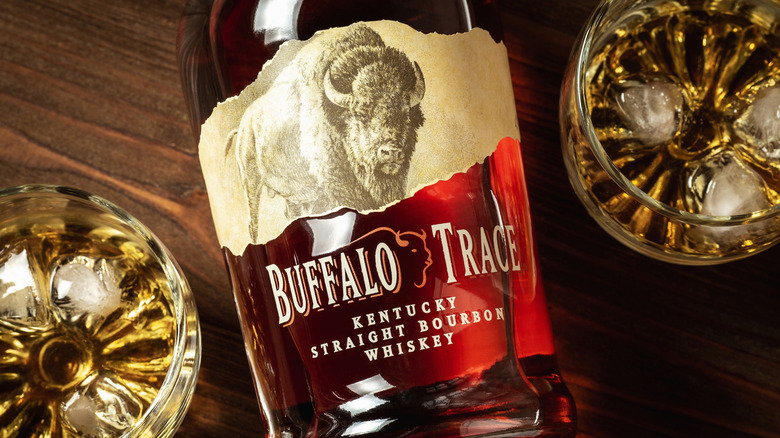
Even within a truly crowded category, Buffalo Trace has managed to carve out a corner for itself as one of the more coveted bourbons on the market. Unfortunately, as you might expect of what many consider to be one of the best bourbons under $50, its popularity can also make it harder to find in some areas more often than we'd care to admit. But whether you're craving that flavor profile (or just want to try something new and similar), there are plenty of options on the market that can scratch the itch for a rich, rounded, mellow whiskey.
As a New York City bar owner, spirits expert, and professional tasting note writer with over 16 years of experience, I've learned how to compare and contrast different bourbons from all price points. Some of this side-by-side tasting has also allowed me to discover the products that can work as stand-ins when your go-to isn't as easily available. With such a hefty and ever-changing (and often inaccessible) category to work through, I've also reached out to industry experts, getting advice from Chris Walster, a whiskey expert from The Cask Connoisseur, on which releases are suitable swap-ins. Here are the bourbon picks we think Buffalo Trace fans will love just as much, if not more.
1. Michter's US★1 Small Batch Bourbon
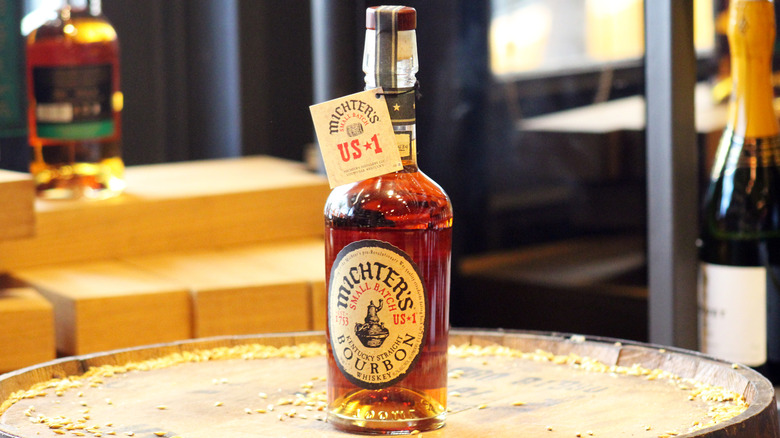
For many drinkers, the smoother, rounded finish of Buffalo Trace can be what keeps them coming back for more, but it's nice to find similarities in other releases that go beyond just their flavor profiles. I've long been a fan of this classic release from Michter's (and I've even called it out as another one of the best bourbons on the market under $50 and one of the underrated bourbons you should try this year). With its affordable price point around the $45 range, it's just as economical a choice as Buffalo Trace. Its relatively high availability on liquor store shelves and at bars throughout the U.S. certainly doesn't hurt things, either.
But of course, US★1 and Buffalo Trace share an undeniable similarity in taste, too. Both offer that plush mouthfeel and a softer, less spicy lower-rye profile, with nearly identical proofs around 90, that make them deceptively sippable. I'd argue, if you're looking to lean more into those comforting but well-balanced flavors of baked goods, stone fruit, and toffee, this dark horse of an American classic could easily start sharing equal time on your roster.
2. Eagle Rare 10 Year Old
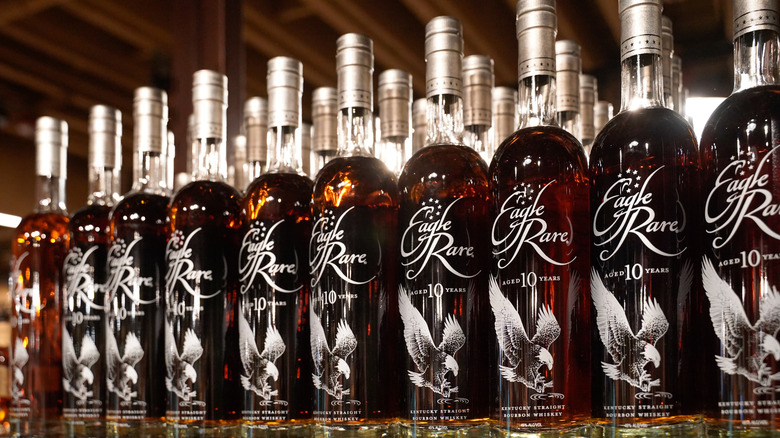
At first blush, I was concerned this recommendation might seem too easy to consider. After all, both of these popular bourbons not only come from the same parent company (Buffalo Trace Distillery, which is owned by the prolific Sazerac Company), but even from within the same building in Kentucky. They even use the same mash bill. To some, this might seem like ordering the same dish at a restaurant cooked by different chefs in the kitchen and expecting wildly different results. But even one side-by-side taste test shows these two technical siblings really do share more similarities besides their provenance and recipe.
Chris Walster, agrees that this comparison could feel a little bit obvious, but he argues that while Eagle Rare offers the same familiar sweetness, it also has more notes of oak and cocoa, and a slightly drier finish that helps differentiate it just enough to be unique. "It's a great example of how additional time in the barrel can change a bourbon without taking away the characteristics that made you enjoy it in the first place," he says.
However, there is one potentially disheartening similarity between Buffalo Trace and this 10-year-old whiskey. Tighter allocation and extremely high popularity can make it just as difficult (if not more so) to find on the shelf or in bars. Still, along with its 12-year-old counterpart, Eagle Rare is one of those rare bourbons you can find at Costco from time to time.
3. Larceny Small Batch Bourbon
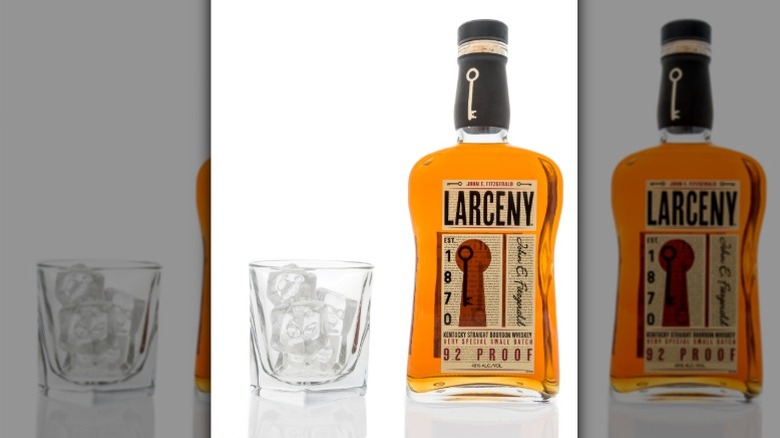
For those in the know, wheated bourbons are typically one of the easiest ways to get that rounded, velvety mouthfeel. This is because swapping in some of the mellow grain in place of rye in a mash bill is one way to build a lusciously smooth-bodied spirit. That's why, when I began compiling possibilities for this article, my mind almost immediately went to Larceny as a top-tier option.
Like Buffalo Trace, this Heaven Hill-owned release offers a touch more sweetness than spice, but still showcases caramel, vanilla, and butterscotch flavors with an even silkier, supple finish that makes it memorable. In a quick look back to my last set of tasting notes, I even pulled some subtle cherry, ripe red stone fruit, and soft nutmeg out of the mix. Even at a just-barely-higher proof than Buffalo Trace, it still has a robust mouthfeel and subtle notes of baked goods that make it a truly comforting sipper or even a cocktail base.
While it's not coming out of the same production facility as Buffalo Trace, Larceny has become something of a stand-in for the widely beloved (and sometimes hard-to-find) W.L. Weller wheated bourbon, produced by Buffalo Trace Distillery. However, the real selling point here may be that this bottle is relatively easy to find on the shelf and can often be a little more affordable, coming in at around $30 MSRP. Not bad for a small-batch bourbon release, if you ask us!
4. Benchmark Old No. 8 Bourbon
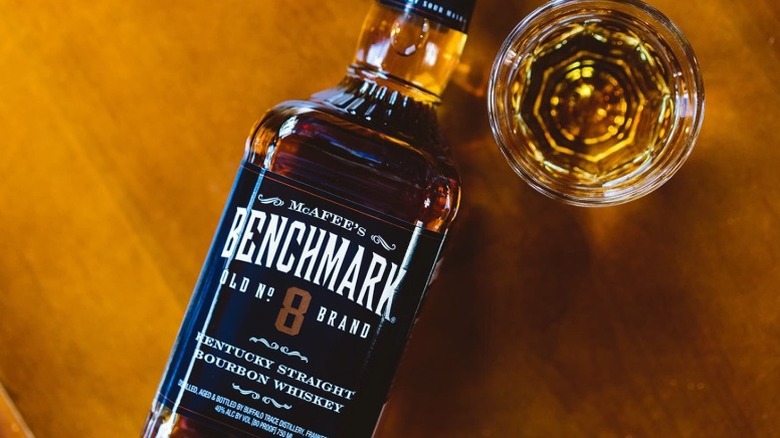
Buffalo Trace often gets high marks for being fantastic value on the shelf. But if you're looking for something even more affordable, this well-priced standby has fans across the industry who appreciate it for the same reason.
Similar to the Eagle Rare 10 Year Old, Chris Walster tells me that what makes Benchmark Old No. 8 Bourbon such an obvious recommendation is that it's produced at the Buffalo Trace Distillery and starts with the same mash bill. In this case, those familiar caramel and oak flavors are almost immediately recognizable in each sip, with my own tasting notes also pulling out flavors of caramel apple, cinnamon, and subtle baking spice that don't push it too far into rye-heavy territory.
Overall, Walster and I agree that Benchmark has a slightly lighter, more straightforward character. In many ways, it's also proof that overpaying for whiskey doesn't always guarantee a better experience, especially if you're just setting out to explore more bourbons outside your comfort zone. With a price tag that often dips below $30 a bottle, this is a solidly risk-free sample at the very least.
5. Four Roses Small Batch
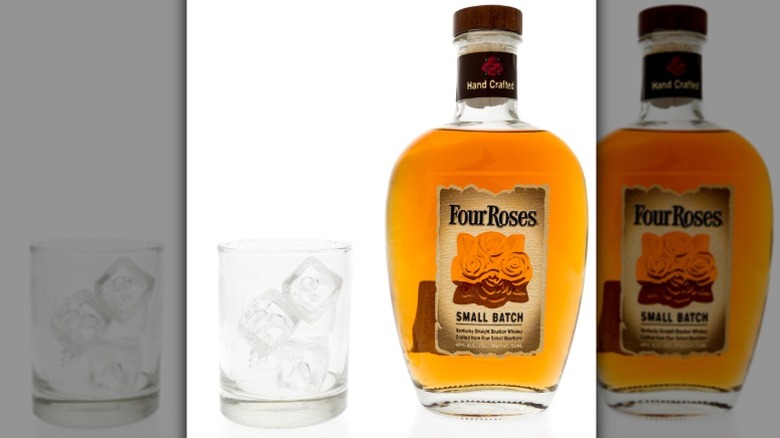
Anyone who has spent time in the hospitality industry is intimately familiar with this release, which has become something of a bartender's handshake for visiting colleagues and those in the know. Part of this is because this well-priced pour finds itself solidly in the "good value" category along with Buffalo Trace. And if you want to bring notoriety into it, last year's release was one of the picks most cited by experts as one of the best new bourbons of 2025 list. All in all, it's one of the pours that could become your go-to affordable sipper.
So what's all the fuss about? This mash bill ups the rye addition, giving it a touch more complexity without going overboard on spice, all backed up by those orchard and stone fruit notes. This puts it in the same rounded, soft, and subtly sweet realm as Buffalo Trace, making it a truly feasible swap-in with an identical alcohol content. The real bonus here is that you might actually spend about the same or a little less on this bottle than Buffalo Trace (and also be able to regularly find it), with retail prices ranging in the low-to-mid $30 range.
6. Maker's Mark Kentucky Straight Bourbon
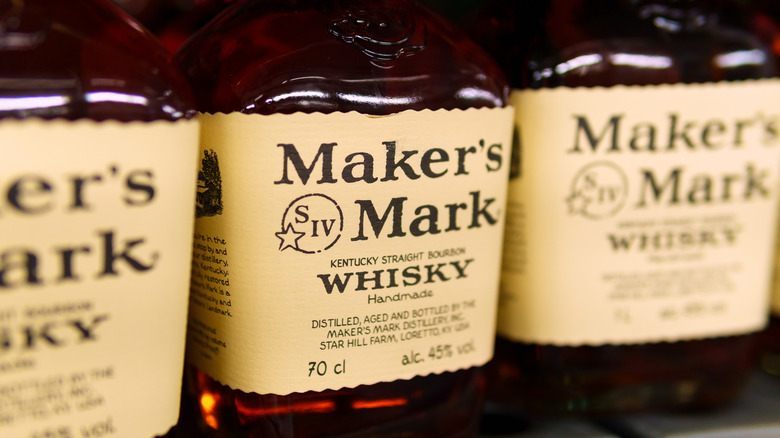
It's no secret that Buffalo Trace often picks up fans for its standout smoothness and subtle sweetness. While there are many releases that fit that profile in the wide world of bourbon, there are arguably none that are quite as recognizable as this iconic red wax-dipped bottle. I'd argue that this solid offering suffers from a bit of overexposure in the market, with many passing over Maker's, thanks to its high profile and wide availability. If you're willing to keep an open mind, though, it might be worth reaching for this hallmark bourbon the next time you want something similar yet appealingly different.
According to Chris Walster, the biggest difference here comes down to the grain recipe. Whereas Buffalo Trace uses rye as its secondary grain, Maker's Mark uses wheat, which gives it a softer, rounder character with plenty of vanilla, caramel, and gentle baking spice. I've always found this is what makes it one of the best bourbons for your old fashioned on the market, but it's also widely available enough to be what I call an "airport order" when you need it most.
Ultimately, this comes through as the kind of dark horse selection for anyone committed to that supple, round flavor profile. "I'd recommend this to someone who enjoys Buffalo Trace but perhaps finds some of the spicier bourbons a little too sharp," says Walster.
7. Kentucky Peerless Double Oak Bourbon
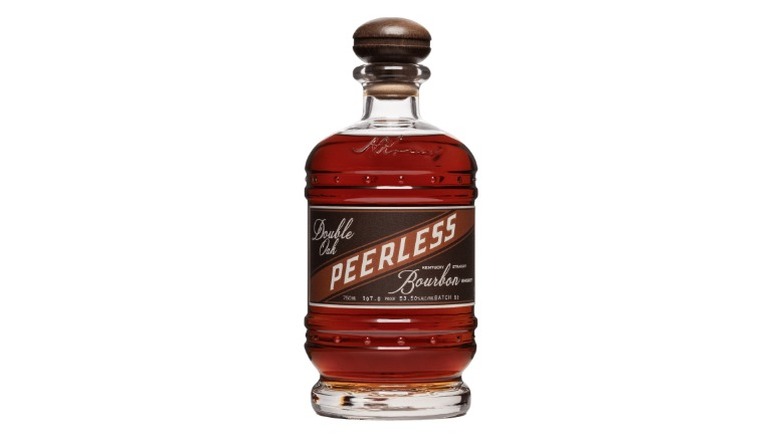
Part of what drives bourbon fans into the category is the rich, oaky flavor that serves as the trademark for the style. If you're looking for a lesser-known release that really highlights those barrel notes, you won't want to miss Kentucky Peerless Double Oak Bourbon. As the name suggests, this release doubles down on its wood exposure to drive home those vanilla flavors and provide that plush smoothness so many whiskey drinkers are after.
In his summation, Chris Walster says there's still plenty of sweetness to this pour (particularly honey), but the second barrel introduces more pronounced toasted oak, cinnamon, cocoa, and some earthy notes. He conceded that it's a bigger, more intense experience in comparison to Buffalo Trace, but the sweetness ultimately helps tie everything together.
Walster also says he finds Peerless particularly interesting because of its commitment to doing things differently. "It uses a sweet mash process, makes its own whiskey rather than sourcing it, and bottles at barrel proof without chill filtration," he explains. And while it might not be anywhere in the ballpark of Buffalo Trace's affordability, with a $120 suggested retail price, it's a bottle he would suggest to someone looking to spend a little more and discover a bourbon with a distinctive approach to production.
8. Redwood Empire Pipe Dream Bourbon
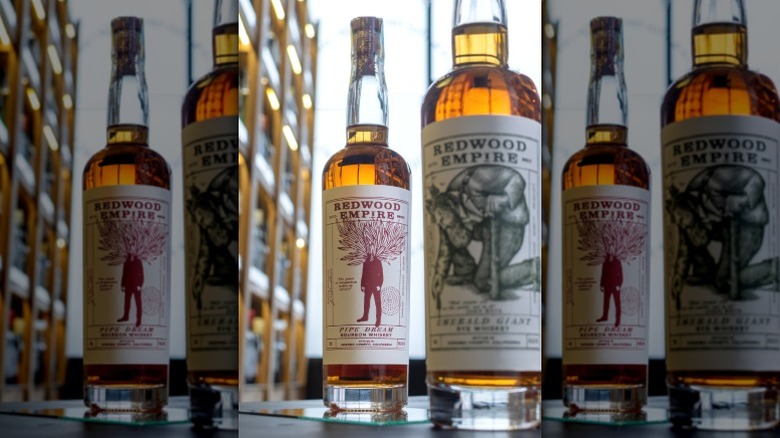
Speaking of brands that don't quite get the shelf space or hype that other releases do, it's hard to think of a release more fitting than this unique California-made whiskey. According to Chris Walster, it's got plenty of the flavors Buffalo Trace drinkers will recognize, particularly vanilla, honey, and a lovely rounded sweetness. But he says there's also a nuttier character and a gentle peppery finish that make it interesting without being too challenging.
Walster adds that one of the things he likes best about Redwood Empire is the identity they've created around the Californian redwoods that literally make up the brand. "Pipe Dream is named after an actual tree, which is a nice talking point, but more importantly, it's a bourbon that can stand on its own merits," he says. While it might not be the most widely distributed, he argues this provides a great starting point with a familiar flavor profile that's well off the beaten path of obvious brands.
9. Jim Beam 7 Year Black Label Kentucky Straight Bourbon Whiskey
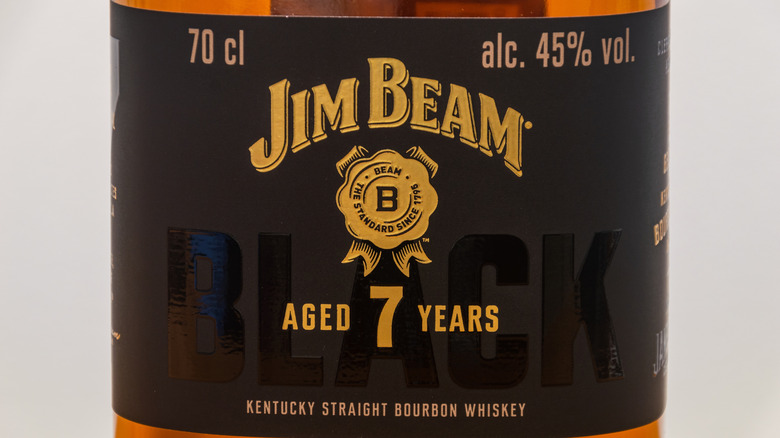
Like Maker's Mark, Jim Beam is one of the brands out there that likely gets passed over based on its name recognition alone. This is unfortunate, because not only is this classic bourbon similarly priced (or even more affordable) than Buffalo Trace, at around $25 suggested retail price, but it's yet another example of a bourbon dialing down the rye in favor of more corn.
As previously noted, this change allows for toastier, caramelized sugar flavors to shine through, culminating in a subtly sweet finish that's easy on the palate. On my last tasting, I picked up notes of cinnamon sugar, apple cider donut, pecans, and subtle almondy marzipan, with a caramel-dipped finish that lingered on the palate. This roundness and restrained spiciness is enough to convince me this would work for a fan of Buffalo Trace's similar characteristics. The one major difference here is that this might be more available, completely bypassing the tight allocation and hype purchasing that makes the latter whiskey so much harder to find in the wild.
10. Bardstown Bourbon Company Origin Series High Wheat
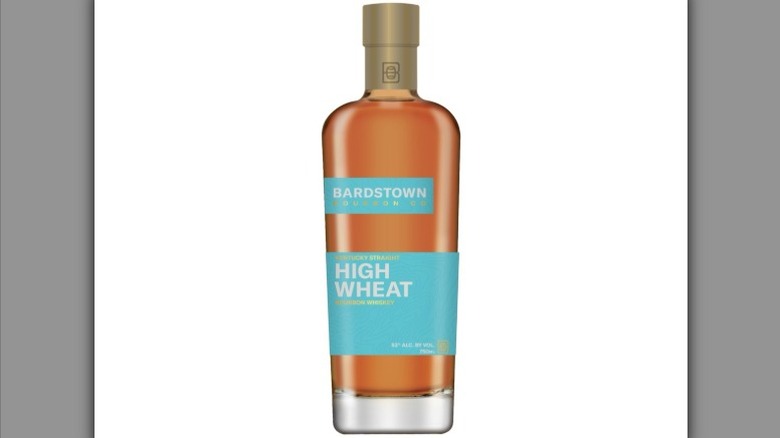
Die-hard bourbon fans are familiar with this cutting-edge distillery located in the "Bourbon Capital of the World". After all, it's somehow managed to put itself at the forefront of innovation in a category typically known for anything but, with its unique and inventive releases that rely on unique barrel aging and mash bill techniques. But once again, this particularly distinctive offering is a suitable Buffalo Trace alternative because it shows how changing the grain recipe behind it all can completely alter the character of a bourbon.
"Buffalo Trace has that familiar balance of sweetness and rye spice," says Chris Walster, "whereas the high proportion of wheat in this bottle creates something softer in character, with notes of crème brûlée, apricot and pastry." Just don't mistake softer for weaker, though — at 106 proof, there's still plenty of body and flavor behind each sip.
Walster says he'd recommend Bardstown Bourbon Company Origin Series High Wheat to someone who enjoys Buffalo Trace but wants to understand what different grains can bring to the glass. If anything, he says it serves as a good reminder that there's far more to bourbon than simply how long it's been aged.
11. Chattanooga Whiskey Cask 111
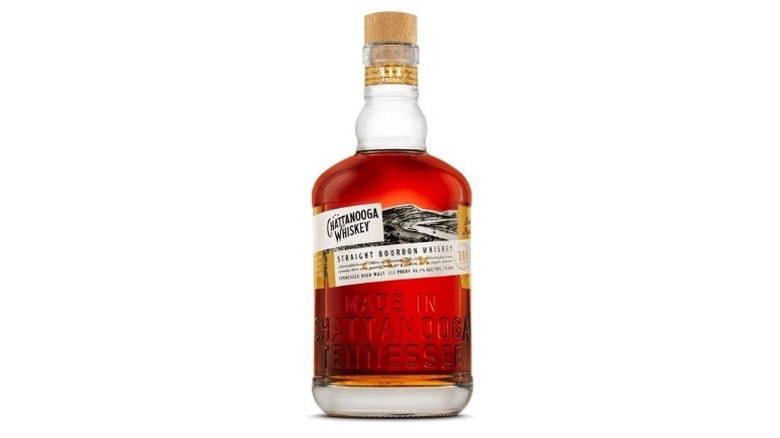
If there's any whiskey that deserves props for striking off the beaten path (both literally and figuratively), it's this Tennessee-made bourbon. Chris Walster argues that this is an unconventional but appropriate stand-in for Buffalo Trace, despite a few key differences between the two. While it's still recognizably bourbon, he says it has a distinctive malty character alongside chocolate, cherry, coconut, and warming spice on the palate that simply dazzles. For someone who enjoys the darker fruit flavors and sweetness in Buffalo Trace, it's an interesting direction to explore.
Walster adds that the production process is fascinating, too, saying, "Chattanooga uses several different malted grains and a relatively long fermentation, which helps give the whiskey its own personality." To be fair, it's also a much bolder cask-strength bourbon at 111 proof, leading Walster to concede that he wouldn't necessarily call it a direct substitute for Buffalo Trace. Rather, he thinks of it more as an "adventure" for somebody who's ready to explore what else bourbon can offer. And at roughly $45 a bottle, it falls squarely within the same price range, too.