

9 Downsides Of Canned Frosting (And How To Fix Them)
We may receive a commission on purchases made from links.
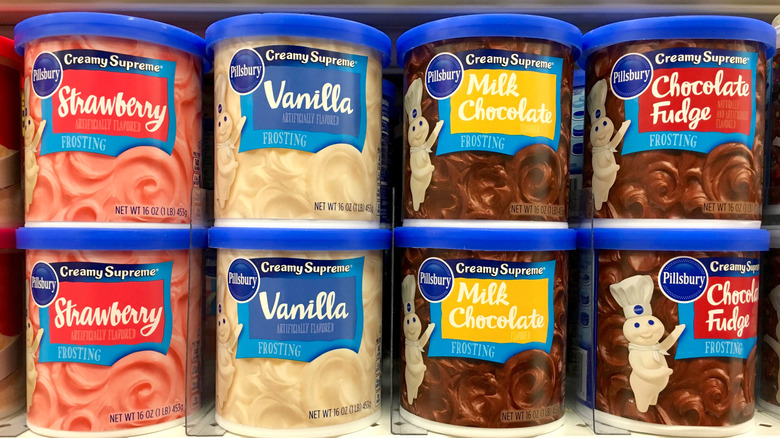
After baking a rich chocolate or delicious vanilla buttermilk cake to appease your sweet tooth, the dessert is far from done. Before you can call any cake truly complete, you have to figure out the frosting — it's literally the "icing on the cake," after all. Homemade options like American buttercream or cream cheese frosting are packed full of flavor, but they also take time to craft. Canned products were created to solve that issue, allowing you to frost your cake quickly without any extra prep. Pre-made options are convenient and affordable, but unfortunately that convenience comes at the cost of a product that's often far from perfect.
After working in the food industry for more than 15 years and spending a large portion of my life in bakeries before that, I've made (or seen others make) more frostings than I can count. While I love crafting them from scratch, I don't always have that kind of time, so I've used canned frostings in a pinch at home fairly frequently over the years. But one thing I never do is use store-bought frosting straight out of the can, because there are so many downsides to doing so. Downsides that can wreck your cake with flavor, textural, sweetness, or aesthetic issues. Thankfully, there are quick ways to fix these problems, so without further ado, here are nine downsides of canned frosting, with expert advice on how to fix them.
1. It's too dense
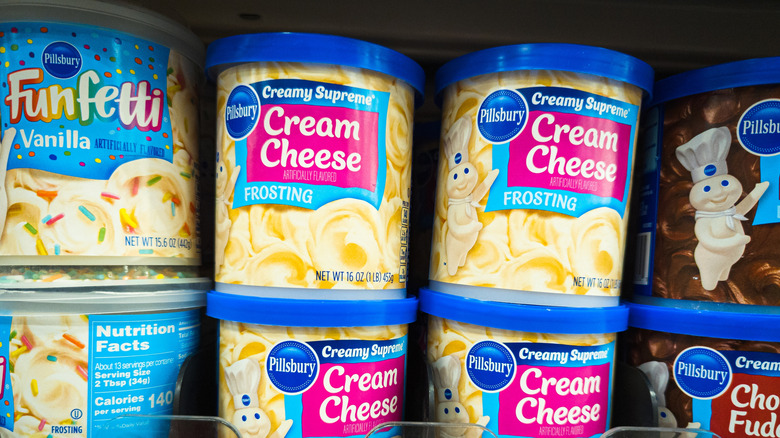
A good icing should have a little weight, so it adheres properly to the cake and keeps its structure during decorating, but "little" is the keyword here. The primary thing you should be looking for in frosting is whether it's soft and fluffy, because this makes using it and eating it a better experience. The problem with canned frosting is that it's extremely dense, which makes working with it challenging. That heaviness can also make it feel too filling when eaten.
To fix this density problem, pull out your stand mixer or grab a hand mixer and a large bowl. Dump the icing into your bowl of choice. If using a stand mixer, use the paddle attachment. If using a hand mixer, you'll want to use the whisk attachments. Whip the icing until it's fluffy and has roughly doubled in size, using the medium setting in either case. For stand mixers, this should take only one to three minutes. With a hand mixer, it should take three to five minutes. As a bonus, fluffing up your canned frosting this way also gives you up to double the volume to work with. It's like getting two cans of frosting for one if you do it right.
2. It can be too sweet
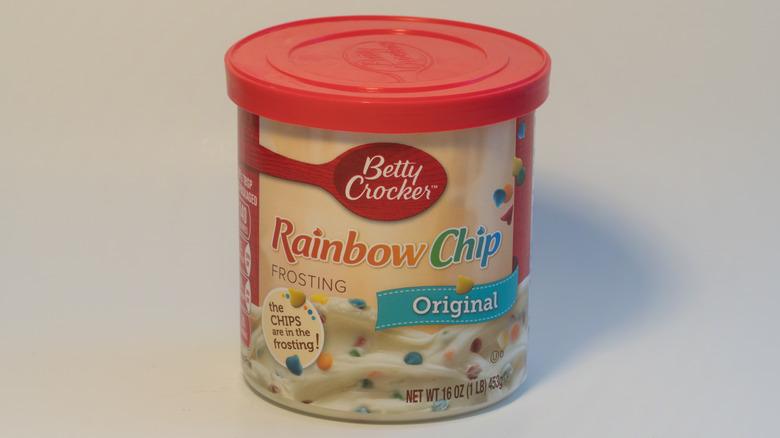
I love sweet frosting. When I'm baking from scratch, I even craft my cakes to be a little less sweet, to strike a good balance between the two. But there can be too much of a good thing, and excessive sugar can lead to a frosting that's cloying, one-dimensional, and sometimes outright inedible. Unfortunately, canned frostings often veer into "too sugary" territory — even for me and my nearly insatiable sweet tooth.
The good news is, there are three ways to cut that sweetness, and none of them take more than five minutes. First, you could try to add a pinch of salt. This will temper the overwhelming sweetness without adding any flavor notes of its own. Alternatively, you could mix in some high-quality unsalted butter. Add a tablespoon at a time and mix only until it's fully combined. This will balance the sweetness while adding light buttery notes to the frosting. You can use good-quality store-bought salted butter in lieu of unsalted, if it contributes to the existing flavor profile, like when doctoring salted caramel. Finally, you could use ⅛ to ¼ a block of softened cream cheese. This will balance the sweetness while adding a richer texture and light tangy notes.
3. It can be not sweet enough
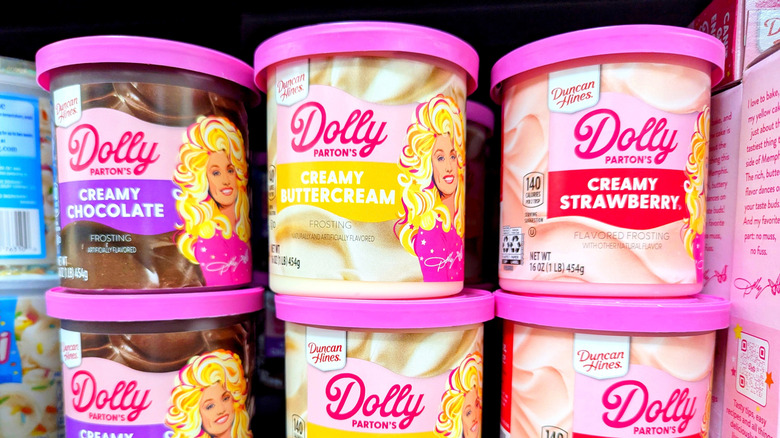
Too sweet can be a problem, but at the opposite end of the spectrum, you might encounter canned frosting that simply isn't sweet enough. Instead of sweetness, the topping might carry strong bitter notes, be too buttery, or even overly salty. Achieving the right flavor profile in any frosting is all about balance, and it's incredibly easy to throw that off.
The easiest way to sweeten your frosting is to add a tablespoon or two of confectioner's sugar (also called powdered sugar). This is the primary ingredient in most frostings anyway, and it has a neutral sweet taste that should elevate the sweetness without diluting the primary flavor too much. The best time to add this is before you whip the canned frosting, but you can also include it afterward — just be sure to only stir it until it's combined. If adding confectioner's sugar makes your frosting too thick, balance it with milk or water in half-teaspoon increments.
Depending on the type of icing you're using, there are a few other things you might want to try instead. For chocolate frosting, try adding a teaspoon or two of melted milk chocolate. Not only will this enhance the sweetness, but it'll also give a more robust chocolate taste. Maple syrup and honey are natural alternatives that can work well in seasonal fall-flavored icings, specialty buttercreams, or any similarly flavored product.
4. Canned frosting can taste flavorless
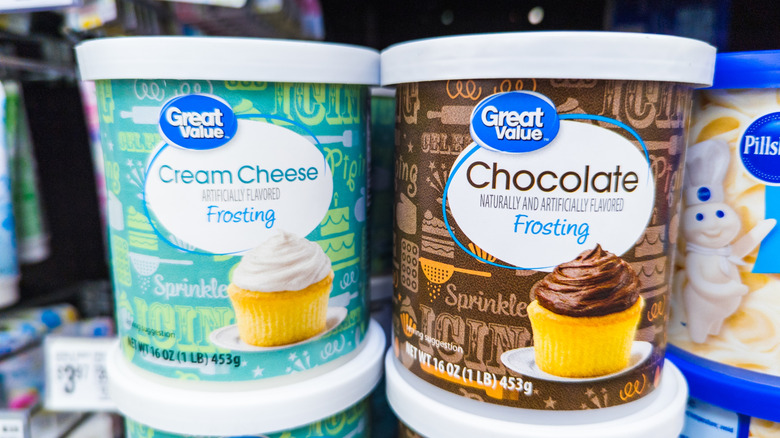
If the sweetness isn't a problem, a lackluster flavor might be. Sometimes, canned frostings are devoid of notes that can either subtly add to a complex flavor profile, or else robustly take center stage. Thankfully, this is yet another downside of canned frosting that's simple to solve with ingredients you likely already have at home.
High-quality vanilla extract is an easy addition to literally any recipe. Yes, every single one of them — vanilla has a subtle taste with a bold aroma that enhances other flavors. For a standard can of frosting, I recommend adding ½ teaspoon of your favorite vanilla extract alongside any other flavor enhancements. I recommend Watkins Pure Vanilla Extract — in fact, I only use Watkins, because this company has given me reliable quality for years. That being said, you can add ½ teaspoon of any complementary flavor extract you like. Almond, coconut, caramel, orange, cinnamon, and peppermint are just a few potential options.
If you don't have a flavor extract on hand, you could try a dash of strongly brewed coffee or espresso for chocolate frosting. Cinnamon, nutmeg, cardamom, brown sugar, or nut butters can also work, depending on what flavor your frosting is, as can store-bought grape jelly or strawberry jelly.
5. The texture is grainy
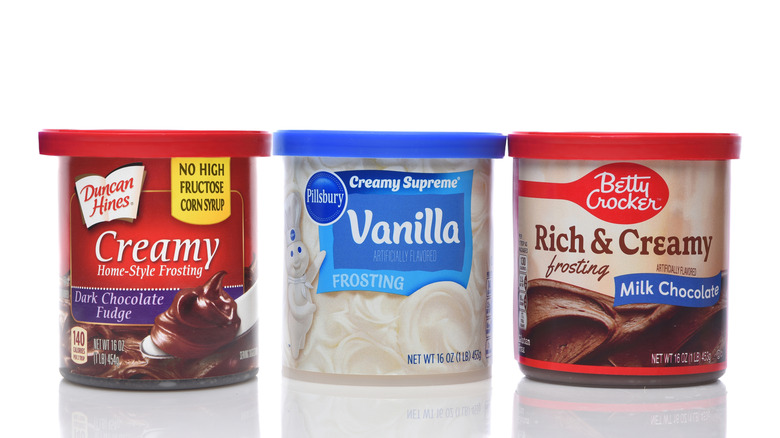
When you bite into frosting, you expect a smooth, fluffy taste with nothing truly solid marring the experience. But all too often, a spoonful of canned frosting greets you with a gritty texture, reminiscent of sand. For me, a texture where it isn't supposed to be is enough to ruin pretty much any eating experience.
This gritty texture in canned frosting happens because it naturally crystallizes as it sits on the shelves. The longer it sits, the more gritty it will become. If your frosting is like this, don't throw it out just yet, because you can fix it. Although the solution to this issue is slightly more involved than others on this list, it still shouldn't take you more than ten minutes to accomplish.
Start by warming your icing for 10 to 15 seconds in the microwave — you can warm it in the container provided you remove the foil lid first. Once slightly warmed, put the frosting into a large mixing bowl, scraping the sides with a plastic baking spatula to get everything. Into the bowl, add 1 teaspoon of warm milk or heavy cream, and whip it with an electric hand mixer on low until it's all combined. Add one teaspoon of room-temperature butter and whip it on medium until the mixture is light and fluffy. There should be no more grainy texture!
6. There are artificial flavor notes
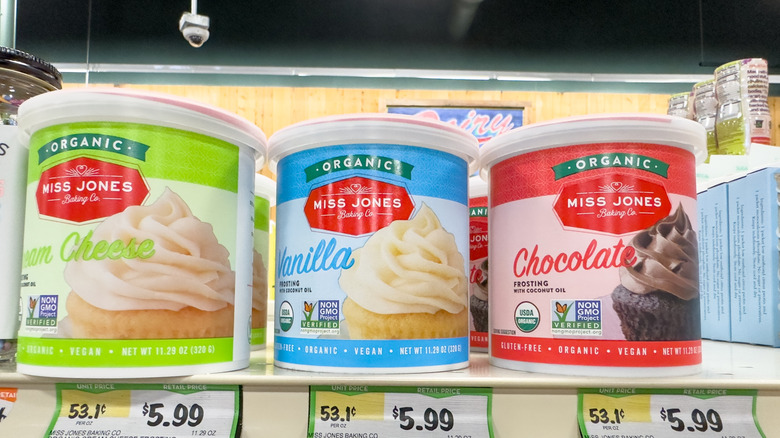
Artificial tastes are the bane of my existence, and nothing ruins a store-bought product more for me. I recognize that my war on artificial flavor notes likely stems from my extensive family history, dating back at least three generations of chefs, bakers, and pastry chefs — not to mention home cooks so good the whole neighborhood begged for their recipes. Long story short, I've always been spoiled when it comes to what constitutes good food. And, unfortunately, canned frostings are often heavy on artificial notes.
To be honest upfront, artificial notes are a hard downside to solve. Sometimes, it's nearly impossible to get rid of them completely. But there are a few ways to guarantee those tones are at least diluted.
One option is to dilute the base with either butter or cream cheese (and a little confectioner's sugar). Unlike when fixing a sweetness issue, you'll need to add a bit more. I suggest starting with ¼ block of cream cheese or ½ stick of butter, paired with 2 tablespoons of confectioner's sugar. From there, you can adjust the recipe as needed. Other options are to mask the artificial notes with high-quality extracts, whip the frosting to better distribute the flavors, or add a pinch of salt.
7. The options are limited
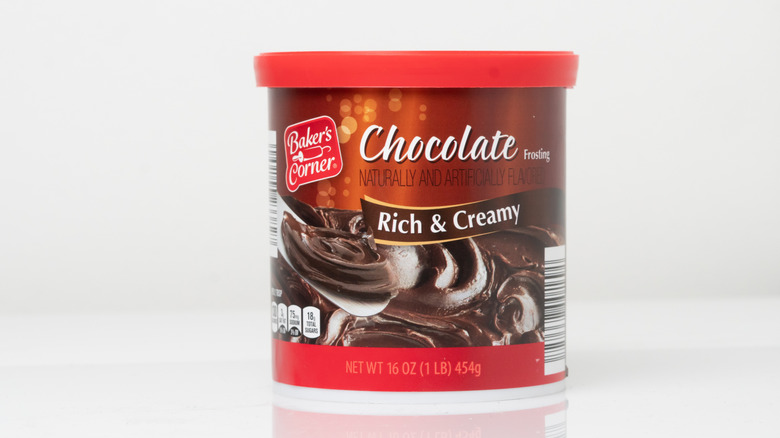
The canned frostings lining your local grocery store are generally limited. You'll likely find a combination of five or six mainstays, two or three unique options, and maybe two or three seasonal frosting flavors. This severely limits your creativity and the potential flavor combinations you can create with your baked goods.
To solve this downside, try combining other flavors with the basic canned frostings available. One of my favorite things to do is add two or three tablespoons of peanut butter to chocolate frosting, because it creates a Reese's-like flavor. Also among my favorite combinations are adding cream cheese to strawberry frosting, almond extract to vanilla icing, or a bit of blueberry pie filling to lemon frosting. I recommend experimenting with different combinations to discover what you like best. Just bear in mind that you may need to add a bit of confectioner's sugar to thicken your icing after adding your new flavors.
8. They're texturally boring
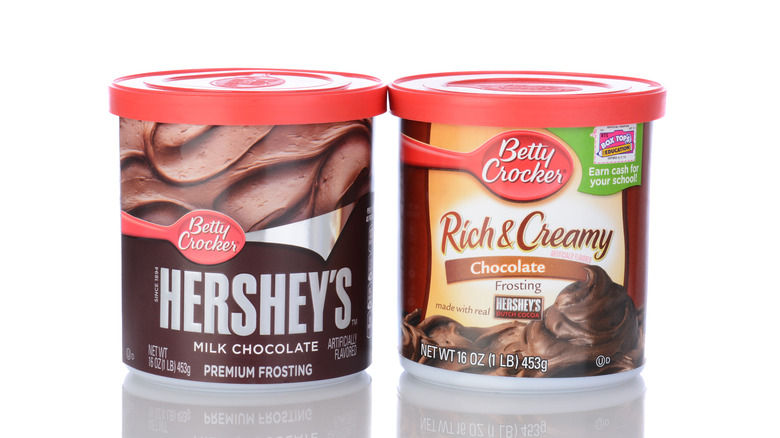
Unless they've become grainy (which you don't want in the first place), canned frostings are almost always entirely smooth. Sometimes this is fine, but it can become texturally boring over time. Or you may simply prefer more textural interest, like me, and these smooth canned options don't satisfy that preference.
Solving this issue requires a little creativity, and either knowledge of what flavors pair well together or a willingness to experiment. Try adding things that'll boost textural interest while also elevating the flavor profile. Crushed cookies, crushed freeze-dried fruits, and various baking chips that have been lightly smashed are some of my personal favorite mix-ins. You can also try broken M&Ms, shredded coconut, finely chopped nuts, sprinkles, or crushed pretzels.
Although these things are often referred to as "mix-ins," you should avoid actually mixing them in. Instead, fold them in gently after you've fixed any other issues. Keep in mind that some larger additions will make it challenging to use a piping bag, so you may have to apply your frosting with a baking spatula instead.
9. Their aesthetics can be bland
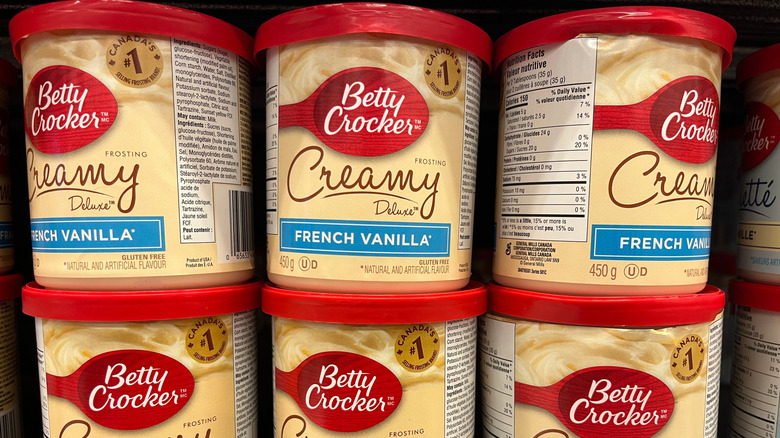
Canned frosting isn't just texturally boring, but also visually boring, too — with rare exceptions, like Funfetti or German Chocolate, of course. Adding mix-ins that improve texture can sometimes offer the secondary benefit of enhancing visual aesthetics. The bright pop of broken M&Ms against a vanilla icing, or the contrast of dark chocolate chips against a bright pink strawberry, really draws the eye. But this is far from your only option if a prettier icing is your primary goal.
Food dyes can be used to either alter or enhance the color of your frosting. If you simply want a bolder color, use a few drops in the existing color. If altering the color, remember combinations to create something new. White icing will accept any new color, but if you want to turn a yellow icing orange, you need to add red. Blue icings will turn green when you add yellow coloring, and red icings will turn purple when blue is applied.
After the icing has been applied to the cake, you can also use edible garnishes. Examples include sugar pearls, edible glitter, and colored sprays. Instead of mixing these in, you should apply them directly to the top of the icing when it's already on the cake — otherwise, any unique visual effects will get lost or become lackluster.