

American Vs Mexican Lager: What's The Difference?
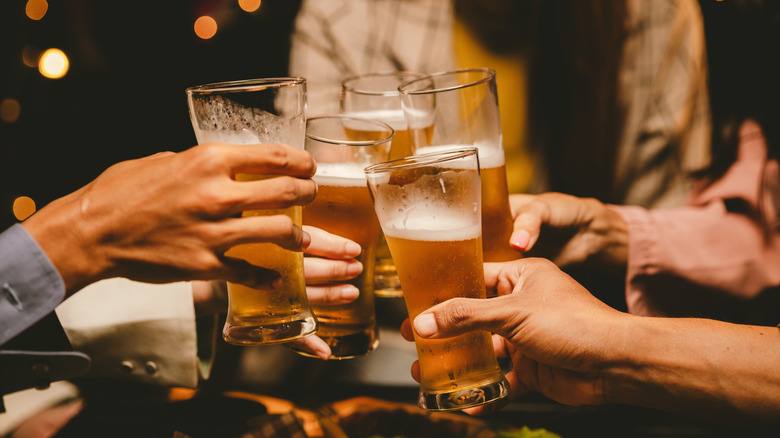
The sun is out, the temperature is up, and you're on your way to a backyard barbecue. You've stopped to pick up some beer. Looking through the beer aisle can be overwhelming. It's a hot day, so a light, easy-drinking lager is your best bet for a crowd-pleaser. In the U.S., two lager styles stand out in the refrigerated cases in most markets: American and Mexican. Both types are refreshing and light, so what's the difference?
In general, Mexican lagers tend to be a little more flavorful while Americans are simpler. Both can be made using adjuncts (additions outside of the main ingredients of malted barley, hops, yeast, and water), typically corn or rice. Corn is more often used in the Mexican version. The World Beer Cup (WBC), a yearly beer competition, has separate awards for both styles, after adding a Mexican-style category in 2026. Where the beer is brewed doesn't matter; the Mexican lager WBC 2026 winners were all from the U.S., while an American-style brewed in Honduras took silver. The differences are so small, however, that even Corona has been categorized at times as both an American and Mexican lager.
What is an American-style lager?
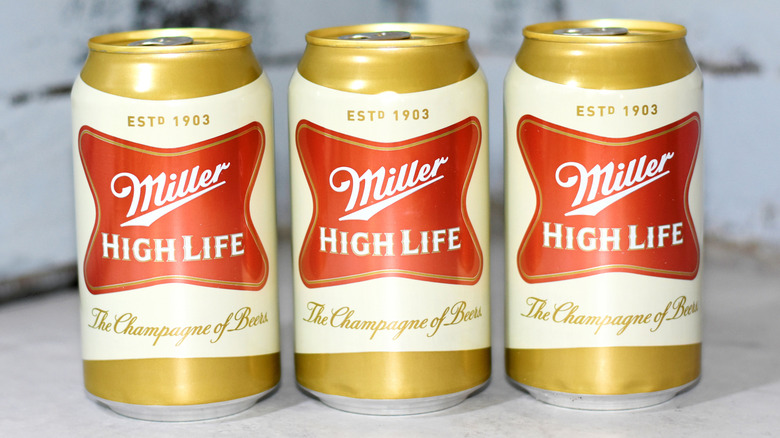
American lagers are clean, light, and refreshing. The first lagers on the continent were darker, more Munich-style. Over time, Americans wanted lighter beers and brewers complied. These aren't meant to be sipped and savored. Hops and malts aren't going to impart much in the way of flavor with these beers. Instead of sweetness from the malts, there will often be more of a biscuit or bready flavor profile. Alcohol by volume (ABV) should also be low, around 4% to 5%. Corn and rice are most often used to lighten the body, but other cereal grains and sugar sources can be used. Fried foods, burgers, barbecue, and spicy foods are classic food options to have with these beers, other foods like nachos or chili make for popular game day pairings.
Classic examples of American-style lagers include Coors Banquet, Budweiser, and Miller High Life. The 2026 winner of the WBC's gold medal in the class was Floyds Deluxe by Indiana's Three Floyds Brewing. When American-style is evaluated by the WBC, the judges look for very little sweetness and fermentation on the palate, and virtually no hoppiness or bitterness. They are great "if the crowd is more casual," Felipe Diaz, a bar manager and sommelier, previously told the Daily Meal, making it a good beer to bring to a BBQ.
What is a Mexican-style lager?
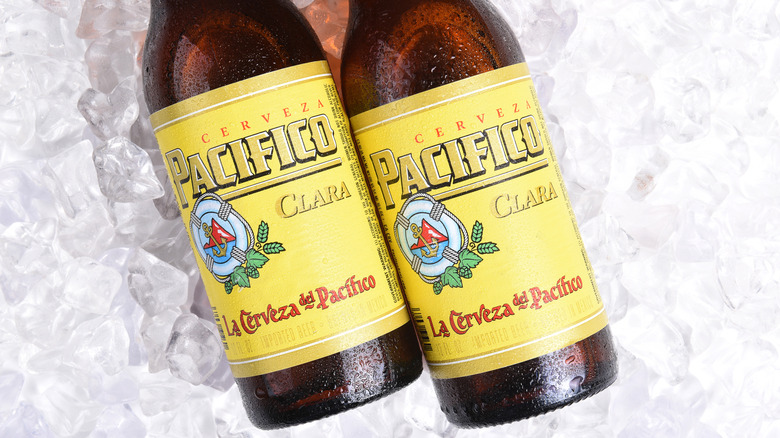
Mexican lagers were brought to Mexico by German and Austrian immigrants in the late 1800s, giving the country a love for Vienna lagers. Because of this, they have a little more going on. Up to 40% of the grain in the beer is often corn (flaked or malted). This corn and a higher usage of herbaceous, European noble hops like Saaz or Spalt give it more body and complexity. This refreshing variety is just as perfect for a hot day by a pool as its American counterpart — it will just get your palate's attention a little more. Pair this with anything you would pair with other lighter beers. Sure, chips and salsa, fish tacos, and enchiladas go well with a pint of Modelo, but so do pizza, ramen, and a burger. Try adding a Pacifico (or even Miller High Life) to your guacamole to give the dip an extra flavor boost.
The 2026 gold-medal winner from the WBC for this style was Cultura Cerveza, by Ogden Beer Company, based out of Ogden, Utah. When awarding the best Mexican lagers, the judges look for low sweetness, low fermentation profiles, and very low hop profiles and bitterness. The more mainstream, find-them-anywhere examples of the type are Pacifico, Modelo, Tecate, and Dos Equis.