

Stop Using Pyrex Dishes In Your Oven Without Following These Safety Tips
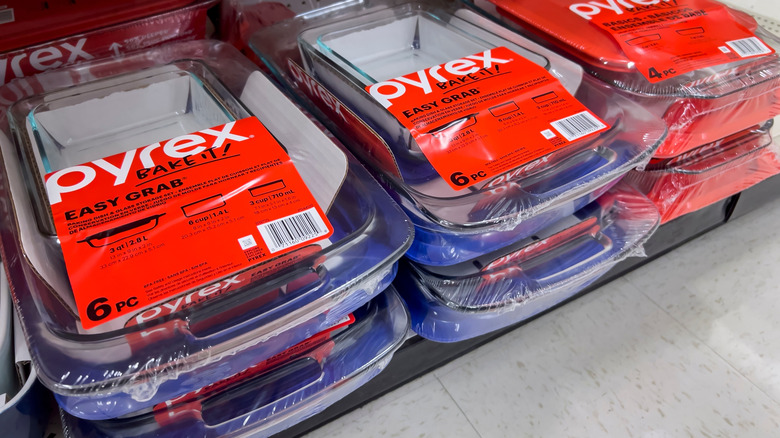
Picture this: You're hosting Thanksgiving and, to make the day easier, you prepared a few dishes in advance and stored them in Pyrex glass containers in the fridge. On the big day, you preheat the oven, move your homemade mac and cheese from the fridge to the oven, and a few minutes later hear the unmistakable sound of glass shattering. Now there's glass in the oven, your side dish is gone, and Thanksgiving dinner is looking a little different than planned. Luckily, we've compiled some safety tips to help avoid disaster.
Pyrex glass bakeware is designed for oven use, but that doesn't mean every kind of heat — or every temperature change — is safe for it. Using Pyrex safely happens in the minutes before the dish goes in, during cooking, and right after it comes out. Whether your Pyrex is brand new or a hand-me-down that has made it through decades of family dinners, a few seemingly harmless habits can turn dinner into a cleanup job. Knowing how to use Pyrex properly can help prevent your bakeware from breaking and keep your meal on the table.
Avoid thermal shock when moving Pyrex into the oven
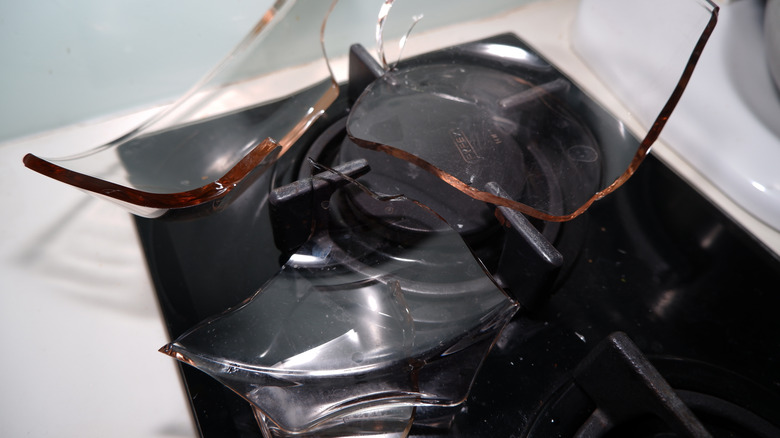
Besides being a disappointment, that Thanksgiving disaster has a name: thermal shock. Glass naturally responds to temperature, expanding as it heats and contracting as it cools. If the temperature changes too abruptly, different parts of the glass dish can expand or contract at different rates creating enough stress for the glass to crack or shatter., creating enough stress for the glass to crack or shatter. Moving Pyrex from a cold fridge straight into a hot oven can create the sudden temperature change that Pyrex warns against.
The type of glass the dish is made from can affect how well it tolerates these temperature changes. Original Pyrex was made from borosilicate glass, which expands and contracts less as it heats and cools. In the 1950s, the brand made the switch to heat-strengthened soda-lime glass. Borosilicate can better withstand extreme thermal changes, while soda-lime is more resistant to drops or other impacts.
Whether your family's prized Pyrex dish has been passed down through generations or yours is a newer addition to the kitchen, make sure to check for chips, scratches, or cracks in the glass, since existing damage can also cause the dish to break. Vintage or new, a Pyrex dish needs to be handled with care.
Completely preheat your oven before adding Pyrex
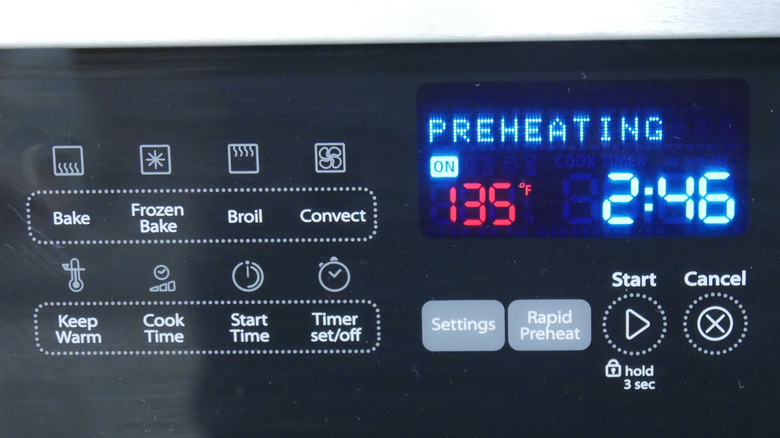
Waiting for the oven to fully preheat before putting in your Pyrex isn't just about following the recipe — it's also a necessary safety step. Pyrex specifically says its glass bakeware should only be placed in an oven once it has fully reached the desired temperature.
While an oven is preheating, its bake and broil elements cycle on and off to bring it up to the selected heat. These elements can become much hotter than the temperature set on the oven, and putting the glassware in too soon can expose it to direct heat. Once the oven has finished preheating, the dish can go in at the temperature called for in the recipe.
As tempting as it might be to shave a few minutes off dinner by putting your dish in while the oven is still warming, this is one shortcut that's better to skip. Wait for the oven to signal that it's ready, then add your Pyrex.
Keep Pyrex away from broilers and direct heat
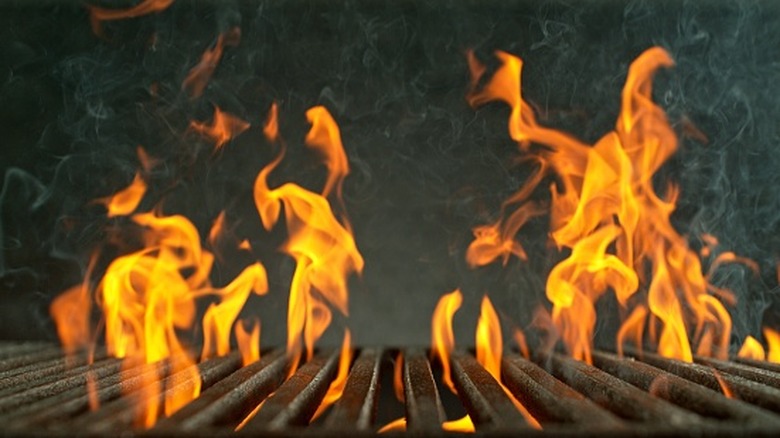
Once your Pyrex is safely inside a fully preheated oven, resist the urge to switch on the broiler for a blast of heat to crisp the top of your mac and cheese. Pyrex shouldn't be used under a broiler, even if the dish has already spent plenty of cooking time in the oven. During conventional baking, hot air circulates around a dish to cook it evenly, heating the glass at the same rate. Broiling uses a heating element, usually at the top of the oven, exposing the glass to direct, extreme heat.
The same warning goes for other direct heat sources, including stovetops, grills, camping stoves, and open flames. "Oven-safe" doesn't necessarily mean that your Pyrex is safe to use with any appliance with "oven" in its name. The company specifies that its glassware shouldn't be used in countertop appliances, including air fryers, slow cookers, rice cookers, or toaster ovens.
If you want a crispy top on your dish, it's best to brown the topping separately and add it before serving instead of putting the glass dish underneath the broiler.
Add liquid before roasting certain foods in Pyrex
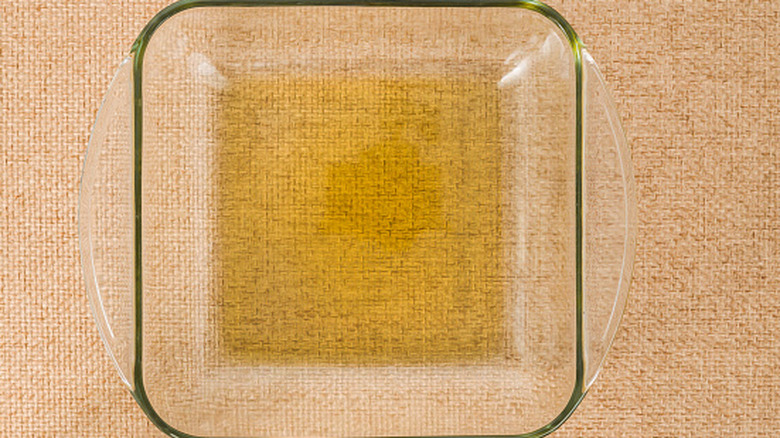
Foods like vegetables, fruits, raw meat, or seafood will release liquid when they're cooked. Regardless, Pyrex recommends adding enough liquid to cover the bottom of the dish before it goes into the oven. Having liquid in the dish from the start minimizes the risk of sudden temperature changes as the foods release more liquid during cooking.
Rather than adding broth or water, or basting your night's dinner with another liquid, add the liquid before the glass gets hot. Trying to warm that liquid to match the temperature of the already-hot glass would be a guessing game, and the company specifies that adding liquid to hot glass can weaken its strength. If you know your food is likely to give off juices as it cooks, adding a small amount of liquid from the start can be the difference between dinner and broken glass.
Handle hot Pyrex carefully after it leaves the oven
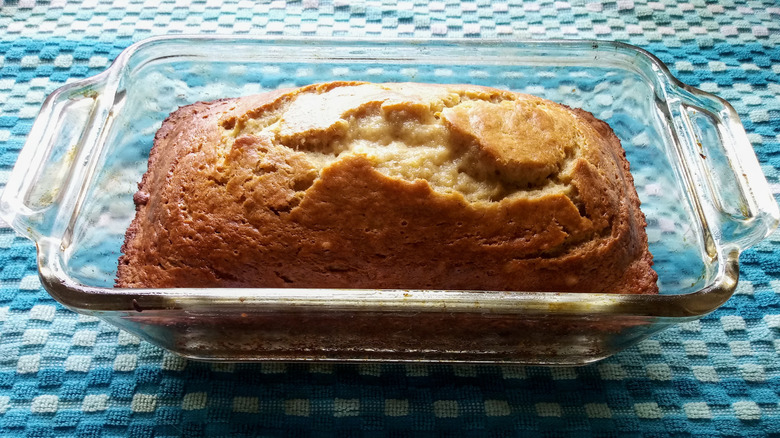
Getting dinner safely out of the oven doesn't mean you're totally in the clear. The countertop or sink might be convenient landing spots, but they're not the safest place for a dish that just finished cooking. Pyrex recommends placing hot glassware on a dry potholder or kitchen towel, cooling rack, wooden cutting board, or cork trivet instead. A cool or wet counter, metal surface, or sink can expose the glass to another sudden temperature change.
There are also safety rules to follow when serving. Pyrex warns against hitting utensils against the glass, since a hard hit can chip, crack, or damage the dish and make it more likely to break later. There's no guideline for the type of utensil to use, but avoiding scraping or cutting within the dish itself can keep it in your kitchen for much longer.
Once dinner is over, let the glass cool before washing it, putting it in the fridge, or moving it into the freezer. Running hot Pyrex under cold water or setting it on a damp surface can undo all of the rule-following that got dinner on the table safely.