

5 Sam's Club Produce Items Worth Every Penny And 4 You Should Skip
We may receive a commission on purchases made from links.
Buying produce in bulk at Sam's Club is a great way to stock up on healthy staples in an affordable way, especially if you have a big family or regularly cook with fresh fruit and veggies. The warehouse has a huge selection of produce, spanning leafy greens and sweet potatoes to citrus, grapes, berries, and seasonal specialty favorites. But if you're shopping at Sam's Club on a budget, know that not every type of produce is worth buying in bulk, and there are some produce red flags you need to know about.
Some fruits and vegetables can live on the counter or in the fridge for weeks and even months, while others spoil quickly, effectively turning an affordable bulk purchase into a waste of money. Price is another variable to consider when buying in bulk, as not every fruit or vegetable saves you money when buying in large quantities. To find out which options are truly worth buying in bulk at Sam's Club, we considered quality, versatility, and shelf life, along with what Sam's Club shoppers have to say about their experiences. We also looked at prices, based on the San Diego region, although prices elsewhere may vary. These are the produce items worth every penny at Sam's Club, along with the ones you may be better off skipping.
Buy: Romaine hearts
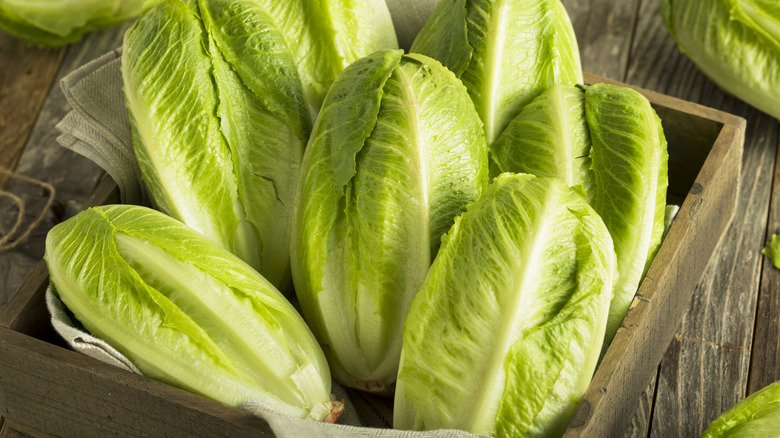
Romaine lettuce is a smart bulk purchase from Sam's Club for several reasons. For starters, the warehouse sells a 6-count of romaine hearts for just $3.87, which breaks down to $0.65 per heart — an impressive deal when compared to prices at many traditional grocery stores. However, what adds to the value of this produce purchase is how long you can store it without it going bad. Some fragile leafy greens like spinach tend to wilt rapidly, but with its sturdy leaves and thick ribs, romaine lettuce can last for over a week if stored properly.
Some customers swear by the tinfoil method, in which you take off any wilted pieces and then wrap the lettuce in tinfoil and store it in the fridge. Others claim that wrapping the hearts in a damp paper towel and storing them in a resealable bag works to preserve their greens for three weeks or more. With more than 9,000 5-star reviews on the Sam's Club website, customers claim the lettuce is consistently fresh and crisp, making a perfect addition to salads, wraps, tuna boats, or sandwiches.
Skip: Strawberries
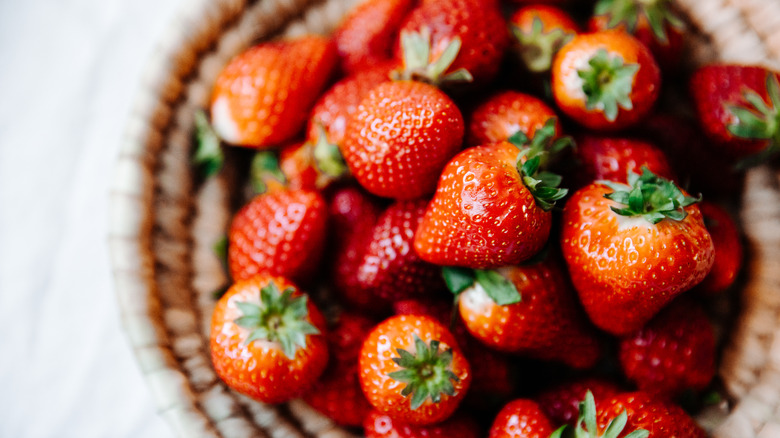
Customers tend to have positive things to say about some Sam's Club fruit, including grapes and blueberries, but shoppers online say the strawberries can be hit or miss. Strawberries are a delicate, quickly perishable fruit with a high water content, which makes them more susceptible to molding than some other fruits. And unfortunately, when one berry molds, the rest are not far behind. The process typically starts with berries in the middle of the package and then the problem spreads.
Sam's Club strawberries are sold in 2-pound containers, which can make it difficult to eat them before they go bad, leading to food waste. While fruit quality varies by location, many customers have cited issues with strawberries from Sam's Club molding quickly, sometimes within 24 hours of purchase. Some shoppers have found that even when the strawberries appear to be plump and red, they are still soft and mushy to the touch, so it might not be worth the gamble. You might be better off purchasing smaller quantities of this fragile fruit from the regular grocery store or a farmer's market.
Buy: Sweet potatoes
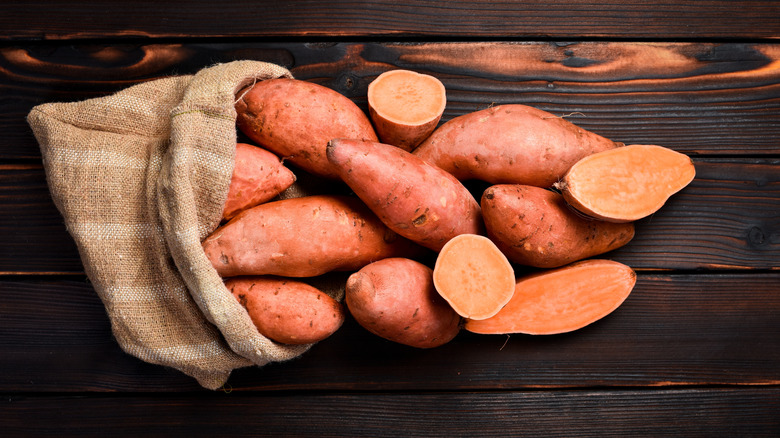
In addition to being an extremely versatile and nutritious ingredient, sweet potatoes have a rather long shelf life compared to many other produce items, making them one of the best groceries to buy in bulk. In fact, with proper storage, whole sweet potatoes can last up to a month, so they are well worth purchasing in bulk and keeping on hand for when you're ready to introduce this nutrient-dense carb into your meal. You can keep them out on your counter, or store them in a cool, dry space to prolong their shelf life. Sweet potatoes are typically an affordable produce item, and Sam's Club sells a 5-pound bag of medium sweet potatoes for just $4.77.
Additionally, some shoppers claim that Sam's Club has them stocked more consistently than Costco, so if you're someone who eats them regularly, Sam's is the best spot to buy from. One person wrote on Reddit, "My husband eats a ton of sweet potatoes and we can always find them at [Sam's Club] but Costco is more hit or miss." Plus, the same-sized bag of sweet potatoes costs more at Costco than at Sam's Club.
Skip: Avocados
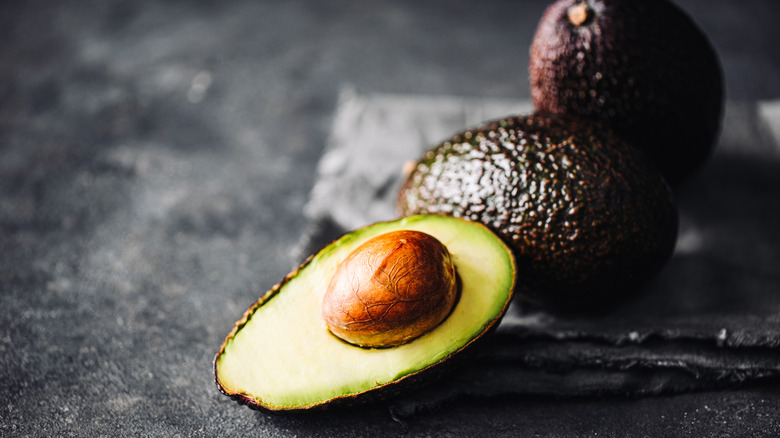
Avocados are notoriously finicky to buy perfectly ripe, so if you buy them in bulk, you may need to throw some out if they ripen too fast. That's why shoppers online tend to agree that they're not the best bulk purchase if you are conscious of food waste. A review from one Sam's Club customer notes that the grocer's avocados "ripen quickly and taste perfect ... if you can eat that many before they go bad. I only ate 3 before the others were turning black deep to the seed. I'll stick to buying 1 or 2 at a time." Unless you plan to make a large batch of guacamole soon after purchase, you might want to stick to buying this produce item individually at another grocery store.
While buying products in bulk at the warehouse is typically less expensive, this is not always the case with this fruit. Sam's Club carries avocados in five-count bags for $5.43, which breaks down to just over $1 each, but individual avocados at Target are only a little more expensive.
Buy: Bell peppers
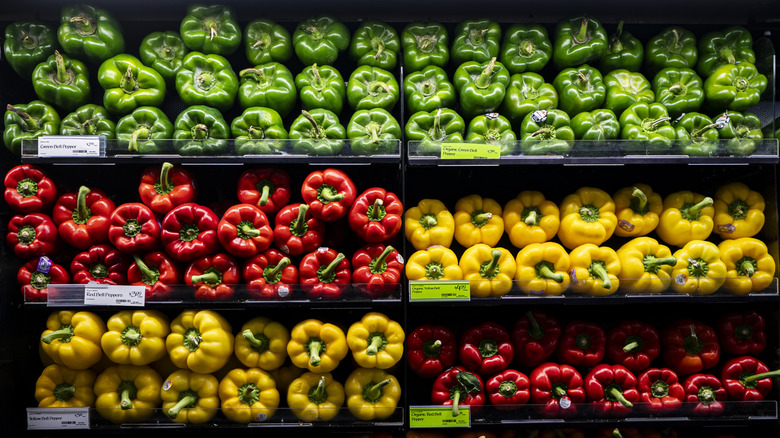
Bell peppers are vibrant veggies that add both color and flavor to tons of different dishes. One popular way to use this tasty vegetable is to make your own version of one of the popular stuffed peppers sold in the prepared meals section, by adding ground beef or turkey, cheese, and any other toppings you love. The six-count of plain red, yellow, and orange peppers costs just $6.67 and can be incorporated into healthy, colorful meals in several ways. Customers praise the freshness and quality of the bell peppers sold at Sam's, across thousands of reviews.
One suggestion of what to do with these peppers is to dice and freeze them, so you can use them to make soothing winter dishes. However, one annoyance that bell peppers have is that it can be difficult to find packs of exclusively green peppers — for this, Sam's Club has you covered, as it sells a six-count of the green bell peppers for $5.47. Some prefer the grassy, slightly more bitter taste of these young bell peppers compared to the multi-color packs of yellow, orange, and red.
Skip: Pre-cut fruit
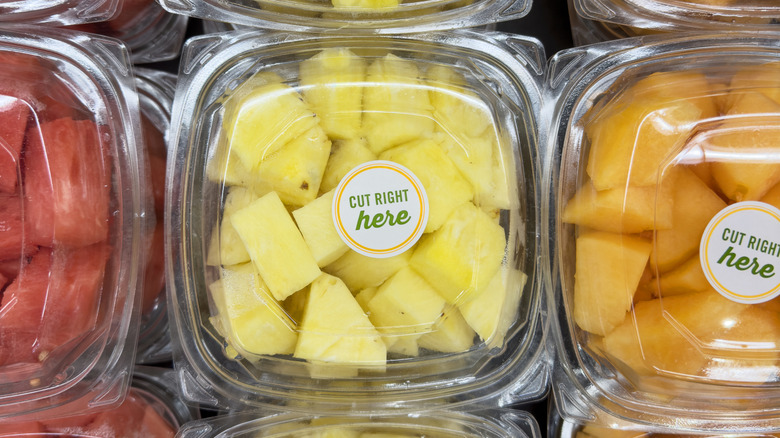
Amid the rows of fresh, whole fruit sold in the Sam's Club produce section are some pre-cut options. You can find pineapple, cantaloupe, watermelon, and mixed melon chunks, which offer undeniable convenience and save you the hassle of breaking out the knife yourself. However, reviews are mixed on the quality of pre-cut fruit at Sam's. The pre-cut watermelon chunks from the warehouse earn just 2.1 out of 5 stars from customers who have been disappointed with the quality. One Sam's Club member called them terrible, writing, "It would've been cheaper to just buy and drink water."
Additionally, the convenience of the cut fruit will cost you. For instance, a 32-ounce container of pre-cut watermelon chunks costs $8.32, whereas a whole watermelon costs just $5.97. And while a 32-ounce container of cantaloupe costs $8.32, the whole melon will only run you $2.97. Not only is this prepared fruit more expensive, but it also goes bad much faster than whole fruit.
Buy: Citrus
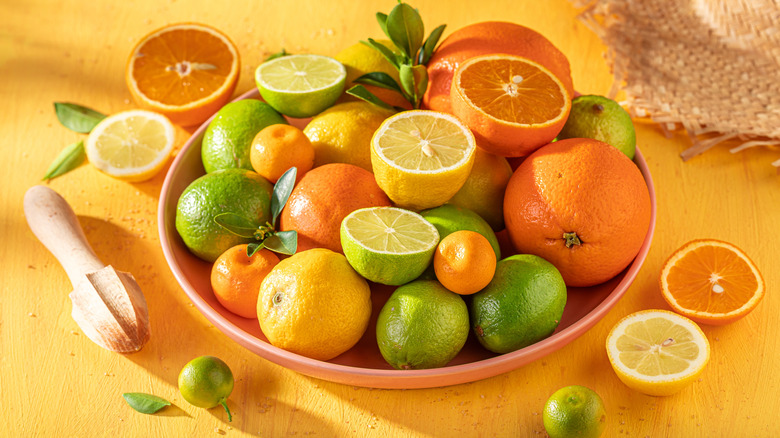
Citrus fruits, like lemons, limes, grapefruits, and oranges, are not only some of the most hydrating fruits in hot weather, but they tend to have rather long shelf lives, in part thanks to their thick protective rind. The rinds also contain oils that slow down the spoiling process, which means you can buy these kinds of fruit in bulk and store them in the fridge for long periods of time. In some cases, citrus fruits can keep for up to eight weeks.
Not to mention, these fruits are typically very inexpensive when bought in bulk, and Sam's Club offers tons of variety and seasonality where these fruits are concerned. In addition to your lemons and limes, which are wildly versatile and can be incorporated into tons of recipes, the warehouse stocks several different kinds of oranges. You'll find California Navel oranges in 8-pound bags and Clementine Mandarins, more commonly known as "Cuties", in 5-pound bags.
Skip: Salad mix and bagged salad
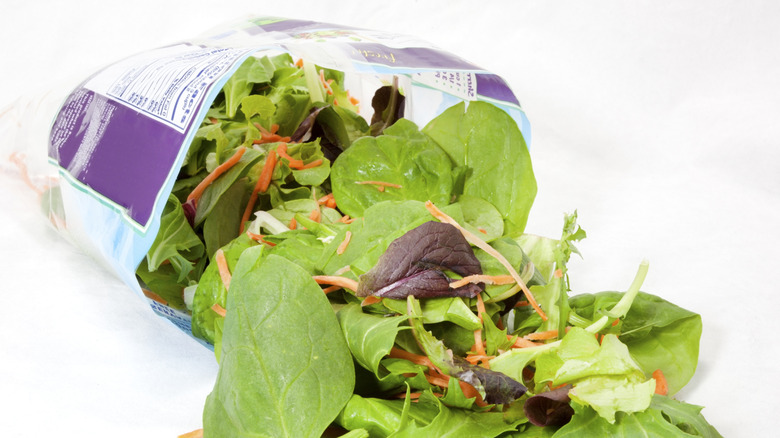
Lettuce quickly spoiling is a common problem shared by many shoppers, but one of the biggest points of consensus among shoppers online is that you should avoid the bagged or prepared salads if you're aiming for longevity. These tend to wilt or brown just a few days after purchase, so instead of closely inspecting the bag for bad parts, you might want to opt for the whole heads of lettuce, which are inexpensive anyway. Not to mention, opting for whole veggies, including heads of lettuce, is typically less expensive anyway. As one Reddit commenter wrote, "Whole foods are usually the most frugal way to buy and prepare your meals."
This is because moisture gathers rapidly inside the plastic bag, which wilts and molds the lettuce at a much faster pace, and appears to be a common occurrence with the bagged salads from Sam's Club, per customers online. One particularly bad offender is the 2 lb bag of Taylor Farms garden salad, which customers online find turns brown far before the use-by date. Instead, reach for the whole lettuce heads and only wash as much as you're going to use at one time.
Buy: Grapes
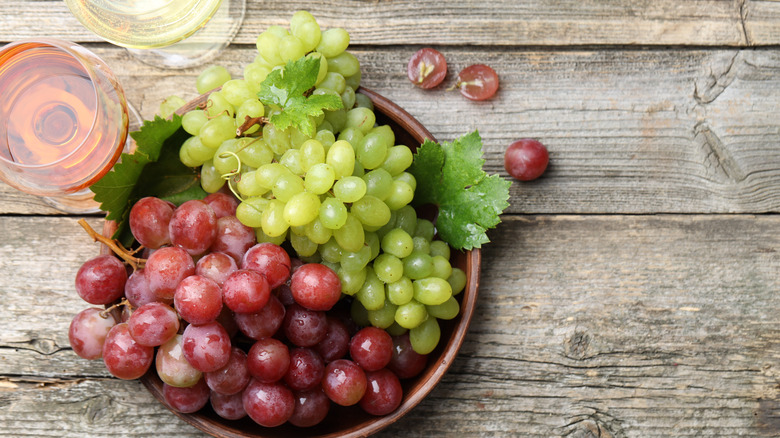
While grapes might not have as long a shelf life as citrus fruits, they are well worth the bulk purchase at Sam's Club for several reasons. Specifically, customers tend to find the grapes from Sam's to be pleasantly sweet and flavorful. One customer explained on Facebook that they always buy grapes from the warehouse, writing, "The grapes are the best around. They [outlast] us eating them. If I purchase from a regular store, I throw out so many."
And Sam's Club isn't just offering quality and taste when it comes to its grapes; it also offers incredible variety. In addition to your usual red and green grapes, you will find other delicious specialty varieties, like California Kokomo Table Grapes, commonly referred to as "Soda Grapes" for their sweet flavor. But for many customers, the real stars are the Cotton Candy Grapes, which are large green grapes with a delicious sweet, almost candy-like taste that might earn them a spot on the list of the best Sam's Club snacks.
Methodology
To determine which Sam's Club produce items are worth purchasing and which are not, we evaluated Sam's Club members' sentiment from several sources across the internet, as well as product reviews. In addition, we took into account the shelf life of each product since the value of buying in bulk is directly tied to whether or not you can reasonably use all of the food before it goes bad.
Lastly, we examined price and compared it with purchasing the same or similar products from traditional grocery stores to see if the value of buying in bulk was worth it or not. The prices we considered here were from the San Diego region, but it's worth noting that prices and produce quality do vary by location. To get the most holistic picture, we also gathered information from several sources across the internet.