
10 Things You Should Never Do In A Whole Foods Hot Bar Line
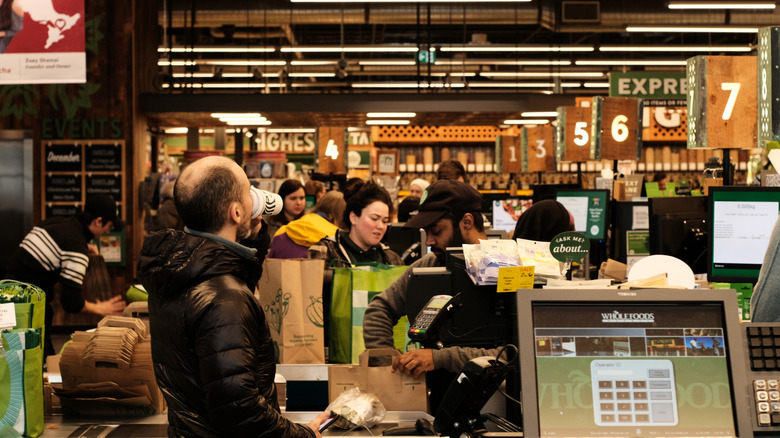
Whole Foods' hot bar has become a popular destination to grab a quick, convenient meal, thanks to the store's reputation for high-quality ingredients. Although it ranks among the most expensive grocery stores in America, its infamous hot bar offers an impressive variety of cuisine options — everything from simple roasted veggies to comfort food classics like mashed potatoes and international dishes such as tikka masala and samosas. However, there are some necessary strategies involved when shopping at the hot bar to get the best bang for your buck — along with things you just shouldn't assume.
From simple etiquette rules, like where to leave your cart, to money-saving tips that will help you avoid having sticker shock at checkout, there are some bad habits you should never do in the hot bar line. Fortunately, a little planning and forethought will help, because knowing the best way to approach the hot bar can result in a delicious, convenient meal. So, to avoid common pitfalls, get fresher food, and make the most of what this buffet has to offer, these are the things you should never do at the Whole Foods hot bar.
Don't fill up your box with heavy foods
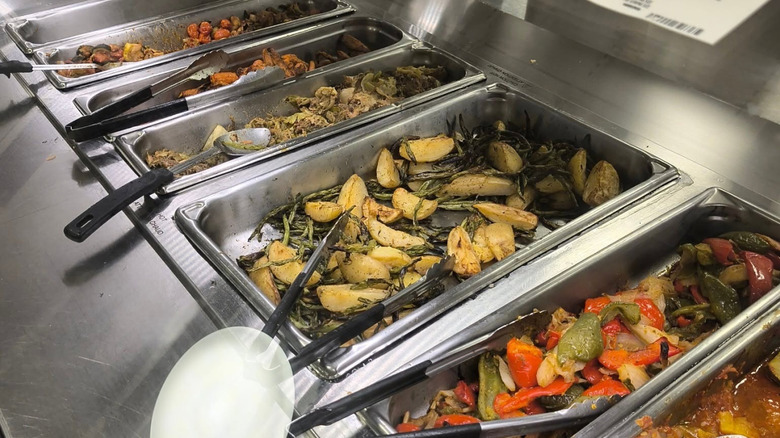
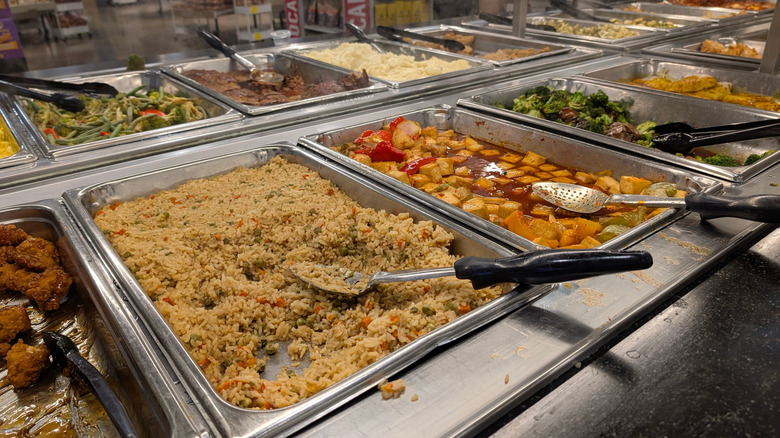
The Whole Foods bar operates on a pay-by-weight system. The bar offers tons of cuisines and options for you to customize your meal just the way you like it. With protein like chicken tikka masala, pork carnitas, chicken wings, and charbroiled chicken, along with tasty carbs such as mac and cheese, saffron rice, and parmesan potatoes, your options are seemingly endless. Pair your protein and side with your choice of delicious roasted veggies and you've got a well-rounded meal. However, you'll want to be strategic about the foods you fill your container with if you want to save yourself from paying an arm and a leg.
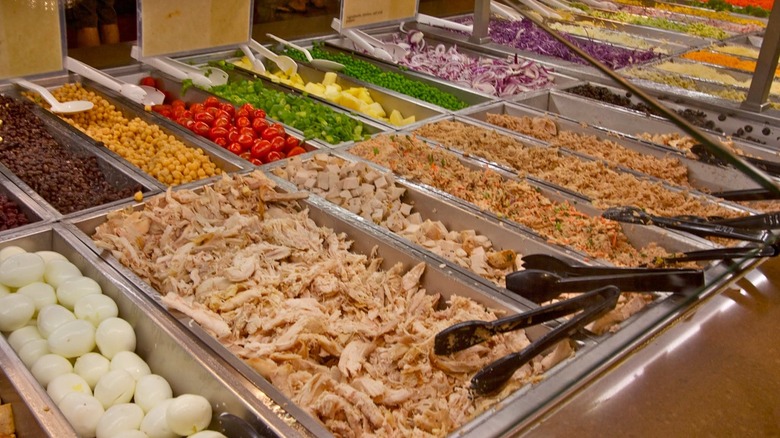
For instance, it's surprisingly easy to pay a whopping $20 for mashed potatoes. Since you buy based on weight, not by product, it's best to avoid heavier foods. Dense foods like bone-in steaks are going to drive the cost of your meal up significantly. Instead, stick to meats that don't have the bone — pulled pork or baked fish, for instance. Overly saucy, heavy foods will also drive up the cost. As an extra tip, venture over to the salad bar to grab some light leafy greens to bulk up your meal for cheap, while adding nutrition.
Don't self sample
The Whole Foods bar has clear labels that read, "No nibbling, please. If you would like a sample, please ask a Team Member." This rule is more than simple etiquette — it's a sanitary matter. Whole Foods employees say they see customers using their hands at the hot bar regularly, helping themselves and contaminating the food. One employee wrote on Reddit, "The things I see customers do on a daily basis is beyond gross, believe me."
Other team members see the same recurring issue, with both adult customers and their children. If you spot something that looks tasty and you want to try it, find a team member who'll give you a 2-ounce cup to try something from the hot bar, salad bar, or soup station. This is in an effort to keep the hot bar clean, sanitary, and germ-free for everyone to enjoy all day.
Avoid going late in the day
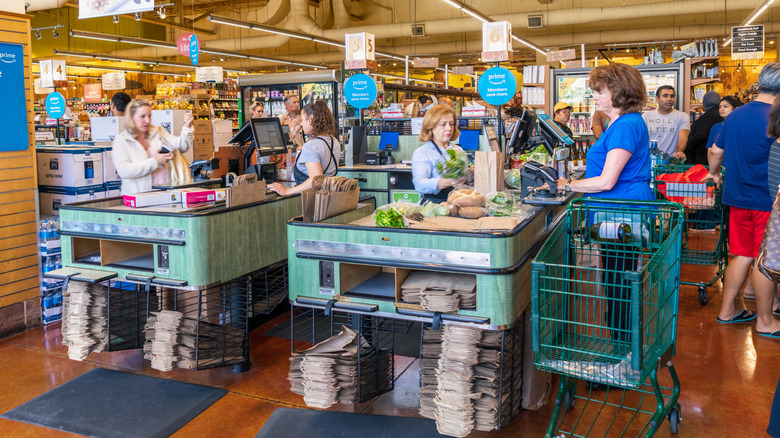
Per Whole Foods customers and team members online, there's some strategy to scheduling your hot bar visit to ensure you get the freshest possible food and greatest selection of options. One former employee explained that the best time to get fresh food is at 11 a.m. or dinner time. These times are when the bar is usually restocked. In the morning, you have the best opportunity to get food that hasn't been touched by other customers or that's been sitting out for extended periods of time as well.
Customers also stress to show up at the right time, with one writing on Reddit, "Gotta get to it in the first 20 minutes or it is picked over and dried out." Additionally, if possible, to avoid any needless stress, you should avoid Whole Foods at lunchtime, especially if you live in a big city. During the lunch rush, tons of customers flood the bar to grab a quick and convenient lunch on their work break. The rush usually lasts between 12:00 and 2:00 p.m., and it's worst in busy areas.
Don't use the wrong-sized bowl
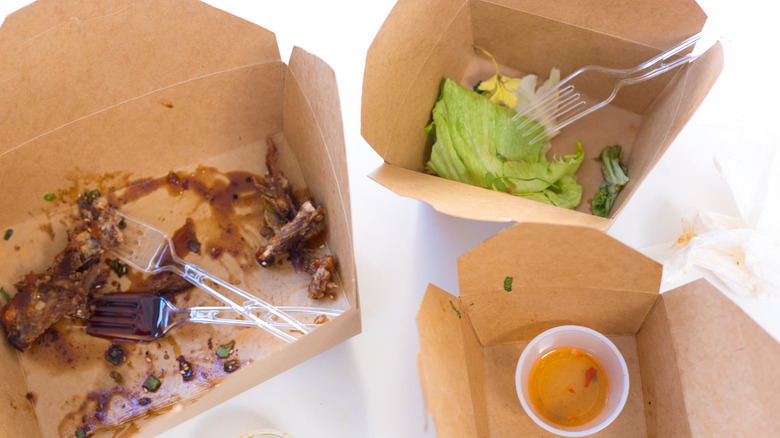
Whole Foods offers a few bowl sizes at the hot bar and soup station, and while it might be tempting to grab the biggest to-go box and stuff it chock-full with all the tasty food your heart desires, you may want to consider opting for the smaller option to avoid a shockingly high price tag at the register. Even the small box can fit quite a bit of food, but if you opt for the larger one, it's simply human nature to fill it with more food than you might want or need.
In addition to price considerations, the smaller container will help you keep the meal healthier as well — smaller bowl, smaller meal. As a few customers have found, it's possible to keep prices low if you portion your food out correctly. You can fill up a to-go container for less than $8 if you carefully choose low-weight foods.
Don't block the walkway with your cart
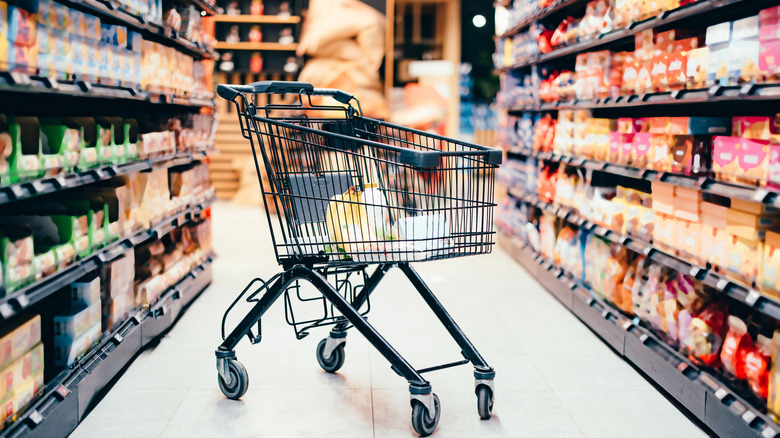
It's no secret that one of the most annoying customer habits at the grocery store is not being courteous with a shopping cart. Whether failing to return it to the cart corral, abandoning it in the parking lot, or obstructing others' walkway by parking it squarely in the middle of the aisle, this is an etiquette rule that applies to all grocery stores and should certainly be followed if you head to the hot bar at Whole Foods.
If you're at the hot or cold bar, or even the prepared foods section, do not block the display with your cart. This can cause roadblocks and make the lines longer as other customers have to wait to fill their bowls. Not to mention, it can be a pain for employees who may need to navigate the space to replenish food. Simply park the cart somewhere nearby while you peruse, to avoid the traffic jams and allow other customers to reach the hot bar too.
Don't mix up the serving utensils
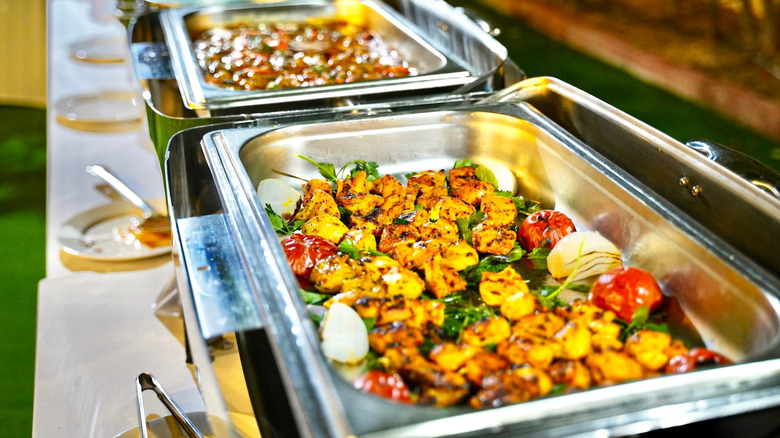
Though it may seem obvious, it's important to use the serving utensil provided for each food. There's a separate serving utensil for each item — the meals available are all made with varying ingredients, and some people may have sensitivities or allergies, so it's important to not cross-contaminate. That means not using the mashed potato spoon for the chicken tikka masala and so on.
Additionally, the hot bar is full of diverse flavor profiles — you wouldn't want to mix a spoon reserved for one food with something totally different. And because you're using shared utensils, be sure to grab them by the handle to keep them sanitary. If, for some reason, there's no serving utensil available, find a team member to help. This is one of the golden rules for navigating any buffet, so it's important to keep the same etiquette at the hot bar.
Don't expect the food to be super cheap
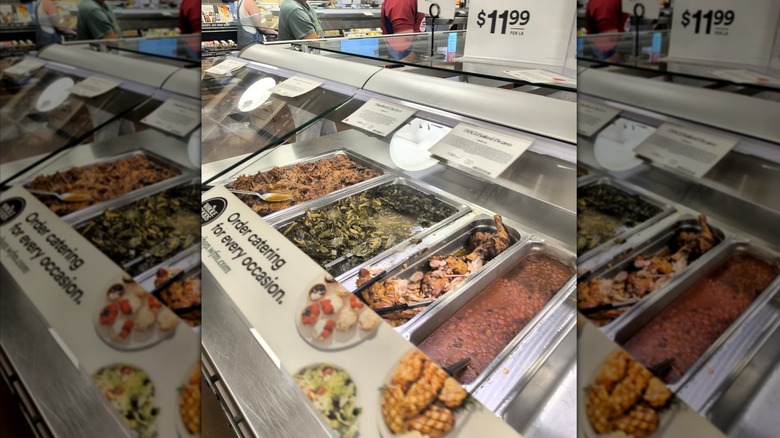
There may be a few products at Whole Foods that cost less than $3, but the store isn't known for its low prices. While they may vary slightly by location, the hot bar generally costs about $11.99 per pound. And while that might sound like a steal, customers find that the weight adds up much faster than they'd expect. If you're not careful, you can wind up with an expensive meal.
Some customers have been shocked to ring up meals costing more than $25. One shopper explained that they filled up a small box with mashed potatoes and thought it wouldn't have cost much more than $5. She was appalled to find her container of mashed potatoes cost a whopping $14. Per the story on Popsugar, she asked an employee if it was a mistake, to which they replied, "There's no mistake. The hot bar is the 'Whole' in 'Whole Paycheck,' hon."
Even some team members feel bad about the high prices. One former Whole Foods cashier on Reddit wrote, "I always felt bad for customers because you can tell they weren't expecting their 2 chicken tenders and mac and cheese to cost $25 and you can just feel that they're upset but trying to hide it."
Don't get the foods that you can make at home
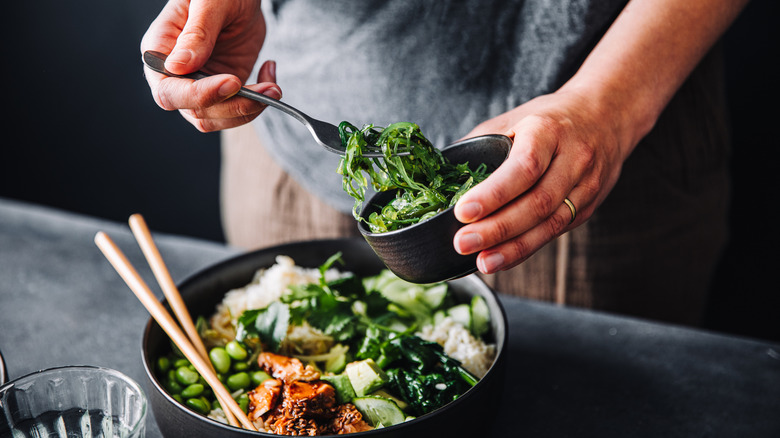
If you're going to shop at the hot bar, you should be strategic in which foods you choose to get the best bang for your buck. While all of the delicious flavors might seem appealing, it's best to avoid the foods that would be simple — and less expensive — to make at home. Not everything is actually cheaper homemade, but some foods certainly are. For instance, while hot bar mashed potatoes may be expensive, you can purchase the ingredients to make fluffy, buttery mashed potatoes at home for far cheaper.
Choose carefully when you're filling your container, because once you scoop it and bring it up to the register, there's no turning back. You should also keep a close eye on the ingredients, which are listed under the food label on the display for each product. You can recreate very similar meals with the same ingredients or make healthier swaps in your own recipe.
Don't assume the food is always fresh
While there was a time when Whole Foods made its food in-house, the food you see at the Whole Foods bar today is not always as fresh as it may seem. Whole Foods used to market its hot food bar as naturally sourced meals and made-from-scratch cooking, but in 2017, the store closed many of its in-store kitchens and started outsourcing most of the food for the hot bar. This was in an effort to address food safety concerns, but also coincided with Amazon acquiring the company.
Since then, most of the food is prepared off-siteand shipped to the stores. Due to the relatively high prices, the fact that the food isn't always fresh is frustrating for customers. "Whole Foods [is] charging $10 a pound for frozen food," wrote one shopper on Reddit, "I really thought better of them." That said, some stores do still reportedly have in-house chefs that cook and prepare some things on-site, so not everything is shipped in.
Don't assume everything is healthy
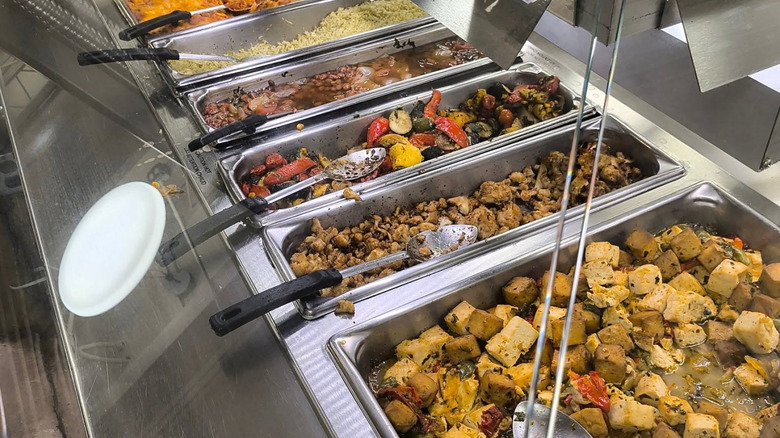
Whole Foods has earned a reputation as a health store, and they boast high quality standards for its sourcing practices and ingredients, even banning more than 300 additives from products sold in the store. However, despite being named the third healthiest grocery store by Women's Health, it would be a mistake to assume that everything served at the hot bar is good for you.
It's always smart to keep your eye on the ingredients list for the foods you're interested in to avoid any additives you may be trying to avoid. One health-conscious customer recommends sticking to high-protein options cooked in olive oil, like the grilled chicken leg with spinach and Alfredo, if you're looking for a healthy, convenient meal at the hot bar. Dietitian Isabel Smith explains that her strategy for eating at the Whole Foods hot bar is to keep it as simple as possible by sticking to simple veggies and a high-protein source.