
13 Foods That Aren't Actually Cheaper When You Make Them At Home
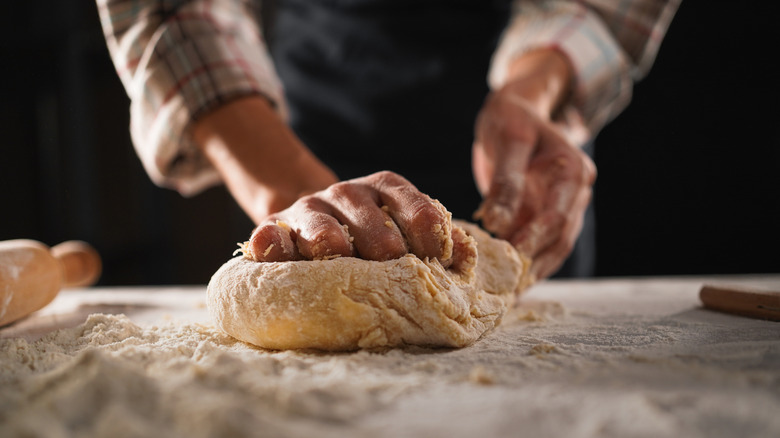
We've all grown up learning that making your own food saves money, right? That's definitely the assumption we've been working with, at least. When a simple salad or sandwich can spiral into the double-digits, it makes sense to skip the queue and prepare them in the comfort of your own kitchen. More recently, though, that picture has started to look a little more complicated. Grocery prices have been on an upward trajectory in the last few years, and while certain items (like chicken eggs) have become cheaper in the last year or so, generally speaking, everything's more expensive.
As a result, the old thought that "making your own food will be cheaper" no longer applies — and in some cases, it never did. Some foods, like dumplings, French fries, and Pad Thai, are way pricier to prepare from scratch than to purchase in-store (or even in a restaurant), unless you already have the majority of the ingredients you need. Meanwhile, staples like peanut butter, ice cream, and even bread can set you back way more than you think if you're starting from the beginning. Save your cash and your time; buy these items ready-made.
1. Peanut butter
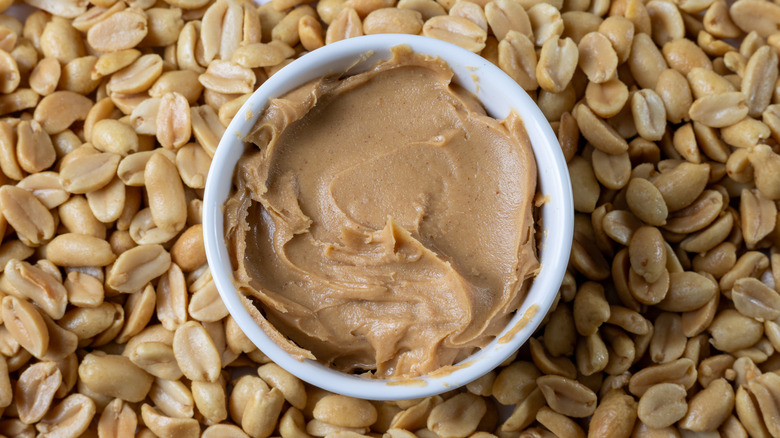
Now, don't get us wrong — there's a certain joy in preparing your own peanut butter from scratch. In doing so, you can skip any of the oils or sugars that can end up in store-bought peanut butter products, and end up with a rich spread that you can take to the next level in loads of different ways. However, you'll pay for the privilege. Unless you happen to have a ready supply of cheap or free peanuts, you'll have to buy a large amount of them to make homemade peanut butter (roughly three times the quantity of the final amount of peanut butter you want), and this can quickly add up.
This will happen even if you're working with the most cost-effective peanuts you can find. At Walmart, for example, a 16-ounce jar of Great Value Dry Roasted Peanuts costs around $2.58. A jar of its Great Value Creamy Peanut Butter, however, costs just shy of $2 for the same amount. You'd have to buy three jars of peanuts to make the same quantity of peanut butter, meaning that you'd spend almost four times the amount you would on a peanut butter jar — and you'd have to spend even more if you wanted an unsalted, organic product. That's a cost you may not be willing to pay.
2. Guacamole
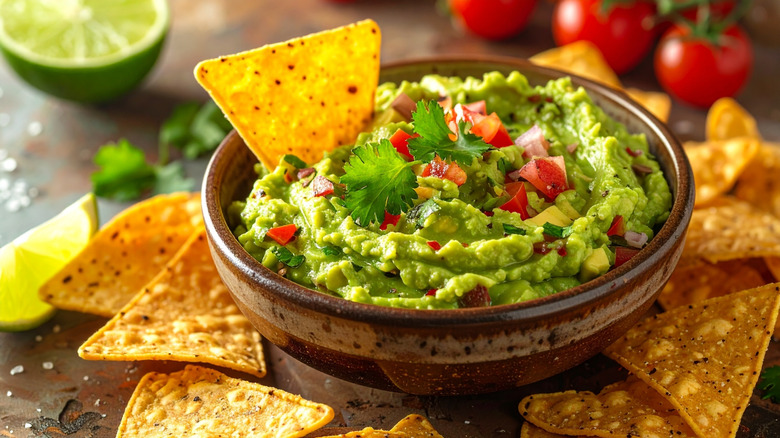
There's no beating the freshness of just-made guacamole, and this bright, zingy, earthy dip is meant to be served when it's at its peak. Unfortunately, though, this can come at a fairly hefty cost. Unless you have most of the ingredients ready to go already, guacamole can be a pricey food to make from scratch: You need to purchase avocados, tomatoes, onions, cilantro, jalapeños, limes, and garlic, none of which are especially expensive on their own, but which all add up to a bigger grocery bill than you might expect.
A four-count bag of Hass avocados from Target can cost at least $2.50, while a bag of jalapeños can cost about $1.39; just those two ingredients alone are around the same amount as a tub of Homestyle Guacamole from the same store, before considering the other additions.
It should be said that you can definitely opt for cheaper avocado types, or buy individual vegetables instead of bags of each — but when you look at sheer cost, you can see why a lot of people just buy it pre-made. That's especially evident when you look at how much you get from each spend. Spending around $6 on ingredients might only produce four or five servings of guac, while a tub of Homestyle Guacamole contains nine servings.
3. French fries
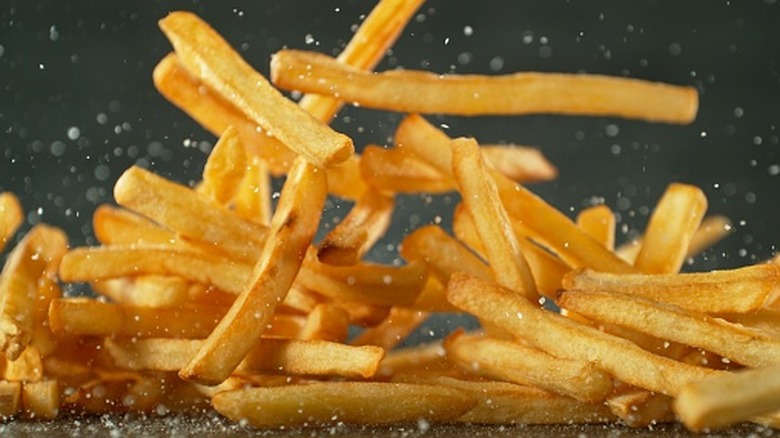
It might surprise you how expensive French fries are to make at home. We know what you're thinking: But potatoes are cheap, right? Well, it's not really the potatoes you have to worry about. Cooking French fries from scratch takes a significant amount of oil, and unless you happen to have some lying around, you'll probably have to buy it in bulk. For four servings of French fries, you need around two quarts of peanut oil or a similar fat with a high smoke point. As of the time of writing this article, a one-gallon bottle of peanut oil from Walmart costs $17.16, making the cost $8.58 per recipe, before you get to the potatoes themselves.
By contrast, an 11-serving bag of Great Value Regular Cut French Fried Potatoes from Walmart costs around $3. Yes, you won't get the same result as deep-frying them fresh, but the price difference is undeniable there. It should be said that you can reuse frying oil, so if you're planning on making French fries regularly (or cooking something else with it), then the cost can even out somewhat. If it's just a one-time thing, though, it's probably not worth it.
4. Broth
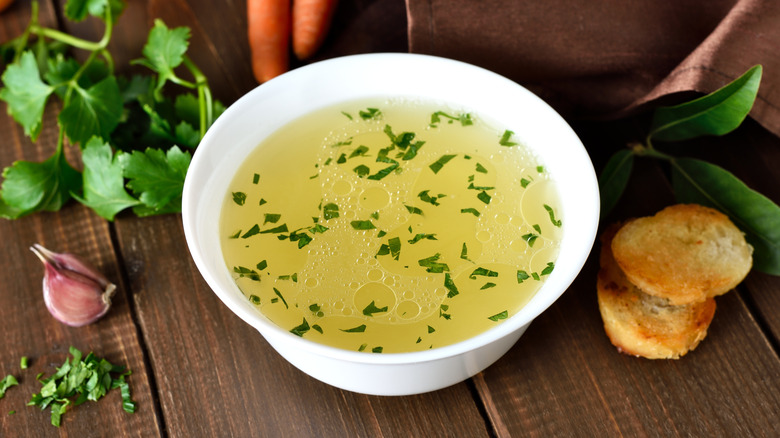
The power of a homemade broth can't be understated (provided that you don't mess it up), and every foodie worth their salt knows that store-bought just doesn't compare on a taste level. However, it also doesn't compare on a price level. Broth is typically seen as a cost-effective recipe made from simple root vegetables and leftovers, but unless you actually have everything you need, it's far cheaper to just buy bouillon cubes. By the time you've bought a single onion for a 10-cup recipe, you've already spent nearly as much as you would on the cubes needed for the equivalent amount of cups — and that's before any of the other vegetables and, of course, the meat.
There's also another cost you might need to consider when making broth. This is generally a food that needs to simmer low and slow for hours for maximum flavor, and that simmering time can add to your energy bill. With that being said, there are ways you can save money when making homemade broth: You can use leftover chicken carcasses or bones to create flavor instead of buying fresh meat, for example, or use dried herbs instead of fresh ones. Most of the time, though, you can't beat a bouillon cube on sheer price.
5. Jam
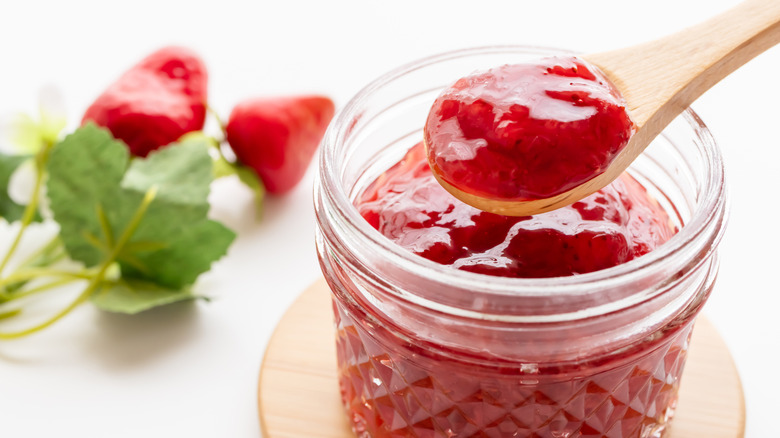
Once upon a time, homemade jam was way more commonly found in homes around the country. That time, though, was also a period when many people grew their own produce, or knew someone who did. As a result, they'd end up with an abundance of fruit that needed to be preserved, making jam a cost-effective way to extend its lifespan while also producing a delicious spread.
Now, though, unless you have fruit trees of your own, you probably won't save any money by making homemade jam. You need a lot of fruit to make a comparatively small amount of jam, due to how much it cooks down — and that amount of fruit can vastly outweigh the cost of just buying a ready-made jar. This is all before you think about the considerable quantity of sugar you need to make jam, and the energy cost of simmering it for long enough for it to turn into that requisite jammy consistency. Store-bought jam may be less intense and flavorful than the homemade thing, but it's not a cost-effective option.
6. Filled dumplings
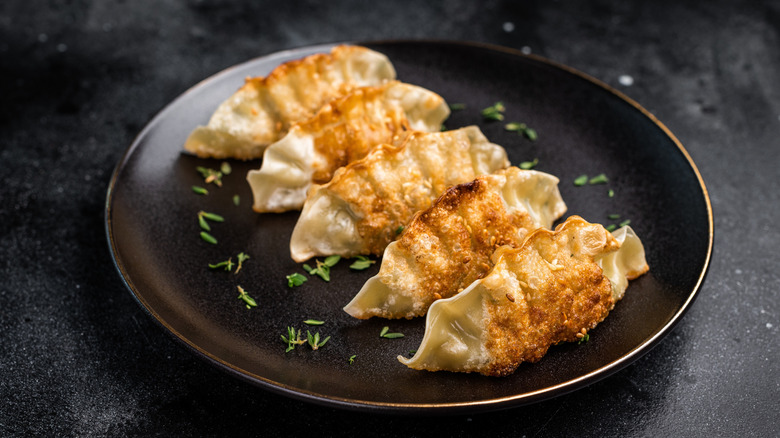
Few foods are as satisfying to make as filled dumplings (by which we mean the likes of gyoza, jiaozi, mandu, and pierogi, as opposed to the unfilled kind that goes in chicken and dumplings). However, in most forms, one of the reasons why they're so satisfying is that they take a lot of work and component ingredients to put together, and those ingredients quickly add up. Unless you already have what you need, you'll end up spending a lot, and you'll likely have way too much leftover, too — which can lead to food being thrown away and further waste.
Let's take a classic chicken and vegetable Chinese-style dumpling as an example here. For these, you'll need ingredients like ground chicken, napa cabbage, ginger, scallions, and other vegetables like carrots or mushrooms. That's all before pricier pantry staples like soy sauce, sesame oil, Chinese black vinegar, and before the dumpling wrappers themselves. Buy all of these items, and you'll spend a lot of cash: You can easily drop more than $10 on a tray of ground chicken, napa cabbage, and wonton wrappers, before you get to everything else. Or, you can just buy a bag of frozen dumplings for $3. Less satisfying? Maybe. Cheaper? Definitely.
7. Ice cream
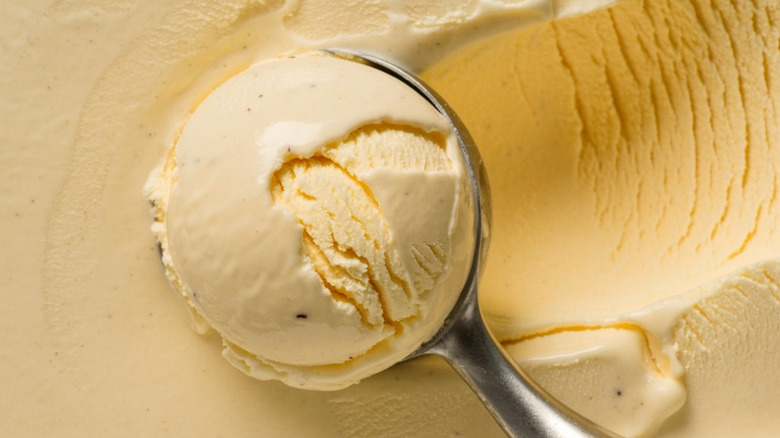
Here's the thing about ice cream: A lot of people will try to tell you it's cheaper to make it from scratch. Well, sometimes, they may be right. If what you're after is a rich-tasting, simple ice cream made from just a few ingredients, then it may be more cost-effective to put it together at home and churn it yourself.
However, if you just want an easy, no-fuss treat to enjoy a few spoonfuls of after dinner, then buying a carton of it is a no-brainer, both in terms of effort and cost. A basic vanilla ice cream doesn't take many ingredients, but all of those ingredients are quite pricey: Whipping cream, whole milk, and vanilla extract are all significant investments these days, especially if you're going for good-quality options. A carton of simple vanilla bean ice cream from Walmart, meanwhile, can cost just $3. Of course, cheaper ice creams generally contain additives like corn syrup, whey, or gums, and they won't compare on a taste level, but they won't set you back price-wise.
8. Tomato paste
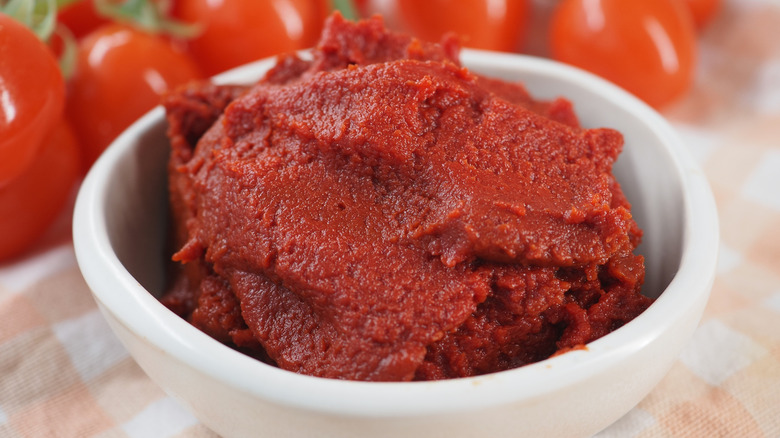
Tomato paste is an ingredient that's just not worth making at home. Unless you have loads of tomatoes you need to use, it's both cheaper and less effort to buy premade. As of the time of writing this article, a six-ounce can of Great Value Tomato Paste from Walmart costs $0.86. You need around 2.5 pounds of tomatoes to make this quantity of paste, and if you're using Roma tomatoes bought from the same retailer, you'll have to spend well over $2 to acquire what you need.
It's also worth remembering that homemade tomato paste doesn't have a significant advantage over the store-bought kind on an ingredient level. Most commercial tomato pastes contain just tomatoes and citric acid, which works as a preservative. As such, you may get a slightly fresher flavor from a homemade paste, but you're not sidestepping any additives like salt or sugar. You're just paying more for what is essentially the same item. Oh, and canned tomato paste will last way longer on the shelf, too.
9. Pesto
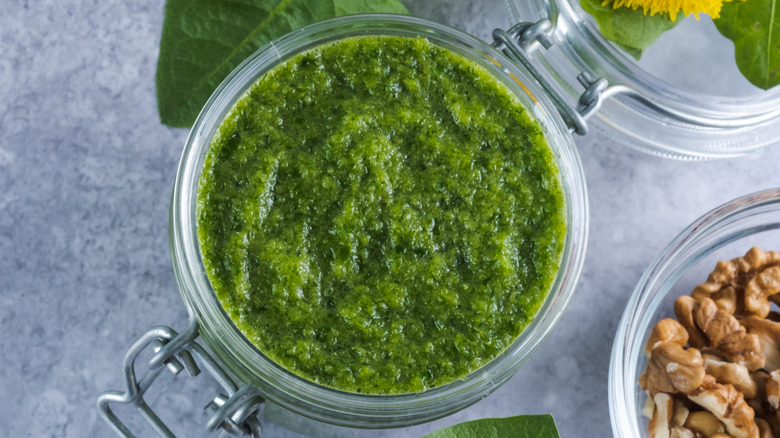
We're not about to sit here and tell you that you shouldn't be making pesto. When prepared and served fresh, this sauce is absolutely unbeatable, and sings with the intense florality of basil and the sharp zip of cheese. With all that said, though, unless you live in an area where pesto ingredients are abundant and affordable (by which we mean Italy), it's pricey to make from scratch. Pesto relies on good-quality fresh ingredients, which can quickly add up: Bunches of basil, bags of pine nuts, and Parmesan cheese can all be costly items to purchase on their own, before you get to the extra-virgin olive oil that ties it all together.
It's no wonder that most people just purchase deli tubs of premade pesto, or for an even more affordable move, pesto in jars. A seven-ounce tub of Basil Pesto Sauce from Target was around $5.99 at the time this article was written, which is much less than the cost of purchasing its ingredients. It's even cheaper to buy a jar of Classico Signature Traditional Basil Pesto, although naturally, it won't have the same flavor as a freshly-made version. Sometimes, though, you need to sacrifice flavor to keep your budget healthy.
10. Pad Thai
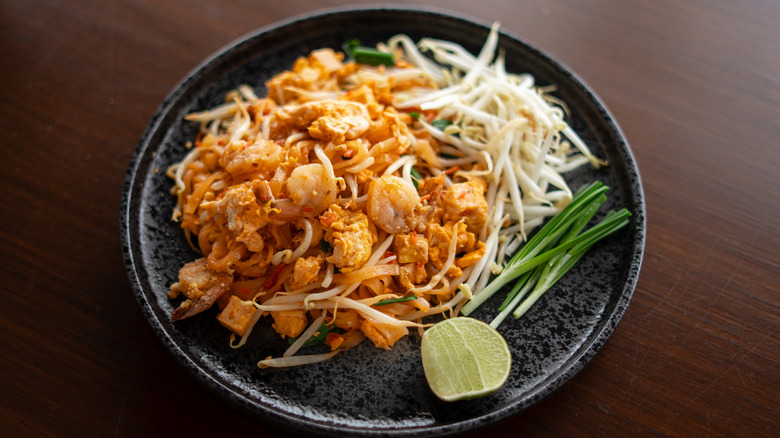
The cost of making Pad Thai at home has become somewhat of a shared joke in recent years, which says something about how much its component ingredients can set you back. Unless you live in Thailand or somewhere where each item that goes into it is significantly less expensive, or you have most of the ingredients prebought, it's almost always cheaper to buy either a frozen version of Pad Thai or get it in a restaurant.
Here's why. Pad Thai is dependent on ingredients like tamarind paste, rice sticks, palm sugar, and fish sauce, which are slightly less common (and which can also be imported), and can therefore command a higher price. You also need to factor in the cost of its fresh ingredients, like bean sprouts and lime, as well as any protein you're adding, which also adds to your overall spend.
Many of its ingredients, like your paste, noodles, and sugar, can last for a while in your fridge or freezer — but a lot of the time, home cooks make this dish once, spending a huge amount on the items needed — and then they sit there for months. Beyond this, homemade Pad Thai rarely turns out as good as chef-made, restaurant-quality Pad Thai. Want our advice? When those cravings hit, just call them up and order it fresh. It's both easier and cheaper.
11. Chocolate

Unless you're looking to develop an entirely new skill, we'd advise against trying to make chocolate at home. You'll just end up spending a lot of money for a finished result that probably isn't as good as the store-bought kind. Chocolate making is a costly endeavor, and if you're making it from scratch, it can cost hundreds, if not thousands, of dollars to purchase all of the equipment needed. Even if you're going for a simpler approach by roasting cocoa beans in your oven, you still need to buy those beans, as well as cocoa butter, sugar, cocoa powder, and milk (if you're using it) — and these ingredients can be expensive.
Even simplified recipes, which use ingredients like coconut oil, cocoa powder, and vanilla extract, can add up in price. Alternatively, you could just buy yourself a bar of chocolate for a couple of dollars. Both mainstream and smaller chocolate makers work at scale and have robust supply chains that allow them to keep their costs down, but when you're working with smaller-batch ingredients at home, you just can't do the same thing.
12. Rotisserie chicken
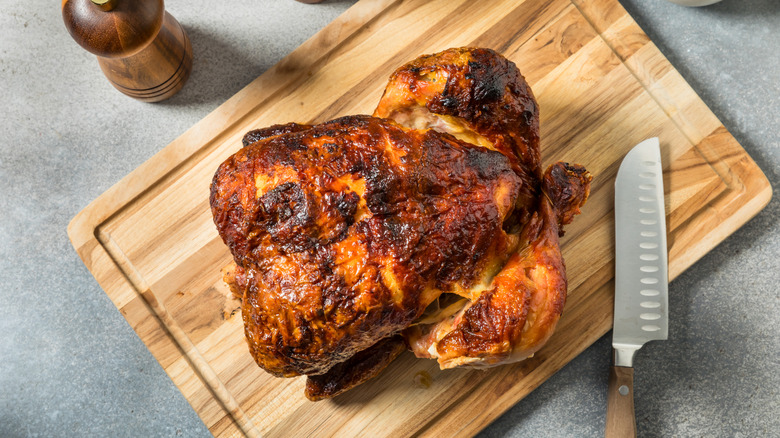
The reason rotisserie chicken can feel like such a steal is that it often is. Buying a precooked chicken from a grocery store may not be cheaper than making it from scratch every time, but in places like Costco — where the price of rotisserie chicken has famously stayed static for years — it's definitely a cost-effective choice. Pound-for-pound, its cooked chickens are cheaper than its raw ones, and you don't have to worry about adding any seasonings and preparing it at home.
It's worth remembering, too, that those seasonings and that preparation add up. Roasting a chicken takes several hours in the oven, requiring energy that adds to your bill, and additional ingredients. Neither of these things is free. Therefore, even if you're purchasing a rotisserie chicken from a place like Walmart, where cooked chickens can cost more per pound than raw ones, you may end up spending more on ingredients and gas or electricity to cook it, balancing out or increasing the price.
13. Certain types of bread
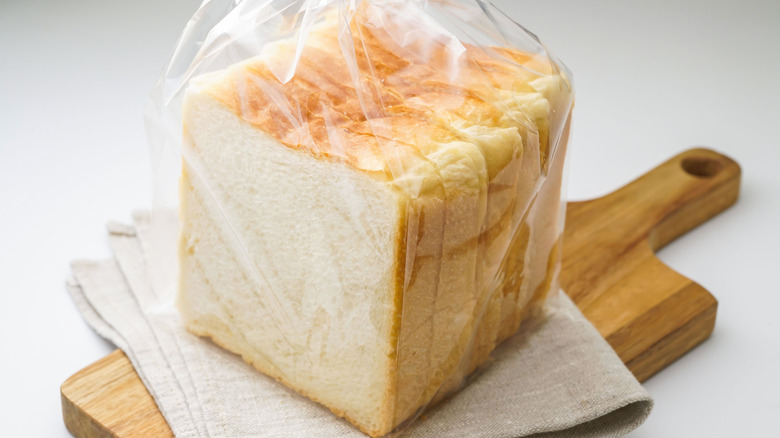
In any form, bread is rarely super expensive. However, it's commonly assumed that it's always cheaper to make this already affordable item at home, thereby saving valuable pennies while also performing a satisfying task in the kitchen. That's not the case. In certain situations, bread is actually more expensive to make at home, largely because it requires significant investment in ingredients and energy usage that can drive its cost up.
Let's take white bread as an example. A loaf of simple white sandwich bread from Walmart can cost around $1.50, and by the time you've bought the flour and yeast needed to make your own, you'll have spent as much or more than that. Then, you have to put it in the oven or a bread maker, which will cost you further money. It's definitely cheaper to do this than to buy an artisanal sourdough, but for basic bread, it might not be worth it. Breads that have pricey inclusions, like cheese or olives, can increase your grocery bill, and you'll end up with a load of leftover ingredients that take up space in your fridge.