
Aldi Vs Lidl: 11 Key Differences You Should Know
Some people look for discounts regardless of the situation. But getting a deal is front and center in the grocery shopping circuit lately thanks to inflation, and particularly "food-flation," a real part of the present-day conversation. The USDA Economic Research Service is projecting that food-at-home prices are expected to rise in 2026 at a rate above the historical average.
With prices also soaring elsewhere, people are cutting corners wherever they can. According to LendingTree, almost 90% of Americans have adjusted their grocery practices to save money. Public attitudes toward shopping for discount groceries have shifted, making it a common and socially acceptable choice rather than a source of embarrassment.
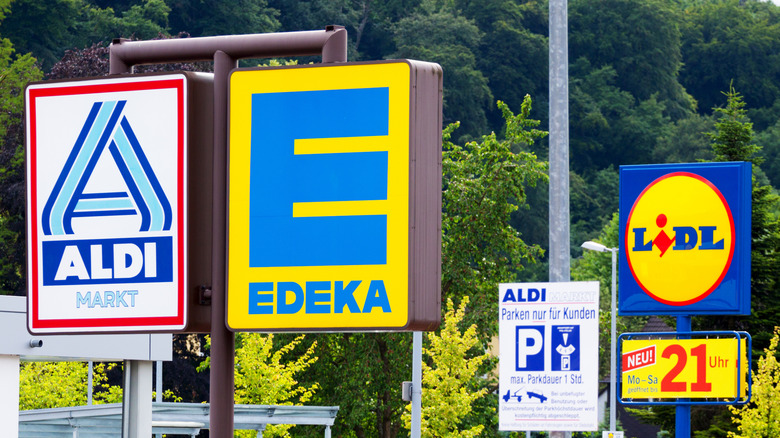
Enter Aldi and Lidl, two German-owned grocery store chains that are disrupting the status quo. Aldi has been around in the United States for a while, opening its first quaint little corner store in Iowa in 1976. Lidl is newer to the game, finally coming to the U.S. in 2017. On the surface, they seem similar. Along with Lidl and Aldi's German heritage, each store is family-owned, emphasizes low prices, has a large fandom, and even has four letters in its name. Even though many Americans believe Lidl and Aldi are related, the differences between the stores becomes apparent when you look past the initial impressions. What are the key disparities between these discount grocery stores, and which should you shop at if both are available in your area? Let's look closer at these fast-growing chains.
Aldi stores are smaller
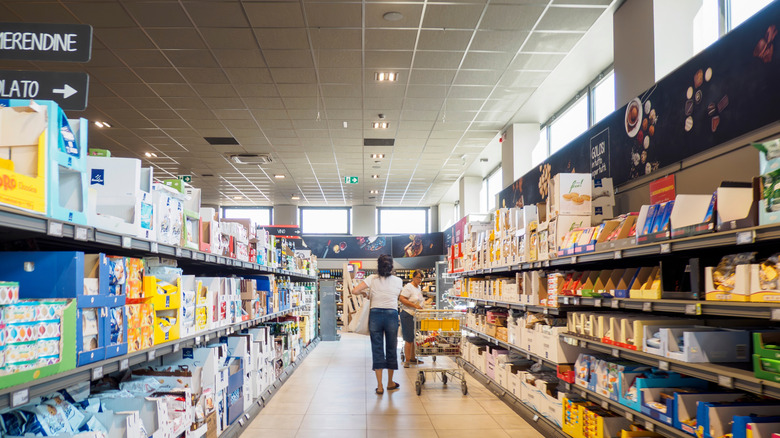
Big store footprints are common in modern shopping. According to the Food Industry Association, the average grocery store is over 42,000 square feet. But if you're expecting a cavernous supermarket with aisles as far as the eye can see, you won't find it at Aldi or Lidl — and especially not Aldi, as its size is more in line with traditional neighborhood markets.
A Retail Wire report lists the average Aldi store size as a mere 16,400 square feet. Aldi's official property requirements for new locations mandate approximately 22,000 square feet, including parking. In recent years, Aldis have grown a bit thanks to larger stores opening in big cities. Still, that's significantly smaller than Lidl, which is currently focused on stores in the 25,000-square-foot range (via Grocery Dive). There are a few reasons behind Aldi's smaller sizing: The format simplifies the shopping experience, helping customers get in and out faster. A smaller storefront also means lower overhead and savings that Aldi can pass on.
This tiny size reflects itself in the number of products, too. A typical Aldi has about 1,800 SKUs (Stock Keeping Units), while Lidl more than doubles this at 4,000. If you don't want to be overwhelmed by choices, you'll get your wish at Aldi.
Lidl offers slightly more name brands
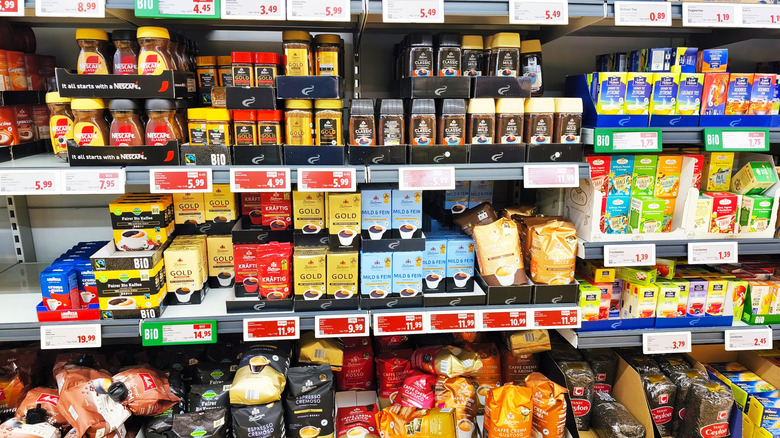
One of the ways both Aldi and Lidl keep prices down is by focusing on private label items — often known as generics, store brands, or house brands. These products cut out the middleman, give the business more control over packaging and quality control, and present unique opportunities for brand equity. The public perception of private label products has improved in recent years, with a NIQ global survey finding that 75% of shoppers approve of the value they offer.
That said, if you're looking for a name brand at a discounted price, you're a little more likely to find it at Lidl. Still, like Aldi, private-label items are certainly emphasized by the chain, as it estimates that 80% of its products are store brands. The number might even rise in the coming years. Lidl's Chief Commercial Officer Miguel Paradela told Store Brands in late 2024 that Lidl is, "...focused on carrying more private label products and fewer branded items" in response to customer demand.
But Lidl has a long way to go before it catches Aldi on this front. Over 90% of the SKUs at Aldi are private label items, so if you're looking for iconic items like Hormel chili or Reese's Puffs cereal, Lidl is more likely to have them. Aldi is also doubling down on private label goods, rolling out a massive packaging refresh in September 2025 to make these items more recognizable and appealing.
Aldi offers a more efficient shopping experience
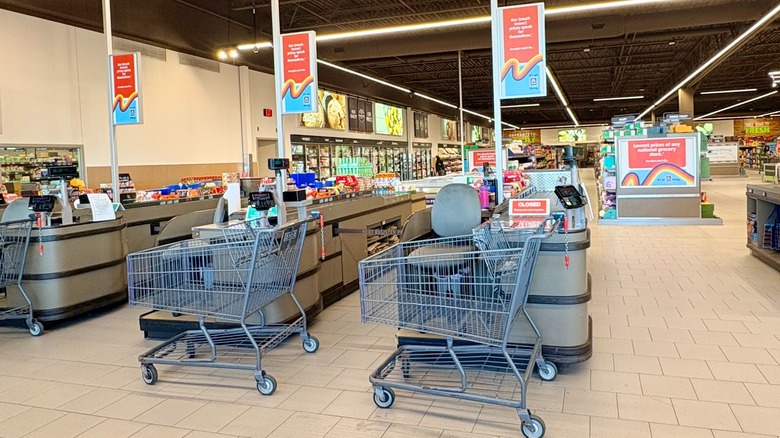
Since they're both so small, Aldi and Lidl are basically forced to be more efficient than a typical grocery store with everything from setup to operations. The stores share some practices in this regard, including lightning-fast checkouts, making customers bag their own groceries, and encouraging shoppers to bring their own grocery bags.
Even so, Aldi sets itself apart with a no-frills shopping experience. Some items are just thrown on the shelves in their original shipping boxes to save stocking time — or maybe even sitting on the floor in shrink-wrapped pallets you have to open. Aldi also does not offer supplementary services, so you won't find check cashing or a pharmacy. These practices keep costs down, but they aren't always positive. Aldi shoppers have complained about the cramped aisles, disorganized feel, and minimal staff to assist if you have a question. One Reddit user described their local Aldi as "long, unbroken walls of product," making it more challenging to find what they were looking for.
Conversely, while Lidl finds efficiency where it can, it offers a more traditional shopping format. Aisles are larger and more organized, giving stores a cleaner layout and brighter feel. Lidl also has free samples, weekly promotions, and other classic grocery store quirks.
Lidl is working on express checkout technology
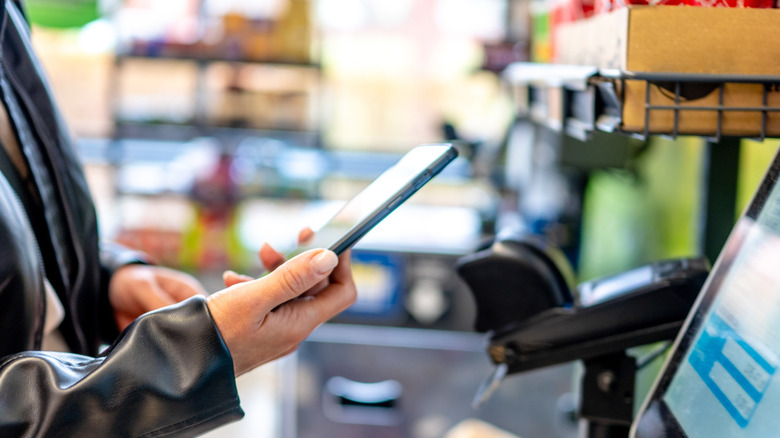
Self-checkout at United States grocery stores has soared, with research by Capital One finding that, as of 2026, 46% of all grocery store registers are self-checkout. The next stage has arrived, though: express checkout, where people can self-scan their items using a mobile app or handheld scanner while shopping. There are also smart carts in some stores, which automatically scan items as customers put them in the cart.
Several major American grocery chains and warehouses use express checkout technology, including BJ's Wholesale Club, Giant Eagle, Whole Foods Market, and Sam's Club (surprisingly, Costco doesn't have an express checkout lane). Soon, you can add Lidl to this list. In 2025, multiple U.K. news outlets reported that Lidl was introducing a self-scan option known as "Lidl & Go." The trial run expanded in May 2026, and it seems only a matter of time before the option arrives stateside.
There are currently no signs of a widescale Aldi express checkout rollout. The company pilot-tested ALDIgo at a Chicago-area location in 2024, which was an AI-based smart cart system. However, its technology partner, Grabango, went out of business later that year, and Aldi has not revisited the concept as of the time of writing. We'll see which company comes down on the right side of history, as some U.S. retailers are cutting back on self-checkout and self-scanning due to concerns about theft and technology errors.
Aldi groceries are generally cheaper
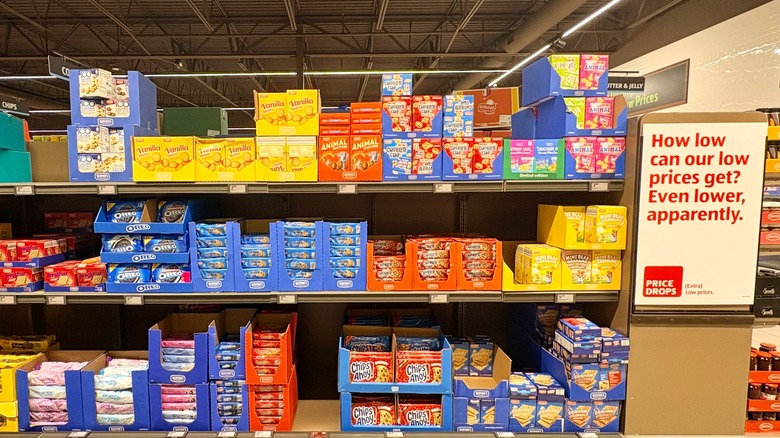
For many people, choosing where to shop comes down to the size of their grocery bill. Nearly every independent data company has found that Aldi and Lidl offer major savings compared to other budget grocery chains. According to a 2026 price analysis by Consumer Reports, warehouse clubs Costco and BJs were the only places that beat the German stores' pricing — and at Aldi and Lidl, you don't have to buy in bulk.
On the whole, though, Aldi appears to offer better prices. The Consumer Reports analysis gave Lidl the national win (excluding wholesale clubs) at 8.5% below baseline (Walmart) versus 8.3% for Aldi. However, this is flawed, as Lidl was only present in one metro area (Virginia Beach) of the six they examined. And there, Aldi was 16.3% below baseline. Another survey by Consumers' Checkbook found that Aldi prices were 20% to 40% below local averages while Lidl's were 15% to 20% beneath the mean. BravoDeal also named Aldi the cheapest grocery store in 2024, and across the pond, Aldi was found to be slightly more affordable on a test of 12 essential items.
Granted, the total cost can also depend on what you're buying. In the U.K. test run, Aldi had better prices on potato salad, bread, and fish. But Lidl had the edge for cereal and bananas. If both are in your region, you might want to do a little comparison shopping.
Lidl has coupons and a loyalty program
Couponing is a time-honored way to save money on groceries, and in recent years, loyalty and member programs have joined the chat. It's estimated that 36% of shoppers frequently use coupons or member deals at the grocery store (via Consumer Reports). Speaking from experience, these discounts are a great way to pay less for things you already buy, and they also provide an incentive to try new items.
Aldi, though, has bucked the trend by refusing to not only offer its own coupons and loyalty discounts, but by not honoring manufacturer's coupons, either. The official explanation is that Aldi already negotiates the best prices from suppliers and distributors, and those savings should be for everyone, not something for members only. Aldi does have an app where you can view weekly deals and Aldi Finds specials, but that's the extent of the stateside savings (although Aldi Belgium now has a loyalty program).
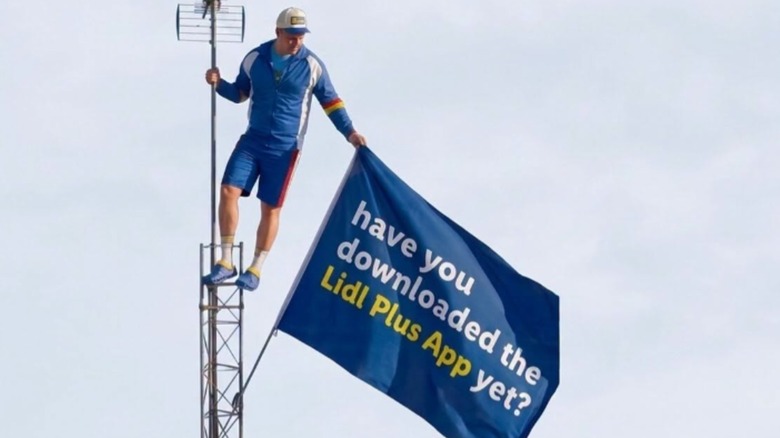
People who love the thrill of chasing bonus savings, though, will find this thrill at Lidl. Although it also does not accept manufacturer's coupons, the recently retooled, free-to-join Lidl Plus rewards program gives you a taste of the action. Members receive universal weekly digital coupons along with personalized coupons based on shopping history. The points earned from shopping can be converted to additional coupons and discounts.
Aldi requires a cart deposit
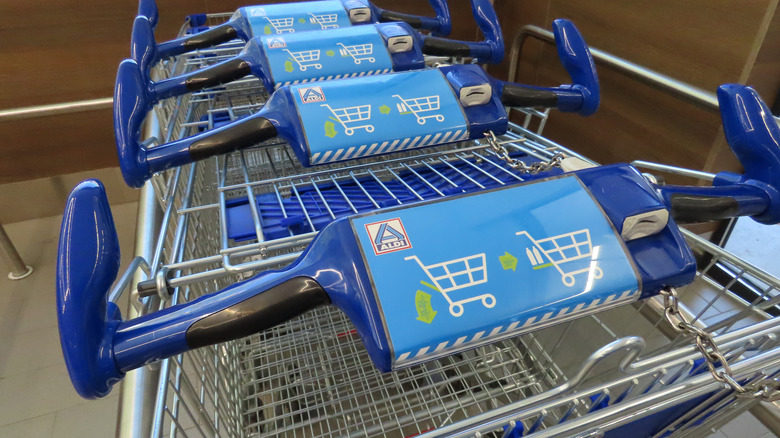
What would grocery shoppers do without a cart to hold their hauls? The cart is a supermarket cornerstone, going hand in hand with the ability to refrigerate and freeze large amounts of food at home. But getting people to not just leave their carts in the middle of the parking lot is a time-tested challenge. It's to the point that there are even companies creating rewards programs for the simple act of returning your cart.
Aldi, though, has come up with a unique and much-discussed system: the 25-cent cart deposit. The grocery carts are locked in a corral, and customers must insert a quarter to unlock one. When they return the cart, they get their quarter back. Lidl has a similar system in some countries, but not the United States. Here, carts are kept unlocked to better conform with American practices and account for how most people don't carry loose change.
So, why does Aldi continue to require a deposit? According to the company, it encourages people to return their cart, so Aldi doesn't have to hire people to collect them. Those savings are reflected in lower grocery prices. It's not a perfect system, as some people still abandon their carts in the parking lot to save time. However, the system is generally agreed to be effective and increase the cart return rate.
Lidl offers fresh bakery items
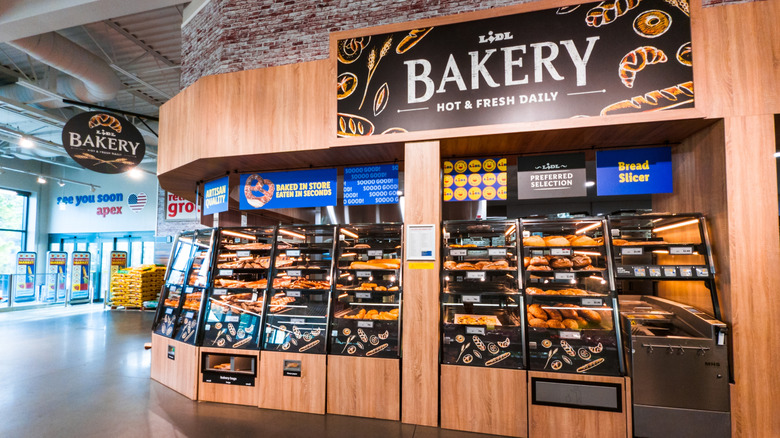
There's nothing like the smell of fresh baked goods in a store — and that's no accident. Whether at a major supermarket or a convenience store, baked goods are a proven way to boost sales. According to Supermarket News, center-store bakery sales (i.e. fresh bakery products) increased 35% from 2019 to 2023. They're especially popular among millennials, representing almost 28% of bakery department sales and rising (via Food Business News).
Lidl recognizes this and has made in-store bakeries a centerpiece of its United States stores since day one, and Aldi shoppers are jealous of this Lidl department. It's always been known for croissants, but the bakery section was further overhauled in 2024, doubling down to offer donuts, bagels, and other goodies made fresh daily. This came on the heels of being named the 2023 Bakery Retailer of the Year by British Baker. Notably, Lidl places the bakery department next to the entrance, attracting impulse buys with the amazing scents and low prices.
Historically, Aldi has not gone this route in the U.S., as all baked goods are made elsewhere, pre-packaged, and shipped to the stores (also known as perimeter baked goods). Aldi tested in-store bakeries in the late 2010s but quietly shut nearly all of them down. The company never issued an official statement regarding the bakery closures, leaving the internet to speculate about why, with potential reasons including lack of profitability and the COVID-19 pandemic.
Aldi has more locations and focuses on smaller markets
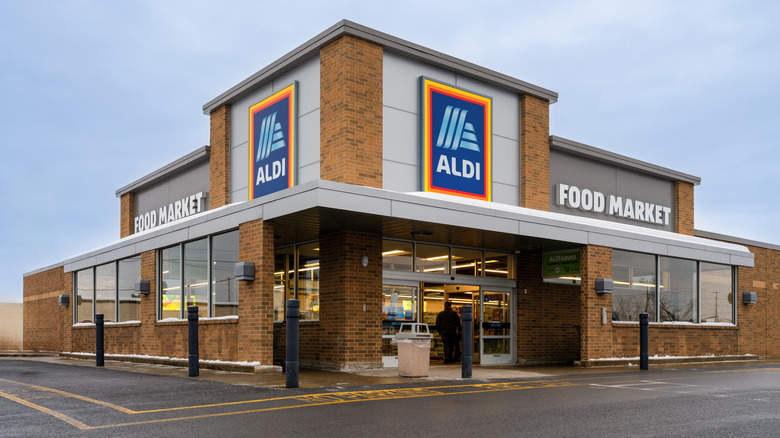
Knowing where to establish roots is key for any business. The same is true of grocery stores, with many chains focusing on certain regions and demographics. This is another way that Aldi and Lidl differ. For starters, Aldi has a lot more United States locations, thanks in part to a 40-plus-year head start. Aldi boasts more than 2,600 stores across 40 states, and plans to increase this to 3,200 by the end of 2028. Lidl claims about 200 stores in nine states and the District of Columbia, and it is pursuing a more controlled expansion plan.
Then there's the geographic locations. Aldi has specific requirements that dictate whether a store will be built in an area. It bases its decision primarily on population density and vehicle traffic in new store areas, and these standards allow for smaller and midsize urban franchises. There are even multiple stores in Vermont, which has one of the country's lowest populations. Aldi also has expanded into the Midwest and Southwest.
Meanwhile, Lidl's locations are heavily focused on large East Coast metropolitan areas. Its current efforts are focused on growing the presence in proven markets such as New York City, Washington D.C., Philadelphia, and Atlanta, rather than racing into new markets and going head-to-head against Aldi.
Lidl has more international foods
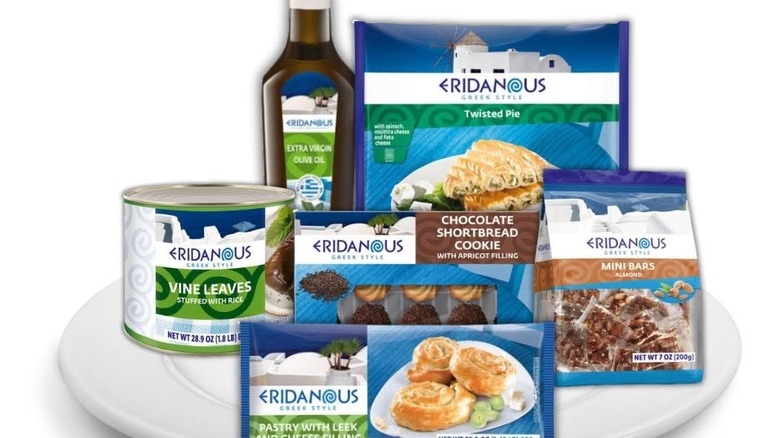
America is a melting pot with residents and citizens from global heritages. It's no surprise that people bring their food heritage with them, with the U.S. ethnic food market valued at over $9.2 billion and expected to nearly double by 2033 (via Grand View Horizon). Suffice it to say that whether someone loves certain international foods natively or is a convert, they appreciate a place to buy them without spending an arm and a leg.
Lidl and Aldi both operate in dozens of countries, so they have a lot of experience with international cuisine. But it's Lidl that puts a larger emphasis on selling these items at its U.S. stores. As part of its private label strategy, Lidl is able to pull products from distribution centers worldwide, and it trumpets a commitment to international fare. The regular selection is augmented by Taste of the World themed weeks and other events to promote foods from Greece, Spain, Italy, Asia, and more.
Aldi does some international food sales, but shoppers have found the options are more limited than Lidl, assumedly in part because the stores are smaller. There isn't a separate international Aldi website section, and apart from semi-annual German Weeks in tribute to the store's heritage, any promotions usually occur under the Aldi Finds moniker.
Lidl has a larger gardening department
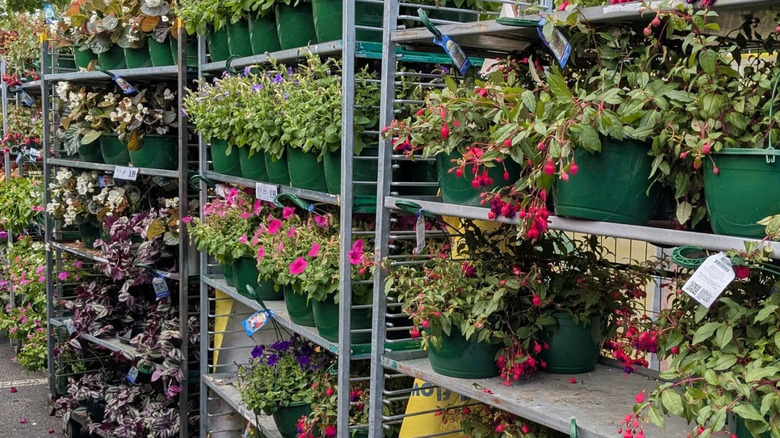
It's common for grocery stores to offer more than just food and beverages. Data from the Food Industry Association and Circana finds that 25% of purchases at food retailers are for non-food items such as cleaning products, toiletries, and medication. As part of the shift to natural and organic foods, some grocery stores have also added gardening departments, providing the tools for people to grow their own produce or have some nice flowers in the backyard.
Anyone looking to buy gardening supplies at the same place they buy discount groceries should go with Lidl. In early 2024, Lidl launched expanded outdoor gardening centers in 76 stores. Along with a rotating roster of seasonal flowers and plants, the garden centers also offer important tools and accessories such as planting pots, soil, and flytraps. The centers open between March and May, depending on the location, and some supplies are sold year-round.
Aldi, on the other hand, doesn't offer that many gardening supplies. Its options are limited to the special buys and Aldi Finds in the infamous "Aisle of Shame" for bargain purchases. There can be some interesting garden products here, including seeds, indoor plants, storage bags, trellises, and statues. But quantities are very limited, making it an unreliable place for serious gardeners to shop.
Where should you go to shop?
So now that we've discussed the biggest differences between Aldi and Lidl, the big question arises: If both are available in your area, which should be your grocery store of choice? There is no right answer. As one Reddit user pointed out: "Lidl and Aldi are both fantastic for saving money on groceries, but they definitely have their own personalities."
Aldi shoppers tend to be about finding the lowest possible prices and having a quick, focused shopping trip. While they appreciate occasional impulse shopping, they don't want it to hijack their time in the store. These shoppers also don't want to have to dig through coupons and flyers to find a great deal or sort through 37 different hot sauce choices. They're okay without a lot of major brands to choose from, and they don't mind a couple of inconveniences that allow for such low prices, such as the cart deposit and small aisles.
Those who want the best of both worlds — the pricing of a discount grocery store with a setup more like a standard supermarket — will be Lidl fans. They'll enjoy having more product choices, a more relaxed shopping environment, the impressive garden center, and those irresistible fresh baked goods. And if you want a more personalized experience, whether with a loyalty program, name brands and international foods, or self-scanning checkout, Lidl can provide it.