

7 Tips And Tricks For Using Ceramic Cookware
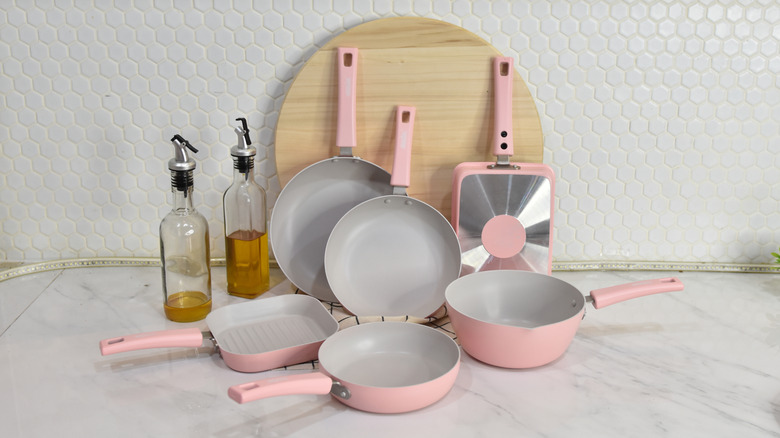
Cooks who love fluffy omelets and crispy pan-fried cutlets have become devotees of ceramic cookware because of its nonstick properties. Like conventional nonstick pans, they allow sticky foods to slip cleanly off with no residue, but unlike conventional pans, they won't give off any potentially harmful fumes when heated.
Popular as it is, ceramic cookware is not well understood, even among home cooks who use it regularly. First of all, it's not actually made of ceramic. Most modern nonstick ceramic cookware has an ordinary-looking aluminum or stainless base with a silicon-based interior coating (technically called sol-gel) that gives it its nonstick properties — this coating is often derived from clay, sand, or other materials found in ceramic, thus the name. This is just one of the myths and misconceptions that have emerged about how to use and care for this cookware. Here to cut through the noise and give you the real story are three experts — Amir Alon, CEO of Swiss Diamond cookware, Marissa Stevens, founder and recipe developer at Pinch and Swirl, and Joanne Gallagher, co-founder and recipe developer at Inspired Taste.
1. Wash ceramic cookware by hand
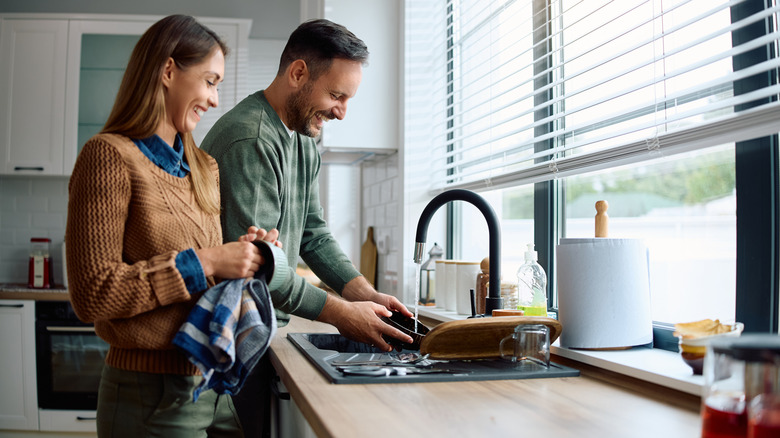
While some ceramic cookware brands advertise themselves as machine-washable, our experts advise home cooks against exercising that option. The ceramic coating will last longer and keep its nonstick properties longer if handled as delicately as possible. This means washing it by hand. "The lack of brushing the surface in the dishwasher requires more aggressive detergents, and this harms all coatings," Amir Alon explains.
And when you do wash your ceramic cookware, do so mindfully. You might have to stop yourself from your habit of rushing through the tedious dishwashing process as quickly as possible. For instance, don't toss it in the sink straight from the stove. "Make sure your pan is completely cooled off before washing it," Joanne Gallagher advises, explaining that this keeps the nonstick coating from cracking. Once the pan is cool enough to wash, use warm (not hot) water and mild soap, and avoid abrasive scrubbers when washing — use a soft sponge instead. Once it's clean, dry it as soon as possible to keep the surface from degrading. This may sound like a lot of work, but since ceramic-lined pans are nonstick, cleaning them should be a quick task.
2. Avoid using metal utensils with ceramic cookware
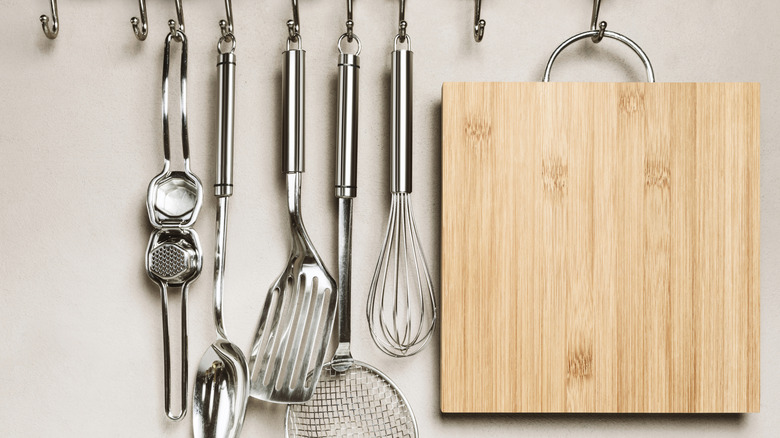
Ceramic cookware is ideal for preparing foods with a propensity for sticking, from peanut butter pancakes to classic hash browns. If you're used to cooking these dishes in a stainless steel or cast-iron pan, you probably have your favorite metal spatula at the ready — one with a thin, hard edge perfect for prying stubborn foods off the bottom of the pan in one piece. But if you've just switched to ceramic cookware, put the metal spatula (and metal spoons and tongs) away.
Metal utensils can scratch the ceramic surface, compromising its nonstick quality. Nonstick doesn't mean rock hard, and to get the best performance from your cookware, you should handle it as gently as possible. "You really need to stick to wood, silicone, or nylon utensils when you're cooking with ceramic," Marissa Stevens says. "Metal scratches the coating, sometimes from the very first use, and once it's scratched, the nonstick performance starts going downhill."
3. To protect ceramic cookware, use felt dividers for storage
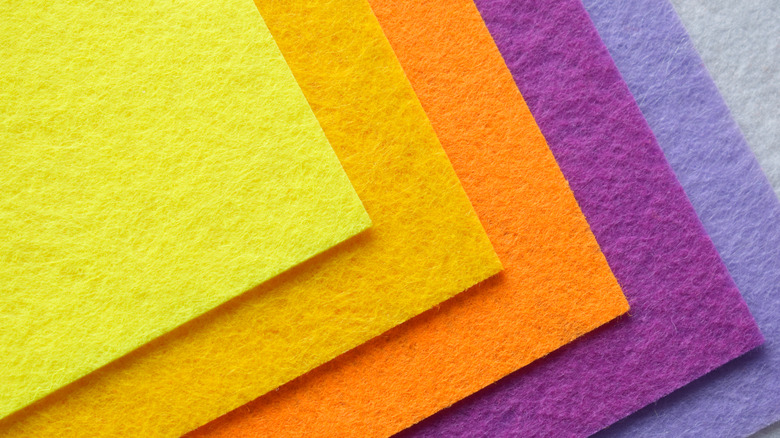
Home cooks often forget they can damage their cookware without even cooking with it. Moving items around or allowing them to scrape against each other can damage sensitive surfaces, such as the ceramic coating in pots and pans. This means the most common way home cooks store their cookware — by stacking it neatly in a dedicated storage area — can inadvertently damage delicate ceramic coatings. To protect ceramic cookware from damage, the experts recommend lining it with felt dividers or soft towels if you're going to stack other pans on top of it.
"Stacking is fine as long as you put a folded dish towel or a felt pan protector between each pan," Marissa Stevens says. "Even another ceramic pan resting directly on the coating can leave scratches over time." Alternatively, if space allows, Stevens suggests that you can hang them at a safe distance from each other.
4. When buying ceramic cookware, you pay for longevity
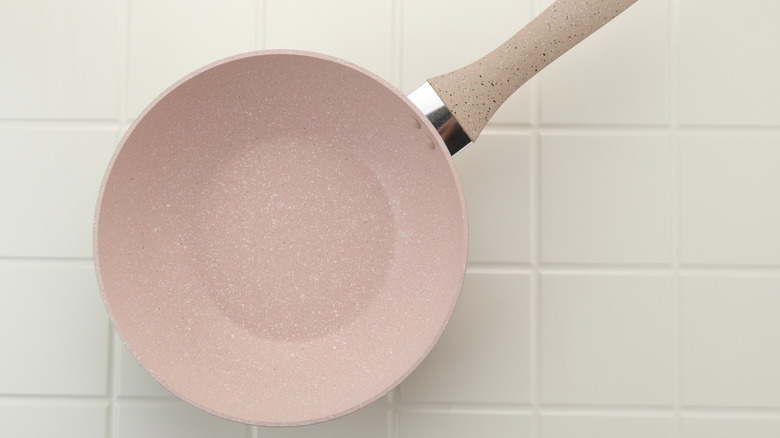
Not all ceramic cookware is alike. The term covers several types of coatings, some of which are more durable than others. The linings of most mass-market ceramic cookware are made with sol-gel, a silicon-based material typically derived from sand or clay. Some manufacturers, however, use proprietary coatings in their ceramic cookware — Swiss Diamond, for instance, uses its own coating that includes diamond crystals. This means that not all ceramic cookware has the same capabilities or limitations. Some can handle wider temperature ranges or have varying nonstick qualities, for instance.
In general, you'll get what you pay for. "Cheap quality ceramic cookware cannot be maintained for [a] long time," explains Amir Alon, noting that "these are consumables that need to be replaced every couple of months." According to Marissa Stevens, even high-end ceramic cookware has a limited lifespan. "Ceramic pans don't last forever the way the others do," she says. "Even a high-quality ceramic pan lasts a couple of years at best, while a good stainless pan or cast-iron skillet can be passed down to your kids." So if you want high-quality ceramic cookware that will last as long as possible, prepare to make a bigger investment — and treat your cookware with care once you get it home.
5. You may still need some oil for cooking
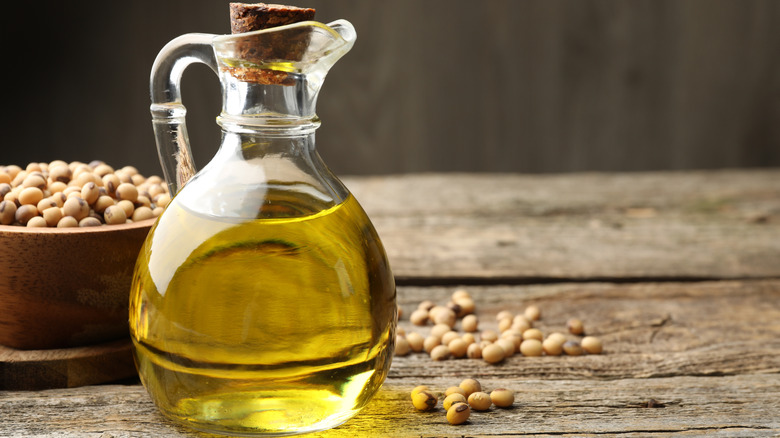
Cooks love ceramic cookware because it takes the stress out of cooking tricky dishes with a tendency to stick, such as omelets. "As long as the pan is in good condition, it's even slicker than traditional nonstick, so you can cook with very little oil," Marissa Stevens said. These nonstick properties are also a huge plus for health-conscious cooks, since they mean cooks can save calories by using less oil and still avoid sticking problems. Amir Alon, for instance, recommends his company's cookware for "healthy Mediterranean cuisine."
Contrary to what you may have heard, though, you won't be able to go completely fat-free when cooking with ceramic cookware — if you skip oil altogether when cooking in most ceramic cookware, you'll end up with an ugly, cooked-on mess. "It's helpful to add a little bit of oil every time you cook, too, because that's what ensures a smooth release," Joanne Gallagher says. Amir Alon notes that higher-end ceramic cookware types may allow you to cook some dishes for brief periods without fat, but to be on the safe side, it's best to assume you'll need at least a little to avoid sticking.
6. Acidic sauces can be a problem
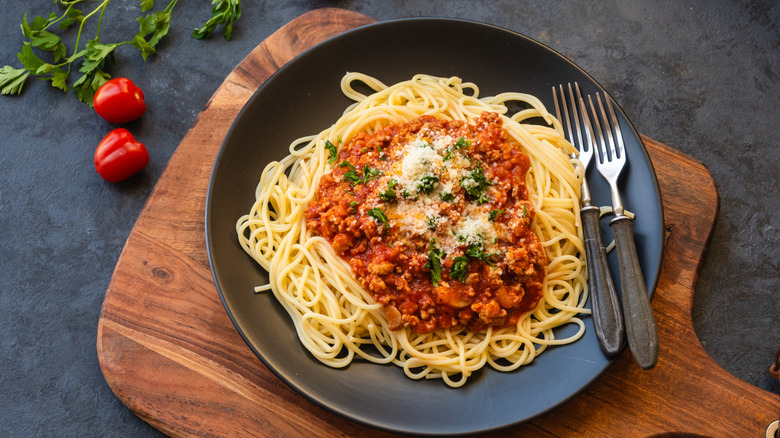
Because ceramic cookware has become so popular, and because it's often sold in sets, enthusiastic cooks may be tempted to use it for everything. However, they need to be aware that ceramic cookware isn't fully interchangeable with stainless steel or cast iron. Like any other tool, it's best for its intended purpose: In this case, providing a nonstick surface for frying or sautéeing delicate, stick-prone foods such as eggs or crepes.
Because the nonstick surface of ceramic cookware is delicate, and wears down with repeated use, you should avoid wasting its potential where it's not needed. For instance, you don't need its nonstick qualities to make soup or spaghetti sauce, and in some cases, cooking these foods in a ceramic-lined pan can damage it — acidic ingredients can damage some ceramic coatings. "Tomato sauces and anything with a lot of citrus or vinegar should go in stainless instead," Marissa Stevens says.
7. Avoid high temperatures
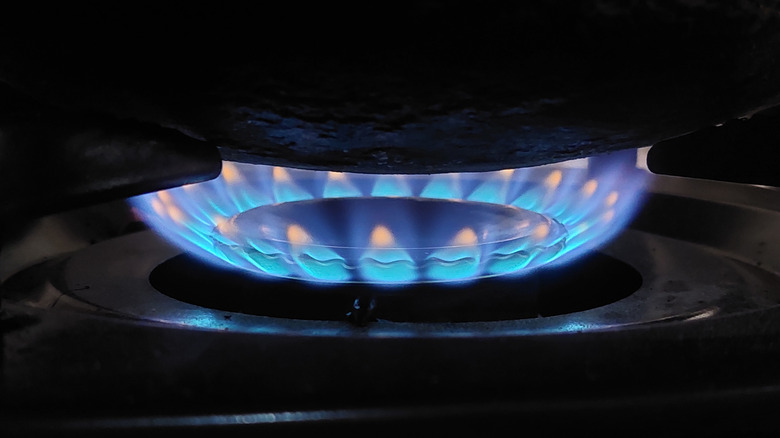
Ceramic cookware can be great to work with, but for some preparations, you're better off reaching for stainless steel or cast iron instead. While cooks avoid high temperatures with standard nonstick cookware, because of the risk of toxic fumes being released from the coating, no such risk exists with ceramic coatings. However, ceramic cookware isn't designed for cooking at high temperatures, either, and trying to do so can degrade the ceramic coating.
"Don't leave your ceramic cookware on the burner for too long or dry-heat the pan," Joanne Gallagher warns. "You want to make sure to do everything you can to prevent your coating from being damaged, and exposing it to high heat is a surefire way for it to degrade." For some dishes, that extra hit of heat, along with a little stickiness, contributes to the development of browning and flavor. "Anything you want to cook with browned bits, like pan sauces, are also better left for something like cast iron," Gallagher says. If you're craving a deeply browned steak or crispy-edged smash burger, keep your ceramic cookware stowed and heat up your stainless steel or cast-iron skillet instead.