

10 Ina Garten-Approved Ways To Upgrade Classic Desserts

No one does the classics quite like Ina Garten. We'd go so far as to say that her cookbooks and TV shows are a one-stop shop for learning the basics, and for getting to grips with some of the timeless appetizers, entrées, and desserts that all chefs need to know. That's not to say that she shies away from twists here and there, though. Garten may be the ideal person to learn rules from as a beginner cook, but once you've mastered those, she lets you in on ways to amp everything up that you may not have thought of.
That's perhaps most obvious when it comes to her desserts. Garten's recipes for her classic desserts are full of interesting ways to make them infinitely more interesting, and usually, all that takes is the addition of an ingredient or a spin on a tried-and-tested technique. In many of her recipes, Garten wields the power of liqueurs, coffee, or salt to give them an extra boost. In other cases, she uses her freezer when you might not expect her to, or adds moisture in canny ways that stop her desserts from drying out. If you're sick of being disappointed by "viral" upgrades that don't seem to do anything, let's go back to the font of knowledge that is the Barefoot Contessa.
Garten uses fruit liqueur to elevate trifles
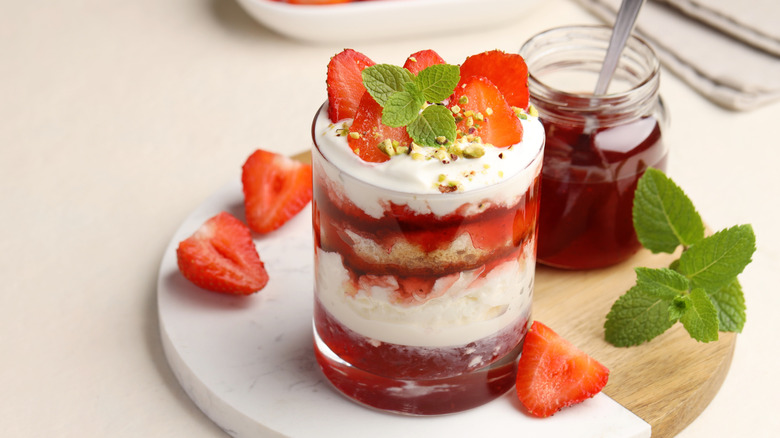
Making a good trifle is harder than it seems. This dessert may feel as though it's just a couple of ingredients thrown together, but the trick is to ensure that each of those ingredients really shines with intensity. Otherwise, you end up with a big old soggy mess of a dish that doesn't quite taste of anything. Ina Garten elects to use alcohol to create intensity in her Red Berry Trifle, which gives the dessert a pop of additional flavor, reinforcing the sharpness of the berries themselves and adding extra sweetness. Her liqueur of choice here is Framboise, a raspberry-flavored liqueur that bolsters the central flavor profile of the dish instead of getting in its way. She sprinkles it onto the cake pieces themselves so that it can soak right in.
Elsewhere in the dessert, Garten also uses cognac, which she stirs into the cream mixture to give it a boozy intensity. Both the cognac and the Framboise add their own flavor notes, but it's the alcohol itself that really creates magic here. When added to a dish, alcohol molecules work with the flavor compounds of the other ingredients, helping them disperse more readily, which thereby creates a richer taste. All it takes is a dash here, and a sprinkle there. Sounds easy to us.
To make a carrot cake even more delicious, Garten uses mascarpone
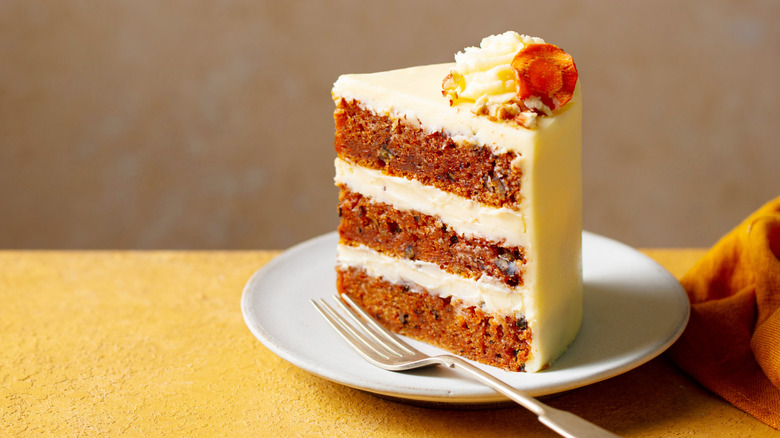
If there was anybody who was going to show us how to make an already tasty dessert even better, it was Ina Garten. The cook's carrot cake has all of the ingredients you'd expect of the classic dish, and is adorned with a cream cheese frosting that gets a little help from an extra ingredient: Mascarpone. Garten actually uses triple the amount of mascarpone as she does cream cheese, and also mixes in crystallized ginger for a touch of spice.
The mascarpone here might not seem that exceptional, but it makes a big difference. Mascarpone has a higher fat content than cream cheese, which gives it a more buttery, richer flavor that creates more luxuriousness in this cake. Mascarpone's flavor notes are also milder and have a nutty note to them, which helps to cut through the slight tang of cream cheese (and works very well with the slight earthiness of the cake). It's a quick way to make a carrot cake feel special, without having to do all that much.
Garten adds coffee to her classic chocolate cakes
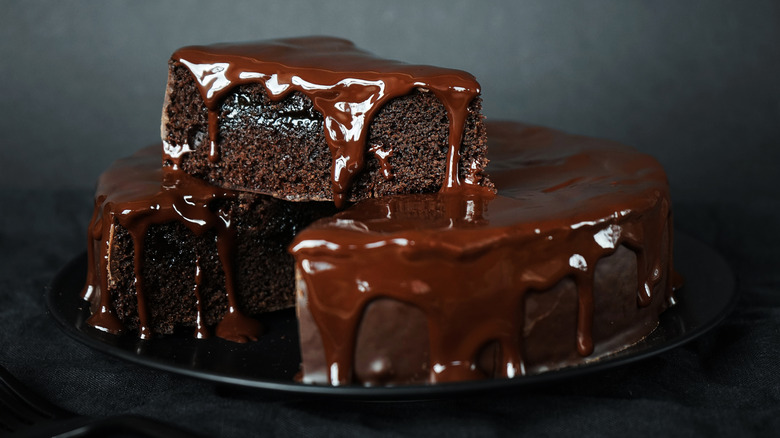
Coffee and chocolate is a match made in heaven, and Ina Garten knows this fact well. That's why it shows up so much in her chocolate cake recipes. Garten is a big fan of a splash or a dash of coffee in recipes, like her Beatty's Chocolate Cake or her Chocolate Ganache Cake (which is one of her most iconic recipes), and, interestingly, she likes to mix up the form that she adds it in. To the former, she tips in a cup of freshly brewed hot coffee; to the latter, she adds a spoonful of instant coffee powder.
Both additions have a powerful result. Coffee has an intensifying effect in many different dishes, and its bitterness offers a counterpoint to the chocolate's sweeter notes. The drink has also been found to change our perception of taste, making us more sensitive to sweetness, thereby making the impact of the chocolate a lot more powerful. Naturally, the caffeine might be a bit of a concern if you're serving one of Garten's cakes late at night, but you can always opt for decaffeinated coffee. You'll still get the same effect, with none of the sleeplessness.
When making Boston Cream Pie, Garten uses a soak
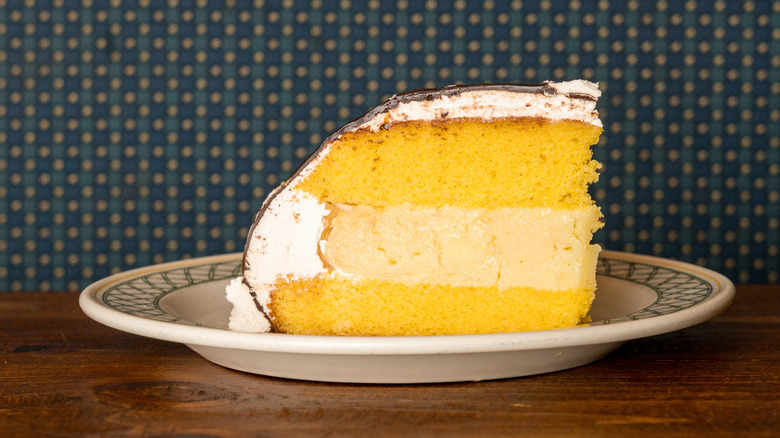
If you're not using a soak to make your Boston cream pie, you really should be. Want to know why? Because Ina Garten says so, that's why. Okay, that's not the only reason — she does it because it makes the dessert that much better. When Garten is constructing her Boston Cream Pie, she dabs a mixture of orange juice, granulated sugar, and Grand Marnier onto each piece of cake before topping them with pastry cream.
This cake soaking technique is more than just the sum of its parts. By wetting the cake slightly, Garten helps to prevent the whole thing from becoming too dry, and keeps the Boston cream pie moist and full of flavor. The ingredients she uses in her cake soak add to this: The orange juice and sugar give sprightliness and play into the flavors of the dessert, while the Grand Marnier creates intensity. Cake soaks are especially useful if you're working with drier, older pieces of cake, but they have just as profound an effect if you're working with fresh pieces. Just make sure you don't add too much, as this can cause the cake to lose its structure.
Garten's pound cake uses turbinado sugar
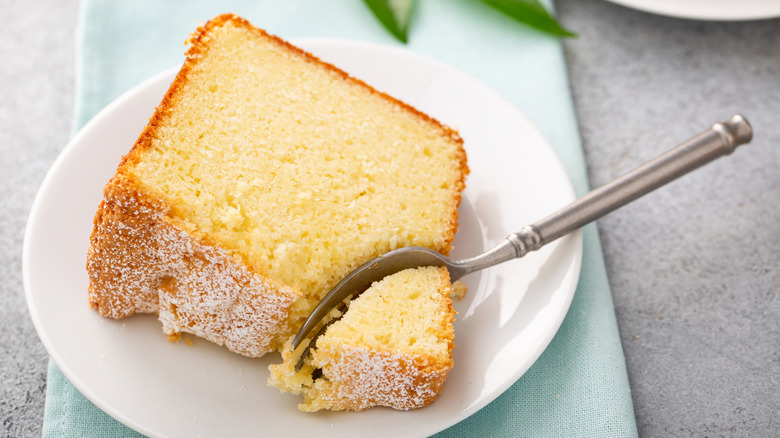
Sugar's sugar, right? No, it's not, and Ina Garten knows it. The cook naturally uses white granulated sugar regularly in her dessert recipes, but she also reaches for lesser-known types when the situation calls for it. One such situation is when she's making pound cake, which is, incidentally, one of her favorite classic desserts. When she's putting together this simple cake, she uses turbinado sugar, which she sprinkles into the cake tin before pouring in her batter.
Here, turbinado sugar has several functions. This sugar is way less refined than other forms of the sweetener, and, as such, it has a rougher, grainier texture that gives pound cake (or any cake) a wonderful crunch on its outside. Its lack of refinement also means that it has a higher molasses content, which gives it a lot more depth. This is particularly useful in pound cake, which can typically be quite simple, and, as such, may be lacking in much by way of flavor. Turbinado sugar creates that flavor while also keeping things simple and elegant. If you don't have turbinado, though, you can use any free-flowing brown sugar you have, although it won't have the same crunch.
When making classic chocolate chip cookies, Garten recommends briefly freezing the dough
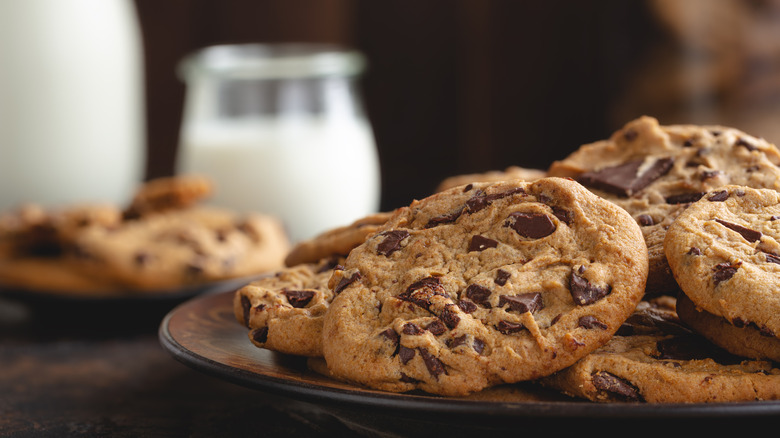
There's no shortage of tips out there for how to make classic chocolate chip cookies better. You know whose tips we actually trust, though? That's right: Ina Garten's. Interestingly, Garten stays well away from funky ingredients that claim to give chocolate chip cookies more flavor, and instead opts for two technique-based methods. First off, she recommends freezing your cookie dough for exactly 15 minutes after you've scooped it onto your sheet pan. Then, she advises that you take your pan out of the oven every three minutes, banging it on the counter to deflate the cookies, before placing it back in to carry on cooking.
Both techniques lead to flat, crinkled cookies that have just the right amount of chew in them. Although it sounds like a lot of work, it definitely makes a difference: Doing both creates extra crispiness, and also somehow gives the overall flavor of the cookies more intensity (perhaps because the ingredients are allowed to mingle slightly as the dough sits in the freezer). That said, this really isn't an essential step when you're making cookies, but if you've ever found that yours are missing something, give Ina Garten's tricks a try.
Garten's bread pudding is elevated with brioche and melted ice cream
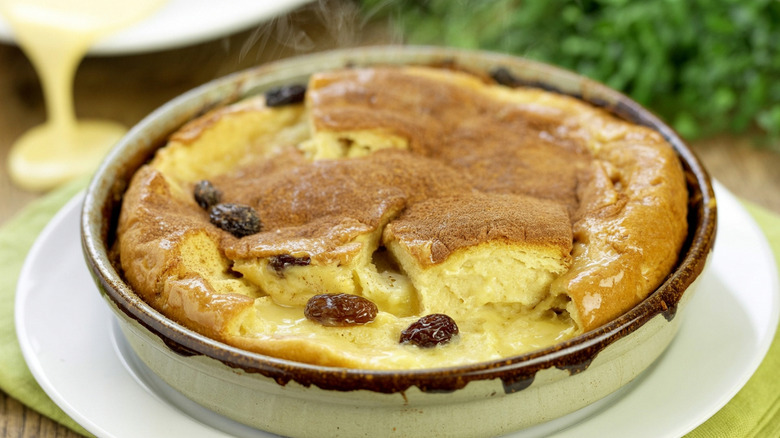
It's hard to think of ways that bread pudding could get better — the beauty's in the simplicity here — but, somehow, Ina Garten manages it. She does this by making two key swaps that elevate her Vanilla Brioche Bread Pudding to new heights. The clue's in the name here, people: Brioche is used in place of regular bread. Brioche has a sweet flavor and an airy, pillowy quality that helps to stop the pudding from becoming too cloying, and which adds flavor from within. It's an easy move, but a fruitful one.
Then, Garten makes perhaps her boldest move yet by swapping crème Anglaise for melted vanilla ice cream as its topping. This ice cream sauce trick is one that both cuts down on any annoying preparation (you don't have to whip anything up, just take your ice cream out of the freezer), and adds a lot of flavor. Vanilla ice cream is rich, sugary, and luxurious, and when it's melted, it retains the same properties. You can also use this dessert hack for virtually anything that calls for either crème Anglaise or, in some cases, regular whipped cream.
To make granita shine, Garten contrasts sweet with salt
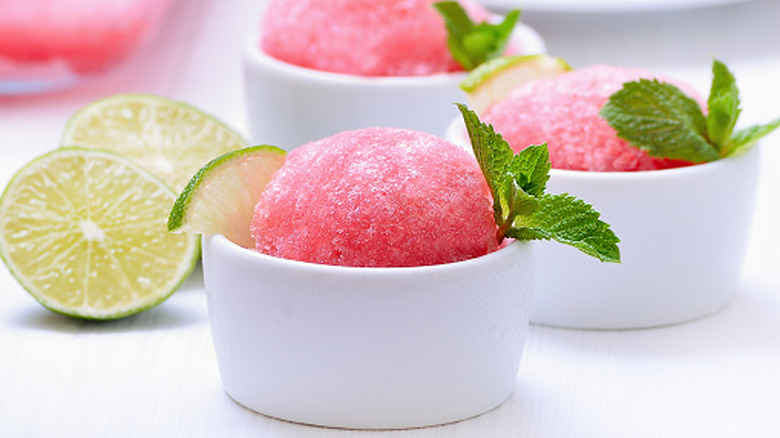
Granita can go one way or another. When it's good, it's bright, tart, and full of flavor; when it's bad, it basically tastes like slightly sweetened water. Ina Garten helps her viewers and readers prevent this from happening by adding an ingredient you might not expect: Salt. She finishes off her Sparkling Grapefruit Granita (which also contains dry rosé champagne) with an eighth of a teaspoon of fleur de sel, which she mixes in before allowing it all to set.
It's a small amount of salt, but it makes a big difference here. Salt in sweet dishes has a powerful effect: Researchers have found that it may heighten our receptiveness to sweet foods, thereby making anything sugary taste even better. More generally, it also creates contrast and intensity with anything else that's in a mixture. In this granita, for example, the salt works against the tartness of the grapefruit juice, as well as with the sugar. Garten's choice of fleur de sel stops the salt from becoming too intense, as it has a higher moisture content than other forms, and so doesn't have that harsh edge. It also has a nice, round brininess, giving the granita more character.
Use an ice cream scoop for your muffins — and top them with sugar
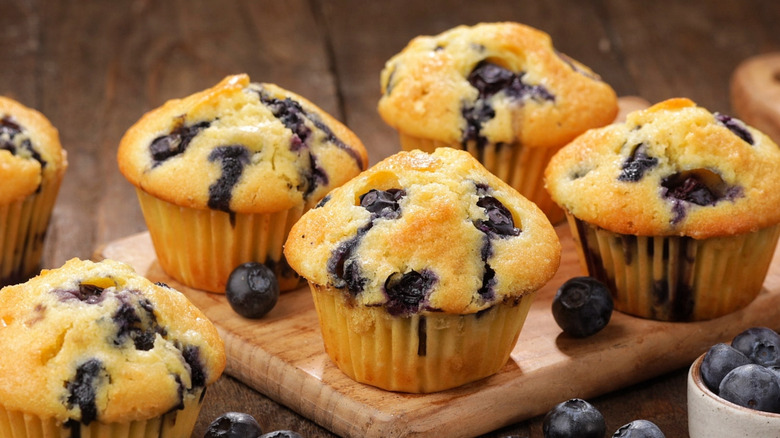
When it comes to classic desserts, presentation is almost as important as flavor. These desserts deserve to be as neat as they can be, and when they're not, the visual impact of them is totally ruined. Ina Garten understands this, especially when it comes to her muffins. That's why she uses the simple, but underestimated technique of employing an ice cream scoop to portion them out. By using a scoop instead of free-pouring the batter into the muffin cases, Garten ensures that each one will be the same size and that they all cook at the same rate.
Garten also adds a finishing touch to her muffins by way of a liberal sprinkle of sugar on each one. This obviously gives them a burst of sweetness, but it also adds some all-important texture. Textural contrast can be hard to come by in muffins, but all great desserts have it: Possessing a variety of different qualities creates way more dynamism and interest, and ultimately improves the eating experience. Plus, don't we all love muffins with a crunchy top?
Garten adds sour cream to her cake and cookie batters
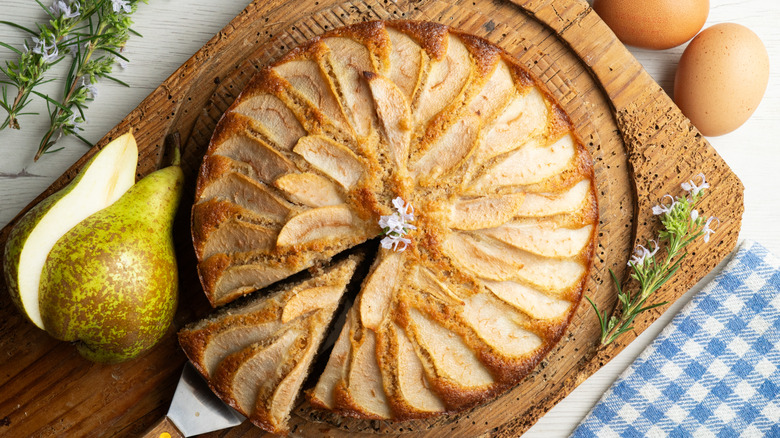
Sour cream serves an important function in batters and baking recipes: It can deliver moisture without making batter thinner, thereby producing a more tender result. The fat in the sour cream also provides additional flavor, and the sour tang it delivers creates a slightly more complex taste. When used judiciously, it can make what could be a boring dessert into something very special.
Ina Garten clearly knows this, which is why sour cream shows up so much in her cake and cookie batter. In her Fresh Peach Cake, she adds a full cup of sour cream to the batter; in her Black & White Cookies, she uses a third of a cup. Both add fat in the same way that eggs or butter might, but with a touch more character — and, in both recipes, the tanginess of the sour cream works against the sweetness to give the desserts more life. In her peach cake, the slight acidity also works well with the tartness of the fruit. It's a quick trick that has way more profound results than you might expect.