
9 Things Brewery Employees Wish You'd Stop Doing
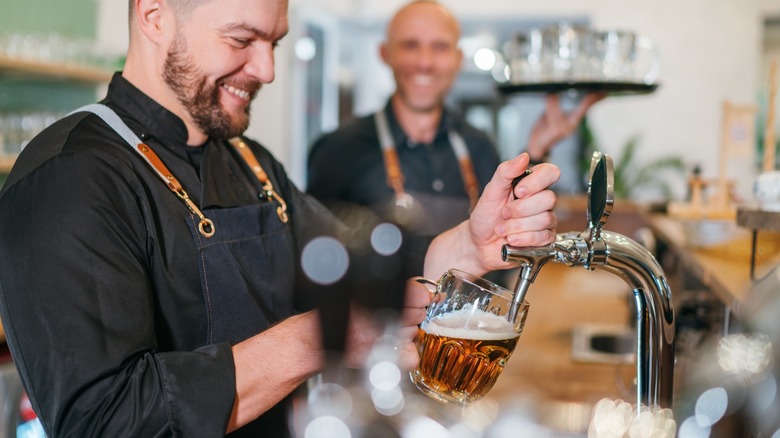
Over the last decade, brewery taprooms (and craft beer-focused bars) have gained a cultural preference as a popular third space for the public. From office happy hours to meeting up with friends to simply getting the family out of the house on the weekend, most provide an ambiance that combines the socialization of a bar setting with the familiarity of a local cafe and the dining options of a restaurant.
This social trend also undoubtedly helped bolster the American craft beer boom during its heyday, much to the joy of the breweries that directly benefit from having a busy bar atmosphere filled with thirsty clientele. But as with any service establishment, brewery and beer bar employees tend to have a very specific set of issues they have to deal with at the hands of their customers.
As the owner of an award-winning craft beer bar in New York City who has spent close to two decades frequenting breweries and taprooms across the country and around the world and is a Certified Cicerone, I've had more than my fair share of experiences interacting with the beer-drinking public (enough to write a memoir, in fact). I've reached out to some of my colleagues across the beer industry to help compile some of the customer habits that tend to rub us the wrong way. Before you go making a faux pas, here's what most brewery and beer bar staff say is what bothers them most.
1. Asking for things that aren't on the menu
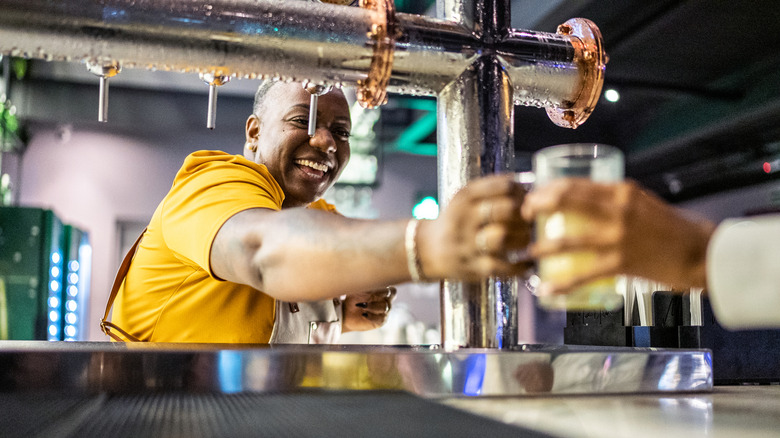
Maybe it's an assumption that all breweries are the same, or the widely held belief that the best breweries function just like any other bar that is happy to make up a specific type of drink for you. But over the years, I've noticed many customers will confidently walk straight up to staff without so much as glancing at a menu or tap list (even when one is literally staring them in the face) and order something completely out of left field.
According to Melissa Walter, co-founder of Love City Brewing in Philadelphia, staff at her bustling taproom say it's all too common for people to ask for things like Miller Light or Jameson. "We can usually find something that works for them, but neither of those things is on our menu," she says.
But going off menu isn't just about assuming a mass-produced product will be available. Brewing consultant Keegan Dombrosky says it's almost worse when someone orders by naming an obscure craft beer from the other side of the country or world. "Rather than asking if I've heard of beer X from brewery Y that you had late night on a cross-country business trip that no one here has heard of, try describing what you liked about the beer, and the taproom staff will try to find you a close match that way," he suggests.
2. Complaining about foam on beer served with a proper amount of head
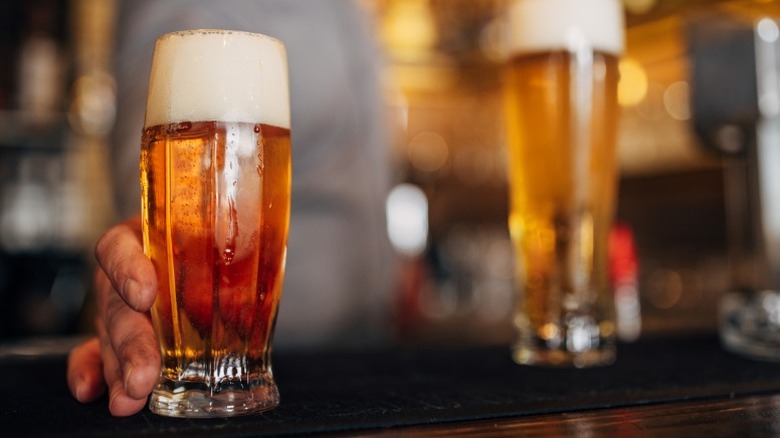
As the front lines of the great American craft beer boom, it tends to fall on brewery staff to reeducate the drinking public on some basic misunderstandings about the beverage. For the most part, these teaching moments go over without issue, with both parties leaving feeling good about the interaction. But for whatever reason, there's a specific type of customer who will become irate when they notice so much as a thin layer of bubbles on top of their beer.
"Foam is part of the beer experience," says Dombrosky. "Some people seem to think they're being cheated out of an ounce or two of beer if you don't pour liquid to the brim of the glass."
As a Certified Cicerone, I can attest that he's not wrong: Service rules dictate that all beer is meant to be served with at least a quarter inch of head atop that liquid (with some styles actually encouraging even more — just look at Czech-style beer that's supposed to be more foam than liquid). This foam acts in many ways to enhance your beverage, including playing a part in the flavor. At the very least, it's not an attempt to cheat you out of beer — in fact, most beer-appropriate glassware is designed to account for this extra ounce of space. But since this kind of disagreement still tends to go over poorly during transactions, try to keep this in mind during your next brewery visit.
3. Treating the space like a daycare
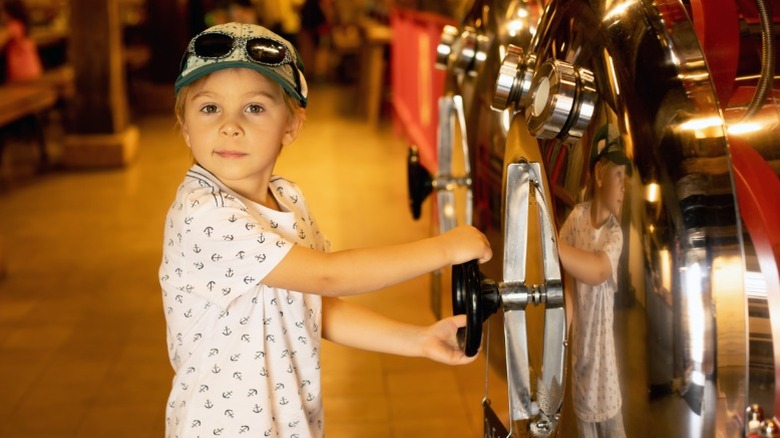
I am hard-pressed to think of an issue that divides the beer world more than the policy of whether or not to allow children into breweries. It truly feels like a problem that's unique to the industry, with many patrons bringing their little ones along while the adults congregate over pints. After all, this industry has absolutely benefited from this kind of patronage, where parents feel comfortable sitting with their families (usually along with others) and spending their money. But while the vast majority of customers respect the all-important family-friendly nature of breweries and taprooms, there are always a few exceptions that can ruin the situation for everyone involved.
One of Walter's staff members put it succinctly, telling her that even though "kids are always welcome [in the brewery], I wish parents wouldn't let their children treat the place like a playground. Walking around is fine, but climbing on top of tables and chairs is not."
Anyone who has joined the social media discourse on this topic knows just how heated it can get. But while breweries and taprooms tend to go out of their way to feel inviting to patrons of all ages, it's still important to remember that there are other guests, too. If anything, it's best to treat the arrangement as you would any restaurant, cafe, or public space, and make sure your children are supervised. At the very least, it's for their own safety!
4. Ordering beers based on Untappd rankings
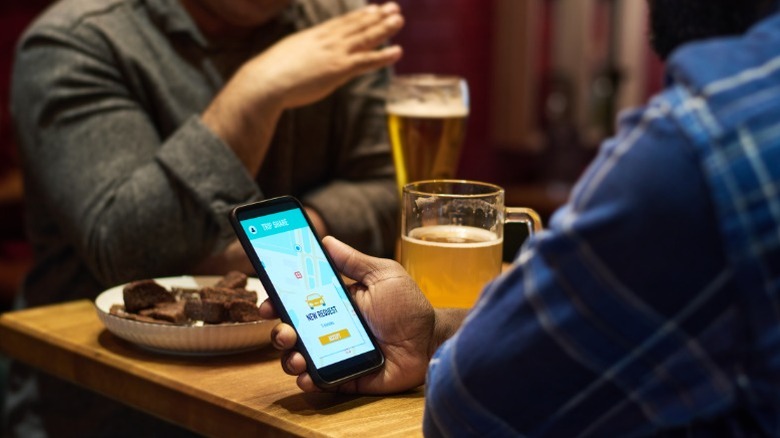
In the age of social media influencing our food decisions, everything has its own dedicated community, including craft beer. For those who are unaware, Untappd emerged early as the go-to app for users looking to keep track of and rate their purchases. But while most people just use it as a sort of log and a way to stay on top of what their friends were trying (as it was always intended to be), others take the service's ratings far too seriously when it comes time to order.
"Reviewing beers the customer wouldn't like, no matter what, is by far the worst part of the app," says Domrbosky. "The whole 'I don't like saisons but let me order a saison and rate it 1.5 stars anyway' might be the most hated part of the customer experience for brewers."
While it might seem like niche behavior, this kind of practice can have seriously negative impacts on business. While firing off a cheeky review might seem innocuous to someone in the taproom, those low ratings can seriously influence sales of certain beers in the wrong direction. The next customer who is turning to the community for a suggestion on what to order might see the low ranking and avoid the perfectly delicious beer altogether. As always, it's better to ask taproom staff about their opinions rather than blindly following public opinion, especially given how this community functions in particular.
5. Ordering by ABV
Even though craft beer has been fairly well established in the U.S. for over a decade, the American drinking public is still learning about what it means to drink something that isn't a mass-produced light lager. But now that taprooms and breweries have exposed drinkers to stouts, IPAs, and Belgian styles that are often double (or triple, or even quadruple) the amount of alcohol they're used to getting in a Bud Light, some take it as a challenge to hit the ground running. In all my years working in beer, having someone order "whatever is strongest" on tap without so much as looking at a menu is one of the biggest bartender red flags.
Dombrosky and I share the opinion that customers who are blindly ordering based on what will ostensibly get them intoxicated as quickly as possible are essentially letting their server know right away that they're a high-risk client. A similar issue stems from customers griping about having to drink high ABV beers out of a beer glass or being adamant they should be able to order a 16-ounce pint glass "double" of that 10% ABV double IPA (when it should always be served in a tulip glass).
In the same way I wouldn't serve you a wine-pour-sized serving of whiskey, it's completely irresponsible to do the same with high-gravity beers. The way I see it, sticking to the rules also means you'll finish your beer before it warms up! Just open a tab and come up and order a second instead of making a scene.
6. Asking to bring back out-of-season beers or obscure styles
Brewers take their jobs very seriously, especially when it comes to figuring out their brew schedules. After all, they have to time everything just right so that fermentation and packaging can still happen within their limited amount of work space. This delicate dance is never taken lightly, since a dud release can really weigh on sales. But while decisions are always made with at least some consideration for the public, these businesses are not restaurants, and hounding staff to brew up a lesser-known style (or a seasonal favorite that's months away on the calendar) will never come across well on the other side of the bar.
In the same way you wouldn't want to order off-menu at a restaurant, harping on making a specific obscure beer is something of a faux pas in the industry. In fact, most brewery staff I spoke with about this topic made the mistake of indulging a customer's whim once before swearing off the habit for good.
"Then we bring it back, and the people who bugged us for it never touch the beer," says Dombrosky, who adds that this type of behavior is more often coming from overly entitled regulars than casual taproom guests. Instead of trying to influence the brewing schedule, try chatting with staff about something that might align with your tastes. We promise that seasonal or rare beer will taste even better after the wait!
7. Assuming flights have to happen
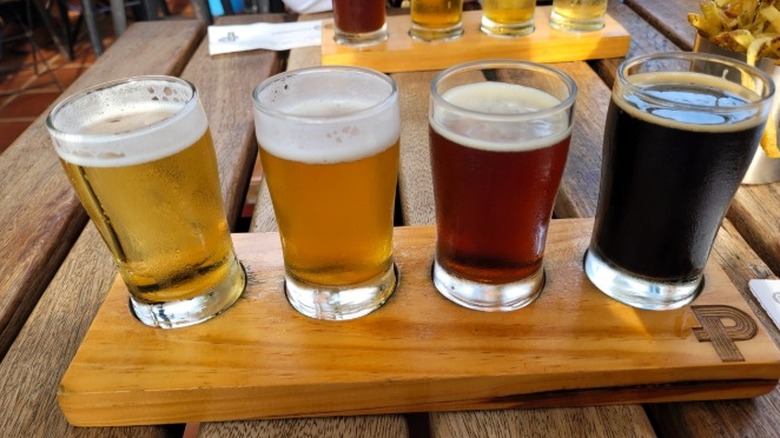
In the early days of the craft boom, it was super important for breweries to get as many of their beers in front of their customers as possible. Of course, this was the responsible way for guests to get through multiple styles without overindulging, making it a win-win arrangement. But at some point down the line, breweries began to realize that those paddles were not only a bit of a pain to assemble and explain, but were also a less-than-ideal way to sell their own products.
In nearly 15 years of owning a craft beer bar, I've yet to see a week go by where at least one person requests a board with multiple small pours. But as an expert in the product, I can promise you that a couple of sips in a generic small glass is not a fair representation of the product, and almost never the right way to experience a beer the way it was meant to be. Instead, most taprooms now offer smaller or half pours of their products. This can be especially helpful when that 9.5% ABV stout has been staring you down all evening, but you don't want it to force you into calling it an evening early. But otherwise, I am a proponent of ordering that pint and taking the time to savor it as it was intended. Your taste buds (and brewer) will thank you!
8. Assuming you can have samples of everything
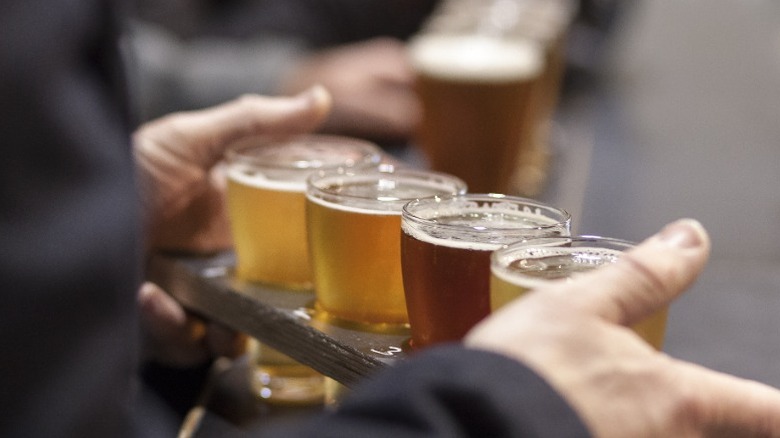
In a similar vein to beer flights, there was a point during the craft beer boom where taprooms became like ice cream parlors when it came to asking for a taste of something. At best, this helped staff educate the new-to-beer-drinking public about styles they'd never heard of before, especially as the industry began to branch out into more obscure styles. But as with any store freebie, it soon became such an expectation that many have begun to abuse the ability to ask for a quick sip.
There are a few problems with this behavior (and it's not just bottle-aged or conditioned rarities). The most egregious arguably pertains to draft beers that are already expensive per ounce, where even that little sip can be pricey for the bar. At best, it's also time-consuming and demeaning to the staff, who likely don't think that you'll see a huge difference between the four different IPAs you're demanding to sample. Unless you're truly lost or bewildered by an offering, I always encourage customers to ask questions, make an assessment based on staff information, and then commit. Embrace the beautiful mystery that makes beer discovery as much fun as it is!
9. Forgetting that the staff are members of the community, too
There may be two sides to every bar, but at the end of the day, the beer community is a special one. It has grown and thrived thanks to a mutual respect between brewer and customer in a way that you don't see in other types of establishments. And while customers and employees might not always see eye to eye on everything, they're still thrilled to have you there for all the right reasons.
"Our bartenders are awesome about rolling with the sometimes-frustrating things that happen. Even when they've heard the same thing a hundred times, they are still kind and polite and provide great service," says Walter. "I think this is a big part of the reason that we have such a great reputation in Philly. We're known as a welcoming space where anyone can feel comfortable, and that's been a big part of our success."
Since we've opened, the one service element I've impressed upon all of my staff has been to treat every customer like the neighbor that they are. Beer presents a rare spot in hospitality where the people on both sides of the bar are actively rooting for one another at the end of the day, arguably in an even more casual environment than a coffee shop or restaurant could ever allow. By giving employees the patience and respect they deserve, you're more likely to immediately feel that homey vibe we're all setting out to provide our guests.