

10 Best Groceries To Buy In Bulk
We may receive a commission on purchases made from links.
Everyone's bulking, and not just in the gym. Bulk-buying groceries has never been more trendy. More and more people are realizing that the savings that you can make when you stock up on everyday items instead of buying them in smaller quantities are almost extraordinary, and doing so might shave a significant amount off your shopping bill. The problem, though, is that it can be all too easy to buy the wrong things and end up throwing them away. This is a common problem: According to analysis from LendingTree, almost 40% of people who bulk-buy groceries waste them, reducing any potential financial benefit.
How do you avoid this? By making sure that you're buying the groceries that are most suited to bulk-buying. Pantry staples that you'll actually use, like honey, dried beans, and chia seeds, sit right in the sweet spot of being more affordable when buying in bulk, having a long shelf life, and being versatile enough to include in loads of different recipes. Other groceries might surprise you in their suitability for being bulk-bought, and items like butter and beef are things that you definitely want to stock up on, as long as you store them right. Ready to revolutionize your next grocery trip? Let's go.
1. Honey
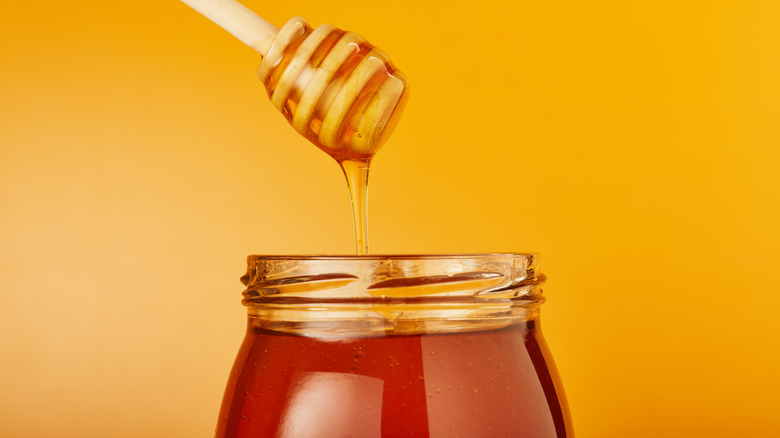
Odds are that we all have a jar of honey sitting somewhere in our pantry, right? Well, we should all have a big tub of it, instead. Honey's one of those things that most of us don't think to buy in bulk, but this doesn't quite make sense, considering that it quite literally never goes bad. Provided that you're buying pure honey with no additives, this sweetener can, in theory, stay edible for thousands of years, due to its antibacterial nature, acidity, and lower moisture levels. As long as it's stored properly, the worst that will likely happen to it is that it'll crystallize — and even then, you can easily revive it by putting it in some warm water.
Plus, when you look at the savings you can make when you bulk-buy honey instead of going for smaller containers, it just makes sense. Over on Amazon, you can grab a 5-gallon drum of 100% Raw Desert Creek Honey, which costs $0.30 per ounce — but the same product in a 1-gallon jug costs $0.39 per ounce. It's the same deal across other honey brands, too. When you weigh this all up, the only reason you should be opting for the latter, or for even smaller containers, is if you don't have the storage space.
2. Frozen fruits and vegetables
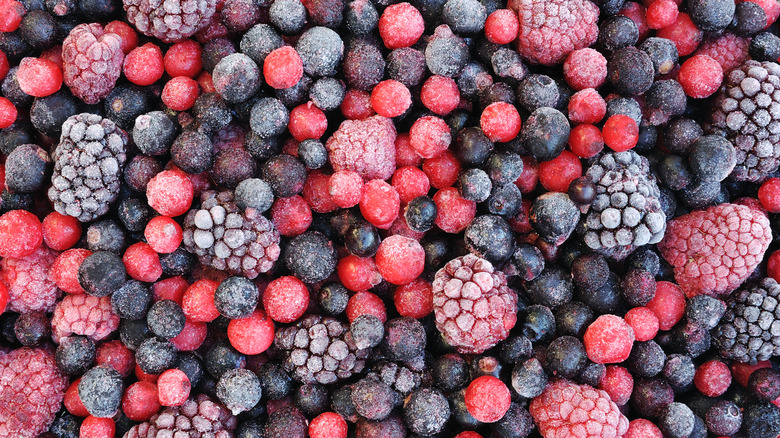
If you're trying to save a little cash by bulk-buying, then frozen fruits and vegetables are your best friend. Sure, they may not have the same freshness as the counterparts that you'd find in the produce aisle, but they'll certainly last longer. When stored properly, frozen fruits and vegetables can last for up to a year – and if you've ever ended up throwing half the contents of your crisper drawer away (which all of us have), then you'll know the benefit of this extended window of usability. Plus, frozen fruits and vegetables are generally as nutritious as the fresh kind, thanks to being picked and processed at peak ripeness. This can also mean that they give you a more reliable, consistent result.
It's also important to remember that while you can make a saving by simply switching from fresh to frozen fruit or vegetables, you'll want to embrace the bulk-buy nature here and go for the biggest packs you can. As bags of frozen produce get larger, they typically cost less per ounce, so unless you're struggling with freezer space, there's no real reason why you should go for the smaller ones. Stock up and save big.
3. Dried beans
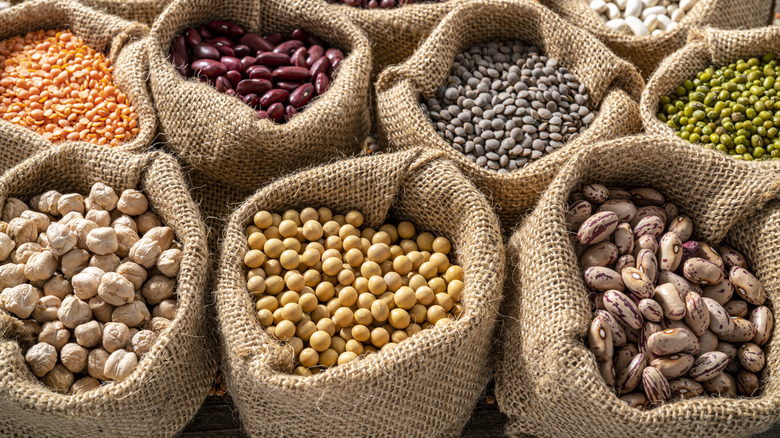
In our opinion, not enough people are bulk-buying dried beans. This pantry staple is already an affordable way to stretch out meals and give them more protein, fiber, and flavor, but it's also one that can last a very long time. When you store them in the right conditions, dried beans can last for more than a year, and they're easy to prepare and revive. The more dried beans you buy, the less they'll cost per ounce. And when you seek out particularly large bags of them, you can find some excellent savings. Plus, they're the kind of thing you can store in your basement or garage, provided that they're not too damp or cold — so don't be afraid to stock up.
Beyond the savings, there are plenty of reasons you should be eating more dried beans, and why they've become more popular. Dried beans can have a fuller flavor than their canned counterparts, and you also have way more control over them and the final result. They're also highly nutritious, go with virtually everything, and can be made into all manner of dips or soups.
4. Flour
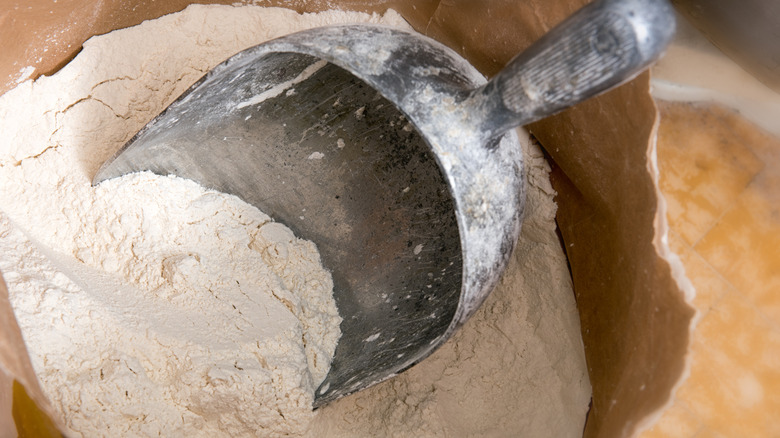
If you're a keen baker, you probably already buy a lot of flour — but even if you're not whipping up loaves of sourdough bread every week, you should probably still be purchasing it in bulk. Flour is one of those pantry staples that can last a long, long time. When kept in an airtight container, it remains good for around a year. Given the number of uses it has in the kitchen and how often most people find they need it in a pinch, there's no good reason not to keep it around, but buying it in smaller packs is a surefire way to spend more money than you want to.
Instead, get bulky with your flour. A simple price comparison shows the benefit of doing so. If you buy a 5-pound bag of King Arthur 100% Organic Unbleached All-Purpose Flour from Amazon, you'll pay $0.10 an ounce; the same flour in a 2-pound bag will cost you $0.34 per ounce. If you buy your flour from a place like Costco, you may get even better savings, too. Just make sure that you're storing your flour correctly so that you don't end up shortening its lifespan and wasting your cash.
5. Rice
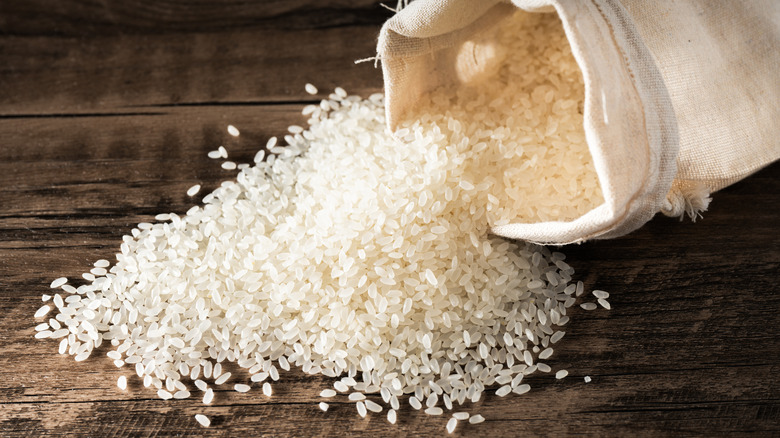
There are few groceries better-suited to bulk-buying than rice. This grain can last for an extraordinarily long time: In ideal conditions, polished white rice can remain usable for up to 30 years. Other forms, like brown rice, may have a short lifespan (you generally get about six months out of brown rice, due to it being less processed and retaining its bran layer). But if you use it a lot, it still might be worth stocking up on.
Even if you only use white rice once a month, though, you really should be getting bags that are as big as possible. The price difference between buying a pound bag of rice and a 25-pound one is huge, and you might save up to half the amount per ounce. Just make sure that you're storing it in an airtight container. Although you can leave white rice and other types of rice in the bag that they come in, these are way flimsier than plastic or glass jars or Tupperware, and can leave it more susceptible to environmental damage or being infiltrated by pests. Don't spend all that money and then watch it go down the drain, folks.
6. Canned tomatoes
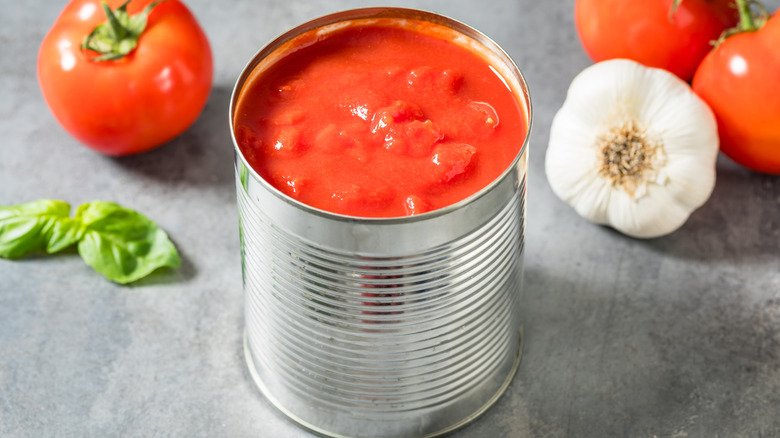
We're sorry, but unless you don't have any space in your pantry or elsewhere, then there's just no reason why you shouldn't be bulk-buying canned tomatoes. This foodstuff, which most of us use several times a week, gets significantly cheaper when you buy the cans in multi-packs instead of single ones. Once you've got them home, they can last for up to a year and a half in the right conditions — and all you've had to do is put a bit more cash down up-front, and lug a few more cans in from the car. This principle goes for other canned fruits and vegetables, too, and some low-acidity canned veggies can stay usable for five years in your pantry. Why wouldn't you stock up?
Plus, while we know that you might like to mix it up with your canned tomatoes and try new brands once you've gotten bored with the flavor of your chosen one, we promise that there are loads of ways to make them interesting again. With one easy step, you can caramelize your canned tomatoes and give them more intensity and vigor. You can boost flavor by using your oven, too, to dry them out slightly and create more fullness. Trust us when we say that you won't regret that purchase.
7. Bottled and jarred condiments
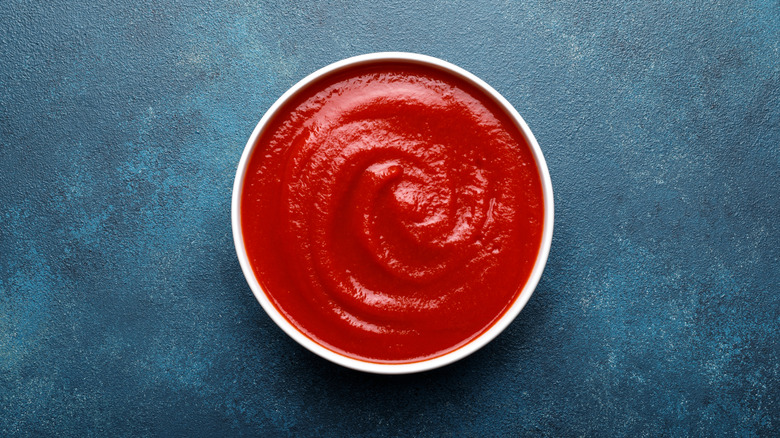
Bottled and jarred condiments are things that, frankly, most of us waste a lot of money on. When we're out of ketchup, hot sauce, or mustard, we usually just buy the same old smaller bottle or jar that we normally do. However, if you use any of these with any frequency, then you might just be overspending. Ketchup, for example, is notably more expensive when you buy it in smaller quantities than in larger ones, and going for bigger bottles or multi-packs (or a combo of both from somewhere like Costco) can pull back your per-ounce spend quite a bit.
That said, you'll want to make sure that the condiment you're bulk-buying has a long enough shelf-life to ensure that you use it all. With ketchup, bottles last for around a year when unopened in the pantry. Once opened, you have about six months if you keep them in your fridge. Mustard and hot sauce can last for years, and particularly acidic versions of both have an incredibly long lifespan. You might want to be a bit more careful with creamy condiments like ranch or mayo, though, which stay fresh for a much shorter time once opened.
8. Beef
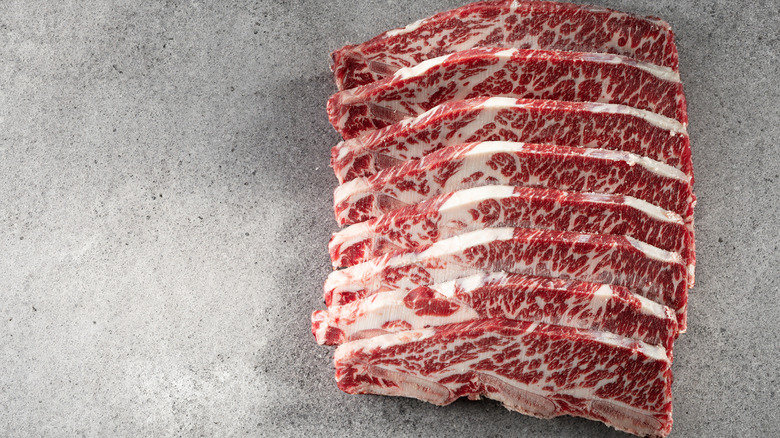
Bulk-buying meat has become increasingly popular in the last couple of years, and for good reason: It saves you a lot of money. Of all the meats you should be buying large amounts of in one go, beef should be the top of your list. Beef can last for months in your freezer when stored correctly, and whether you're buying it ground or in larger blocks of meat, the amount you can save is honestly wild. Some people have reported pulling their grocery bill back by hundreds of dollars by opting for sub-primal cuts over individually packaged steaks. All you need is some basic butchering skills to produce great hand-cut steaks (which might just taste better).
Once you have broken your beef down, you need to make sure that you're freezing it right. Otherwise, you subject the meat to freezer burn, losing a lot of money in the process. Beef (and anything in your freezer, for that matter) should always be frozen in airtight packs or containers. You should also label it with the date you're freezing it, so that you don't forget when you first bought it, and therefore, when you need to use it by.
9. Butter
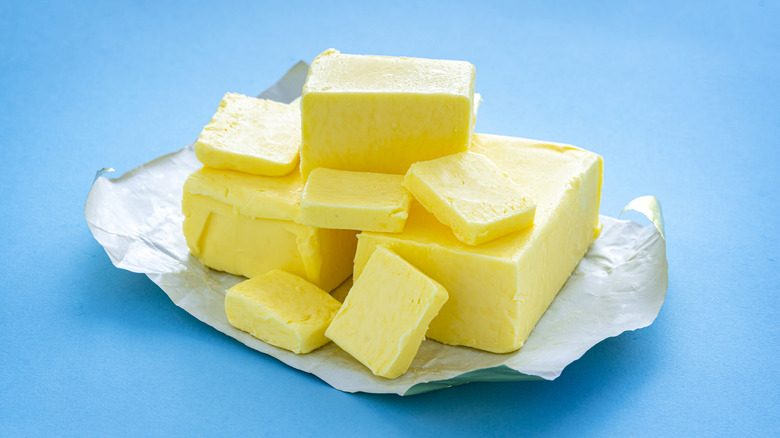
It just doesn't make any sense to buy butter in small packs, people — and let us tell you why. Butter can last for a very long time in the freezer, and when stored correctly, it stays fresh and usable for up to a year. However, it also has a surprisingly long shelf life when stored in your refrigerator. A lot of people assume that because this is a dairy item, it'll go bad in weeks, but you can actually get about three months out of a stick of butter before it starts to lose quality.
As a result, buying more than one stick of butter at a time is usually a smart move, even if you only use it now and again. If you ask us, though, you should be purchasing as much as you can in one go. Multipacks of butter work out way less per ounce than individual or dual-stick packs, and you start to see substantial savings when you buy multiple pounds at a time. Then, you can stash the ones you're not going to use immediately in your freezer, and when you're ready, they thaw easily.
10. Chia seeds
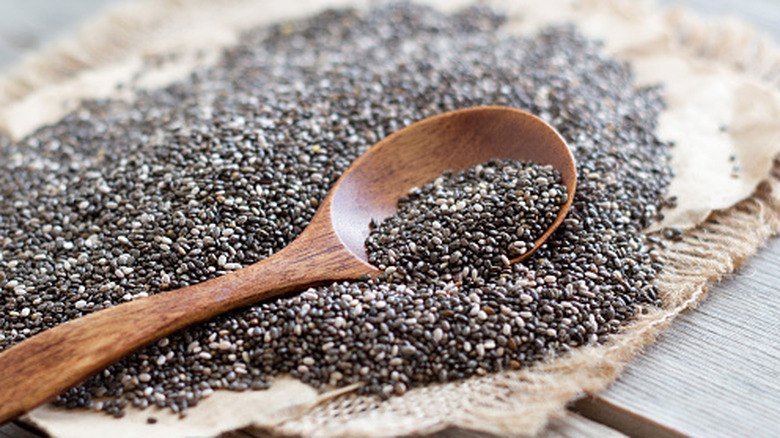
Chia seeds are a bulk-buyer's dream. These super-powered seeds, which can be used in smoothies, overnight oats, dressings, or as a salad topper, have an incredibly long shelf life. You can get a good five years out of them when stored at room temperature before they start to go bad. As such, they're a no-brainer for purchasing in larger quantities, especially when the smaller bags of them can be so expensive. Grab yourself an attractive food container, decant them into it, and enjoy your chia seeds for the next five years.
Chia seeds with their long shelf life somewhat stand alone in the seed world, and others can be a little trickier to bulk-buy, due to going rancid more quickly. Varieties like sunflower seeds and sesame seeds may only last a few months in your pantry, although you may get longer out of them in your refrigerator. That said, though, if you know you use them regularly, and you'll get through your supply, then it's generally always a good idea to buy more, not less, seeds at a time.