

8 Best Ways To Save Money On Dairy Products In 2026
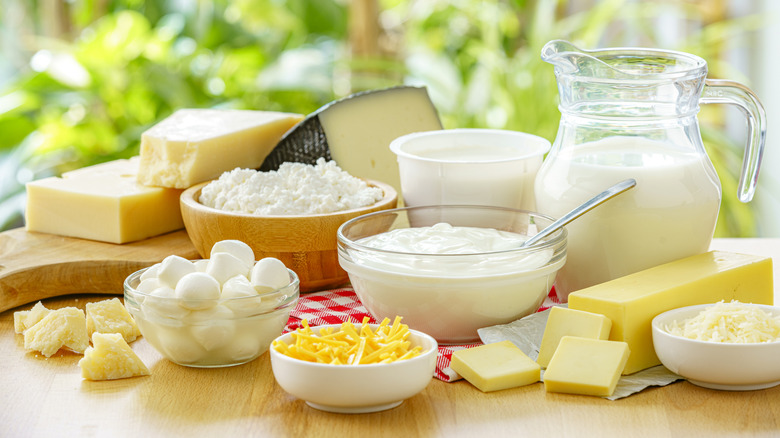
Like most things in life, dairy's getting more expensive. The price of dairy products has fluctuated over the last few years, but in 2026, things are on the up again: The U.S. Department of Agriculture recently revised its forecasts for items like cheese, butter, and milk, predicting an increase of $0.70 per hundredweight. Essentially, this means that all of your favorite cheeses and those tasty types of butter that you enjoy in your food are going to set you back even more. We just can't catch a break these days, huh?
There's never been a better time to think about how you can save money on dairy products, to make your cash go further. The good news is that there are a lot more ways to reduce your spending on items in this food group than you might think. Simple swaps like going for private-label items instead of branded ones can slash your costs while still giving you an excellent product, while bulk-buying dairy (which is surprisingly easy) can give some big savings. Elsewhere, you can hack your dairy to turn cheaper items into more expensive ones. Yes, really. Here are all of our favorite ways to save this year.
1. Shop at bulk-buy stores and freeze your milk and butter
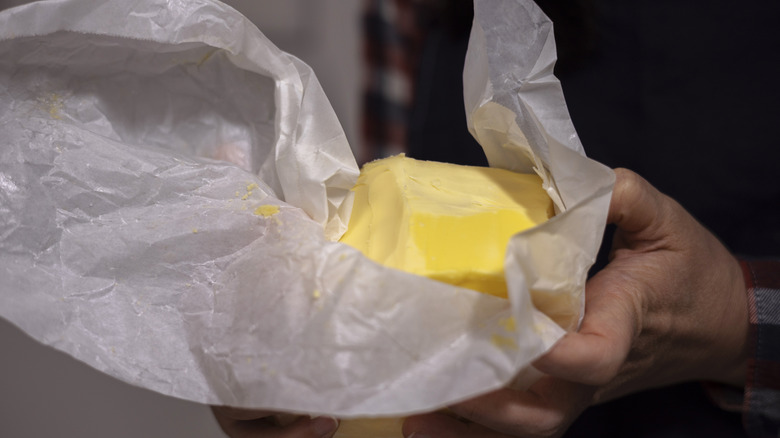
Most of us know by now that bulk-buying food is a great way to save money, but we tend to do this mainly with dry and pantry items, as opposed to easily perishable foods like dairy. Well, you really should be doing it with your milk and butter, too. The price difference between bulk-bought and small-package dairy in 2026 is pretty vast, and you might be able to save around 15-20% on average if you're buying bigger jugs of milk rather than smaller ones. Then you can just freeze your milk and butter and use them months down the line, thawing them at your leisure.
Freezing milk and butter isn't just cost-effective, but very easy. For milk, you simply have to pour it out into separate containers (you can even pour it into ice cube trays for individual portions), and stash them away until you need them next. For butter, just cut it up into smaller blocks, wrap them tightly in plastic wrap or put them in freezer-friendly containers, and put them into the deep freeze. Milk can last for up to three months in the freezer, while you can freeze butter for around the same length of time, and perhaps a little longer. Just ensure that you're writing the date that you froze it on the container, so that you don't forget when you bought it and when to use it by.
2. Take advantage of weekly ads and loyalty programs

If you're not making the most of what supermarkets are offering, you really should be. It can be easy to forget that virtually all major grocery stores run a host of deals and offers to entice customers through their doors, and in 2026, they're going harder on these than ever before. Weekly ads are a big way for supermarkets to promote their latest deals, and they pretty much always have a couple of dairy products on them. You may well find that the offers in one store's weekly ads beat the regular price at another, and if you can save a few bucks on cottage cheese by popping down the road to a Kroger instead of a Walmart, then why wouldn't you?
Luckily, you usually don't need to be signed up to a supermarket's loyalty program to take advantage of these offers. If you are, though, then you could gain even greater savings on your dairy items. Loyalty programs often send out personalized deals and offers based on your buying patterns, and they're a bit of an easy win for savings on regular purchases like dairy (especially when they're free to sign up to). Plus, over time, you can build up points to spend in-store, which you can then redeem on your favorite cheese and butter.
3. Opt for block cheese over pre-prepared options
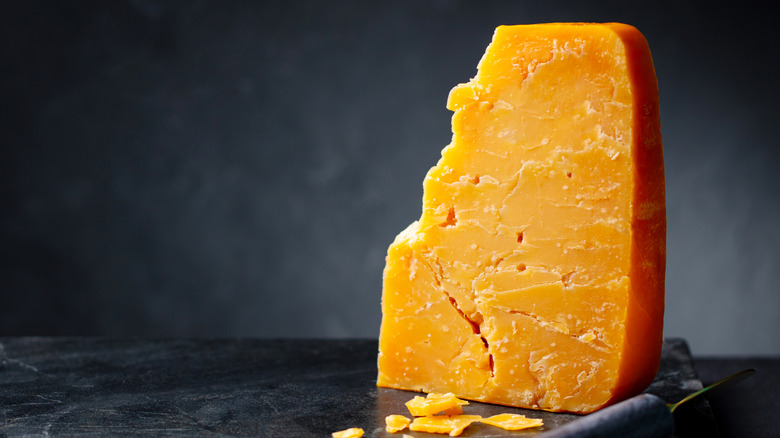
We all love a little bit of convenience in our lives. The problem is, we usually pay for it. This is especially true when it comes to cheese, which can be enjoyed in countless ways. You can go for shredded cheese, cubed cheese, or cheese that's sliced into snackable sticks, alongside your standard block of Cheddar. However, the markup that you'll pay on pre-prepared cheese is pretty wild: At Target, for instance, you could pay $0.12 per ounce more if you opt for its Mild Cheddar Cheese Sticks instead of a larger piece of its Mild Cheddar Cheese. Shredded cheese can also often be slightly more expensive than the unshredded version.
Instead of doing this, just buy a bigger block of cheese and shred or cut it yourself. Not only will this be cheaper, but your cheese will also taste better: Pre-shredded cheese usually comes with anti-caking agents added, which can give it a chalky texture and make it slightly less meltable. It can also have some other ingredients in it that you might not want — essentially, buying pre-shredded cheese is a rookie mistake in the kitchen, so it's best not to. You can also freeze cheeses like Cheddar and Parmesan for up to six months, so it can be a good idea to buy bigger blocks, to save even more money, break them down, and put them in the deep freeze to use at a later time.
4. Download some nifty apps for price comparisons across stores
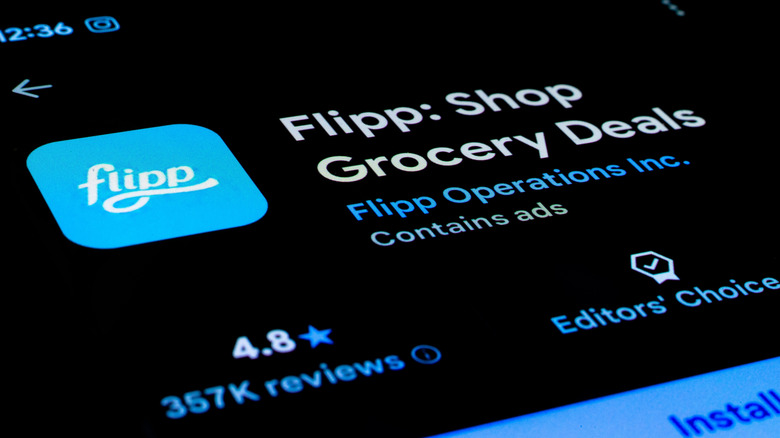
If you're not using price comparison apps in 2026, then it's time to get up to speed. These days, there are a bunch of apps out there that can quickly let you check prices on best-selling items, including dairy goods, from dozens of different stores, allowing you to plan your shopping trip ahead of time. With Flipp, you can immediately search weekly ads from the stores in your area, and it will also allow you to look up specific items and the prices that supermarkets are offering them for. Grocery Dealz provides a similar service, while ShopSavvy shows you a host of offers, which can include dairy items.
These apps cut out the legwork of hunting for the best price yourself, and as they're free to use, why wouldn't you take advantage of them? Plus, it's worth bearing in mind that supermarkets are increasingly recognizing the usefulness of these apps and devising strategies to engage customers through them, to drive traffic through their doors. What this means is that, as time goes on, you could see more and more things being funneled through apps like Grocery Dealz, meaning there's never been a better time to start using them. We'd avoid using third-party apps to buy those dairy products, though — they can often be more expensive.
5. Always go for private-label or own-brand options
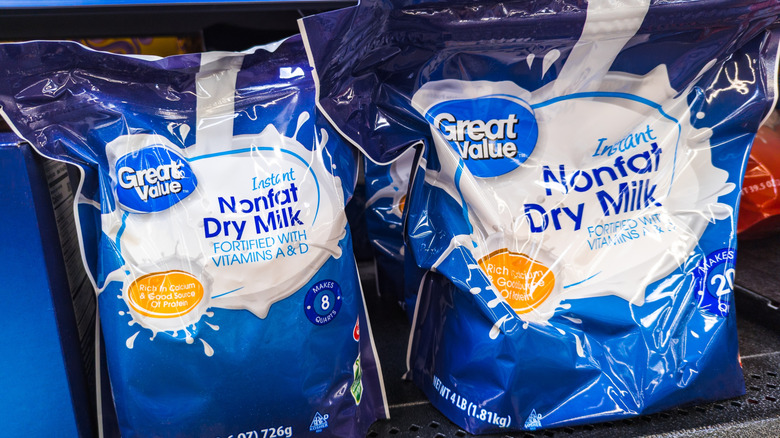
We love private-label brands. We always have, and we always will — and retailers are increasingly centering them as part of their strategy. The market share of store brands has been expanding rapidly recently, and these cost-effective options have been significantly outperforming their branded siblings, as more and more people allow price to govern their shopping habits. Because of this, supermarkets are investing in their private-label products, recognizing that they represent a balance of price and quality, and not skimping on the latter.
What this all means on the dairy front is that, by going for private-label options over branded ones, you could be getting items that are simultaneously cheaper and better quality than they were a few years back. On the spending front, the benefit is definitely clear: At Kroger, for example, you might pay double the price per ounce for Kraft Sharp Cheddar Cheese than you would for its own-brand Kroger Sharp Cheddar Cheese. At Walmart, too, the Great Value 4% Milkfat Minimum Small Curd Cottage Cheese is significantly cheaper than a nearly identical product made by Daisy. You may prefer the flavor of branded products, and if that's the case, then go for it — but you'll find yourself spending a lot more!
6. Don't be afraid of buying marked-down dairy items
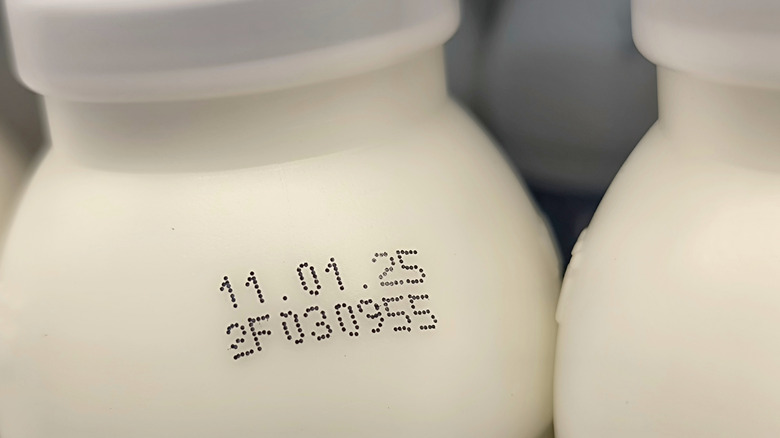
It's very easy to get squeamish about buying marked-down dairy. Look, we get it: Dairy and meat are two of the food types that you really don't want to be eating when they've gone bad, and freshness is king when it comes to dairy products. However, it's also important to remember that a lot of the time, something that's marked down is not necessarily unsafe to consume. If a dairy item is reduced because it's getting close to its use-by or sell-by date, then it could still be totally fine to eat or drink. These dates are an indicator of quality, not necessarily safety.
That means, if you're looking for a deal on dairy, then it's a good idea to head to the reduced section first. You may well find milk, cheese, and butter that's reached its use-by or sell-by date, so it's marked down, while still being completely fine to take home and eat. Plus, you can always freeze anything that you're not ready to consume yet. That said, when it comes to dairy, you might want to use it pretty quickly, because you won't have long before it begins to turn bad.
7. Consider clever substitutions or tweaks for more expensive items
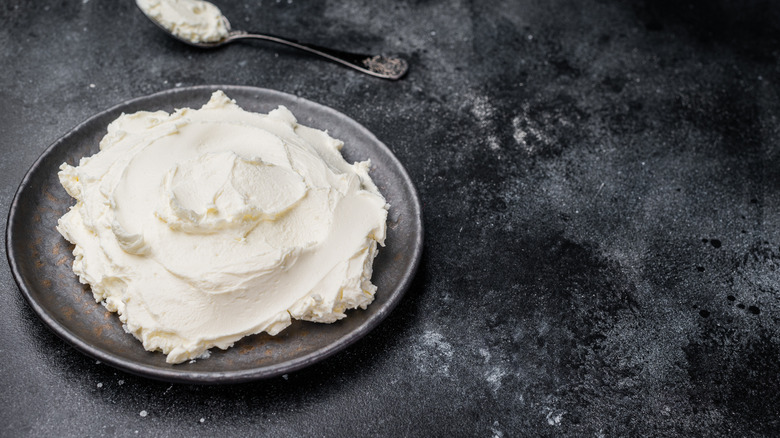
Hacking dairy to save money? Yes, please! You might not think it, but dairy items like cottage cheese and yogurt are pretty flexible. These goods can be easily transformed into dairy dupes that would generally cost you a lot more to buy, with barely any work required, giving you the joy of saving money while also feeling pretty handy in the kitchen. Take cottage cheese, for example. By pulsing it in a food processor, you can turn it into a smooth paste that's virtually identical to ricotta (and if you have any heavy cream lying around, then adding a splash can make it even richer). You can then use it as a substitute in lasagna or for desserts, and you'll save a fair bit of cash in the process, thanks to the price difference between the two.
You can do a similar thing with plain yogurt. Simply pour plain yogurt into a fine mesh strainer, and allow the liquid in it to separate and drip through. You'll end up with a thick, creamy, Greek-like yogurt, without having to pay the higher price that usually comes with it. You can then use this Greek yogurt substitute in all the ways that you'd use the real thing. Man, we really love saving money.
8. Don't be afraid of shelf-stable and powdered milk
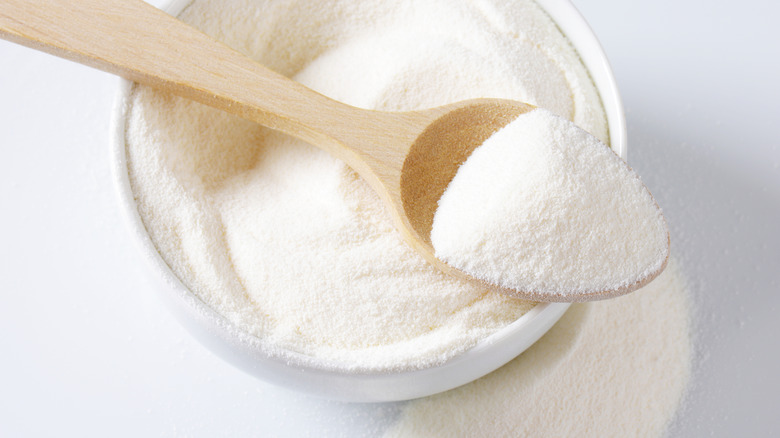
How many times have you thrown out half a carton of milk because it's starting to smell a little funky? If you're anything like us, it happens a lot — and when you think about it, if you do this, you're quite literally pouring money down the drain. Folks who are prone to this would do well to consider opting for shelf-stable and powdered milk as an alternative to the fresh kind. Shelf-stable milk lasts for months when unopened, so you can buy it in advance or when it's reduced and use it as and when you need, instead of over-buying fresh milk and creating more food waste. Powdered milk, meanwhile, can be used a little at a time, and it has a comparable nutritional profile to fresh milk. Just like the shelf-stable kind, it can last months, if not years. Besides, powdered milk should also be a pantry staple anyway, as it can make your sauces and soups way better.
Importantly, while some people may say that shelf-stable and powdered milk are also cheaper than fresh milk, that's not always the case. That means this tip may only be useful if you find that you're often left with a load of fresh milk that you can't get through before it goes bad. If you are, though, then stock up and use your dairy more prudently.