

Want Leafy Greens In Your Garden? Try These 5 Tips This February
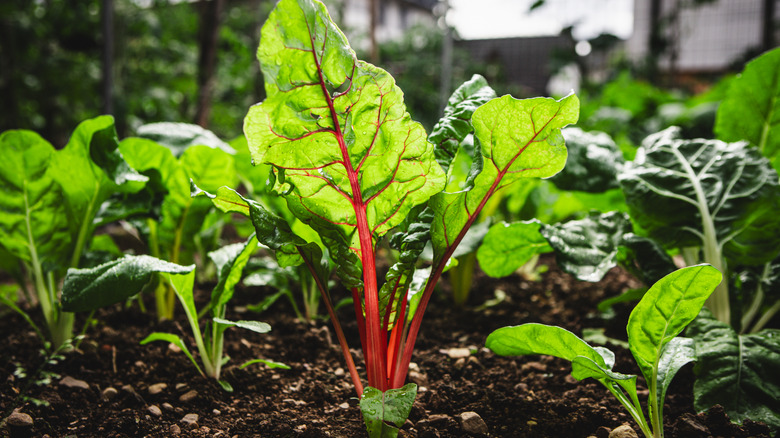
Growing your own fruits and vegetables has numerous benefits, such as allowing you to enjoy food at peak ripeness. In particular, cultivating your own leafy greens can be a rewarding experience both in a nutritious way and in the feeling of being self-sufficient. The cold winter in February brings some challenges, though. Fortunately, leafy greens are some of the best vegetables to plant in your garden in winter, and there are many ways you can protect them from the weather.
When it comes to gardening during the winter, you can achieve success with proper planning. It starts with choosing the best winter-hardy leafy greens and knowing when and how to water them properly. Then, you can use mulch and cover the crops to protect them from frosts and freezes. On the other hand, you might have the option of growing an indoor garden. Let's dive into each of these tips so that you can prepare for growing leafy greens in your garden this February.
Choose hardy varieties for your winter weather
Like when deciding which fruit trees to plant in your backyard during fall, it's important to consider the hardiness of various leafy greens during winter. That's not necessarily because the cold weather will kill winter-hardy vegetables that aren't suitable for specific temperatures. Rather, the less tolerable weather conditions will stunt the plants' growth and could cause damage.
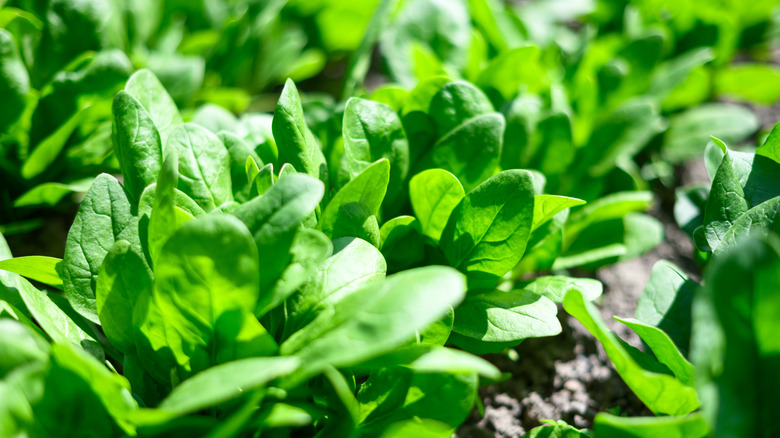
Chard, Chinese cabbage, endive, lettuce, and radicchio can tolerate a light frost, so they're great options if your winters don't typically experience temps below 28 degrees Fahrenheit. If colder, heavier frosts are more common in your area, consider more winter-hardy leafy greens, such as arugula, collards, kale, leeks, mustard greens, and spinach. The frost can even improve the flavor of these plants.
Even among these leafy greens, though, some varieties are more cold-tolerant than others. Some of the most cold-tolerant lettuces, for instance, are Arctic King, North Pole, Merveille des Quatre Saisons, and Winter Density. The same is true for Bloomsdale Longstanding, Giant Winter, and Verdil spinaches and for Dwarf Siberian, Red Russian, and Winterbor kales.
Water your leafy greens at the right time
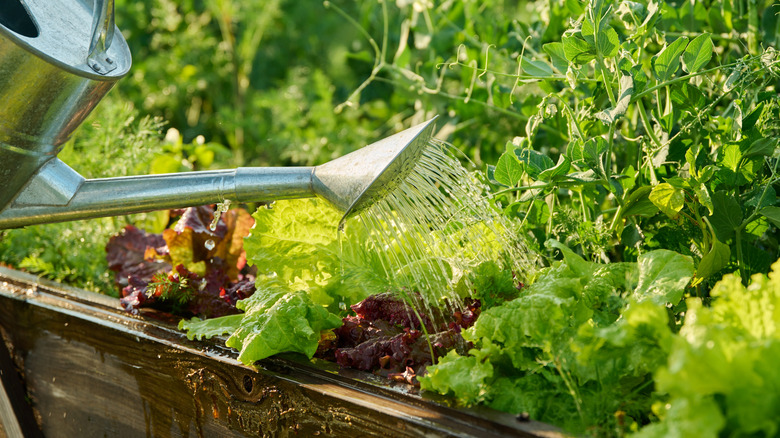
For the most part, vegetable gardens need to be watered once or twice a week, depending on the soil. How often you should water vegetables is different in the winter compared to other seasons, though. For starters, the air is drier in the winter, so plants generally don't need as much water. The most important tip is to avoid watering leafy greens when the temperature is below 39 degrees Fahrenheit because the water can't reach the plants if it's frozen. Periodically watering when the temp is warmer than that is more ideal.
On top of that, it's better to water your leafy greens in the morning so that they have time to soak it up before the temp drops again at night. Using room temperature water is also ideal because ice-cold water can cause root damage and shock, as well as leaf drop. When you see that freezing temps are predicted in your area, try to do the watering at least three days beforehand. You don't want to give them too much water either because, while moisture can help the soil retain some heat, excess moisture can damage the roots when it freezes.
Add a layer of mulch over the roots
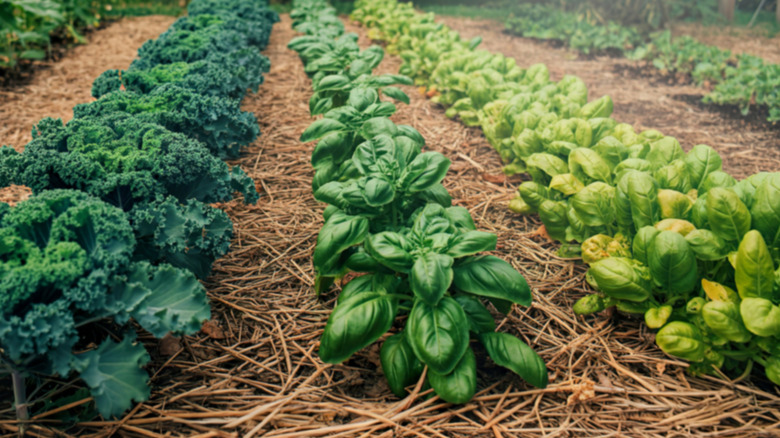
One issue when it gets cold outside is that the topsoil around plants freezes. When that happens, the soil can become compacted, which results in poor drainage, aeration, and nutrient availability. Laying down mulch is a simple and clever solution to protect herbs from cold winters, and it works for leafy greens and other plants, too.
Like a blanket, mulch provides insulation for the soil, holding in moisture and warmth so that the roots don't freeze. It can also prevent plant diseases from spreading and keep pests to a minimum. The best mulching options for winter are chopped leaves, compost, and straw. You want to avoid using hay because it may have a coating of residual herbicides that could damage your leafy greens. Also, keep in mind that plastic mulch, which you might use during other seasons to suppress weed growth, won't provide as much insulation as these bulkier substrates when the temperature drops.
Before you apply the layer of mulch, clean your garden of any creeping roots, taproots, weeds, dying plants, and other debris. Then, keep the layer loose and to 2 to 4 inches thick around the bases of the plants, except for a small ring around the crowns or stems to prevent rotting due to moisture retention.
Use cloches, row covers, or cold frames
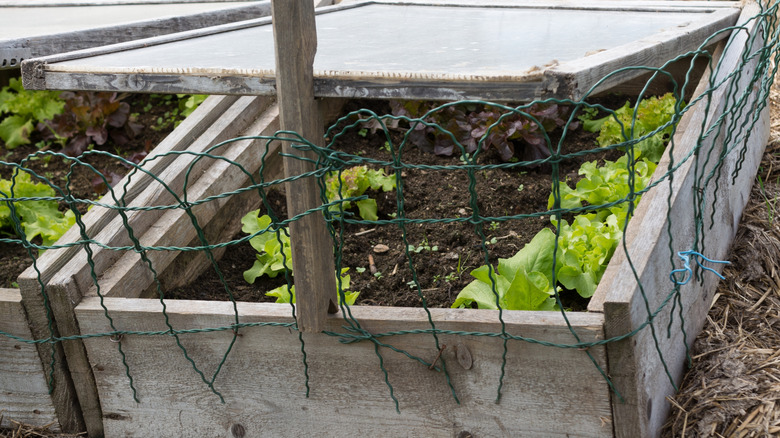
Along with protecting the roots of your leafy greens with mulch, consider providing the shoot system (the leaves and stems) with some extra defense against the cold temperatures as well. There are actually a few options to choose from, and each works by trapping heat from the soil to keep the shoot system warmer than the actual temp outside. Row covers are often the simplest and least expensive. Available in floating (no structure underneath) and hoop-supported (held up with hoops) types, the most important part is the material. While fabric covers vary in thickness and can increase the temp around leafy greens by up to 5 degrees, plastic covers can provide up to 10 degrees of warmth.
A second option is a cloche (or hot cap). If you don't know what a cloche is and how to use it, it's basically a structured cover that protects small plants from cold temps. Traditionally, cloches are shaped like bells and made of glass, but modern designs take different shapes and could be made of plastic. You can even fashion your own out of frost cloth or recycled containers. Along with trapping heat to make the plant up to 5 degrees warmer, cloches protect your plants from heavy rain, wind, and pests. A third option is a cold frame (or mini greenhouse), which is essentially a bottomless structure with a see-through lid. Keeping plants up to 10 degrees warmer, this option traps heat from the soil and the sun.
When setting up any of these protective covers, it's important that they are anchored to the ground to work properly. Keep in mind, though, that you'll need to remove or open them when outdoor temps rise above freezing so that the plants don't overheat.
Grow your leafy greens in an indoor garden
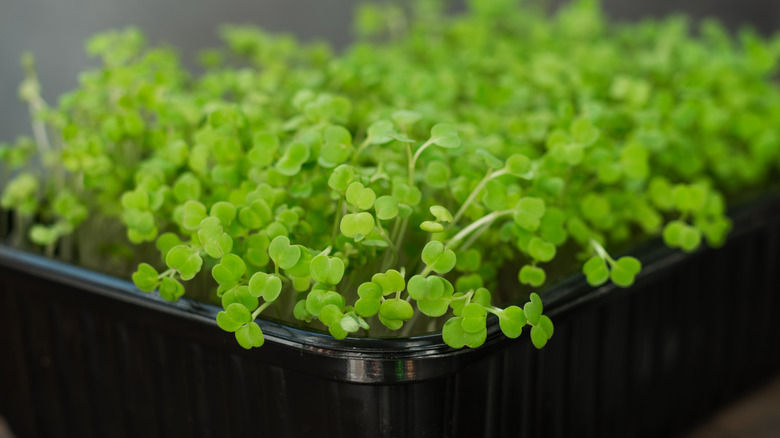
If you have an indoor garden because your apartment or home lacks yard space or because you don't want to risk the winter cold, you can still cultivate leafy greens. It's easy to grow these plants in flowerpots or other containers. No matter what you choose for planting, it needs to be deep enough for the root system and have holes in the bottom for proper drainage. You can check the seed package for that information.
Plus, you won't have to worry about choosing the most winter-hardy varieties since they won't be subject to the same level of cold. You can further help with that by setting up your indoor garden somewhere away from cold drafts, but with enough sunlight for your greens to grow well. However, it's important to choose compact and slow-bolting varieties, the latter of which means that the plants flower and produce seeds more slowly. Some examples include Regiment and Seaside spinaches and and Dwarf Blue Curled Scotch and Dwarf Siberian kales.
If you want to take your indoor garden to the next level and have the budget, a hydroponic garden lets you grow produce indoors while saving water and accelerating the growth. A hydroponic garden is a way of growing plants in nutrient-rich water instead of dirt, so they directly get all the nutrition they need. Just keep in mind that this kind of system requires lighting and pump equipment.