

10 Best Ways To Cook Veggies, That Isn't Boiling Or Steaming
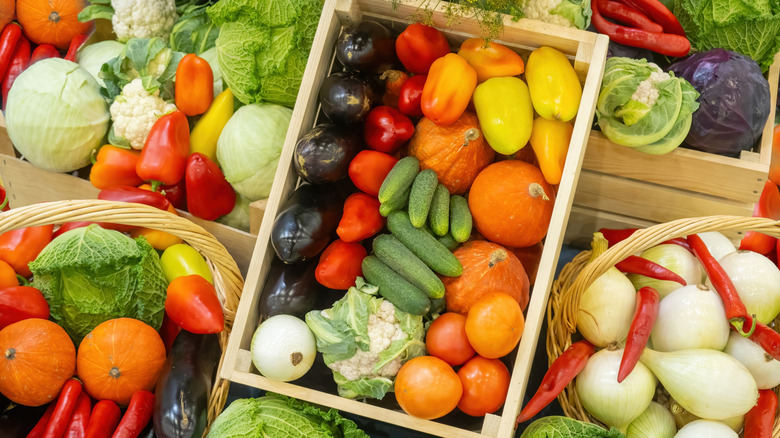
There are many ways to cook vegetables, and most are underutilized. Okay, that's not quite true, but it's amazing how often we forget the versatility of vegetables. Every day, millions of people around the world take heads of broccoli, carrot batons, and spears of asparagus — all of which are full of potential and begging to have their flavor unlocked — and simply throw them into a pot of hot water. They come out limp, water-logged, flavorless, and lacking any sense of excitement or joy whatsoever. Then, we say that we don't like them when the underwhelming taste is our fault in the first place.
It doesn't have to be this way. Making vegetables more interesting can involve playing with their flavor profiles and balancing out different notes, but it can also be done by using different cooking techniques. Grilling, braising, stir-frying, and air-frying vegetables can give them an entirely new lease on life, while techniques such as poaching or blanching provide all the delicacy of steaming without sapping veggies of their taste or color. Plus, many techniques can be way quicker than boiling or steaming. Ready to level up your veggie game for good? Yeah, we thought so.
Stir-frying
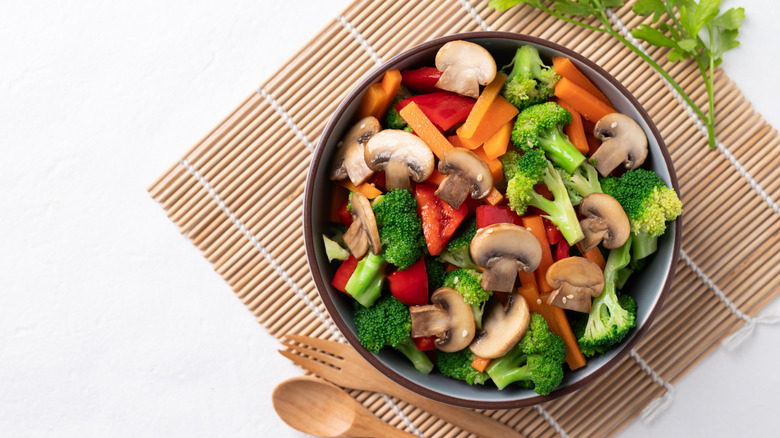
Stir-frying isn't just for meat and noodles — it's also one of the best techniques you can use to cook vegetables. Whether you're preparing cabbage, carrots, or corn, it's an awesome way to generate more flavor and retain the produce's structure. When you stir-fry vegetables, you quickly give them more exterior color, and that gentle caramelization opens up their sweetness while crisping them slightly, too. The high, dry heat also cooks veggies on the outside while retaining their structure within, keeping them crunchy.
The best part is that you can stir-fry loads of vegetables, although not every one will be suitable for the cooking style. It's best to opt for veggies that have a fairly robust structure, but which can cook relatively quickly. Broccoli, onions, mushrooms, peppers, and green beans are all good options, while those that will quickly burn, such as spinach, are best avoided (unless you add in some additional moisture to wilt it). When preparing your vegetables for stir-frying, you should also make sure that you're chopping them up so that they're all the same size; otherwise, they'll cook at different rates.
Grilling
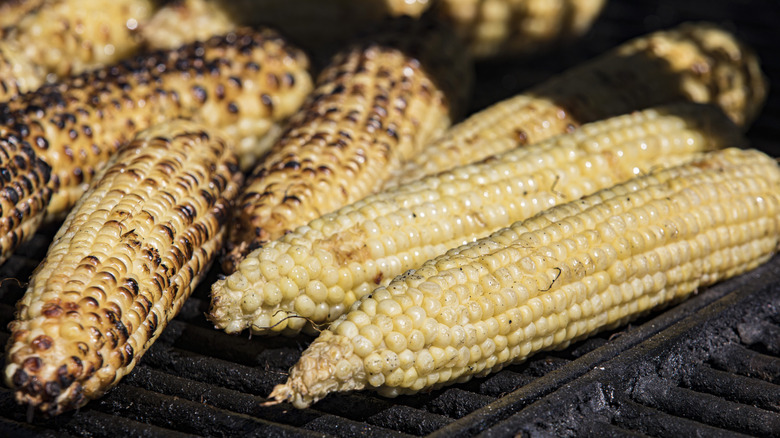
If you haven't grilled vegetables before, then you're missing out. Vegetables are the unsung heroes of the grilling world. The cooking style creates an extraordinary amount of flavor in many vegetables, giving them a charred, burnt exterior that heightens their sugary, savory, and smoky notes. It's also a speedy way to cook veggies, and importantly, it makes them look really, really good. Those grill marks on the outside of your corn or zucchini aren't to be underestimated: Remember, we eat with our eyes first.
Speaking of corn and zucchini, those two vegetables shine on a grill thanks to their density. This is important to bear in mind when picking veggies to go on a searing hot grill: You want something that can stand up to the fieriness, and that won't wilt or disintegrate at the first touch. However, some vegetables that are a bit flimsier, such as lettuce or tomatoes, can actually be well-suited to grilling. You just have to make sure you're not cooking them for too long, and that you're picking the right produce. For example, romaine is your best bet when grilling lettuce.
Braising
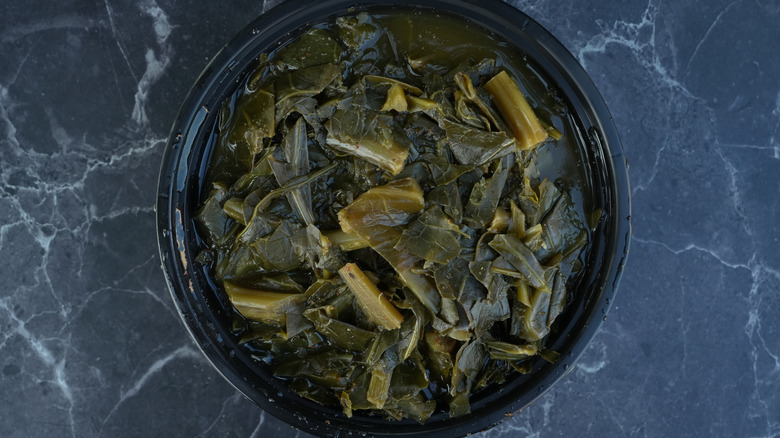
Braising likely isn't the first method you think of when cooking vegetables, and we understand why. This technique, which involves a combination of searing and simmering (although some recipes specify that you should skip the frying step, and instead go straight to the wet part), can feel a little long-winded for food that usually cooks in just a few minutes. On that note, wouldn't braising overcook the vegetables you're working with?
No, it wouldn't — and by mastering this style, you can unveil subtle flavor notes which often only show themselves after cooking veggies low and slow, while also giving them tons of taste. Braising vegetables like collard greens allows you to cook vegetables in liquids that are packed with flavor, such as stocks or wines. This liquid then gently permeates the vegetables, giving them a rich and exciting taste while also softening them. Crucially, braising differs from stewing (which usually involves a lot more liquid and no dry heat whatsoever), and allows you to control the cooking a little better. It also helps create more intensity in your veggies. We promise, this is a method you need to try.
Roasting
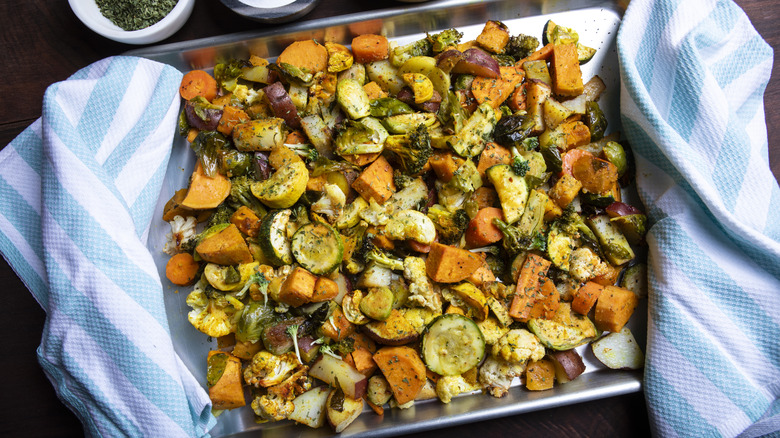
We're frankly a little sick of those who refuse to roast their vegetables. Here's why: It rocks. Roasting vegetables is one of the easiest ways to cook them, and if you plan ahead, it's a method that unleashes more flavor in your produce than you'll know what to do with. When roasting vegetables, you expose them to dry heat that gradually browns their outsides, amping up their flavor considerably, and generating more texture. You can also flavor them far more easily than some other cooking methods, seasoning them or daubing on marinades or sauces that will imbue them with even more goodness.
You can roast virtually any type of vegetable, and some, like bell peppers or broccoli, can be ready in as little as 10 or 15 minutes. Others may take longer, so ensure that you're giving yourself enough time. Space is key when roasting veggies, and one of the biggest mistakes people make is using a pan that's too small, which means that you won't get that glorious crunch that you're after. You also need to make sure your temperature is sufficiently high, so they don't end up steaming.
Poaching
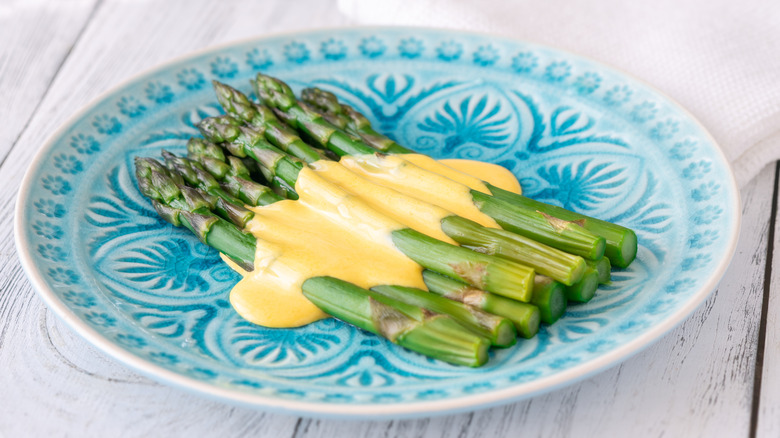
Yep, poached vegetables are a thing — and they're a good one, at that. Unlike boiling, which cooks vegetables in rolling water, poaching vegetables involves cooking them in liquid that's not quite simmering, but still hot. Although this might sound like it'll just take longer, the method has a few advantages. Firstly, poaching vegetables allows you to control the cooking process incredibly closely, ensuring that they reach just the right amount of doneness. This delicate method also ensures that the veggies cook through slowly and gently, giving each one more texture.
The biggest benefit to poaching, however, is that you don't have to do it in water. You can poach vegetables in liquids such as stock, milk, or even butter, which gives your produce much more flavor and richness. You can also create your own poaching liquids by adding extra ingredients, further boosting your chosen flavor palette and making your vegetables more vibrant and unique. It's undeniably a more hands-on approach than boiling, but it'll produce much better results — and you get to feel like you're a classically trained French chef, which is always fun, right?
Stewing
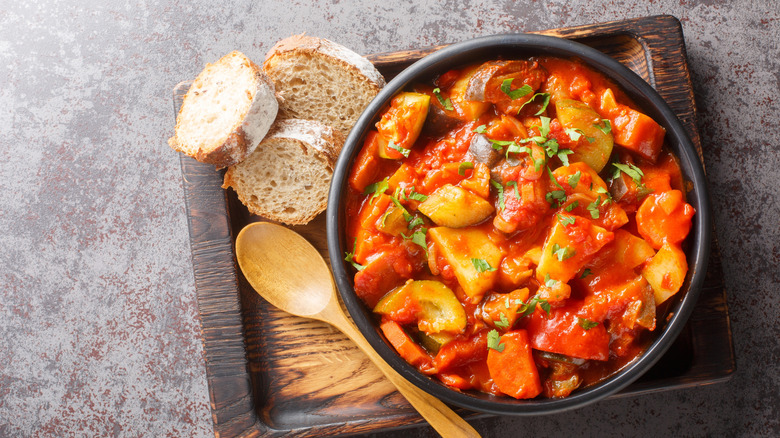
The term "stewed vegetables" may not invite much excitement, and we understand why. That being said, we think that stewing is an underrated way of cooking veggies, and we're here to sing its praises. Stewing vegetables is essentially a way to make boiling more interesting. It's a great method to use up produce that you've got hanging around, which turns your vegetables into the star of the show and combines their flavors in a one-pot dish. Unlike braising, stewing usually submerges ingredients fully in liquid, but this provides an opportunity. It allows you to wrap vegetables entirely in your chosen flavors, without needing to constantly spoon hot liquid over each ingredient.
You won't get far by just throwing your vegetables in a pot of hot stock and waiting, however. It's best to sauté vegetables before stewing them, which will help develop their flavor more fully. Don't downplay the importance of a lot of seasoning, aromatics, and fat either. If you're going to make a vegetable stew, you need to make sure it's not boring.
Microwaving
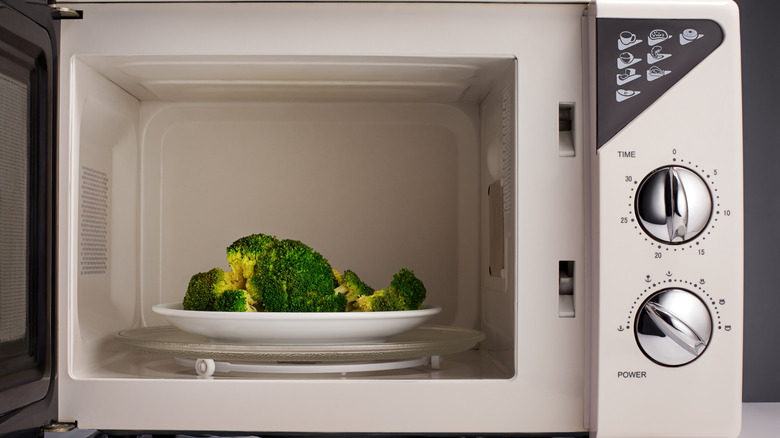
When it comes to vegetables, a lot of us ignore the microwave — and we really shouldn't. Microwaving veggies is not just quick and easy: It's also a way to retain more nutrients in your produce, while still cooking them effectively. For some types of vegetables, microwaving them minimizes vitamin loss, particularly for water-soluble types like vitamin C. It's also a method that provides a serious amount of cooking control, particularly when compared to options like boiling. If you're worried about your vegetables overcooking, they can be removed from the microwave in no time.
It's also vital to remember that microwaving vegetables doesn't mean you can't add any flavor. Just throw any seasonings or sauces on after the veggies are done cooking to prevent the zapping from diluting flavor. That being said, you can always add in a little stock as a steaming liquid while microwaving, which can gently infuse vegetables with saltiness and savoriness. You can also throw chopped garlic or ginger into the stock, buoying your vegetables with another plant-based note.
Blanching
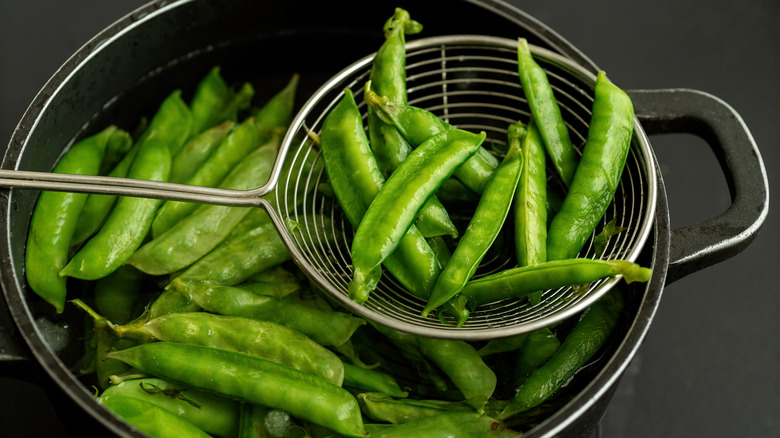
Blanching is a cooking technique that's commonly used with vegetables, but not for immediately placing on a plate and serving. Instead, it's often used to prepare vegetables for freezing or preservation. When vegetables are blanched by being thrown into boiling water, their enzyme action is halted, and any bacteria on the outside are killed. This helps them last longer in the freezer and retains their crispness and color.
However, we're also advocates of blanching veggies as a cooking method, not just storage preparation. When you blanch vegetables, they immediately develop a vibrant color, and par-cook on the outside while remaining crunchy within. As such, they're a great way to cook vegetables without actually cooking them, and if you like your veggies with that raw snap but a more impressive appearance, this is the method for you. Plus, blanching vegetables takes a matter of moments: You just plunge them into hot water, wait for 30 seconds or so, and then pull them out before shocking them in cold water. Tumble them onto a plate (they'll still retain some of their heat, so don't worry about them being icy), and enjoy.
Broiling
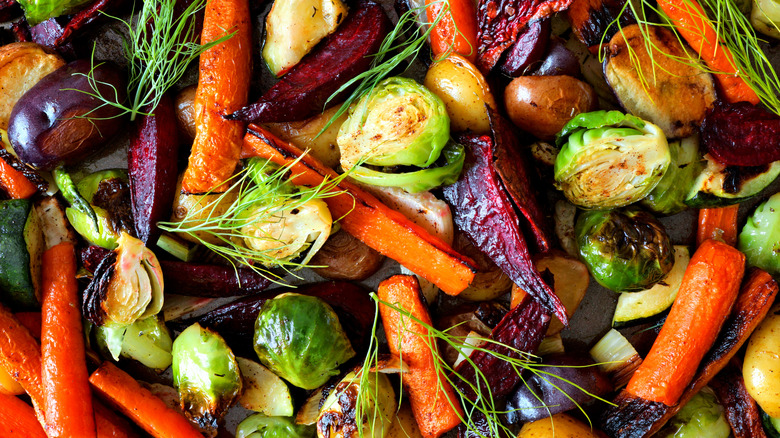
If you don't have time to roast your vegetables, broiling might be the next best thing. In fact, it could be even better. Broiling vegetables gives you all the positives of roasting without having to watch the clock, and almost immediately generates a huge amount of color on the outside. This quick caramelization is a shortcut to a lot of flavor. Plus, you can broil a bunch of different vegetables in one go, and you don't have to worry as much about them steaming or softening, thanks to the intensity of the heat.
Having said this, the heat is directional — and within lies a bit of a problem. If you're not careful about when you flip your vegetables over, you can end up cooking them irregularly and wind up with one side that's charred and another that's still crunchy and semi-raw. Make sure you keep a close eye on your vegetables while they're cooking, so you can turn them over at just the right point to keep them from burning.
Air-frying
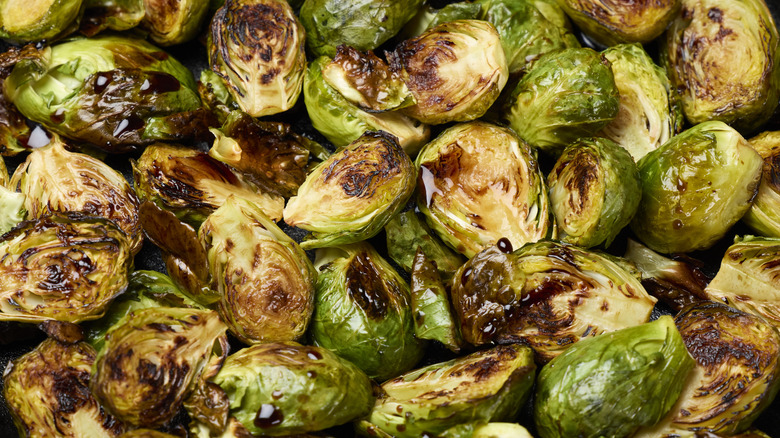
We know, we know: Air-frying is just roasting, right? Well, it is in a sense, given that air fryers are small convection ovens. It's primarily different due to the rapid speed at which air fryers cook the food. This speed is especially useful when it comes to vegetables, as it can help to crisp them more efficiently, both cutting down on your cooking time and generating texture more effectively. Additionally, air fryers wick away moisture very quickly, which is a real bonus for vegetables (most have a high water content, which can often get in the way of getting them properly crunchy).
Because air fryers work so quickly, you also need less oil on your vegetables – unlike roasting them, where you need a generous amount of fat to stop them from drying out and burning. This can be especially useful if you want your vegetables to be a nutritious part of your meal, but still want to give them more flavor. The best part? Just like with roasting, you can air-fry any vegetable you want. Our favorite has to be air fryer Brussels sprouts, but the choice is yours.