

10 Tips For Making Bakery-Worthy Sugar Cookies
We may receive a commission on purchases made from links.
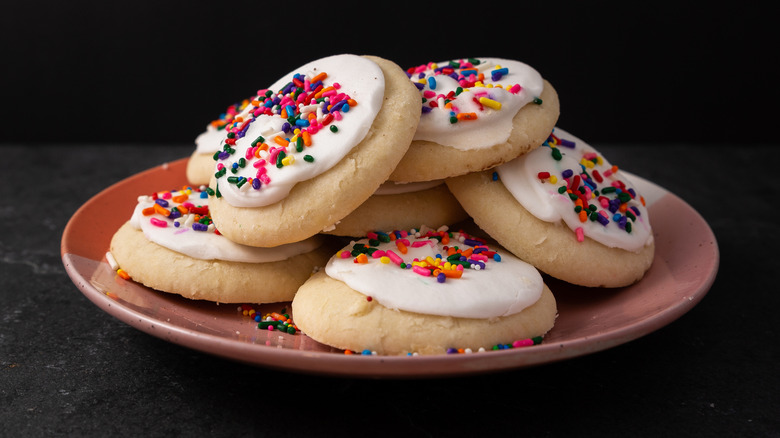
Sugar cookies are a simple baked treat traditionally featuring a buttery, vanilla-based flavor profile and a very pale, golden coloring. Depending on the recipe, these cookies can be soft and chewy or hard and crispy. Thanks to their simplicity and customizability, sugar cookies are a popular choice for holiday menus or any event where a unique, delicious cookie is needed. From graduation celebrations and baby showers to birthday parties and even weddings, sugar cookies can be designed to fit exactly what you need. But have you ever noticed that the sugar cookies you purchase in bakeries taste a lot better than those you make at home? There's a reason for that.
During well over a decade spent working in bakeries, I made more sugar cookies than I could ever count. And, for even longer, I've made sugar cookies in my own home, where they take their place in my standard baking rotation alongside peanut butter cookies and four-ingredient fudge. Something I discovered while making millions (if not billions) of these simple treats is that, while the recipe is relatively simple, there are quite a few ways you can make them even better. These tricks are what set your homemade sugar cookies apart from those you find in bakeries.
If you're looking to elevate your baking game, you've come to the right place. From sugar swaps to professional techniques, today I share 10 tips for making bakery-worthy sugar cookies.
Swap granulated white sugar for brown sugar
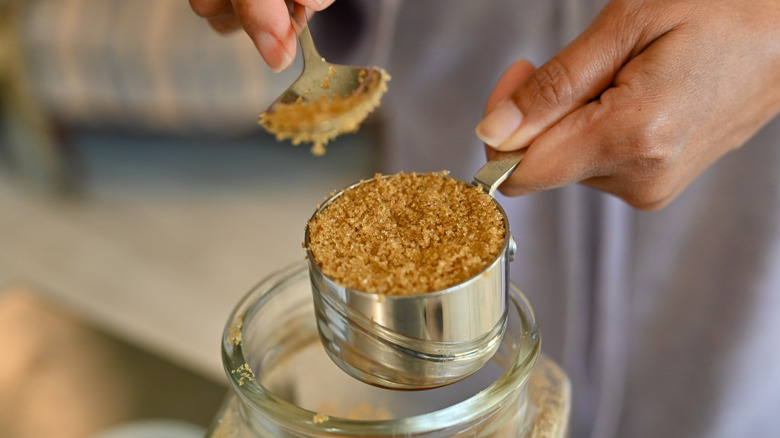
If you want your holiday sugar cookies to be especially delicious, consider swapping your granulated white sugar for brown sugar. By doing so, you'll craft cookies that are softer and chewier, with a richer taste featuring notes of caramel. Plus, you can achieve a slightly darker coloring profile that some find more aesthetically pleasing. Oh, and if you've given up on keeping brown sugar in your home pantry because of how quickly it hardens, fret not — there's a simple trick that utilizes an equally sweet ingredient. Simply store your brown sugar in an airtight container with a few handfuls of marshmallows. This will keep your sugar soft and prevent clumping.
To make this sugar swap, use a 1:1 ratio. What this means is you'll look at how much white sugar your recipe calls for and simply replace it with the same amount of brown sugar. Follow your recipe's instructions without deviation, but keep a close eye on your cookies while they bake. There may be some small variation in baking time due to the additional moisture brown sugar brings to sugar cookies.
Add molasses to your recipe
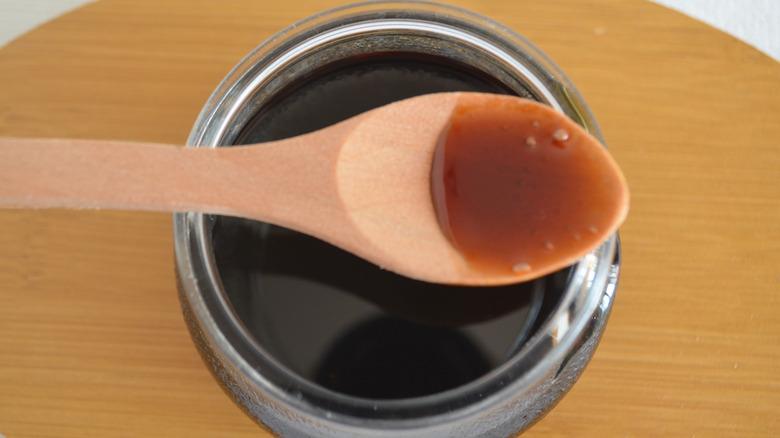
Adding molasses to your recipe is another way to create moister, softer sugar cookies with a darker color profile. At the same time, you'll introduce caramel notes and increase the sweetness. Doing this is a little more complicated than making a sugar swap, but with a little math, you can alter your recipe appropriately.
There are a few ways to alter your recipe when adding molasses, but my preference is to balance it out with extra flour. Not only will this allow you to keep the right consistency for your cookies, but it also increases your batch size slightly. Start with your chosen recipe and add half a cup of standard molasses. Do not substitute blackstrap molasses, as this has a strong bite that doesn't pair well with basic sugar cookies. To balance the additional liquid, add 1 or 2 more tablespoons of flour.
Adding molasses to your sugar cookies is especially delicious when paired with warming spices, as these flavor profiles complement each other well. Warming spices might include cinnamon, ginger, nutmeg, and cloves. Combine these with your dry ingredients according to the recipe you're following to create spiced holiday sugar cookies everyone is sure to love.
Brown your butter before adding
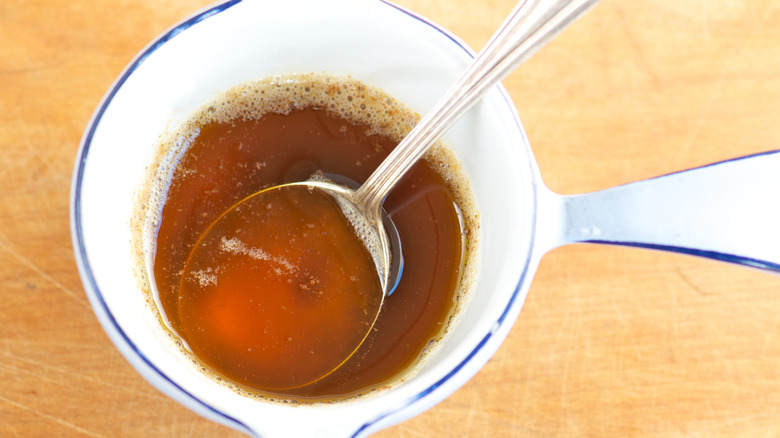
Most sugar cookies will call for butter. By browning the butter before adding it, you can create a more complex flavor profile. Taking this extra step can also potentially enhance visual aesthetics by creating a slightly deeper brown coloring as opposed to the pale white most often associated with sugar cookies. Plus, the browning process doesn't just change the color of the butter, but creates an intensely nutty flavor with toasty notes of caramel or toffee.
To make browned butter, you cook the butter in a pan until the milk solids reach a deep, golden brown coloring. Make sure you continue stirring the butter, and that you cook over medium heat to avoid burning. There will be brown specks at the bottom of the pan, which is totally normal and expected. Add this to your batter exactly as you would standard butter, but do make sure it's cooled to room temperature before adding. If you add the butter when it's too hot, it can cause clumping or even make the eggs in your batter start to cook.
Use a high-quality flavor extract
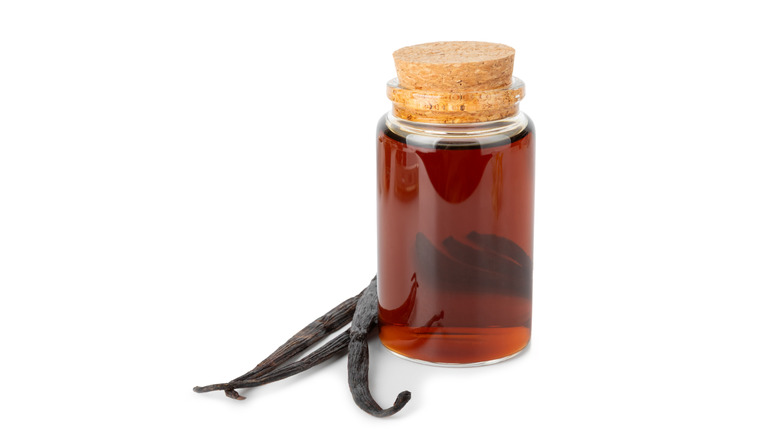
Flavor extracts are one of my favorite things as a baker because they can provide unique flavor profiles or enhance existing tastes — with minimal effort. In my own home (and when I used to work in bakeries), I prefer to use Watkins extracts because they've provided high-quality, consistent results for me throughout my career. I suggest keeping the Watkins Pure Vanilla Extract on hand, in particular, but they have a range of options you could utilize with your sugar cookies. Remember that it pays to choose a reliable brand for this, because using low-quality flavor extracts is one of the most common sugar cookie mistakes you'll want to avoid.
Vanilla is an obvious choice of extract if you're looking to enhance the existing flavor, but so is almond. If you're looking to embrace the sweeter, creamier tastes in your sugar cookies, choose vanilla. However, if you're looking to embody the nutty tones in your brown butter, choose almond. You can use other extracts to create new flavors if you're not a fan of the typical sugar cookie taste. Excellent options you may want to experiment with include lemon, orange, peppermint, and coconut.
One word of warning here is that you should remember to let people know if you use certain extracts, as they could be potential allergens. While it's possible for people to be allergic to anything, tree nuts (like almonds) are a very common allergen.
Include food coloring

Food coloring is an easy way to make your sugar cookies festive and fun without altering the flavor profile. You'll want to add a few drops of your chosen food coloring at the very end of the mixing process, just before you roll out or drop your sugar cookies. Once you've added the coloring, only stir enough to distribute it to avoid overmixing.
If you wanted to get really creative, you could even use different colors to create designs. Although this takes a little extra planning (and some more dirty dishes), it's actually very easy to do. Start by dividing your cookie batter into as many bowls as the number of colors you plan to use. Then, add your chosen food coloring into each bowl and mix just enough to combine. When making your cookie dough balls, grab a little from two or more colors and carefully roll the colors together. When you flatten them out, they'll be multi-colored masterpieces!
The best part about this bakery-worthy sugar cookie tip is that it helps you easily customize cookies for different occasions. For example, you can use red and green for Christmas, or orange and purple for Halloween. Pinks and blues are perfect for baby showers, while school colors are excellent for graduation parties.
Consider adding baking chips, nuts, and other mix-ins
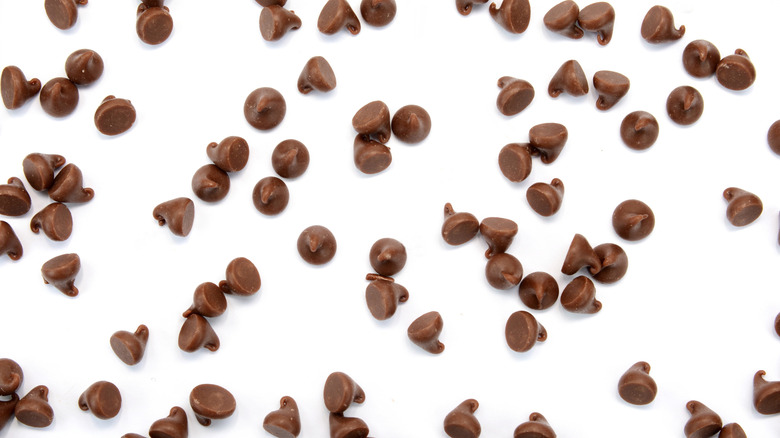
Mix-ins are an easy way to add flavor depth and textural complexity to your sugar cookies, elevating them to professional results with just one extra step. Like a few other tips on here, this is highly customizable, so you can choose the mix-ins that best suit your taste preferences or your occasion's needs.
Baking chips are a popular mix-in that adds bits of gooey, melty goodness to every bite. Although chocolate chips are among the most popular options, you can also choose from caramel, peanut butter, mint, or butterscotch chips, among others. A second popular option is nuts — and it's my personal recommendation that you opt for finely chopped nuts for your sugar cookies. I recommend using walnuts or pecans here, but cashews, almonds, hazelnuts, and macadamia nuts are also great options. Dried fruit, sprinkles, non-pareilles, and citrus zest also make excellent mix-ins.
No matter what mix-ins you choose, you'll want to add them at the very end of the mixing process. Once you have a fully finished cookie dough, add your mix-ins and carefully fold them in. If you're also using food coloring, you'll want to add that first and then include your baking chips or nuts.
Opt for a dollop or two of sour cream
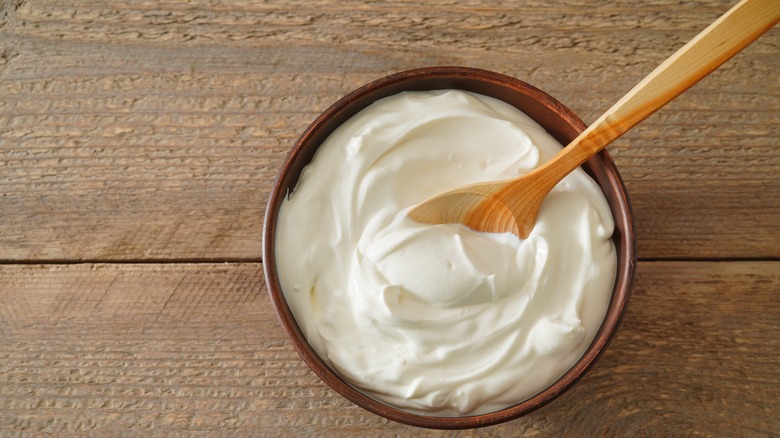
When you think of perfect cookies, sour cream probably doesn't come to mind. However, this unexpected ingredient can seriously elevate your sugar cookies. And, there are a few reasons for this. For starters, sour cream is high in fat, and fat is crucial for creating a full-bodied flavor and a softer cookie with a better mouthfeel. With a higher fat content, your cookies are also less likely to dry out. But the benefits of sour cream go beyond its high fat content. Sour cream will add a slight tang to the flavor profile, thus creating professional-level complexity and depth.
Since baking is a science, it's important to add the sour cream at the correct time. It should be added to the bowl at the same time as your eggs and flavor extract. Don't be stingy when adding the sour cream to your dough, either. You'll want to add one or two heaping scoops to get the best results.
Avoid overmixing or undermixing your cookie dough
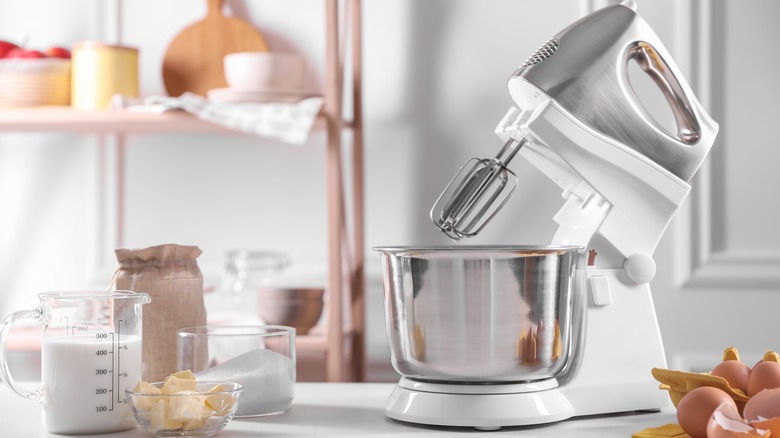
Overmixing or undermixing your cookie dough is one of the easiest mistakes you can make. But finding the perfect balance between the two is a surefire way to make your sugar cookies bakery-worthy every time. The correct amount of mixing is just enough to incorporate all of the ingredients. Once everything is combined, stop mixing. If you're including food colorings or mix-ins, these should be gently folded in at the end and not actually mixed.
So, what's the problem with too much or too little mixing? Well, overmixing can cause your dough to develop too much gluten or introduce excess air. This results in cookies that are flat and hard. It can also lead to improper baking, the dough spreading too far, or even your batch burning more easily than it should.
On the opposite end of this spectrum, undermixing means your ingredients aren't fully incorporated. Sometimes this leads to lumps of individual ingredients that you can taste — and nobody wants to get a mouthful of pure flour. Of course, it also means the baking process may not work properly since the included ingredients may not be able to undergo their appropriate reactions. These reactions are crucial for creating soft, fluffy sugar cookies that taste amazing.
Chill dough before using
An important step in baking mouthwatering sugar cookies that home cooks frequently skip is chilling the dough. Doing so will make the dough easier to work with, allow the flour to fully hydrate, control spreading during baking, and much more. There are a few ways to do this, but each option starts with a fully finished sugar cookie dough. And, every option requires a few hours of time spent in the refrigerator, so you'll need to plan ahead to execute this professional tip. Personally, I like to make my dough the night before and pop it in the refrigerator until morning.
The first way to chill your dough is by placing it in a bowl or airtight container and then sealing it with plastic wrap. Although this is my personal preference, it does require a longer time because the dough is in a single large piece. The reason I prefer to do it this way is that I find the dough easier to roll into balls or cut out into shapes once it's had a chance to solidify.
The other two options involve rolling the dough into balls or cutting it into shapes before lining them up on a parchment-lined baking sheet. Cover this tightly with plastic wrap and place it in the refrigerator. Keep in mind this will also require more room in your refrigerator, so be sure to have a dedicated space ahead of time.
Elevate your cookies with the right icings
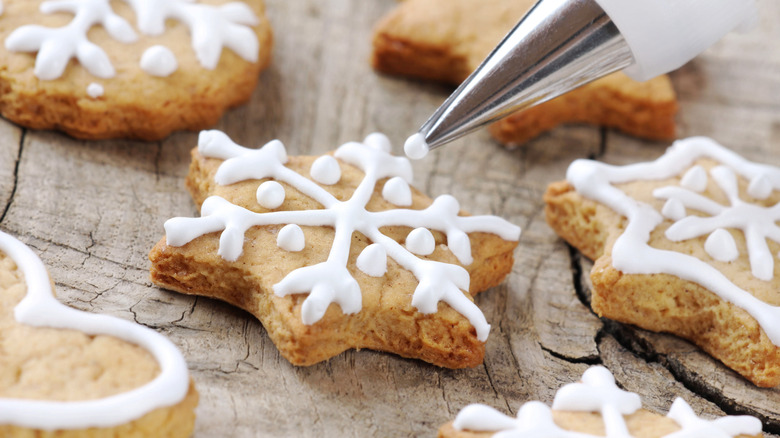
Royal icing is the gold standard for sugar cookies because it's a thinner icing that dries quickly, layers nicely, and has a hard finish. All of these together bring big benefits for professional kitchens (and maybe your needs), like nice stacking for shipping and the ability to create intricate designs using many different colors. If that fits what you're looking for, royal icing will be an excellent choice to finish your sugar cookies with. However, this is far from the only option available to you.
Traditional buttercream is a great option if you're either looking to make sugar cookie sandwiches or want a fluffier, moister topping. This is the same icing you'll generally find on cakes or cupcakes, and you can even flavor it to suit your preferences. Ganache is a rich chocolate icing that can either dry firm or stay rather wet. This is ideal if you are looking to create a richer, decadent sugar cookie. Cream cheese frosting offers a sweet, slightly tangy topping, while fondant provides another route for complex designs. By choosing the right icing for your needs, you can easily elevate any sugar cookie recipe.