

5 Reasons To Wander Around Local Grocery Stores When Traveling

When traveling, I do my best to immerse myself in the local culture. As a tourist, especially during a short trip, I can never fully be a part of the scene I'm dipping a toe into, but I still like to get a taste. One way I love to experience the day-to-day life of whatever country I'm in is to visit the grocery store.
After a long day exploring the Louvre or Meiji Jingu, I enjoy stepping away from the tourist sites and wandering around a Monoprix or a Don Quijote. Every region has its own unique market full of people picking up ingredients. Even within the U.S., there are regional grocery stores that are worth a visit for distinctive characteristics that you probably won't find at home.
When I'm on vacation and not following an optimized shopping list, I can just relax and explore the aisles. This mode allows me to appreciate the wonder that is the modern grocery store. There, I can find a multitude of foods and ingredients that were once unavailable to everyday people and now all share shelves together. This wandering helps inspire my cooking by giving me new flavor profiles to play with. Here's why I feel these seemingly mundane locations should be given a spot on every traveler's itinerary.
They're a great place to find regional snacks and drinks
Yes, you can go to a cafe and order off the tourist menu to get a stress-free taste of the regional delicacies. You can also get a lot of what the locals eat at the supermarket where residents shop. When visiting the U.K., I love to try fun flavors of crisps, like cheese and caramelized onion. The pre-packaged sandwiches at places like Tesco and Sainsbury's are great, cheap lunches. Every time I'm there, I pick up a cheese and onion salad sandwich on malted bread.
The chocolate aisle never fails to have fun flavors you can't find back home. Even the flavors the U.S. does have will taste different, as European chocolate tends to have less sugar and more cocoa butter. When in Iceland, take a trip to a Bonus to find a bag of black licorice covered in chocolate. The flavors balance out nicely, even if you don't normally enjoy licorice.
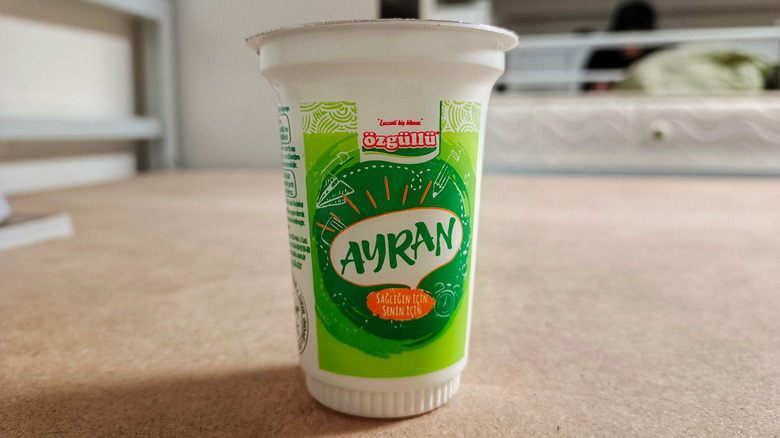
In Turkey and much of the Middle East, try fighting the sweltering heat with a bottle of Ayran. It's a drink made of yogurt, water, and salt. Mint, thyme, and garlic are some common flavors you can find in stores.
You can purchase fun, unique, and useful souvenirs
Let's talk souvenirs. You can either bring home a mini Eiffel Tower to place on your desk and eventually forget about, or you can purchase a reusable shopping bag from Monoprix and be reminded of your trip to Paris every time you go on a grocery run. There's nothing wrong with a tiny Eiffel Tower, but grocery stores offer souvenirs that have practical uses and bring fun memories to your daily life. For example, deck out your kitchen with store-brand dish towels from faraway places.
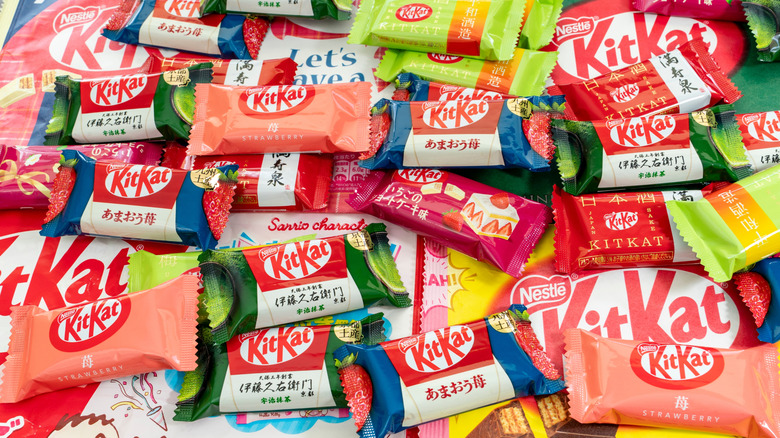
Spice mixes, jams, hot sauces, and chocolates are all fun gifts to hand out when you make people listen to your travel stories. One classic purchase is a variety pack of KitKat bars from a Don Quijote in Japan to bring home and share with friends. If you can imagine a flavor, it has probably been made into a KitKat. From delicious varieties like Strawberry Tiramisu and Crème Brûlée to more experimental flavors like Wasabi and Cough Drop, Japanese KitKats run the taste gamut.
They're an affordable spot to prep for a picnic lunch

Throughout much of Europe, you can save money by picking up bread, cheese, drinks, and veggies from the supermarket for a quick and easy picnic lunch. Most cafes in beautiful locations charge extra for the view, but if you bring your own food and sit on a bench, you get the atmosphere for free. Plus, compared to bakeries, cheese mongers, and wine shops in a tourist district, a supermarket frequented by the area's residents will cost a lot less. Check out our guide for the perfect Parisian picnic for more tips.
Deli counters are cheap places to grab sandwiches, salads, and other premade foods. For a fun crunch, pick up a bag of uniquely flavored chips, like oregano in Greece or shrimp in Thailand. You can even take your meal back to the hotel if you need a rest, or, weather permitting, join the crowds enjoying a beautiful day picnicking in the park. In Copenhagen, you'll find fields of Danes in Fælledparken sitting in groups around packages of snacks and drinks when the sun is out.
You get to be a part of everyday life in the place you're visiting

No matter where you are, the grocery store is full of families, just like at home. Kids beg their parents to buy them their favorite treats, couples work through shopping lists together, and unfamiliar ingredients line the shelves. It's a fun way to feel like you're participating in the regional culture.
At the Colosseum, you can see how Italians once lived, while at the Coop, you can see how they live today. You'll learn (hopefully not from being reprimanded for not doing it) that in Italy, you must don plastic gloves before picking up any fresh produce. How people fill their carts and what products line the shelves will give you a glimpse into locals' lives. You'll experience favorite regional tastes, what the loclas consider comfort food, and what foods children desire. If food is a fundamental expression of culture, then a supermarket is a museum and a theater all rolled into one.
You can explore the differences in fresh produce
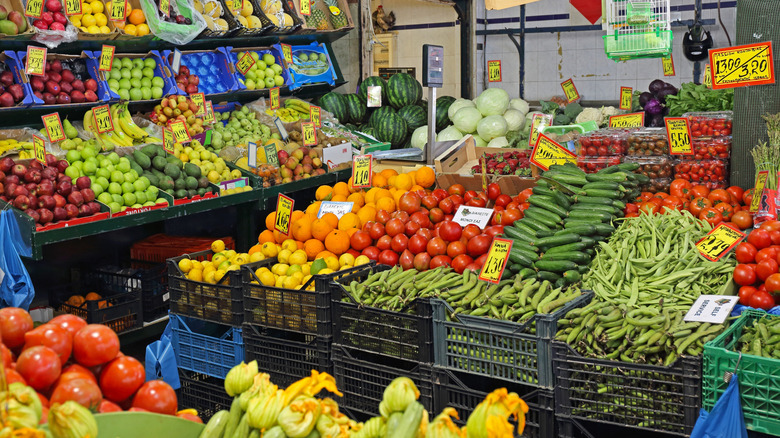
On a trip to Colombia, my mind was blown when I was introduced to fruits I had never even heard of. Lulos, tomates de árbol, and granadillas were just a few examples of the produce I encountered. It was fun to see piles of food unfamiliar to me in produce aisles around the country.
In Europe, it's more common for shoppers to follow seasonality when selecting their produce. In America, you can find stacks of tomatoes any time of year, often with the flavor and texture compromised in favor of year-round accessibility. In places like Italy, however, the locals value flavor and will wait for the right time to buy a tomato. Plus, Europeans tend to shop daily, and this higher turns over means the produce is often fresher than in the U.S.
In Spain, you can turn that fresh produce into juice right there in the store. Many supermarkets will have machines that squeeze oranges into juice for you to sip on as you stare in wonder at the Sagrada Familia. While the machines operate all year, keep in mind that the oranges will be sweetest in December and January.