

8 Vegetables To Plant This Winter In Your Garden
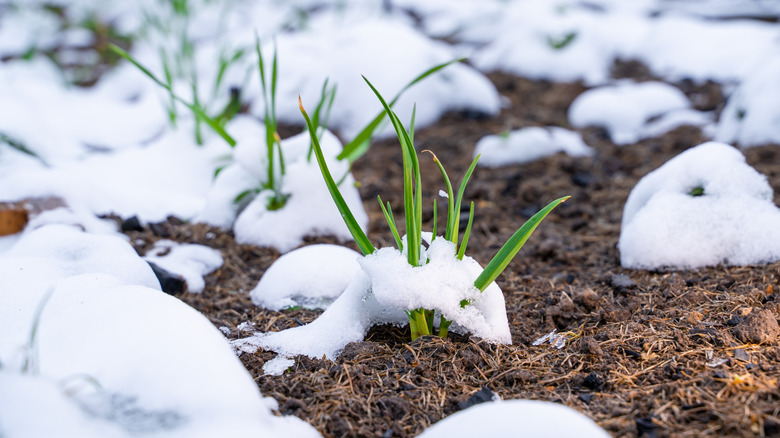
If you don't live up north in the frozen tundra, you can still plant some seeds (and cloves) this winter to grow in the spring if your soil is workable. In some regions, you can expect the plant to grow in the winter and gain some tasty benefits from the cold! If you have the space, you can even grow summer vegetables indoors.
There are many plants that do well in the cold, and some that even turn sweeter after a cold snap converts their starches to sugars. A lot of these veggies will go well in delicious winter soups to power you through the frigid temperatures. If you grow these plants from seed in a cold region, they will be ready to start growing come spring. If you are somewhere that you can grow through the colder season, you can sow young plants to take advantage of the cold snaps that turn bitter kales and Brussels sprouts into sweet greens.
Grow carrots for pureed soups or roasted sides

Sow carrot seeds before your soil freezes, and they'll grow faster once the chill fades into spring. Carrots are great winter vegetables if you live somewhere slightly warmer because the cold snaps will turn those starches into sugars, making them taste like carrot candy. Using these sweeter carrots in a soup will be your new secret weapon.
Let kale get a touch of frost to experience its true flavors
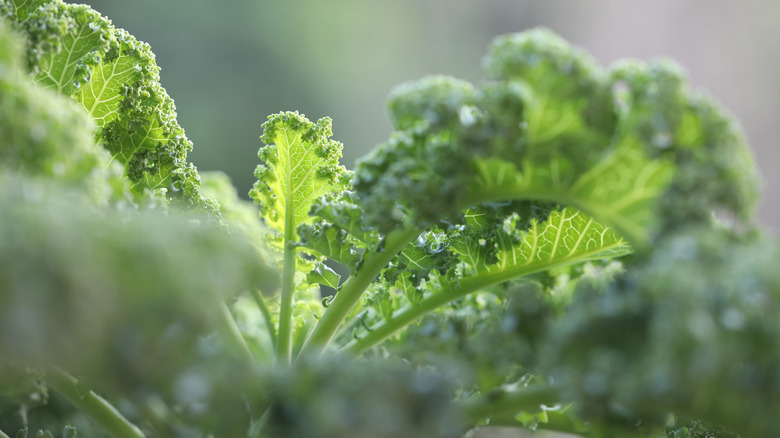
In frozen regions, you can protect kale under a frost cloth to grow it year round. Without it, if you plant the seed in the coldest regions, it will establish its roots but not grow. Then, when the warmth hits, you will see it sprout up quickly. If your soil doesn't stay frozen, but you get cold spells, this will sweeten the kale. If you have friends who think kale tastes too bitter, let them try some frost-kissed kale in a Caesar salad, and watch them change their mind. For brassicas like kale to make it through the cold winter, you want to plant varieties with bumpier leaves because those have a higher frost tolerance.
Cabbage for slaws, sauerkraut, and kimchi
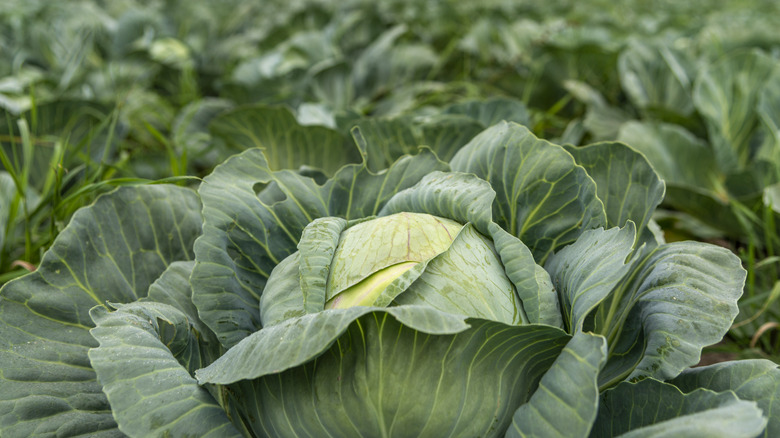
Cabbage is another great winter veggie that does well in the cold. If you have a mature cabbage grown by the first frost, it will release special antifreeze proteins and sugars that make it even more delicious. Like kale, you can let it establish its roots before the spring comes. There are so many delicious cabbage recipes that you'll be cooking with this tasty crop.
Beets, for both their hearty greens and earthy roots
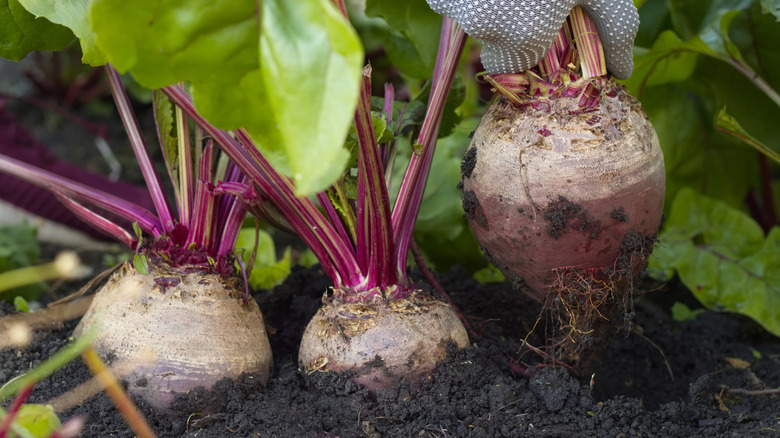
Beets are another prime candidate for winter-sowing for a strong spring harvest. If you get these to grow before the first frost, they will convert their starch into sugars and turn extra sweet. Plus, growing them gives you easier access to the delicious beet greens growing off their tops.
Garlic to fend off pests
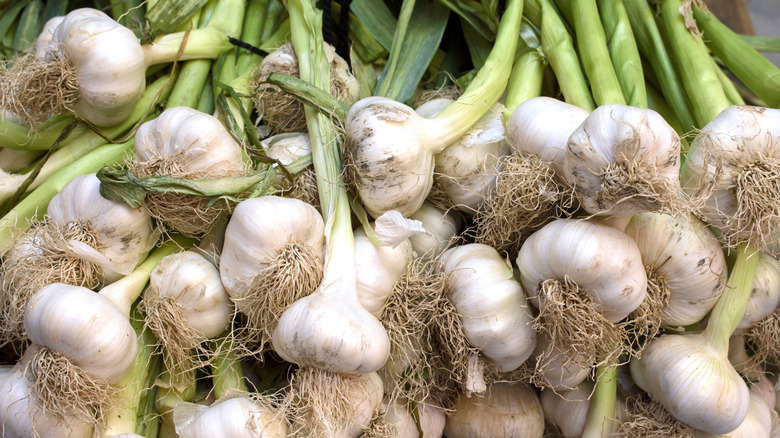
Growing garlic gives you easier access to their delicious greens and scapes. The scapes grow from hard-necked garlic bulbs, which is a better variety for growing in colder climates. Making a garlic scape pesto is a fun variation on an Italian classic. Plus, you can plant it near your leafy greens to act as a natural repellant against some pests. Garlic is great for the immune system, which is perfect for warding off those pesky winter colds.
Toss these mustard greens in a winter salad or soup
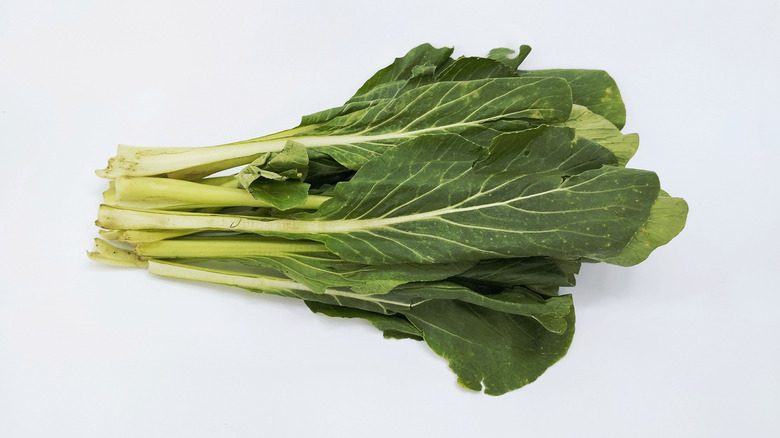
Another leafy green in the brassica family that sweetens up in the cold and can be winter-sown, mustard greens have more of a peppery bite that goes well in salads and soups and can be pickled. Check out our guide on the differences between mustard and collared greens if you often mix the two up!
Grow some broccoli for a stir fry
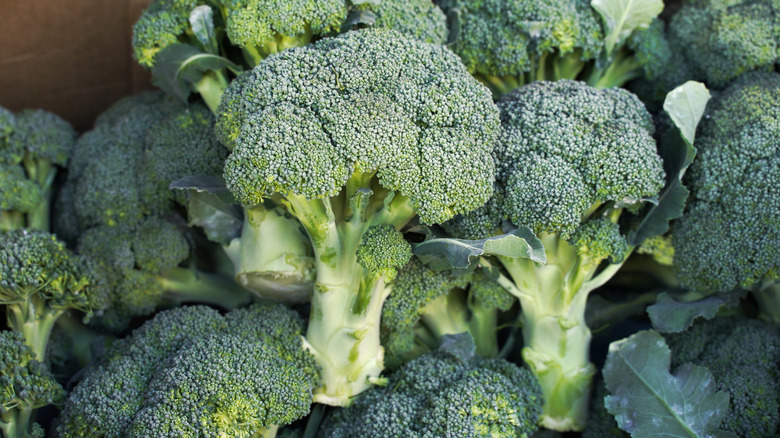
Broccoli is a great source of vitamin C, a key nutrient to stay healthy in the winter. Another example of a brassica that you can winter-sow or transplant for some cold-induced sweetness, broccoli is delicious when you cook it using restaurant-worthy methods.
Cauliflower for a filling winter soup
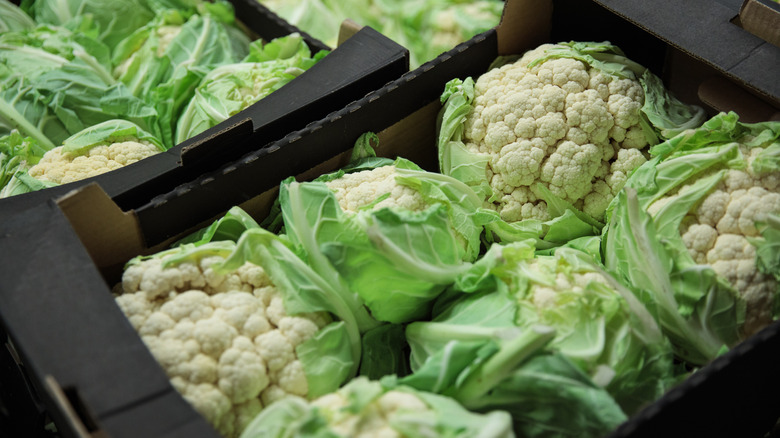
Roasted cauliflower steaks or cauliflower pureed in soup taste even better when the main ingredient came straight from your garden. Able to handle the cold, this vegetable will grow well in milder winters, or the seeds will settle in and get ready to grow in the spring in the colder north.