

10 Ingredients You Should Consider Using This Fall (Besides Pumpkin)
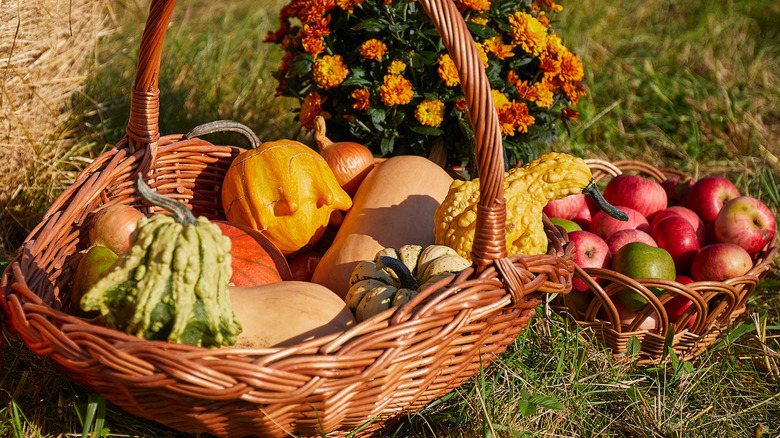
The air has turned cool and crisp, leaves have changed color, and a scent of warm spices has started lingering everywhere. In short, fall is finally here! What's not to like about this season? Halloween is right around the corner, and pumpkin harvesting is at its peak, so it's the best time of the year for folks who love pumpkin-flavored everything. But while pumpkin is a fantastic fall ingredient, it often ends up stealing the limelight, leaving most other seasonal fruits and vegetables overlooked.
It's time to change that, though, because fall never has been, and doesn't ever have to be, all about pumpkins. Plus, let's face it, the pumpkin hype is a bit overdone by now. If you believe the same and are actively looking to move away from pumpkins this year, you've landed at the right place. We've put together a list of in-season fruits and vegetables that are surely worth using this fall. And in case you're confused about what you could make with all this seasonal produce, don't be. We've also given some ideas on how you can incorporate them into soups, stews, hearty desserts, and various other dishes that are perfect for the chilly weather.
1. Apples
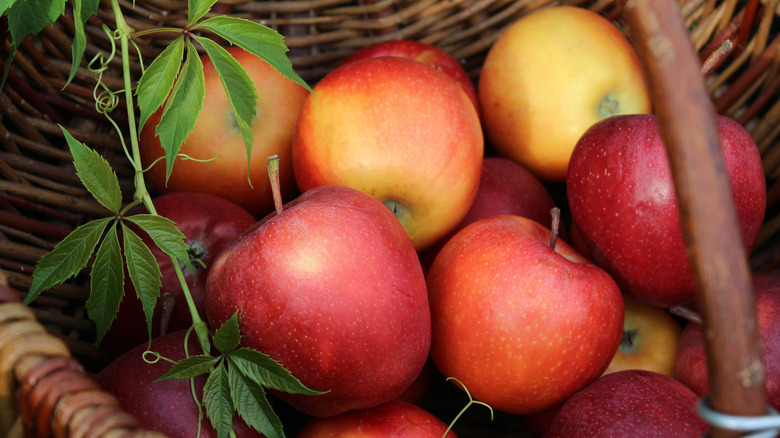
Okay, we agree. After pumpkins, if there's any produce that gets as much attention during fall, it's apples, so if you haven't used them yet this season, you should definitely stock up on them now. Apples are perfect to use at this time of the year because they're in season until the beginning of November, which means you'll get freshly harvested fruit. Additionally, they have a subtle flavor that works well with fall staple spices like cinnamon, nutmeg, cloves, and ginger.
Coming to what you might really be here for: What all can you make with fresh, in-season apples? For starters, a classic apple pie is a given, as the dessert is almost the epitome of fall. If that's a bit too mainstream, though, you can also take it up a notch by making an apple and egg custard pie instead. In case you'd like to move on from pies and try other apple-based desserts, consider options like apple crisp, apple cake, apple turnovers, or even the classic fair treat, caramel apples.
Don't limit yourself to just using your apples in dessert recipes, though. These fruit are versatile enough to be used in hearty savory dishes that are great for this season, like salads, pork meatballs, or even stuffing.
2. Pears
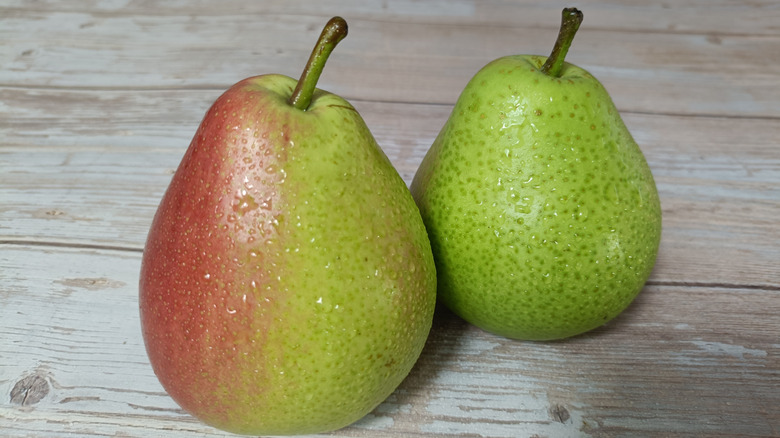
While apples get attention when fall comes around, pears usually get sidelined, which is surprising, given that both fruits have a similar subtle flavor. Moreover, pears are usually in season from September until December, so why not make the most of them while they're fresh? You can use them to prepare a variety of season-specific desserts for sure, but their simple flavor also makes them a great addition to various savory recipes.
When it comes to sweet treats, cook pears with essential fall spices and use them in pies, cookies, or cakes. You can also pair them with berries, chocolate, cheese, maple syrup, and other seasonal fruits. While chocolate and cheese may seem unusual with pears, they actually work together beautifully. If you don't believe us, try making a simple tart with puff pastry, pears, and chocolate, or a pear and cheese pie, using either Cheddar or Brie, and you'll know you've been missing out.
There are plenty of other savory options, too. Adding chopped pears to salads is a classic option, but surely not the only one. You can make a pear sauce to go along with heavy meat dishes, and also use the fruit as a topping on flatbreads, together with umami-rich cold cuts like prosciutto. If you think soups are the ultimate meal to have on a cold autumn evening, we've got a surprise for you. Pears are an unlikely, but amazing ingredient worth adding to your next batch of lentil soup, or any other soup for that matter, to give it an earthy flavor.
3. Cranberries
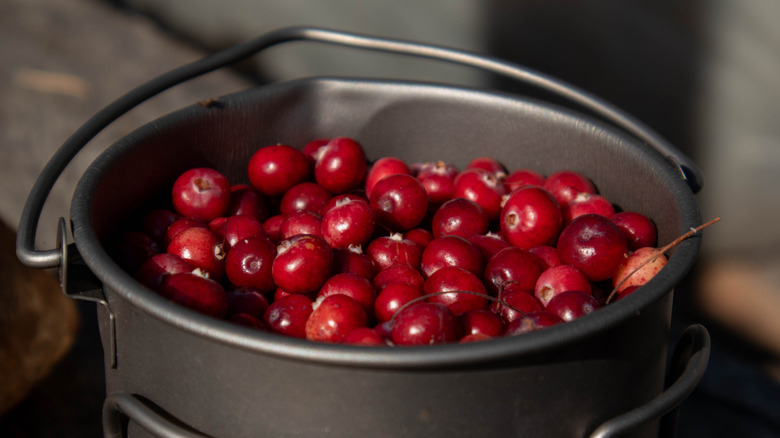
Even though fresh cranberries are widely available everywhere from September, most folks end up using them only during Thanksgiving — and then, just to make cranberry sauce. But these tart little fruits are highly underrated and versatile, and can be used in so many recipes besides just that one. It's a great idea to take full advantage of them throughout the fall, when they're fresh.
If you're looking to get creative with cranberries, there are a few ideas you could try. Firstly, consider using them as a base for an array of fall-inspired cocktails. Just make your own fresh cranberry juice by blending them, and use it as a mixer. You'll get a fresh, tart flavor that'll brighten up your beverages, unlike packaged cranberry juice that's loaded with sugar. As well as obvious choices like a classic cosmopolitan, this fresh juice can be used to make margaritas, mimosas, cranberry punch, or even a martini. If cocktails aren't your thing, heat up fresh cranberries with cinnamon sticks, ginger, berries, red wine, and sugar for homemade cranberry mulled wine to warm you up on a cold evening.
Alternatively, to amp up your homemade meals, consider cooking things like cranberry sage pork dumplings or Wellfleet oysters with cranberry mignonette. Beyond fancy savory dishes, cranberries can also be added to a variety of baked goods, including muffins, scones, cookies, cakes, bread, tarts, and even good old pancakes. Lastly, if you're planning on making a more exciting Thanksgiving condiment this year, whip up some cranberry salsa or cranberry jam.
4. Plums
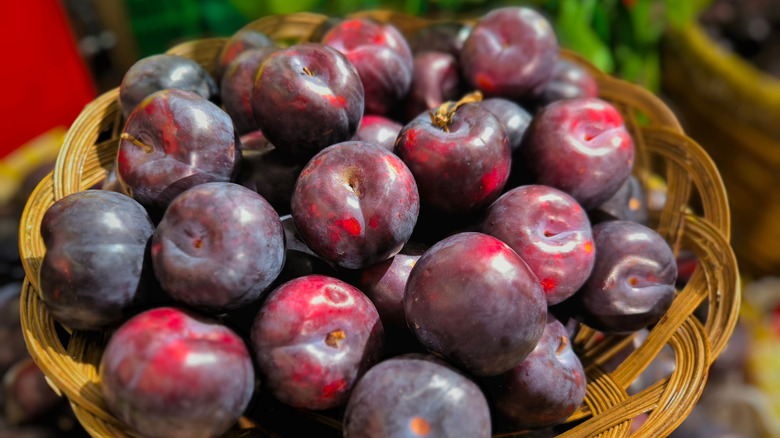
Plums might not strike you as a fall fruit, since they usually go out of season by October, but their tart flavor works beautifully in both sweet and savory fall recipes. That's exactly why it's a great idea to make the most of them while they're still around. The easiest way to use plums in a variety of dishes is by making condiments with them (which is also a great way to preserve the fruit throughout the season). You can whip up a plum jam and take it to the next level by adding some spices or adding in bacon bits to give it a savory twist. You can use it in desserts and marinades, or just spread it on slices of bread and enjoy it as-is. If you'd prefer a thinner, less sweet condiment, plum sauce is a great option. You can serve this alongside meat or pork meatballs, thicken it slightly and use it as a glaze while grilling meat, or add it to your favorite stir-fried dishes.
You can keep using fresh plums even after they go out of season by preserving them, instead of turning them into sweet condiments, by freezing them whole after packing them in a freezer bag. Alternatively, slice the plums, freeze the wedges until they're firm, then transfer them to an airtight bag and pop them into the freezer. Though a little time-consuming, this method is better if you'd like the fruit to last longer while also reducing the chances of freezer burn.
5. Figs
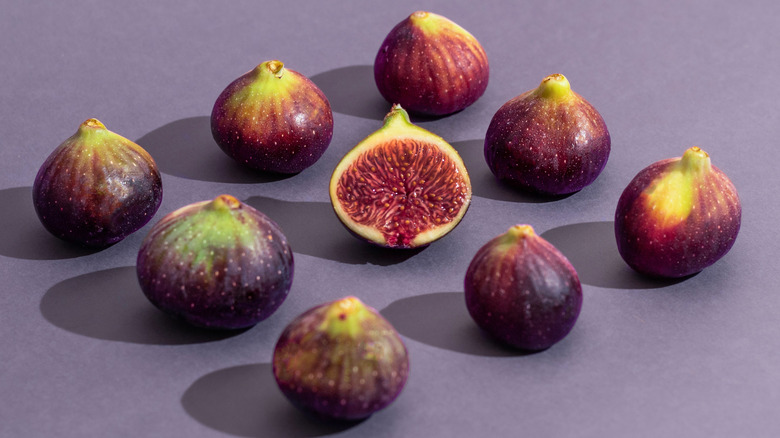
You might have seen farmers' markets and grocery stores being packed with fresh figs in summer, so it's easy to wonder why they're a part of this list. The thing is, figs are harvested not just in summer but also later in fall, making them one of those marvelous fruits that are in season twice a year. Their jammy and slightly heavy texture is a great fit for fall's chilly weather, and their rich sweetness also complements warm spices really well, so, if you've never tried using them in fall recipes before, now's the time to do so. Just keep in mind that you'll get the freshest figs only until late October, so you might want to stock them up right away. Also, make sure you store fresh figs in the fridge as soon as you buy them so they don't wilt.
The best part about figs is that you can actually add them to any savory dish or dessert; pair them with the right ingredients, and you're good to go. For instance, you can use them with other strong-tasting ingredients like blue cheese, balsamic vinegar, and bacon in savory recipes to balance the sweetness. Alternatively, to boost their natural flavor, pair them with honey or maple syrup, and when making salads or desserts, you can also pair figs with other seasonal fruits like apples and pears.
6. Sweet potatoes
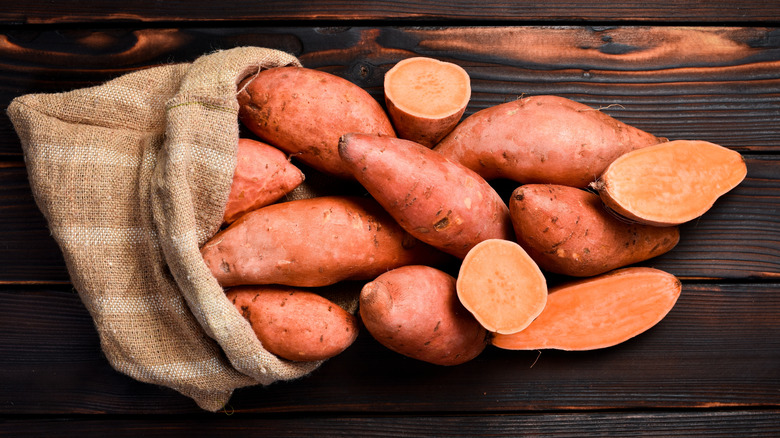
Except in the Southern United States, where they're considered the ultimate fall produce, sweet potatoes usually end up getting overshadowed by pumpkins this time of the year. This is surprising, as they're harvested toward the end of August, so technically, you'd be getting the freshest sweet potatoes during fall. But even if you're from any other part of the country, you can still make it a tradition to use these root vegetables when they're in season, starting this year.
Assuming that you've worked with sweet potatoes before, we don't need to tell you how versatile they are and that they can be used in all kinds of recipes, but if you're looking to experiment with them, then we have a few suggestions that you could try out. Starting with a classic, adding sweet potato to mac and cheese can give your comfort food a boost. For that, just mix boiled and puréed sweet potatoes with the sauce, and then continue with the recipe like you usually would. Similarly, you can make a sweet potato soup with peanuts and ginger, which is perfect to enjoy on a cold day. If you're into sweet potato casseroles, you can replace the usual marshmallow topping with maple meringue to give it a seasonal twist. Last, but surely not least, why not give sweet potato cinnamon sugar donuts a shot to enjoy an autumn-friendly sweet treat?
7. Brussels sprouts
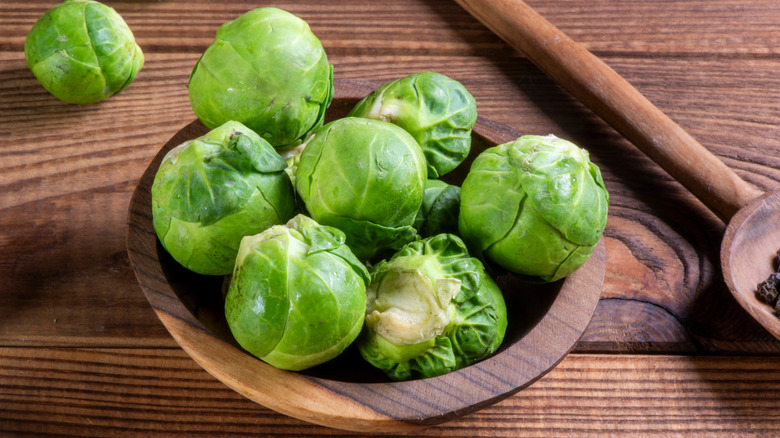
Most people probably already know that Brussels sprouts are fall vegetables, but despite being in season only a few months in a year, many prefer not to buy them because they aren't fans of their slightly bitter flavor. Well, we're here to tell you that Brussels sprouts can taste so much more than that. By pairing them with complementary ingredients and using the right cooking techniques, you can make their slightly nutty and earthy undertones shine while also masking their bitterness.
The easiest way to almost completely get rid of the bitterness of Brussels sprouts is by tossing them with brown sugar, maple syrup, olive oil, and salt, then baking them until they have a charred finish. Another option is to roast them with lemon juice and Parmesan cheese, if you prefer them not to be too sweet. If you want the best of both worlds, try cooking them in a skillet with bacon bits, maple syrup, and apple juice.
There are a few more ways to turn Brussels sprouts into a side dish that tastes amazing. You can whip up a hearty dip with Brussels sprouts and artichokes, coat them with panko bread crumbs and fry them, or put together a cheesy Brussels sprouts gratin. But Brussels sprouts are a lot more versatile than most folks imagine them to be. Aside from side dishes, surprisingly, they can also be used to prepare desserts like brownies, or even a chocolate cake.
8. Beets
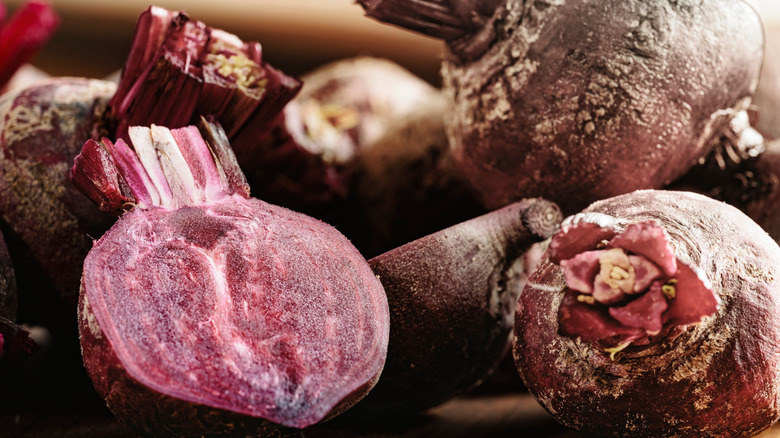
Just like Brussels sprouts, beets aren't everyone's favorite vegetable, but they definitely have their fans. If you're one of those people who think beets are solid, but still haven't used them to make fall dishes, trust us when we say you've been missing out. You'll be getting the best quality beets right now, as they're harvested in the fall, so it's a good call to take advantage of that. And let's not forget that they have a subtle sweetness that complements warm fall essential spices beautifully. If you're wondering what recipes you can use them in, here are some ideas.
For a fun, protein-rich snack, boil beets, strain them while reserving the water, then boil the water again with vinegar and cinnamon, then use that as a pickling liquid for hard-boiled eggs. Thanks to their striking color, these beet-pickled eggs also make a great appetizer for Halloween. As for the remaining boiled beets, purée them up and use them to prepare a bunch of desserts like pies, cookies, panna cotta, or even an old-fashioned red velvet cake.
You can also chop up raw beets and cook them with brown sugar, cinnamon, cloves, ginger, and orange or lemon juice for a homemade beet jam. If you'd like their natural sweetness to shine further, we'd recommend roasting beets first and then using them in dishes like salads, stews, soups, or even sauces. But you can easily just toss them with a few simple seasonings, herbs, and spices, and enjoy them as a side dish with your meals.
9. Pomegranates
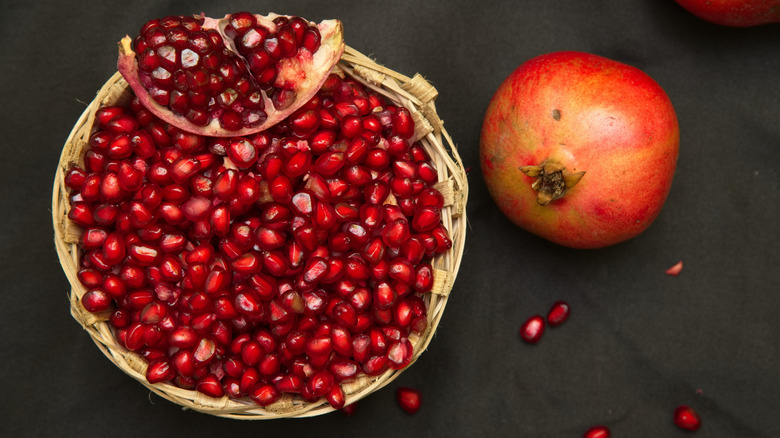
Since pomegranates have a bright, almost tart flavor, a lot of people naturally think they're a summer fruit, but they're actually harvested in the fall and are in season from September. The ones available at your local farmers' market or grocery store this autumn are fresh produce and not leftovers from summer! That said, even if you do end up buying some pomegranates while they're in season, you might be wondering how they can fit into fall recipes, since their flavor isn't exactly subtle. That makes pairing them with typical seasonal spices like cinnamon, ginger, or nutmeg a bit tricky, but there's no rule that you have to use these warm spices in every fall recipe!
It's always great to amp up your seasonal meals once in a while with unexpected flavors, and pomegranates' tartness is a perfect fit for that. You can blend them up and use the juice to make tangy cocktails, because the bright flavor goes really well with spirits, and also works in dessert recipes like pomegranate tart, cookies, and mousse. As far as savory dishes go, adding pomegranate seeds to salads is always a great choice, but if you'd like to use the fruit with meat in some way to enjoy hearty fall main courses, that can be done too. Try reducing pomegranate juice until it thickens up like a glaze, then brushing it over short ribs, ham, or even chicken before roasting.
10. Persimmons
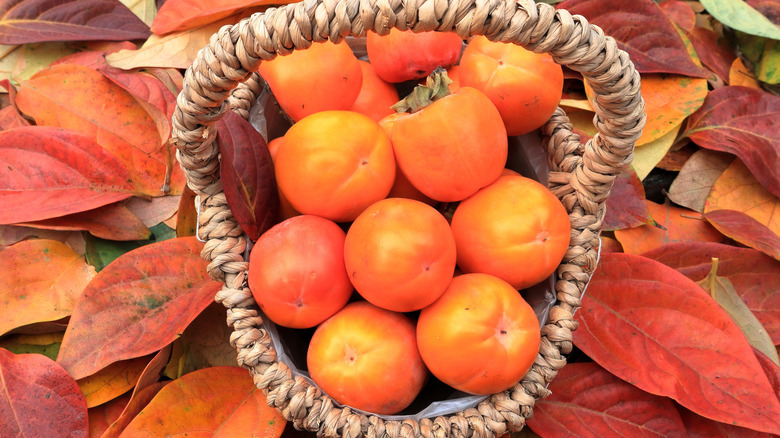
Persimmons are originally from China, but people have grown to love them almost everywhere across the world. While technically there are many types of persimmons, the Fuyu and Hachiya varieties are the only ones you'll find in the United States. Both types are in season from September until December and deserve some attention, especially if you haven't worked with them before and are looking to try out a new fruit.
If you're clueless about which dishes you can use persimmons in, we'd recommend starting simple with salads. First, though, it's worth knowing that Fuyu persimmons have a slightly sweet flavor, whereas Hachiyas are more astringent. Choose the variety you like better, or use both types together in salad recipes. You can either chop them up and add them as-is to salads, or roast them slightly and then toss them in. Roasted persimmons can also be enjoyed with other roasted veggies as a side dish. Here, note that Fuyu varieties can be used even when they're firm, but it's best to let Hachiya persimmons soften up first, as otherwise, they can taste unpleasant.
Another great way to use persimmons is by grinding them up and using the purée to whip up chutneys or compotes with warm spices. Of course, the purée also makes a great addition to dessert recipes like persimmon crumble, or even a classic old-fashioned persimmon pudding. Besides these options, you can easily experiment with persimmons and add them to soups, stews, or other fall-friendly dishes.