

13 Sustainable Seafood Products To Look For On Your Next Shopping Trip
We may receive a commission on purchases made from links.
More and more consumers are paying attention to the foods they eat. Where these foods come from and what role they play in the health of the person eating them (as well as the health of the planet) are all important factors. The Marine Stewardship Council recently released a study of consumer habits, and found that, over the last decade, shoppers in the United States have steadily become more focused on sustainability when shopping for seafood. But knowing what sustainable food means and what to look for while shopping can still be confusing.
To help you make an informed choice when shopping, we've interviewed four experts on the topic to find their best recommendations for what seafood you should buy. Sabrina Currie is a chef who previously worked as a commercial fisherman for 12 years; Meredith Moore is the director of the Fish Conservation Program at Ocean Conservancy; Mark Tagal is the owner of Tagal Oceanic; and Nina Ferry Montanile is the education and outreach manager of Martha's Vineyard Shellfish Group.
Moore explains, "When it comes to sustainable seafood, we want species that are coming from well-managed, abundant stocks in places where fishing, and the type of gear that's used, does not have collateral impact on the ocean." In addition to all of the recommendations from our experts, one of the best resources you can use while shopping is The Monterey Bay Aquarium's Seafood Watch website. Identifying labels such as certification by the MSC or ASC can also point you in the right direction. Here are 13 of the best options for sustainable seafood right now.
1. Oysters
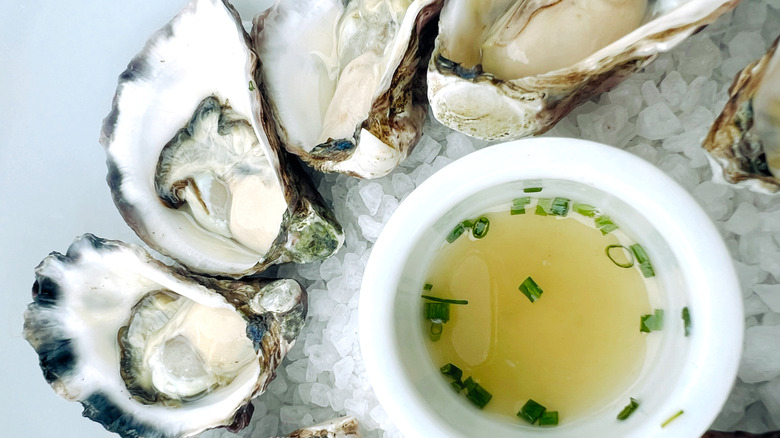
If you're intimidated by oysters, or don't enjoy their slimier qualities, you're not alone. This shellfish scares even the king of horror himself, Stephen King. Yet, what they may lack in attractiveness, they make up for in their many other sustainable qualities. Nina Ferry Montanile says, "Shellfish aquaculture is integral to sustaining healthy species populations and good water quality." A filter-feeder, oysters eat by passing water through their gills and consuming the tiny particles within, such as plankton and algae. Oyster farms (also called oyster reefs) can help balance algae levels, clean water systems, and provide habitats for other seafloor creatures.
Given that oysters consume organic matter in the waters they live in, the oysters you buy and eat are harvested from closely monitored clean waters. In your diet, they're excellent sources of protein and zinc, and can be prepared to eat in many different ways. The most popular way to consume oysters is to simply shuck the top shell off and slurp the oyster down, perhaps with a squeeze of lemon or a dash of Tabasco or mignonette. They can also be grilled in the shell, poached, or cooked into a stew or chowder.
While oysters were once considered peasant food, prices now can relegate enjoying these shellfish to special occasions, but there are still ways to enjoy them on a budget. As Montanile notes, "When you are able to harvest, handle, and shuck them at home, oysters are very affordable."
2. Mussels and clams
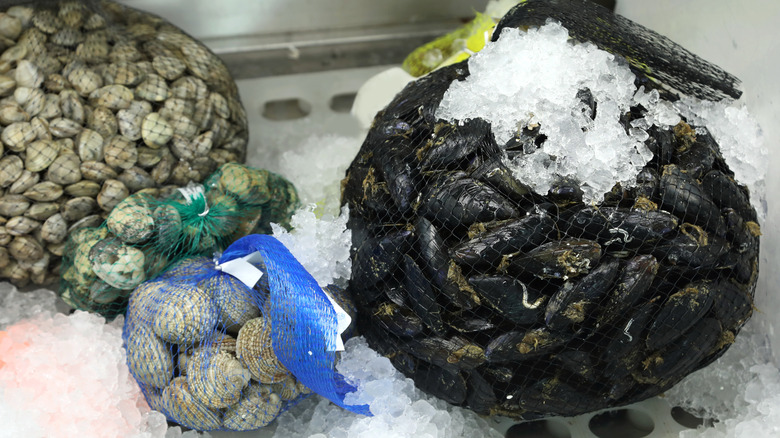
Like oysters, clams and mussels are filter-feeders, and an excellent choice in terms of sustainability. Both are on the Seafood Watch Super Green list , with no red ratings. They're also one of the easiest seafoods to shop for, as both farmed and U.S. wild-caught clams and mussels are highly rated in terms of abundant supply and environmental impact.
The overall sustainability of these species makes them a great option for ordering in a restaurant or cooking at home. Nina Ferry Montanile explains, "At the fish market and raw bars, clams tend to be more affordable than oysters and have a longer harvest season." Sabrina Currie adds, "At the fresh counter, mussels are the best value — a pound in the shell makes a generous dinner for a few dollars and cooks in about five minutes."
Clams and mussels are also excellent choices in terms of nutrition. Most of a clam's calories come from protein, and they offer generous levels of vitamin B12, while mussels contain all nine essential amino acids.
3. ASC-certified farmed salmon
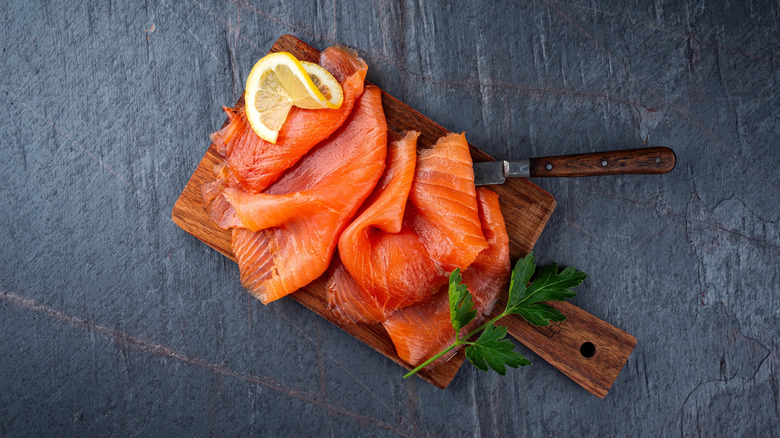
Salmon is one of those delicious seafoods that's ever-present on restaurant menus and in the canned, frozen, and fresh aisles of grocery stores. Whether or not it's a sustainable choice, though, can be complicated. Farmed salmon, especially, has garnered a poor reputation, but our experts still recommend it as a sustainable option provided it fits certain requirements. Seafood Watch recommends Atlantic salmon that's farmed within the United States, the Faroe Islands, or Denmark, as well as farmed salmon that's certified by the ASC (Aquaculture Stewardship Council).
Farmed salmon that doesn't fit within these recommendations often comes from open-water salmon farms. Sabrina Currie explains, "Open net-pen farms are often rated Avoid because of chemicals, disease and sea lice that can spread to wild fish." As consumers pay more attention to their purchases, some salmon farms have adapted to better protect the health of surrounding waters. Mark Tagal adds, "In the US, there are no open-water salmon farms. Salmon farming has moved onshore into contained recirculating aquaculture systems."
4. MSC-certified wild salmon
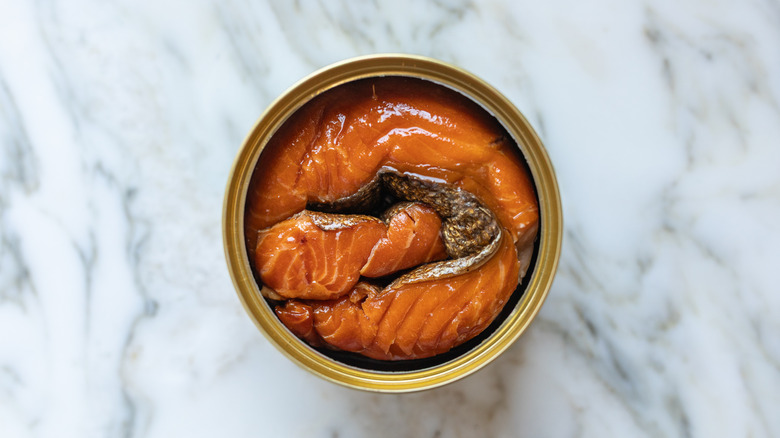
You don't only need to buy farmed salmon for this fish to be considered sustainable. Wild-caught salmon from the United States is almost all certified by the Marine Stewardship Council (MSC), and even if it isn't, Seafood Watch still recommends buying U.S. wild-caught salmon, provided it isn't Chinook salmon from Washington State's Puget Sound or coho salmon from the Columbia River, above Bonneville Dam.
Of the U.S. salmon, our experts choose Alaskan. Meredith Moore explains that both the U.S. and Canada oversee Alaskan salmon farms, saying that they're "subject to annual catch limits, area closures, gear restrictions and other measures to make sure the stock can support the many fisheries that depend on it."
Once you know what kind of salmon to look for, it's an excellent product to buy fresh, frozen, or in a can. Fresh or frozen salmon fillets are perfect for grilling, while canned salmon is perfect for a protein-rich breakfast. Plus, with frozen or canned salmon, you can easily look for ASC or MSC certifications on the packaging.
5. Pole-caught Pacific albacore and skipjack tuna
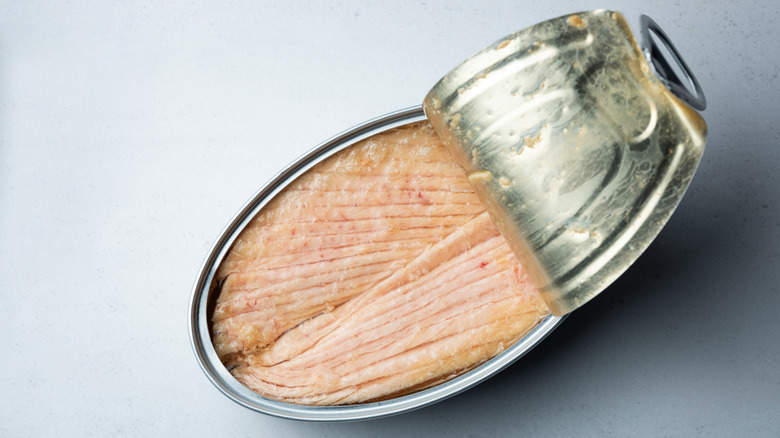
Tuna is one seafood that's just as easily found in high-end sushi restaurants as it is in a homemade sandwich. An apex predator, these fish species range from the small skipjack tuna, which can weigh up to 75 pounds, to the massive Atlantic bluefin tuna, which can weigh up to 2,000 pounds and grow to reach 10½ feet.
Many species of tuna, such as the Pacific bluefin, are drastically overfished, being caught too quickly to allow replenishment, and with harmful methods like bottom trawlers. "Large offshore trawlers often drag along the ocean bottom, disturbing precious habitat and pulling up everything in their path, including at-risk species," explains Sabrina Currie, drawing on her experience in commercial fishing. "The quality suffers, and the bycatch often doesn't survive."
The good news is that you can still find tuna that's fished sustainably. Canned tuna will often be labeled with the species of tuna or the manner in which it was caught, which makes it easy to identify sustainable options. Currie says to look for "pole-caught, troll-caught, FAD-free, or free-school. Don't buy tins that don't name the species or method."
6. MSC-certified sardines and anchovies
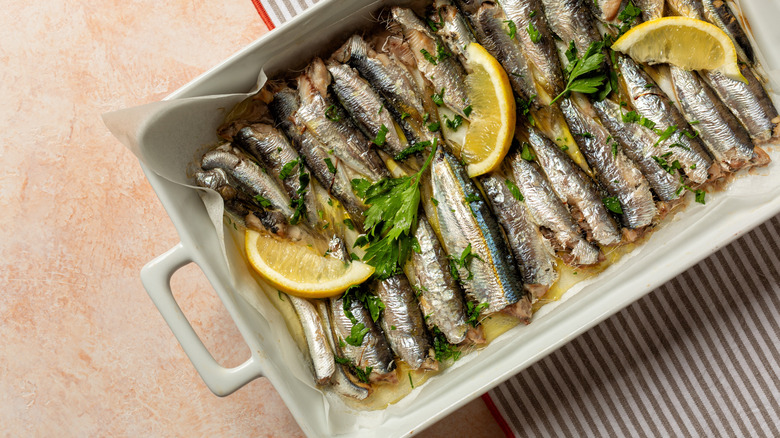
Tinned fish, like anchovies and mackerel, are convenient and tasty, and sardines are easy to upgrade into party-worthy plates. It's a fantastic form of seafood to have in your pantry for easy access, and there are more creatively flavored tinned-fish brands on the market than ever. But while these fish may be small and seem abundant, it's still important to pay attention to certifications when purchasing sardines and anchovies. "These species play important ecological roles as prey for seabirds, marine mammals, and larger fish," says Meredith Moore. "Managing them with sustainable limits is really important."
The region in which sardines or anchovies are caught is the most important factor in knowing whether they're sustainably sourced, but memorizing a list of acceptable areas may seem overwhelming. The easiest way to identify good brands is to look for an MSC certification. "Most tins are imported, so check the species and country and look for the MSC label," explains Sabrina Currie. She recommends brands like BELA Wild Caught Sardines and Fishwife Sardines, which are both MSC-certified.
7. Pacific halibut
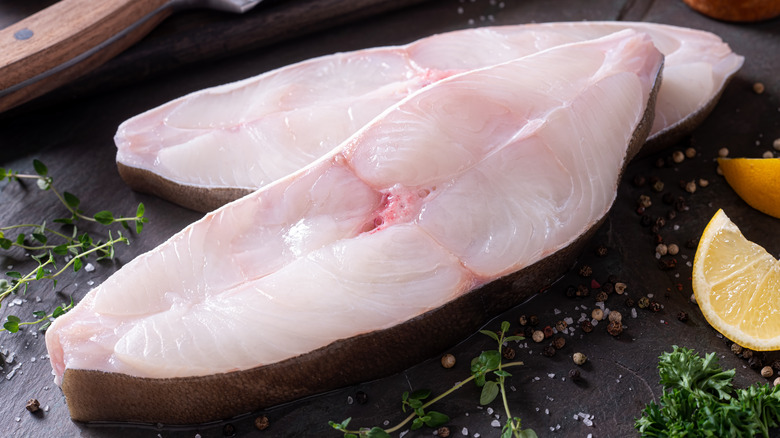
Pacific halibut are large, flat fish known for swimming sideways along the ocean floor, which can grow to 8 feet in length and weigh over 500 pounds. Halibut is relatively low in fat and can become dry and tough when overcooked, but when fresh halibut is properly prepared, it's tender, flaky, and delicious, making it a popular choice on restaurant menus.
This fish, like so many others, is sometimes caught using bottom trawls, which catch everything in their path and often harm other species. The MSC certifies halibut caught using sustainable methods, such as a longline. Seafood Watch recommends buying Pacific halibut, caught along the West Coast of the U.S., as well as in British Columbia, Canada, advising to avoid Atlantic and Cortez halibut. If you're ordering this fish on a restaurant menu, ask your server how the restaurant sources its halibut, to ensure you're supporting sustainable fishing practices.
8. Pacific cod and black cod
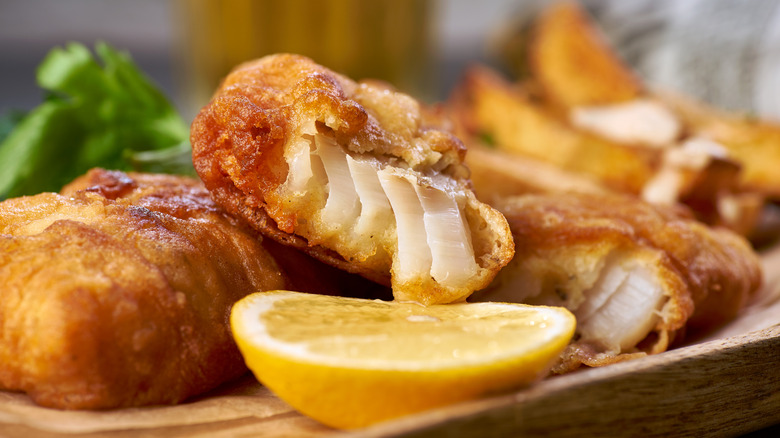
You may be most familiar with cod as a popular (and sustainable) choice for fish and chips. Pacific cod is a flaky, mild-flavored whitefish, which is also quite lean. That means it may not be a huge supplier of Omega-3, but it is a fantastic source of protein, with 20 grams in a 4-ounce fillet. It's firm enough to fry and is also fantastic served in stews and tacos. While they appear quite similar, black cod, which is also called sablefish or butterfish, is much oilier than Pacific cod and richer in Omega-3.
While some types of cod, notably those from the Atlantic, are caught using harmful bottom trawls which plough through schools of fish and cause damage to other species, Pacific cod and black cod can be sustainably sourced. Your best bet is to look for an MSC certification or to purchase black cod and Pacific cod. Meredith Moore explains that black cod is jointly overseen by the U.S. and Canada, noting that this fish is "subject to catch limits, permits, and quotas with coordinated data sharing and stock assessment efforts across regions."
9. Alaska pollock
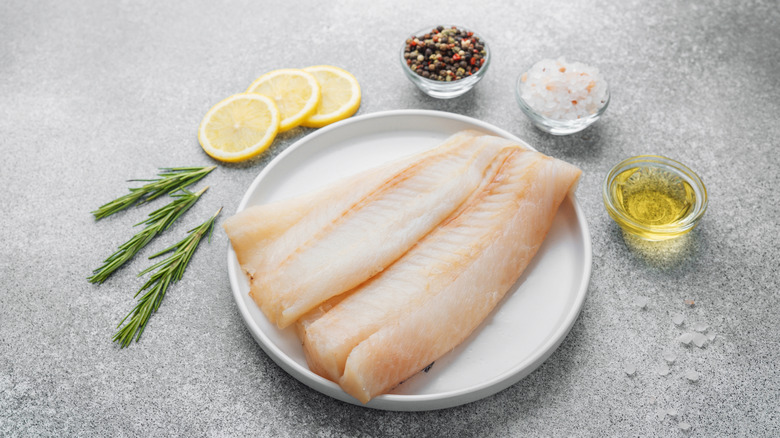
Pollock is a flaky, lean whitefish. It has a mild flavor, which leaves a lot of room for creative uses in the kitchen. Nutrition-wise, it's loaded with Omega-3 fatty acids, vitamin B12, has all nine essential amino acids, and is a fantastic source of protein. Sabrina Currie recommends Alaskan pollock as a sustainable and affordable seafood option. "Shop the freezer and pantry aisles," she says. "Frozen and canned Alaska pollock are often cheaper than the fresh case, clearly labeled, and keep until you're ready to cook, so less goes to waste."
While Alaska pollock isn't the only kind of pollock available, it does come highly recommended in terms of sustainable fishing. Other pollock are sometimes fished using bottom trawls or set gillnets, which snare a huge quantity of bycatch that could be injured or killed. Seafood Watch also recommends pollock that may not be from Alaska but is MSC-certified (as long as it's not from Russia).
10. Trout
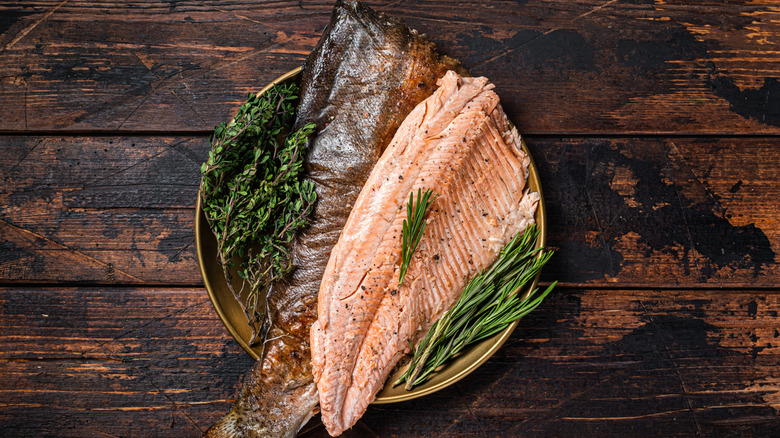
Trout is a type of fish most commonly found in fresh waterways like lakes, rivers, and streams, although some species, such as the Steelhead trout, live part of their lives in saltwater as well. Rainbow, brown, lake, cutthroat, brook, and bull trout are often sought after by hobbyist fishermen because of their abundance in freshwater bodies, and, thankfully for the fishing enthusiast, are an excellent choice in terms of sustainability.
Seafood Watch has trout on its Super Green list of sustainable seafood, and only advises against buying one type: Rainbow trout farmed in Chile, as they use open-net pens that have a negative impact on surrounding ecosystems. This isn't true of all Chilean trout, though, and it's fine to buy if you can confirm it's from freshwater raceways. Lake trout from the Great Lakes, or farmed rainbow trout from other countries, are both sustainable choices.
Steelhead trout are often compared to or substituted for salmon due to their similarities. Steelhead trout can reach 20-25 inches in length, their meat is often pinkish orange in color, and they spend their lives going between fresh and saltwater. Those who find the flavor of salmon to be too strong may enjoy the taste of steelhead more, as it's known to be milder. Plus, sustainably sourced steelhead trout may be more affordable as well as easier to find, compared to salmon.
11. Grouper
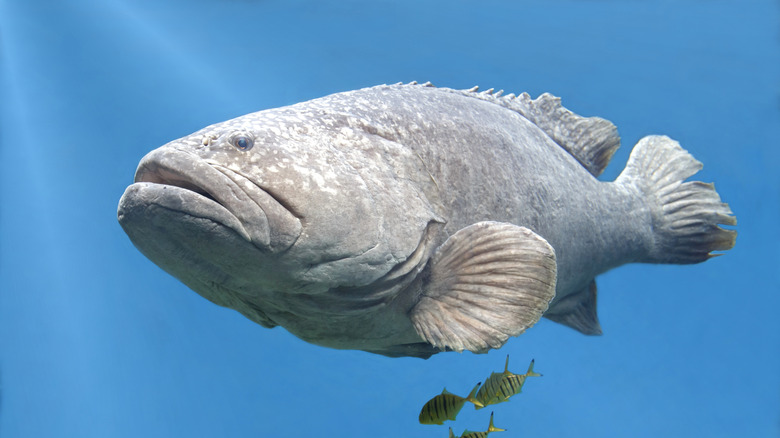
The grouper is a fish with over 160 species, but perhaps the most recognizable of the bunch is the giant Goliath grouper, an apex predator that can reach up to 800 pounds. Despite it being a predator, essential for controlling the populations of smaller fish in coral reefs, groupers are not as terrifying to look at as many other predators. They're slow-moving, somewhat round, with a protruding lower jaw that can appear almost comical. In terms of cooking, grouper, with its mild flavor, can be prepared using similar recipes as most other white fish,
With its many different species, it's best to look for an ASC label when purchasing grouper, or note the species and where it was caught. Meredith Moore explains, "There are multiple species of grouper that are fished by both commercial and recreational fisheries, all managed in their respective regions using tools such as annual catch limits, permits, gear restrictions, and seasonal spawning closures."
12. Scallops
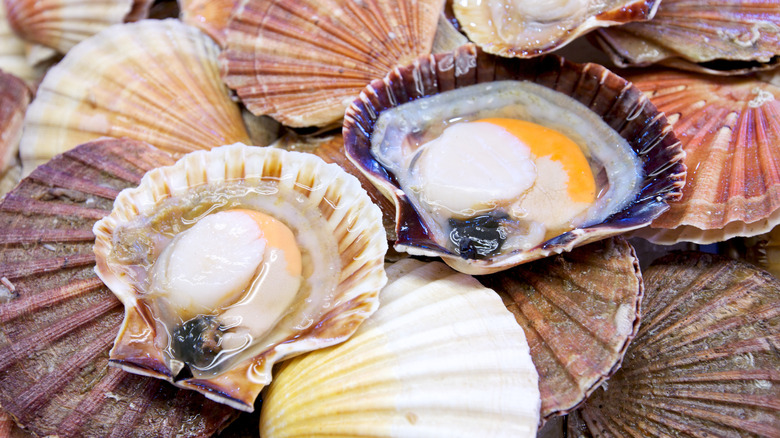
Scallops are another filter-feeding shellfish that's both sustainable and healthy. Seafood Watch gives no red ratings to scallops, which means you can confidently purchase them from a variety of locations without worrying about dwindling supplies or negative environmental impacts. Meredith Moore points out the economic benefits of the scallop industry, too, saying, "This species supports fishing communities from New England through the mid-Atlantic. It's one of the most valuable fisheries in the United States and the largest wild scallop fishery in the world."
There are several different varieties of scallop, with some, like the Bay scallop, having shrinking natural habitats. Though supplies are monitored for sustainability, these scallops can prove to be on the more expensive side of the seafood market and may be best enjoyed only on special occasions. Nina Ferry Montanile says, "Although bay scallops are my favorite, even when supported by natural resource enhancement, they are still an expensive and ephemeral delicacy each winter."
13. Lionfish
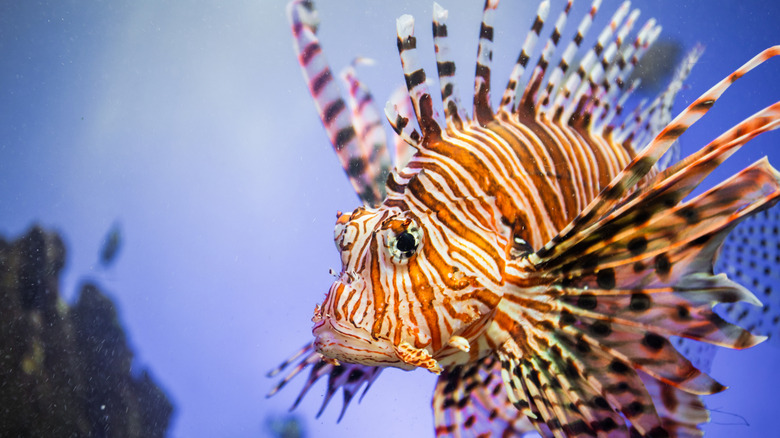
The lionfish is aptly named. It features a striking mane of spines and frills, with bold striped patterning that's beautiful to behold. Unfortunately, its popularity as a decorative aquarium fish is exactly why it is now labeled as an invasive species. Originally native to the warmer South Pacific and Indian Oceans, experts suspect that repeated release of lionfish into foreign waters allowed the species to spread to the Atlantic Ocean. Seafood Watch describes its proliferation in U.S. waters as "among the most rapid and devastating invasions in history."
Given that the presence of lionfish is detrimental to the health of coral reefs, catching and eating them is a recommended method for controlling their population. While this isn't the type of fish you're likely to find in the freezer section of the average grocery store, it's worth asking at the fresh seafood counter to see if it's something they can order. You can also search for websites that mail fillets frozen, or chat with a local fisherman who may be interested in spearing the pests. Just be careful if you want to catch any yourself — while the meat of this fish is safe to eat, its spines are venomous and can give a very painful sting.