

10 Common Complaints Drinkers Have About American Beer
There's a lot of beer in the United States. Every state has its own iconic brew, and most adults in the country can likely name more than a couple of the biggest brand names out there. According to the Beer Institute, nearly 190 million barrels of beer are produced in (and imported to) the U.S. each year, and plenty of those come from huge producers like Anheuser-Busch and the Molson Coors Beverage Company, who create drinks like Budweiser and Miller Lite. Just because some beers are popular, though, doesn't mean they're viewed as good in a lot of people's eyes — and American beer brands are constantly plagued by certain criticisms about their flavor and quality.
In some ways, these criticisms are unfair. There are more than 7,600 breweries in the U.S., notes the Beer Institute, and a huge variety of options and styles, many of them created with care, love, and serious expertise. When it comes to macro lagers, though, certain complaints pop up again and again. From watery brews to unpleasant finishes to questionable marketing practices, big brands aren't often viewed favorably by some drinkers. Here's what people take the most issue with.
It tastes watery and weak
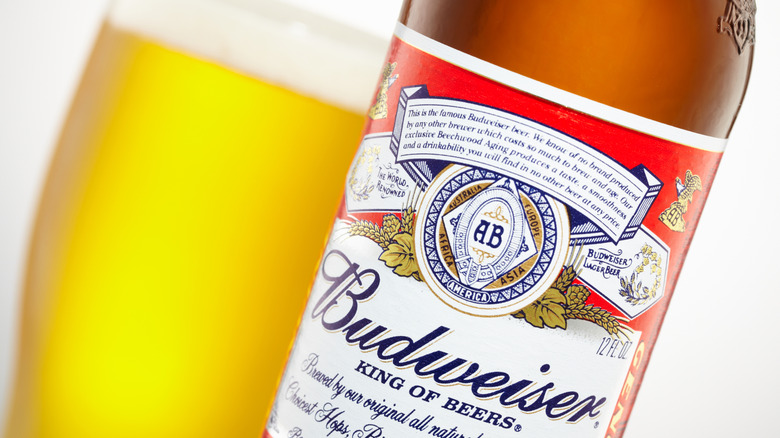
Some people like their beer to be characterful, rich, and full-bodied; others like it to be easily drinkable and, frankly, inoffensive. If complaints are to be believed, major beer producers in the United States have been using the latter school of thought as justification for making weak, watery beer for decades. Brands like Budweiser, Busch Light, and others have faced constant criticism that their beers essentially taste of nothing, and that American macro lagers are ultimately lacking in any character. At times, this has even resulted in legal challenges: In 2013, a series of class action lawsuits accused Anheuser-Busch of watering down its beers, claims that were ultimately proved to be false.
There are several reasons why American beer might not have the full flavor of those made by other countries. The first is that most major beer brands make lager, which is inherently lighter and less nuanced than ales or stouts. The second is that American brews can use rice as a brewing addition, which has less character and taste. A push toward lower-ABV beers has also resulted in weaker flavors, as alcohol content contributes to taste. The good news is there are plenty of lagers to try for people who want a drink with genuine nuance, but you may have to look further than the big names.
Its aroma has no real character
Aroma matters when it comes to beer. The scent a beer exudes changes what we take its ultimate taste to be, and goes hand-in-hand with the foam it produces. And the better the foam the better a beer-drinking experience it might be; the more aroma compounds it might have, for instance. As the drinker, you then get to enjoy fruity, malty, and hoppy notes before you even take a sip.
Well, you do with certain beers, anyway — but when it comes to certain American beers, you might not be so lucky. Major brand names like Bud Light, Busch Light, and Coors Light have all received criticism from drinkers for their bland, boring aroma profiles, which contribute little to the overall experience. It's not that these beers smell bad; it's that they don't really smell of anything. To some people, that may be a good thing — but if you're looking for a beer that presents the drinker with an experience as opposed to a mere buzz, you'll probably be left disappointed by a lot of the major players.
It has a thin mouthfeel

Mouthfeel is an important and underrated part of the experience of drinking beer. The overall body of a beer can affect how we perceive the drink: Beers can be thick or light, effervescent or smooth, soft or harsh, and all of these qualities have an interplay with its flavor. If the texture isn't right, the whole thing can be thrown off.
Unfortunately, when it comes to American macro lagers like Coors Light and Miller Lite, they can lack a satisfying mouthfeel and instead come off as thin. Thinness can make a beer easy to drink, but it can also mean it lacks any real presence or identity — and it can make the drink taste more watery than it might if it had more heft to it. This is a particular problem when it comes to low-alcohol beers: As research published in Comprehensive Reviews in Food Science and Food Safety notes, ABV can contribute to fuller body and greater harmony, and removing or reducing it can create an impression of a drink being thinner. Beers like Coors Light and Miller Lite have around 4.2% ABV, putting them on the lower end of the spectrum.
It's too sweet
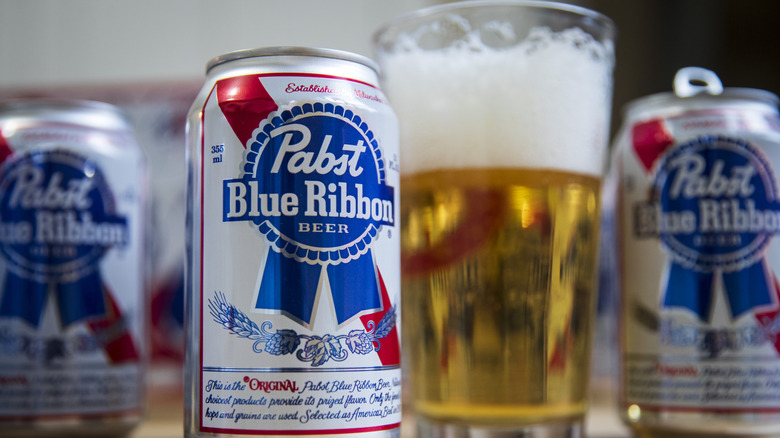
No one's saying beer can't be sweet. In fact, dessert beers are becoming increasingly popular, and there are plenty of craft brews that are created with ever-more outlandish flavors, capturing notes of hot fudge sundaes and donuts. However, when they're not meant to be sweet, any sugary notes can come off as unpleasant and unwanted. Regrettably, that's something that happens a lot with American beers, according to drinkers, who frequently complain that options like Miller Lite, Bud Light, Pabst Blue Ribbon, Coors Banquet, and even some IPAs have too much sweetness to them. Some people think American beer is sweeter than a lot of its European counterparts, which tend to have maltier, heavier, more complex notes.
American lagers were developed with a mass market in mind, and one that favored an easy-drinking quality over a more complicated one, which somewhat explains the psychology behind the flavor choices in these beers. Brewing-wise, the lack of any complex adjuncts means they have a simpler profile, and the use of corn and rice creates a simpler sweetness. These qualities may be good for mass appeal, but not necessarily for pushing back against criticism of its simplicity.
It needs to be served cold to be enjoyable
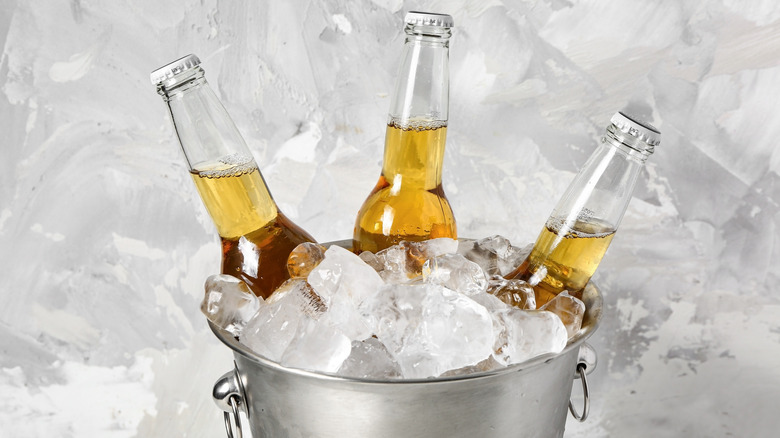
The beauty of an ice-cold beer can't be overstated. On a hot day, there are few things better than taking a sip of a properly chilled bottle of lager. The problem, though, is so many American beers seem to only be palatable when they're dropped to an almost sub-zero temperature, which a lot of people think is required to enjoy them. "The macro lagers have to be cold so you can't taste them," one person on Reddit said, summing up a common criticism about the state of mainstream American beers, which favor temperature over taste, and which seem to miss the point of this complex drink.
American mainstream lagers are recommended to be served as low as 33 degrees Fahrenheit, slightly above beer's freezing point. The problem, though, is that lower temperatures kill flavor and aroma. You're not getting any of the qualities beer might have; you're just at risk of getting a brain freeze. Remember, it's a myth that beer tastes better cold, and most beer styles should be served at a slightly higher temperature to better enjoy their nuances and the interplay of flavors occurring.
There's not enough variety from major brands
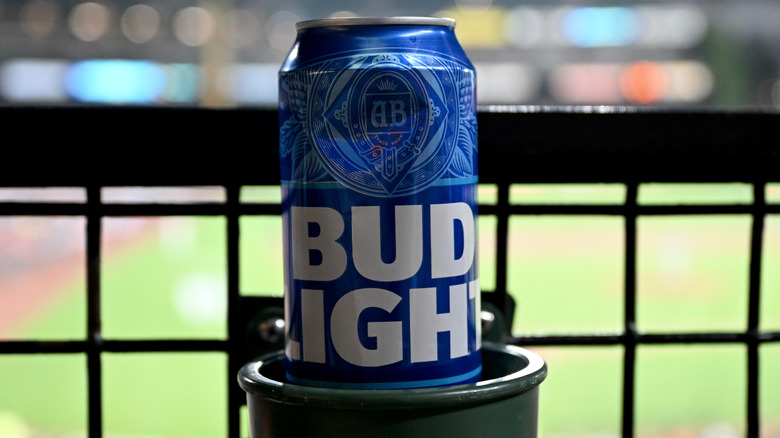
When did beer in the United States become so bland? It's a question a lot of drinkers ask, and it's not necessarily a fair one. There's a huge number of breweries in the country, and plenty of homegrown beer styles that demonstrate the breadth of styles and production methods on offer. When it comes to the major brands, though, customers feel they all taste pretty much identical, somewhat remarkably. "Budweiser and friends are the McDonald's of beer," said one person on Reddit. "It's an amazing feat that they produce in such large quantities and it all tastes the same — an impressive feat of engineering, even if it's not a great taste."
It should be said that the criticism of a lack of variety has also been leveled at homegrown American breweries, which some people feel have become less adventurous over time. It's the big brands that get a lot of the heat, however. It all boils down to how these beers are produced: As a lot of them are made with corn and rice, they don't have much to distinguish them, leading to a one-note flavor across the board.
It has a poor finish
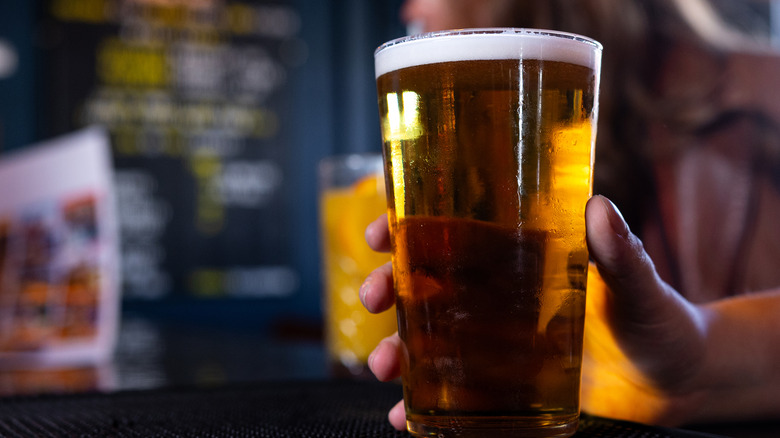
If you've ever finished sipping a Natural Ice, a Bud Light, a Coors Banquet, or any other mainstream American beer, and you've been disappointed by what comes next ... well, you're not alone. A beer's finish, or aftertaste, plays a key role in the overall enjoyment of your drink. The finish ties the whole beverage together, and when successful, rounds off the experience with a sense of completeness or added value. A bad finish may not necessarily be a sign of imperfections, but may indicate the brewer's not that invested in the overall flavor impact of their drink.
American macro lagers generally aren't well-known for their complex finishes, and criticisms can range from them either having a lack of flavor at the end to having vaguely unpleasant aftertastes. As ever, when it comes to these beers, an anonymous finish may well be by design. Drinks like Bud Light are created to be widely popular and as inoffensive as possible, and brewers minimize any risk of criticism by keeping things less complex. Aficionados may not get much from them, though.
Their parent companies might make them out to be something they're not
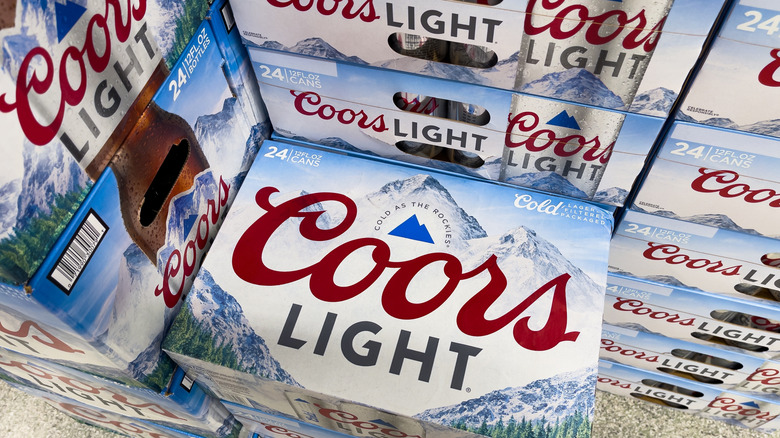
When it comes to marketing beer, image is everything. Think crisp bottles sitting in the snow, or traditional brewers poring over casks and using centuries-old techniques to create the perfect drink. Big business knows this well and uses it to its advantage. The result is beer brands that give the impression of authenticity or of being international or a craft brew, but which are created using modern techniques in industrial facilities.
In the last few decades, there have been plenty of examples of this happening, and consumers have frequently claimed it constitutes misleading marketing. In 2016, for example, a customer filed a lawsuit against MillerCoors, stating that its advertising around Coors Light implied it was brewed in the Rocky Mountains, when it's actually made in non-mountainous locations. Meanwhile, if you thought you were making a European choice by drinking Beck's, you might be surprised to hear it's actually brewed in Missouri — and a 2015 lawsuit alleging misleading marketing against Anheuser-Busch, which produces it, resulted in a loss for the company. In short, appearances can be very deceiving when it comes to mainstream beer. It's always best to check where it's made before buying.
It can be made with corn syrup

Corn syrup is used in a lot of ways, and pretty much all of them are controversial. One use you might not know about, however, is in beer production — and this has led to a fair bit of criticism of American beer companies. Interestingly, that criticism hasn't only come from customers. In 2019, Budweiser ran an ad during the Super Bowl in which it heavily implied that competitors like Miller Lite and Coors Light use corn syrup to produce their beer, while Bud Light was free of it. The intention, it seems, was to portray Bud Light as somehow "cleaner," or free of refined sugars.
Unfortunately, this move backfired, with brewing experts quick to explain how corn syrup works in beer production. Corn syrup essentially acts as the starch the yeast reacts with to produce alcohol, and using it doesn't mean your beer will be sweeter or somehow worse. However, the TV ad sparked a lot of debate among customers, and a lot of people were left surprised – and concerned – that their beers might be made with cheaper, lower-quality ingredients.
It's too expensive
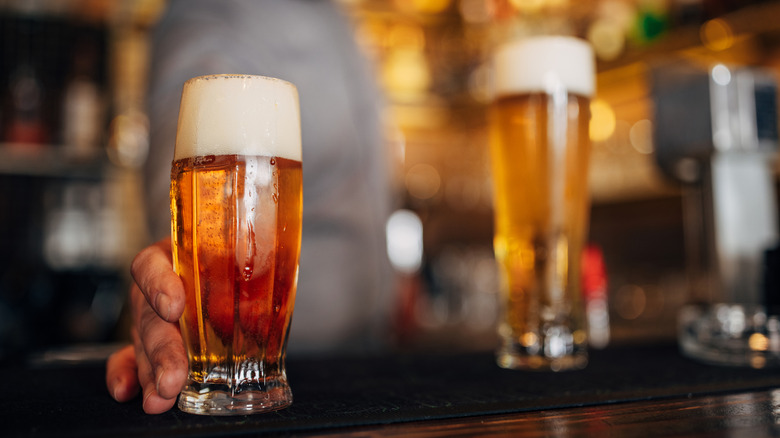
Alcohol hasn't exactly been cheap for a while now, but in the last decade or so (as of this writing), things have spiraled out of control. American beer prices have become exponentially more expensive as time has gone on, with some brands costing over 70% more than they did in 2015, according to data compiled by Voronoi and seen on Visual Capitalist. It's not only the cost of the beer itself that's gotten more expensive: In 2025, aluminum prices saw a steep incline as a result of tariff action, leading to a higher overall cost for customers.
Naturally, all of this has led to a lot of frustration from beer drinkers, who for the last few years have been questioning why the drink has gotten so pricey – especially in comparison to other countries. Although these price rises may be incremental, over time they add up to a significantly more expensive product. When you combine that with a perceived lack of quality or worth of some beers, it's natural to wonder what the tipping point is for people to stop buying it altogether.