

4 Disadvantages To Plastic Food Storage Containers
We may receive a commission on purchases made from links.
There are many reasons that plastic is so popular. It's fairly simple to produce and manufacture. It's cheap to buy, so you don't feel that bad if you lose it or need to throw it out. And it can easily be designed in attractive, colorful ways.
Today, plastic is all over the place. But not everyone is so thrilled about that. You see, plastic containers aren't without their problems. As concerns about topics such as sustainability and microplastics continue to rise, many consumers are starting to wonder if all those takeout containers and Tupperware bowls cluttering up their kitchen cabinets might be more trouble than they're worth. Fortunately, there are kitchenware options available that aren't made of plastic. For example, you might consider some durable and elegant food storage solutions made of glass — like a set of Simply Store storage bowls that are one of the best-selling Pyrex products on Amazon.
Plastic can melt
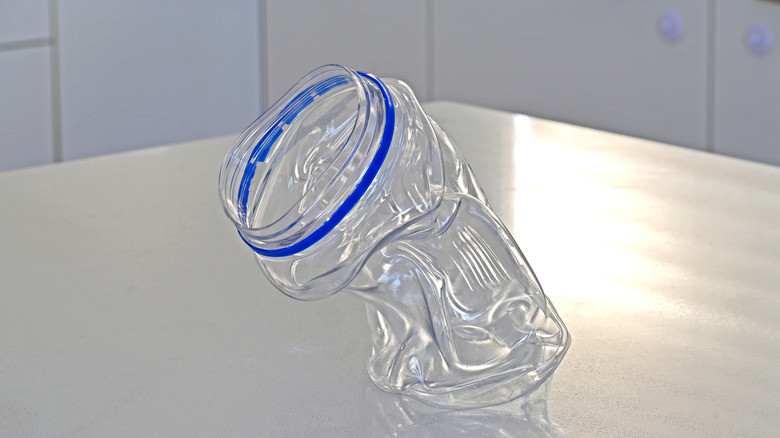
If you've ever accidentally placed a plastic item on the bottom shelf of a dishwasher, you are likely well aware of this downside of plastic containers — they can melt. Even if they don't melt down completely, a high level of heat can make plastic containers warp and lose their shape, rendering them less effective or downright useless. This is why you should always be sure to check for the "dishwasher safe" icon to make sure any plastic you're placing in the washer can handle it. And even still, it's probably best to keep these items on the top shelf, away from the heating element.
Plastic's low melting point can also be a potential issue in other places in the kitchen. While substances like glass or metal aren't going to start liquefying if they are placed on or near a hot stovetop, plastic certainly will. So keep your eyes on your plastic and away from the burner!
Plastic comes with the risk of BPAs and microplastics
Did you know you should never buy plastic food containers at thrift stores? The reason for this is because old plastic food containers can contain chemicals like bisphenol A (BPA for short). BPA can leech into your food through the plastic and potentially cause health concerns. Today, BPA-free plastic is available, but it's not always the norm, so be sure to check for the BPA-free label before you buy containers or reuse takeout ones.
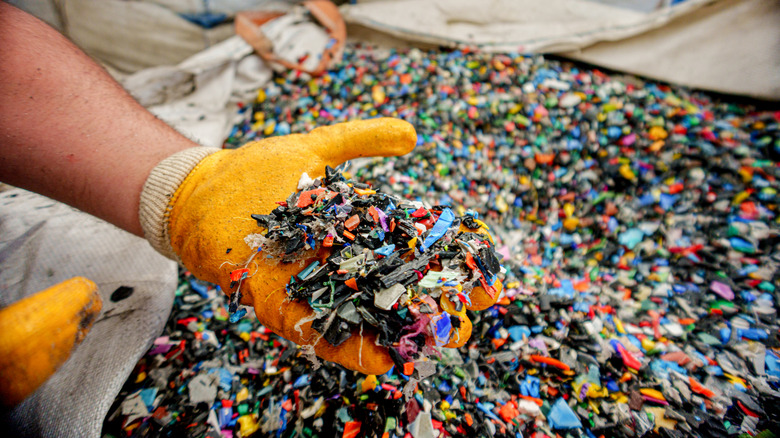
Another concern with plastic containers is the presence of microplastics. Microplastics, as the name suggests, are tiny pieces of plastic, sometimes so small they're invisible to the human eye. Microplastics can be found virtually everywhere, including in food that was stored in plastic for even a short amount of time. Studies have linked microplastics to numerous health concerns, including cancer and heart attacks. While some amount of microplastics in our bodies is unavoidable, you can help cut down by eschewing the plastic containers.
Plastic containers can affect the taste of food
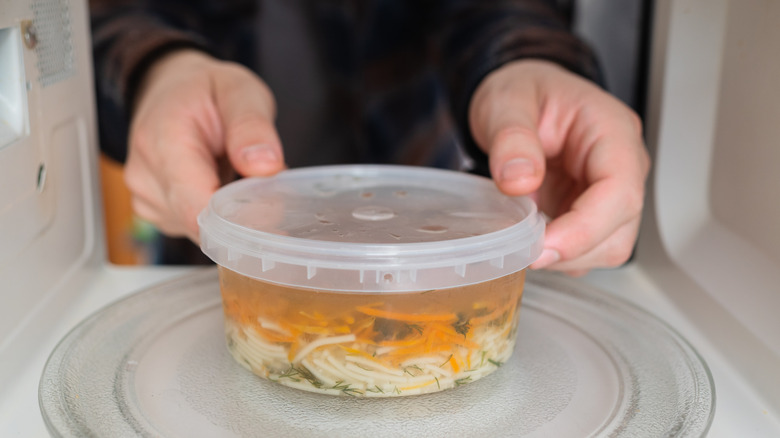
Have you ever had a couple of sips from a bottle of water that's been sitting out in a hot car all day, only to find it had a particularly plastic-y taste? The same is true with plastic food containers used for heated foods — the unappealing taste of plastic can make its way into your hot soup or chili. While this flavor change doesn't necessarily mean that you're slurping down dangerous chemicals, it's still not particularly pleasant to experience.
Another potential taste issue when it comes to plastic containers is that they can absorb the odor and flavor of items that were placed in them. So, if you stored some curry in a plastic container in the past and then re-use that same container for mashed potatoes, don't be surprised if your potatoes take on a distinctly curry-ish flavor profile. If you want your leftovers to maintain their original taste, you might be happier with some glass containers.
They're hard to recycle
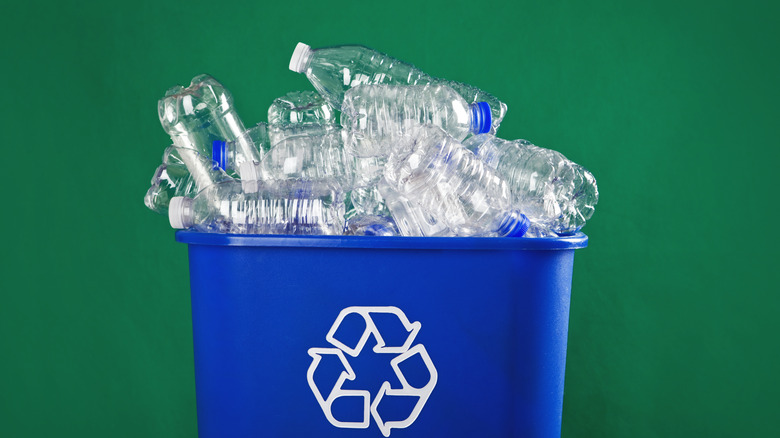
Of course, plastic is nominally recyclable — there's often a separate bin specifically labeled for "plastic," after all — but in practice, a lot of plastic ends up in the trash. In fact, a significant majority of plastic ends up there: around 85% of U.S. plastic goes to a landfill each year. And as you can see from this list of takeout containers you should never recycle, just because something is plastic doesn't mean it can be successfully re-used. Believe it or not, only about 5% of plastic recycling goes on to be turned into something else. One of the main reasons for this is because plastic is expensive to collect and re-form, and it's much cheaper and easier to just create new plastic. While it doesn't seem like plastic manufacturing is slowing down anytime soon, if you're concerned about your environmental impact, reusable glass or metal might be a better fit.