

11 Sam's Club Meats That Aren't Worth The Price
We may receive a commission on purchases made from links.
Even with vegetarian and vegan options seemingly everywhere you look, Americans are still all about meat, ranking second only to Portugal in countries that devour the most. Although consumption can be highly concentrated, according to a study published in MDPI, 12% of Americans account for half of all beef eaten — almost everyone here enjoys meat at least on occasion. Only a small percentage of Americans identify as vegetarian or vegan, leaving many people looking for good, affordable meats.
The affordable part is the current challenge, with meat prices soaring to record highs even after adjusting for inflation. As such, customers often turn to warehouse stores like Sam's Club, where they can stock up on staple food products, including bulk meat. Just looking at the Sam's Club website, you'll find hundreds of meat options ranging from fresh steaks to frozen chicken nuggets and sausage.
Just because something is low-priced per pound, though, doesn't mean it's a good buy. And frankly, a few meats are even that cheap compared to the competition. Here are 11 Sam's Club meats that aren't worth the price based on quality, cost, and other factors. By knowing what to avoid, you'll be able to focus on the good buys the next time you visit.
Member's Mark Boneless and Skinless Chicken Thighs
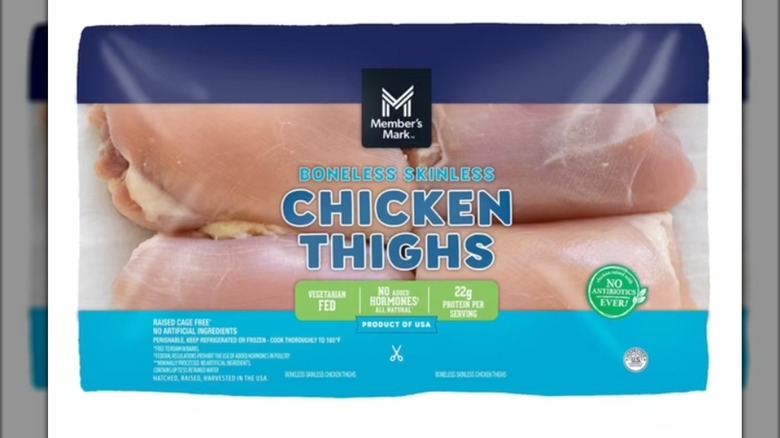
Chicken is by far the most commonly eaten meat in the United States, with the average person expected to consume nearly 103 pounds in 2026 (via USDA Economic Research Service). That means shoppers are always looking to buy a lot of poultry. While Sam's Club has many chicken products and some of them are great, the store-brand boneless and skinless chicken thighs land off target.
A big reason for this is the price. At about $3.48 per pound, these chicken thighs aren't a better deal than going to the grocery store. Places like Aldi, Hannaford, and Walmart (which Sam's Club is essentially the warehouse club version of) often sell boneless chicken thighs for less, either at everyday prices or when they're on sale. The smaller quantities at these stores also mean a lower chance of spoilage.
You likely won't be saving any money by going out of your way to buy Sam's Club chicken thighs, especially when you add the annual membership fee. Furthermore, while the overall score is good, recent reviews have cited issues with the packaging, noted a sharp decrease in quality, and complained about how small the chopped-up pieces are, comparing them to scraps and bits. In a review on the Sam's Club website, one customer said their teenage children started calling this product "TEMU Chicken", which definitely wasn't intended as a compliment.
Member's Mark 80/20 Ground Chuck Roll
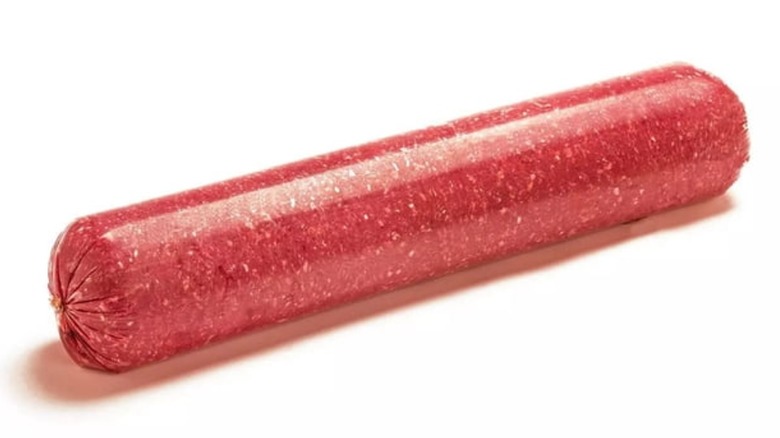
Beef may have been surpassed by chicken as the most popular United States meat in 2010, but it remains a popular choice, with the USDA estimating the average American will eat nearly 60 pounds in 2026. It's not surprising that ground beef is the most ubiquitous type of beef at grocery stores and butcher shops. The combination of its high protein and nutrient contents, along with its versatility, and the fact that it's easy enough for a novice cook to work with, make ground beef a great pick for everything from flavorful one-pan dinners to pasta sauce to burgers.
However, we suggest staying away from the Member's Mark 80/20 Ground Chuck Roll. Customer reviews suggest that the quality is inconsistent at best. Some say it's great, while others note a higher-than-specified fat content, lack of flavor, and an odd texture that doesn't feel like real meat. One reviewer claims that, when they took their 10-pound roll of beef home to portion it out and freeze it, they noticed they only ended up with 9 pounds of meat. At the very least, it appears you don't know what you're getting from trip to trip.
That could be forgivable if the price was right — but it's not. At $5.56 per pound, 80/20 beef is actually more expensive than smaller quantities of beef at other grocers and department stores, to say nothing of fellow warehouse clubs. If you're going to buy ground beef at Sam's Club, go with the 90/10 beef instead. It's only 30 cents more per pound for a much leaner, tastier meat.
Member's Mark Boneless Center Cut Pork Loin Chops
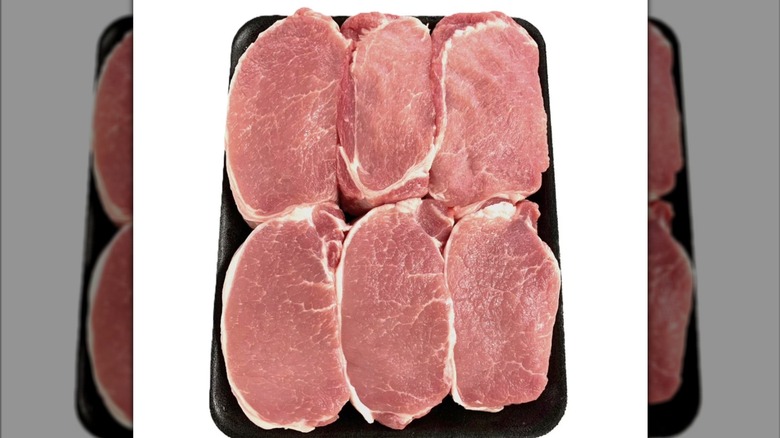
Center-cut pork chops, or New York pork chops, are essentially the T-bone steak of "the other white meat." Cut from the back loin area of the pig with a bone separating the loin and tenderloin, center-cut chops can be demanding to get right because the two sections cook at different speeds, but they have good flavor and leanness. With beef considerably more expensive than pork, center-cut chops are often a more affordable way to enjoy a premium cut of meat.
Except, that is, if you buy them from Sam's Club. The Member's Mark boneless center-cut chops are $2.98 per pound at everyday pricing. That's basically identical to large packs at some good grocery stores. Not only that, but smaller grocery packs are sometimes even cheaper per pound when on sale if you're willing to time your pork chop nights.
The reviews are pretty good with a customer score of 4.7/5 stars, though a few people took issue, alleging a tough texture and lack of flavor. If you're already going to Sam's Club to buy other items, these pork chops might be worth taking a flyer. Overall, though, it's hard to justify a standalone trip given what Sam's Club charges and the cooking challenges.
Member's Mark Grass-Fed Beef New York Strip Steak
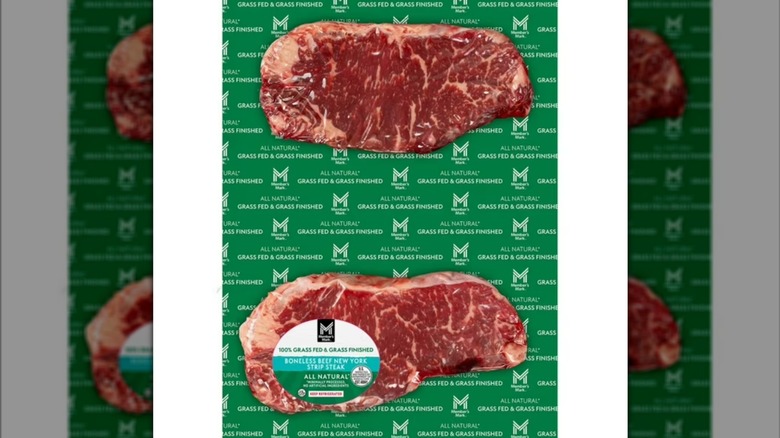
New York strip steak (or Kansas City strip, as some know it) is a frequently sought-out steak cut. It's the larger section of a T-bone steak that has been separated, aka stripped away, from the tenderloin. This steak is known for having an ideal balance of firmness, tenderness, and juicy flavor. All that comes at a high price, of course, which is why people are often tempted to seek out discounted strip steaks such as those at warehouse clubs like Sam's Club.
We wouldn't recommend it, though. For starters, this grass-fed NY strip steak is one of the lowest-rated Sam's Club beef products by customers. Over 20% of respondents give it three stars or less, with complaints that include excess gristle, lack of flavor, a tough texture, and an off-putting taste. The steak doesn't have a USDA grade, either, because it's imported from Australia — so who knows what standards it's being measured against.
Then there's the reality that, despite the hype, the benefits of eating more expensive grass-fed beef remain murky at best. Healthline goes as far to say, "There is currently no compelling evidence that it's significantly healthier than grain-fed beef in the context of a balanced diet." When you add that the non-imported regular strip steak is cheaper and better rated, the choice becomes clear.
Member's Mark Bone-In Oven Roasted Chicken Wings, Frozen
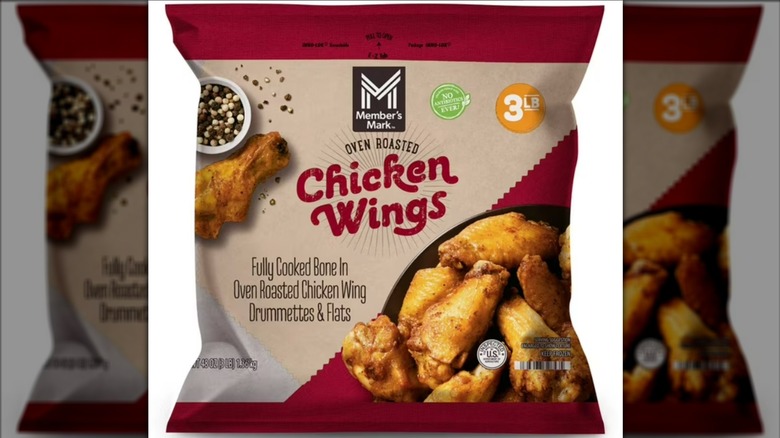
Over the decades, chicken wings have risen from a regional Southern treat to the food of football parties and tailgates nationwide. Whether as hot and spicy buffalo wings, barbecue wings, dry rub, or another Super Bowl-ready wing recipe, they're seen everywhere, being offered at wing-specific restaurants, sports bars, and fast-food joints alike. Many people like to make them at home as well, for their next big gathering or whenever they feel the craving.
That said, we wouldn't start with these wings. We don't have anything against pre-frozen wings per say, but oven-roasting them first seems like an excessive step, especially if you were planning to reheat them in the oven anyway. It's also a step that jacks up the price to almost $5 per pound. You can buy the same size bag of frozen chicken wings at a grocery store for way less, then roast them yourself in a regular or convection oven.
Plus, customers are savaging the wings in Sam's Club reviews. Several reviewers decried how salty the wings were. Others noted an old-meat taste and said the skin was too fatty to ever get crispy. Suffice it to say that even if you're on a strict budget, there are better wing options, whether at Sam's Club or elsewhere.
Member's Mark Restaurant Style Bacon
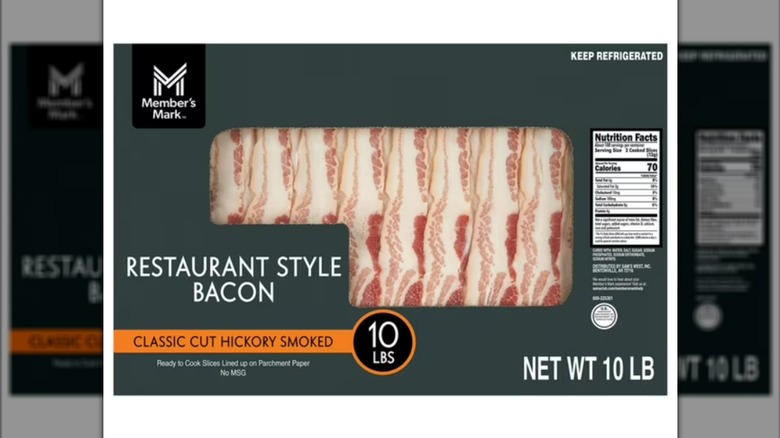
Bacon is big business with a global market size of over $75 billion (via Fortune Business Insights). This smoked and salt-cured meat may not be the healthiest meat around, but it tastes amazing and is versatile. We're sure that bacon fans will be seduced by this 10-pound box of regular-cut bacon for their breakfasts, brunches, BLTs, and baked beans.
You might want to think twice, though. On the surface, you can't complain about the price of $3.99 per pound — but it may be a case of getting what you pay for. People who purchased Member's Mark bacon say it's sliced too thin, comes in very non-uniform pieces, and is hard to separate without shredding. The bacon also has very inconsistent meat-to-fat ratios and a tendency to stick to the parchment paper. "Absolutely disgusting!" is the comment that sticks with us.
Furthermore, one customer alleges that their "10-pound" box contained just over 6 pounds of bacon. If that's the case, you're actually paying more per pound than what grocery stores charge. Consider getting the Member's Mark Naturally Hickory Smoked Bacon instead. It costs a bit more per pound, but is more highly rated and divided into three 1-pound packages for convenience.
Member's Mark USDA Choice Angus Beef Eye of Round Roast
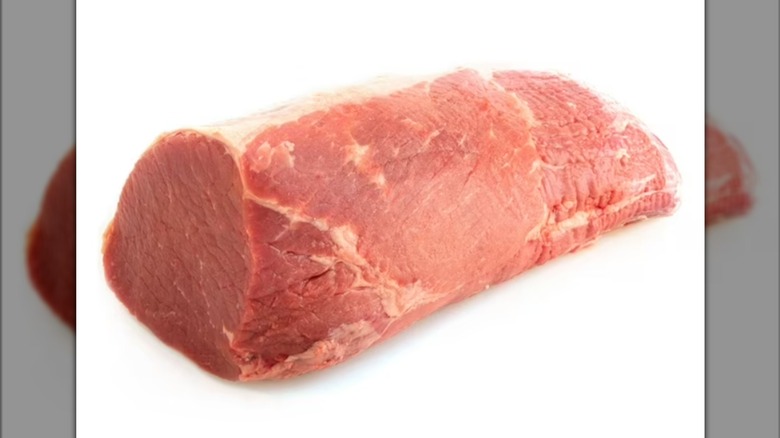
Commonly used for pot roast, marinades, beef Wellington pies, and the sliced roast beef you purchase from your grocery deli, eye of round roast is a versatile meat. Taken from a cow's hindquarters, it's known for being inexpensive and very lean. This makes it intriguing for more health-conscious beef eaters, but tricky to get right — a cut that's built for those with plenty of kitchen patience, that is. Chances are you'll be intimidated by this large round roast from Sam's Club.
It seems good at first, with a high rating of 4.7/5 stars, a USDA Choice designation, and a good price per pound compared to non-warehouse options. The problem is that the average Member's Mark eye of round roast weighs nearly 5 pounds. Based on some online recipes, even a 3-pound roast takes between 2.5 and three hours to properly cook. A 5-pound roast needs even more time to ensure the center reaches the proper temperature.
With that long a time window, it's far too easy to forget about the roast and end up with a tough, overdone mess. On that note, some customers say the meat is very tough — "Like eating old shoe leather." We'd rather stick with a smaller roast that takes less time and allows for more control over the cooking process.
Nathan's Grass-Fed Skinless Beef Franks
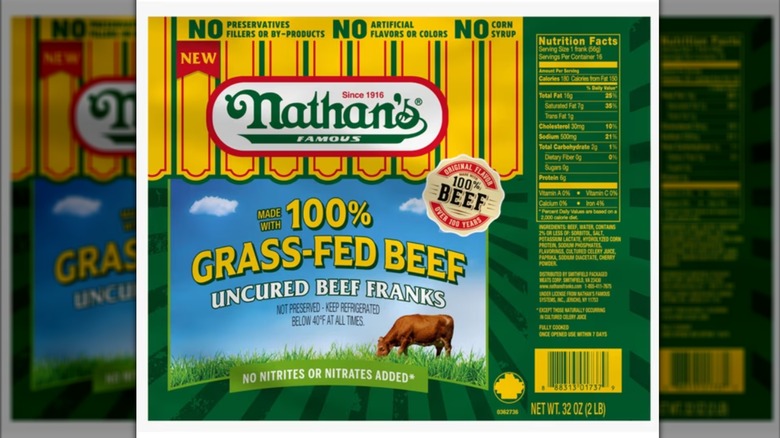
Between cooking at home, restaurants, street vendors, and the ubiquitous baseball game franks, Americans eat about 20 billion hot dogs per year, or 70 per person, according to the National Hot Dog and Sausage Council. Obviously, they're a popular form of meat. In addition, Nathan's Famous is considered one of the most reputable hot dog brands, growing from a single Coney Island stand in 1916 to a chain of locations, prepackaged franks in stores anywhere, and the world's biggest hot dog eating contest.
So, what could possibly be wrong with buying these Nathan's Famous hot dogs at Sam's Club? It comes down to what you're promised versus what you get. We've already discussed that the health benefits of grass-fed beef are debatable, and the same goes for "uncured" hot dogs. The reality is that these hot dogs are cured — just with naturally-occurring substances such as celery juice rather than synthetic nitrites. However, your body still often converts nonsynthetic nitrites to the same nitrosamines as it does with the synthetic versions.
When you add it all up, the $11.84 price tag for 16 all-beef hot dogs means you're paying a premium to not get much extra beyond a fancy label. You're better off buying a 24-pack of Ball Park beef franks at Sam's Club for $10.98 — or, if you prefer the taste of Nathan's Famous, getting them at the grocery store whenever they're on sale.
Member's Mark 75/25 Seasoned Ground Beef Patties, Frozen
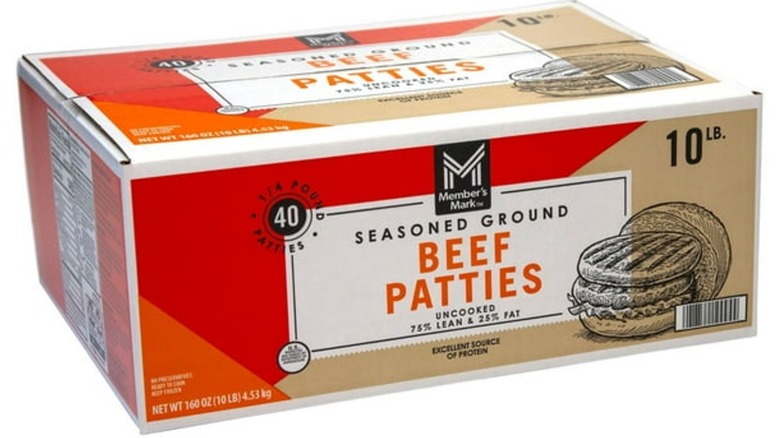
Frozen beef burger patties are a convenient way to cook or grill, and there are benefits to using them instead of fresh beef. Flash-frozen burgers often remain juicier and retain their flavor for longer, are less likely to be overcooked, are more time-efficient, and will keep for months in the freezer rather than a few days. It's also huge for food safety, as proper freezing prevents the growth of potentially harmful bacteria.
You still want to enjoy a good burger, though, and you're unlikely to get that from these pre-made hamburger patties. Having a box of 40 is great for feeding people at neighborhood picnics, but that's about it. Sam's Club and Member's Mark use 75/25 beef — in other words, 75% lean and 25% fat. This ratio is higher in fat than 80/20, which is considered the gold standard for burger patties.
In other words, expect a greasy burger with a lot of liquid loss and shrinkage as it cooks. One reviewer said they had to empty the drip tray on their George Foreman Grill before just two burgers were done cooking! Plus, the price isn't even very good, as other stores sell higher-quality beef patties for the same or less per pound. Sam's Club also has 80/20 and 85/15 beef patties, so pay a little extra and get those — your grill and taste buds will thank you.
Real Good Foods Lightly Breaded Chicken Breast Chunks, Frozen
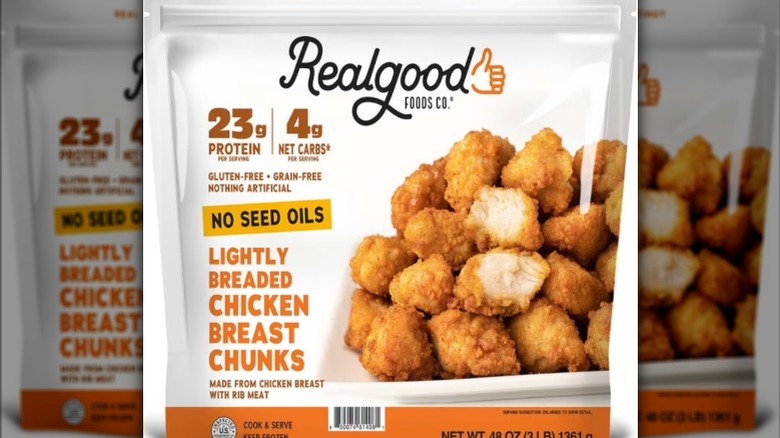
Chicken chunks and bites — popularized as "boneless wings" — are what we like to think of as the adult version of chicken nuggets. Rather than grinding up meat and chicken parts that are then reformed and battered, bites are made by cutting up whole chicken breasts or thighs. The result is a leaner product with fewer preservatives and less chance of nerves, tendons, or other random bits mixed in.
That said, chicken bites can vary widely in quality and value, and these frozen bites from Real Good Foods are a perfect example. Bad texture is a frequently cited problem, with the amount of gristle making it hard to chew. The chickpea flour breading is also cited as much thicker than advertised and prone to falling off the chicken. Finally, lack of taste is an issue. One reviewer had this to say about the product: "The meat is gummy and feels like a fraken-food (sic) rather than a piece of chicken."
Such feedback is common for Real Good Foods, with customers on other platforms like TrustPilot offering similar criticisms. We certainly don't feel like spending nearly $6 a pound on an item that is polarizing at best. This is one case where the Member's Mark house brand is the preferred option, with multiple chicken bite products at Sam's Club that are cheaper and have better reviews.
Member's Mark Rotisserie Baby Back Ribs
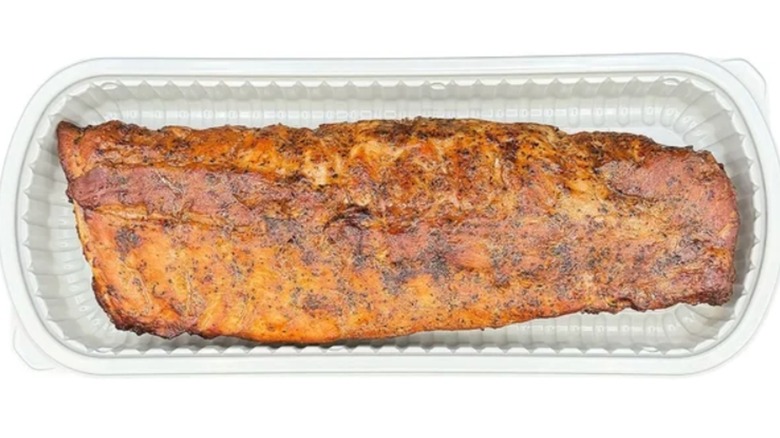
Baby back ribs are a staple of serious barbecue joints and all-day backyard gatherings. Taken from the top and center of the pork loin, these small and lean ribs are a low-and-slow cooker's dream. When properly oven-roasted, grilled, or smoked, good baby back ribs will deliver excellent flavor and fall-off-the-bone tenderness. That said, because it can take 4 to 5 hours to cook a rack of these ribs, the idea of reheating pre-cooked ribs is an attractive option for convenience.
That's what Sam's Club offers with its private label baby back ribs that are cooked rotisserie style. It sounds appealing, but we're here to say that they're a hard pass. It takes a lot for a food item to only be rated 3.4/5 stars at Sam's Club, but these ribs pull off the ignominious feat. Over 20% of reviewers give them one star, with grievances including they're over-seasoned, overly salty, and over-cooked. Someone described the ribs as being so dry that they crumble when you try to slice them.
Based on the reviews, these dry-rub rotisserie ribs are a replacement for the previously offered baby back ribs that were covered in BBQ sauce — and the consensus is that people want the sauced ribs back, pronto. Until then, the current ribs appear to live up to the adage, "If it's cheap and fast, it won't be good."