

Why Beef Prices Are Continuing To Skyrocket In 2026
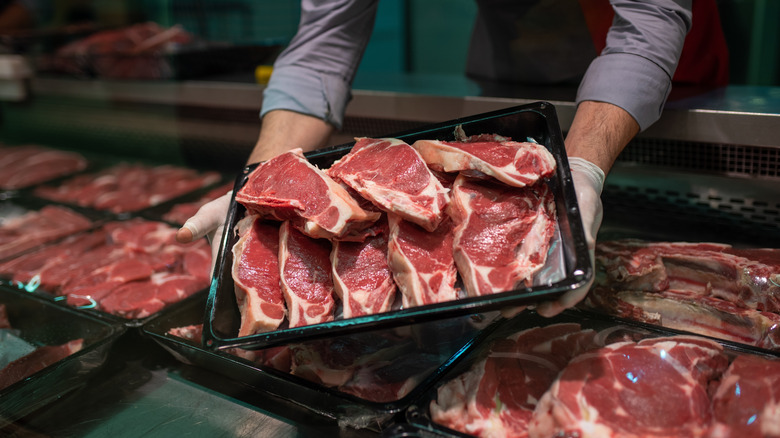
The price of beef is going up. Whether you notice the prices going up at Texas Roadhouse or at the grocery store, it's hard to deny that beef is expensive now. The increase has been steep for a while now (we were even talking about beef prices going up early last year), and relief looks unlikely through the rest of 2026. The answer to why this is happening is: It's complicated.
At the start of this year, the USDA reported that there were 86.2 million head of cattle and calves, the lowest since 1951. The drop is due to a variety of reasons: climate change is causing droughts to become more common and severe, costs such as fuel and feed are becoming more expensive, and consolidation in the meatpacking industry is leading to cattle ranchers getting paid less per head, while the lack of competition allows meatpackers to charge consumers more. Unfortunately, instead of relief in sight over the horizon, more drought and the New World screwworm (a potentially fatal parasite affecting livestock) threaten to push prices even higher.
The impact of the New World screwworm and how it got here
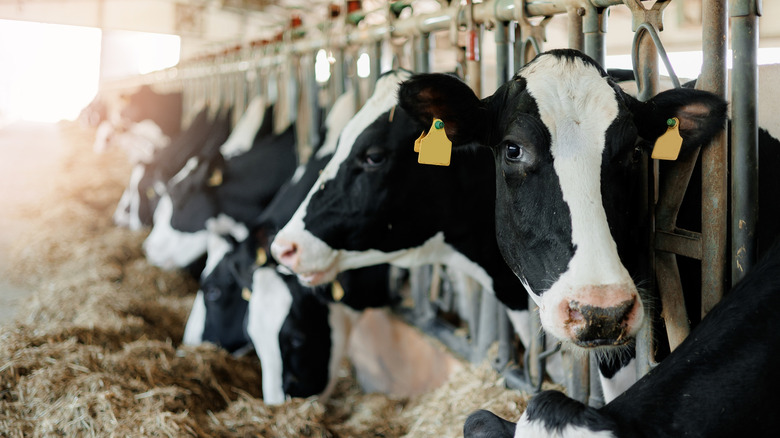
The larvae of the New World screwworm is unique in that they eat live flesh. Infestations can be deadly to cattle herds. The screwworm hasn't been seen in Texas since 1966 thanks to a government program started in the 1950s. The effort pushed the pests down to the Darien Gap in Panama, and — thanks to a program studying the sex lives of these flies and releasing sterilized males — they stayed there.
In 2022, due to a combination of COVID-related supply-chain breakdowns, changing weather conditions, and an increase in human and animal migration through the Darien Gap, the fly broke through. The Biden administration shut down the border for live animal trade in November 2024 after the fly was detected in southern Mexico. The Trump administration reopened the border in February of 2025 after an inspection program for the larva was put in place.
Unfortunately, days before the border reopened, the government cut funding rather than increasing efforts to push the fly back south. According to the New York Times, over 1,300 workers in the Agriculture Department's Animal and Plant Health Inspection Service took buyouts in the Trump administration's federal workforce reductions. Agri-Pulse, an industry specific newsletter, reported that screwworm-specific programs were among those cut. New facilities to release sterile flies are coming back online, but the impact will take time. In the interim, cattle herd quarantines may be necessary. Until the screwworm is contained and herd numbers recover, expect beef prices to continue to increase — in the meantime, our guide to saving money at the meat counter is worth a look.