

These 10 Home Depot Fruit Trees Will Bring New Life To Your Garden
We may receive a commission on purchases made from links.
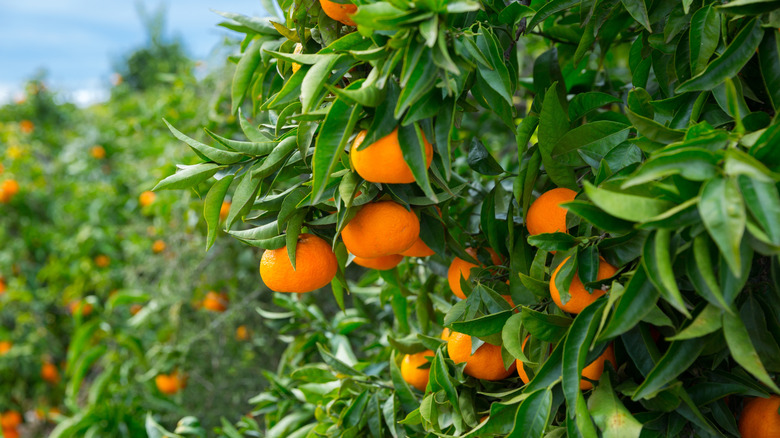
Spring is here, and summer is around the corner, so it's time to spruce up that garden. Fruit trees can give your garden a glow-up, transforming it from a boring backyard into a citrus grove in Italy, a tropical paradise, or a Grecian-esque landscape. Home Depot offers nearly every fruit tree you can imagine, from apples and peaches to unique varieties like pacas coffee and soursop.
Fruit trees can work well in pots on patios or planted in the ground. Before planting, it's important to consider your climate and growing zone, as some trees should be planted in the fall. The USDA has a plant hardiness guide based on where you live, so you know which fruit trees will thrive. You can shop on Home Depot's site by zone for plants that are disease-resistant, drought-tolerant, fast-growing, and by mature height.
Home Depot offers several varieties in-store and the full selection online. Selection will vary by region and season. The hardware chain's prices for fruit trees range from $17 to over $200. Since it works with third-party nurseries for plants and trees, there are shipping restrictions in certain states, such as Arizona and California, for specific fruit trees.
Banana
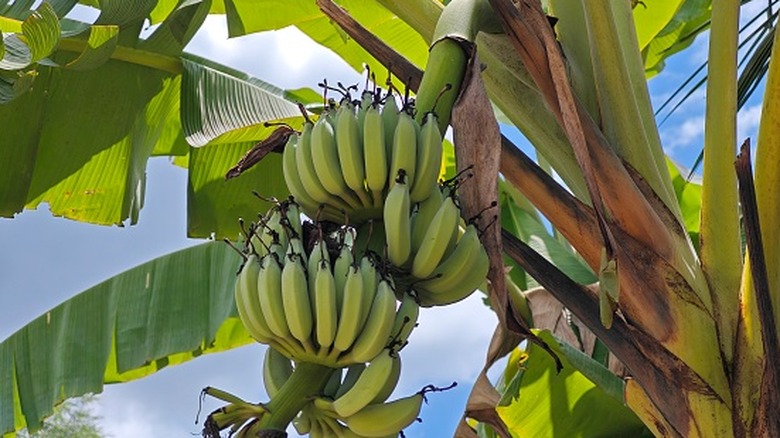
Add a tropical flair to your garden by planting banana trees. Dwarf varieties are the easiest, tolerate colder climates the best, and don't grow nearly as tall as others. They still produce fruit as long as you water consistently, plant them where they can get six to eight hours of sun, and protect them from wind damage. Plant in late spring or early summer. Dwarf banana trees will produce fruit in about nine to 15 months.
Apple
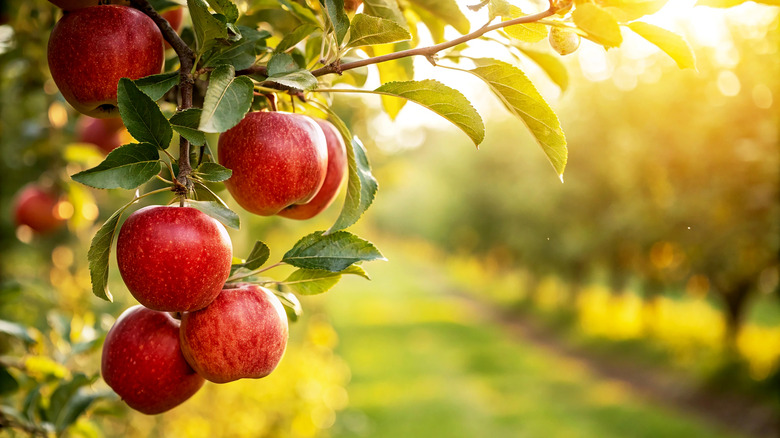
Apple trees are a classic to plant in the fall, and you won't have to compete with thousands of influencers picking them at an orchard. Honeycrisp or Golden Delicious apples are best because they can grow in extremely cold winters, so they thrive in multiple zones. You won't see any fruit until about three to six years in, but you will have beautiful, pale pink flowers when it blossoms. Opt for Dwarf varieties if you don't have a lot of space, as they stay around eight to 10 feet tall. They need up to eight hours of direct sunlight and two inches of water per week.
Cherry
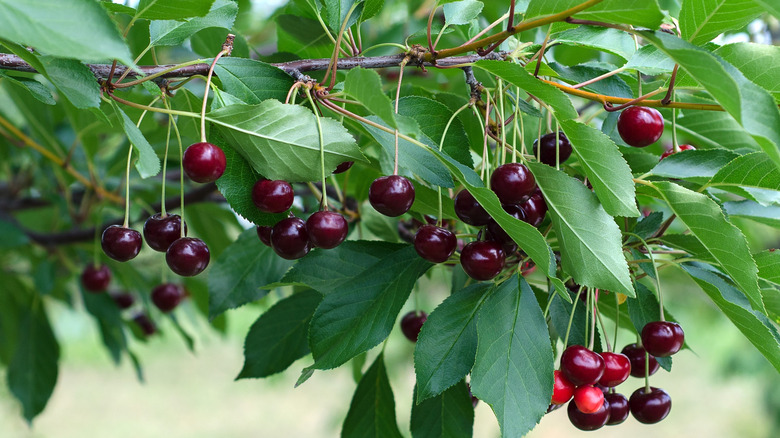
Another fruit prime for fall planting, cherries take a while to appear, but their blossoms are a showstopper, and trees can produce up to 50 quarts of cherries per year. The Lapin variety is a good choice as it's self-pollinating, so you only need to plant one to grow fruit. This kind produces dark red cherries, known for their sweetness. You will have to wait until the fourth year for it to bear fruit for this type. Sour cherries only need three to five years, and if your sapling is large enough, you could be enjoying fresh cherries the following summer. Cherry trees need at least six hours of sunlight and need to be watered every seven to 10 days. Dwarf varieties are better for smaller gardens, as regular cherry trees can grow up to 40 feet tall. Still, plant Dwarf cherry trees 5 to 10 feet apart for optimal growth. You also need wildlife-safe netting to protect the fruit from birds.
Peach
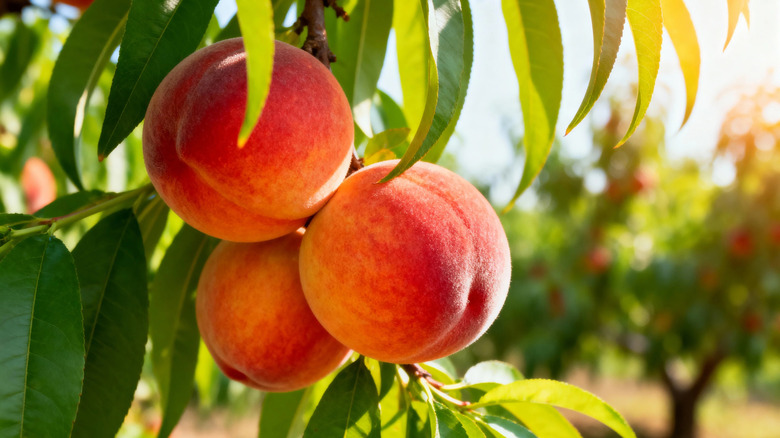
Summer and peaches are a match made in heaven, and you can be enjoying them in no time, as peaches are one of the fastest-growing fruit trees out there. They thrive in most zones and can survive the chillier temperatures if you plant them early enough. Plant them in late winter or early spring, ensure they get plenty of sun, and prune when they aren't actively growing. Dwarf peach trees are great if you don't have much garden space, as they only reach six feet tall. You will see fruit in two to four years.
Meyer Lemon
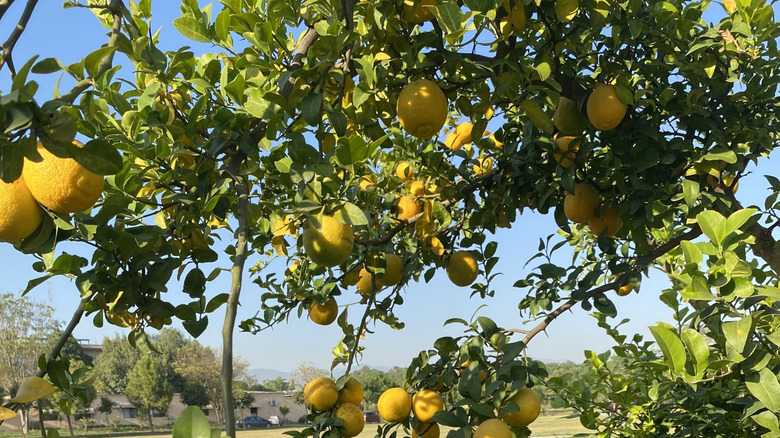
Transport your garden to Tuscany by planting a lemon tree. The Meyer lemon is a popular choice, as the lemons are a bit sweeter and juicier. They grow best in hardiness zones 9 to 11, but ensure you protect them from cold snaps with frost blankets. Wait for the last spring frost before planting. This citrus tree needs at least six hours of sun and well-draining, acidic soil. Buying them from Home Depot, where most are sold as grafted rootstock, allows you to see fruit sooner, in about three years. The chain's Dwarf varieties arrive anywhere from 15 to 25 inches tall. In spring, lemon trees sprout scented white flowers, which attract hummingbirds and butterflies, and are evergreen, so you will have foliage year-round.
Persian Lime
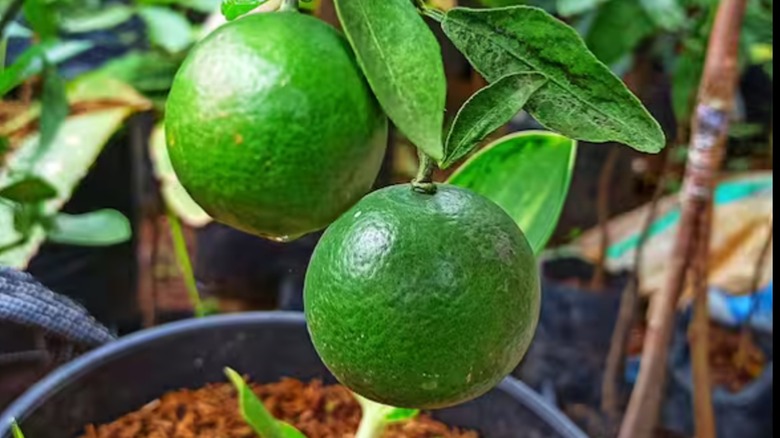
Like bananas, Persian limes can also add a bit of exotic flair to your garden. These self-pollinating fruits provide fruit within the first year, so you can quickly enjoy them in your cocktails or grilled dishes. Persian lime trees thrive in zones 4 to 11, are drought-tolerant, and pest-resistant. Plant in early spring after the last frost. Dwarf varieties mature anywhere from four to six feet tall, so these citrus trees are perfect for patios. You can grow them in containers, and they will produce fruit year-round as long as they get eight hours of sunlight and plenty of water.
Apricot
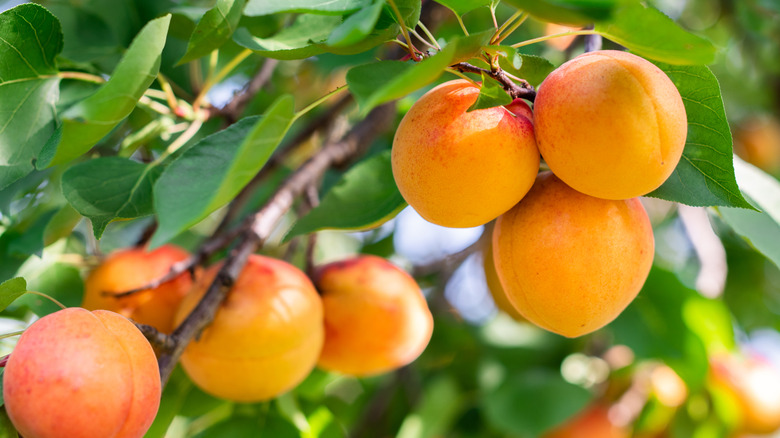
Apricots can add a beautiful pop of color to your garden, with tasty, sweet benefits. Most stone fruits thrive in hardiness zone 5, but Home Depot sells the Blenheim apricot, which does well in zones 4 to 9. It's also considered one of the best varieties. Plant in fall or spring, and be patient, as apricot trees can take three years to produce fruit. A standard apricot tree can grow about 12-16 feet tall.
Plum
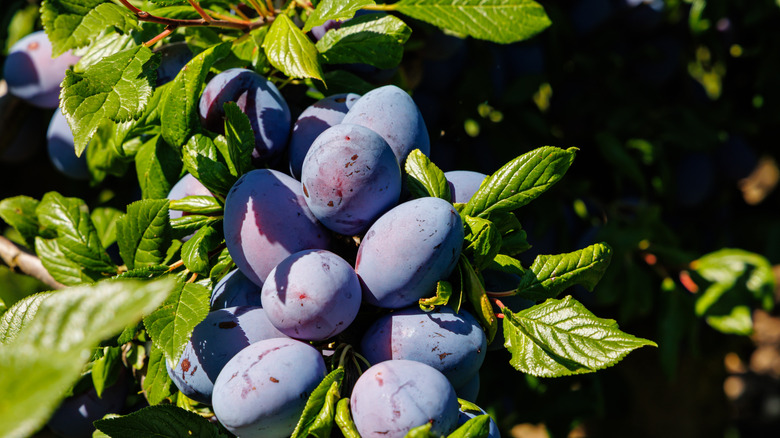
Plum trees are generous in fruit, flower early, and you can make so many things from their delicious fruit. Plant plum trees in late winter and early spring, about 15-20 feet apart. They thrive in full sun, and ensure you water heavily every week during the first growing season. They attract pollinators in spring with their fragrant blossoms and produce fruit in fall and summer. Like apricots, you will need patience with this one, too, as plum trees take at least three years to produce fruit.
Pawpaw
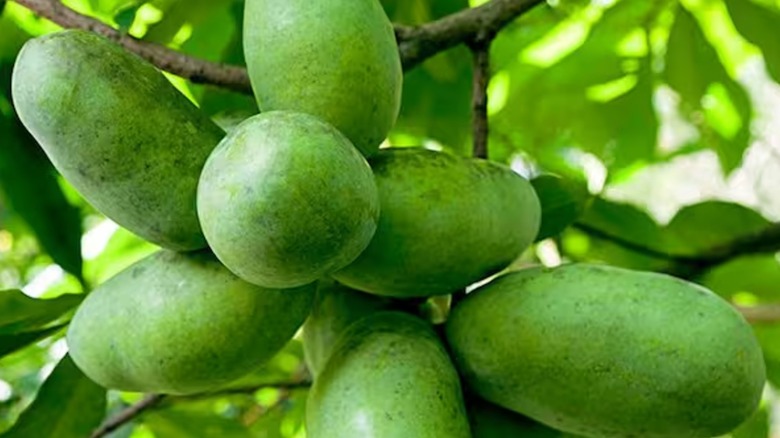
It may sound like the nickname for your grandfather, but paw paws are actually edible fruit trees. This unique-looking fruit can add tropical vibes to your garden and tastes like a cross between a banana and a mango. While it thrives in zones 5-8, it does need shade from the harsh sun during the first few growing seasons. Pawpaw trees require cross-pollination with another pawpaw tree, so plant at least two. Plant them in early spring, and ensure you have plenty of space. When pawpaws are ripe, they fall from the tree and get mushy, so pick them when they're almost ripe. Ripe pawpaws only last about three days, but they're very versatile. You can eat the custardy flesh right after you pluck it, blend it up for a cocktail, or layer it into your banana pudding. You can enjoy dark crimson blossoms in spring, and pawpaws appear in the fall.
Olive
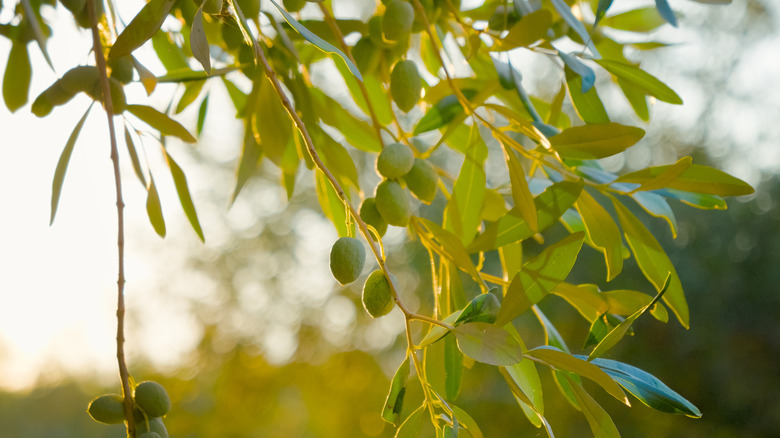
Add a little Mediterranean vibe to your backyard or patio with an olive tree. They can be planted in a pot or container from fall to spring and are disease-resistant and drought-tolerant. You can grow olive trees in the ground in zones 8 to 10 and in pots in zones 4 to 7. In a pot, they can grow to be 15 feet tall, but if you have the room, you can see a 30-foot-tall olive beauty flourish. They are low-maintenance and don't require heavy pruning or a ton of water. Plant it in the brightest, sunniest spot, and you will have a tree that lives for hundreds or thousands of years. After it bears fruit in about three years, enjoy it as a brined snack or press it into your own olive oil.