

Transform Your Spring Garden With These 10 Costco Fruit Trees
We may receive a commission on purchases made from links.
With spring getting into full swing, your garden is beginning to wake up from the winter cold. That means it's time to clean the plant beds of dead foliage and weeds, test the soil for proper nutrients, lay fresh fertilizer and mulch, and shop for new plants to add. If you didn't already plant fruit trees in your backyard during the fall, you can introduce several types during the spring instead. The best part is that you can order several citrus fruit tree varieties from Costco.
Whether you're looking for lemons, limes, mandarins, or oranges, Costco has multiple types of each. You can even get fruit trees that are less commonly seen in backyards — like grapefruit and pomelo — from the warehouse club. It's important to note that, for this list, Daily Meal focused on the saplings that customers rated 4 stars or higher.
Only available online, all of these citrus fruit trees can be grown in any outdoor space, and most of them can thrive in planters on balconies and patios. Just don't forget to consider the Hardiness Zone in which you live before you place your order. While many of these can thrive in the same zones, the specifics vary slightly from tree to tree. Also, keep in mind that Costco ships tree saplings to most U.S. states, but there are some exclusions (often Alaska, Arizona, Hawaii, Florida, and Texas).
Mexican Key lime
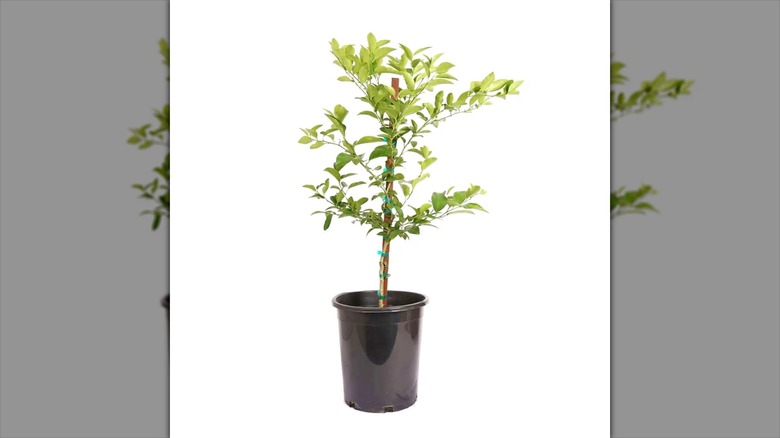
Thriving in Hardiness Zones 9 to 11, the Mexican Key lime (or simply Key lime) gets its name from being commercially cultivated in the Florida Keys during the 19th century. The semi-dwarf variety at Costco grows up to 12 feet tall and wide. Although peak harvest season is late summer to early fall, these trees can produce yellow-green fruit all year when conditions are optimal. Key limes are different from regular limes in a few ways. Most notably, they're seedier, smaller, less acidic and tart, and more aromatic than the typical grocery store lime.
Alder & Oak Shiranui mandarin
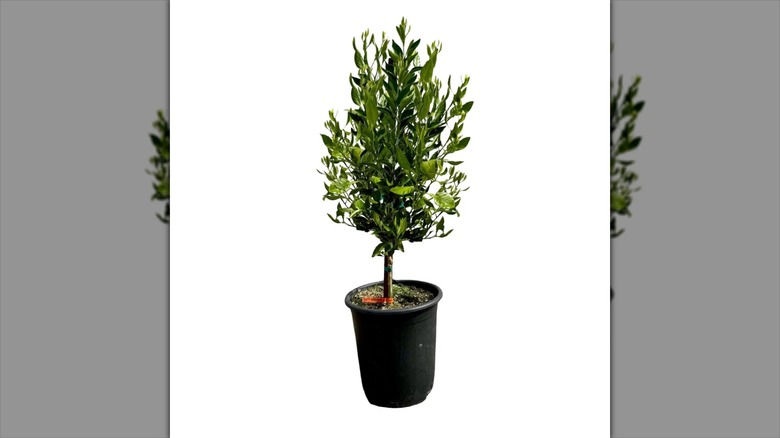
The Shiranui mandarin is more cold-hardy compared to other citrus fruits and can thrive in Hardiness Zones 8 to 11. They are known as "Dekopon" in Japan and are a very sweet hybrid of the Kiyomi tangor (a mandarin-orange hybrid) and Ponkan tangerine. The semi-dwarf trees at Costco can reach up to 15 feet tall and wide and produce deep orange fruit in the winter with a four-month hang time.
Alder & Oak Improved Meyer lemon
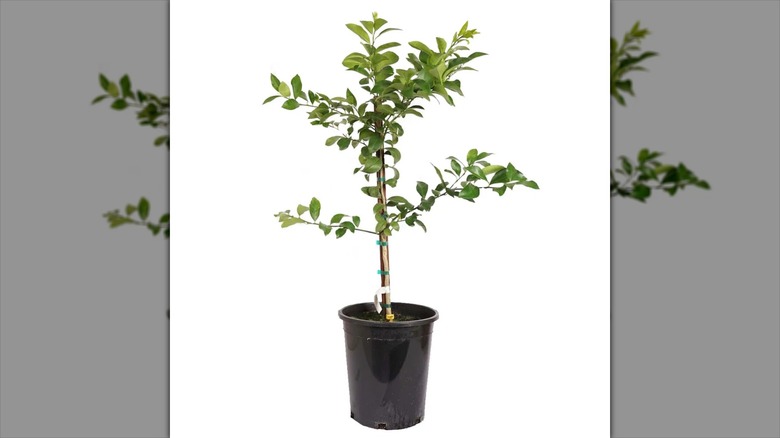
Among the more than a dozen lemon varieties, the Improved Meyer lemon tree grows in Hardiness Zones 9 and 10. The original Meyer lemon tree was susceptible to viruses, but since the 1970s, this species has become the only variation available. Maturing up to 15 feet tall and wide, the standard-size trees at Costco produce some of the sweetest orange-yellow lemons. The harvest period can vary slightly — fall to early spring — but sporadic fruit can ripen year-round. In the meantime, the blush and white flowers can attract butterflies and hummingbirds to your garden.
Alder & Oak Owari Satsuma mandarin
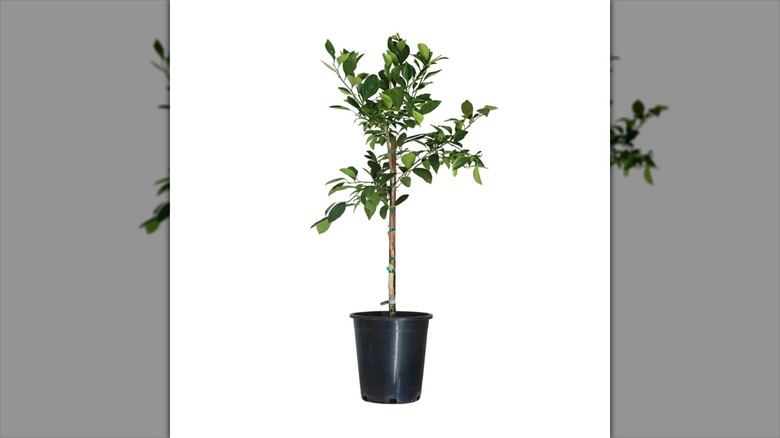
Among the most common of the Satsuma mandarins available in the United States, the Owari Satsuma mandarin is a very productive but slow-growing citrus cultivar. Satsuma mandarins are unique because they're naturally seedless with a juicy and mild-flavored, bright orange flesh. From Costco, the semi-dwarf trees grow up to 15 feet tall and wide in Hardiness Zones 8 to 11. The fruit doesn't hang for long during peak harvest season (fall to early winter, depending on the climate), so you need to pick them promptly after maturity. Fortunately, they're known to store well afterward.
Alder & Oak Bearss lime
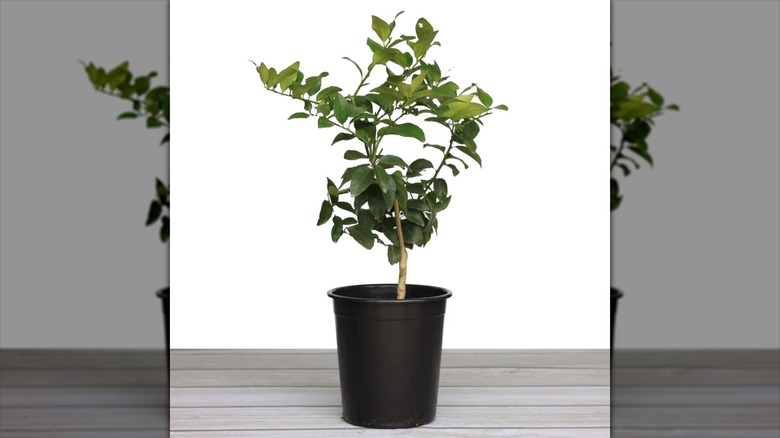
Hardier than their Mexican lime counterpart, Bearss lime trees can grow in Hardiness Zones 9 to 11. They have very few thorns and bloom in the summer with white flowers. Also known as Persian or Tahiti limes, these citrus trees grow pretty quickly. The standard Bearss lime tree available at Costco can reach 25 feet tall and wide, so you should plant it in the ground if you want it to mature to its full potential. During the mid-summer to early winter harvest season, the fruits will have a light-yellow rind and naturally fall from the tree with an acidic, tart, and seedless pale flesh.
Alder & Oak Washington navel orange
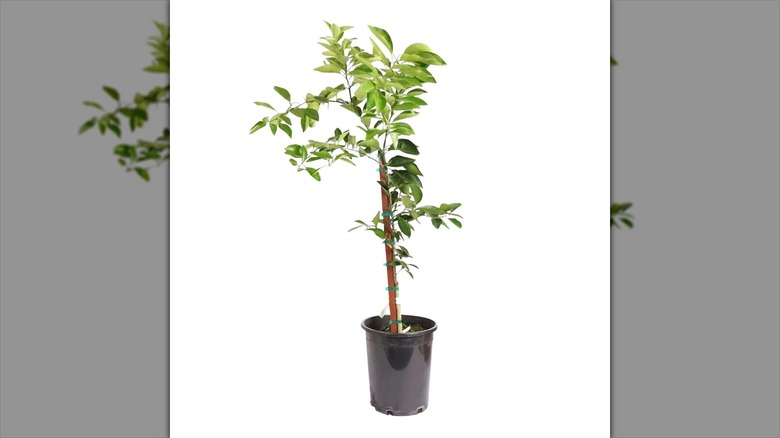
Likely originating from Bahia, Brazil, the Washington navel orange tree requires a specific climate and is sensitive to heat, thriving best in Hardiness Zones 9 and 10. This citrus cultivar doesn't grow particularly fast, but Costco's semi-dwarf variety can eventually stand 15 feet high and wide. At maturity, the tree produces completely seedless fruits — a result of the white flowers lacking viable pollen — that can be harvested in fall and winter. The fruits, which can hang for several months and store well after picking, have protrusions at the apex called navels, which are actually secondary fruits.
Alder & Oak Cara Cara orange
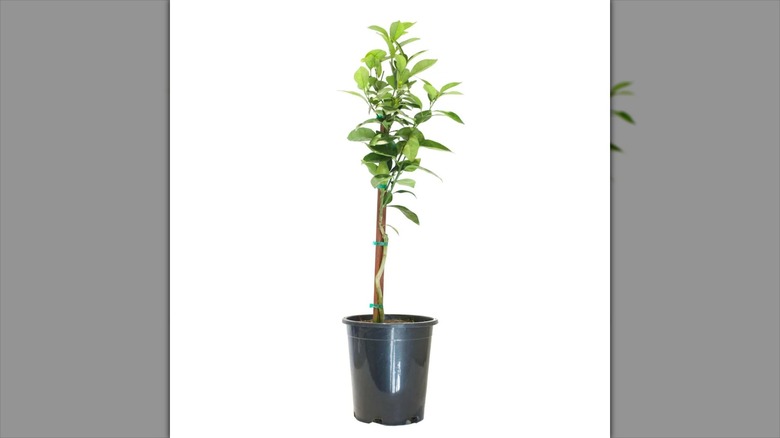
The Cara Cara orange might be one of the citrus fruits you haven't heard of, but it's a mutation of the Washington navel orange that has been around since at least 1976. Growing up to 15 feet tall and wide, the semi-dwarf trees you can order from Costco thrive in Hardiness Zones 8 to 11. They produce fragrant, white flowers in the spring and typical-looking oranges during the mid-winter harvest season, which is shorter than that of many other citrus fruits. On the inside, though, they have a mostly seedless, reddish-pink flesh that's sweeter and less acidic than navels.
Cocktail grapefruit
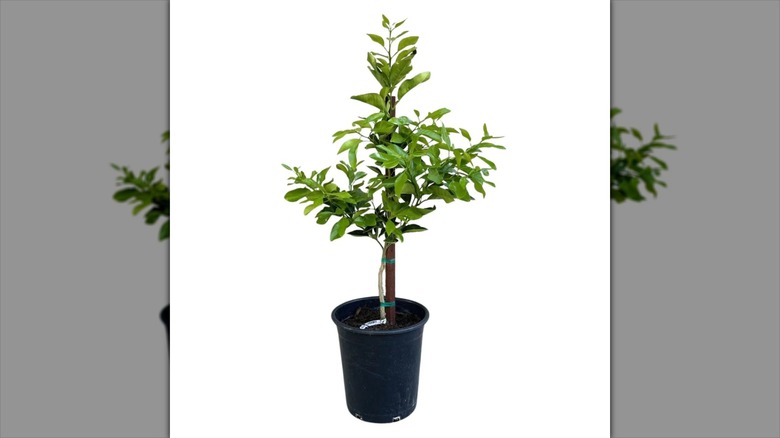
Also called a mandelo, cocktail grapefruit is a hybrid of a Frua mandarin and a Siamese Sweet pomelo (also spelled pummelo). The trees, like the standard size you can get from Costco, grow well in Hardiness Zones 9 and 10, reaching up to 20 feet high and wide. After blooming in spring to summer with white flowers, the tree produces mostly yellow fruit that ripens in winter to spring. The orangish-yellow flesh on the inside is accompanied by lots of seeds, but is juicier and has a milder, sweeter flavor than a traditional grapefruit — perfect for a spicy grapefruit cocktail.
Tahitian pomelo
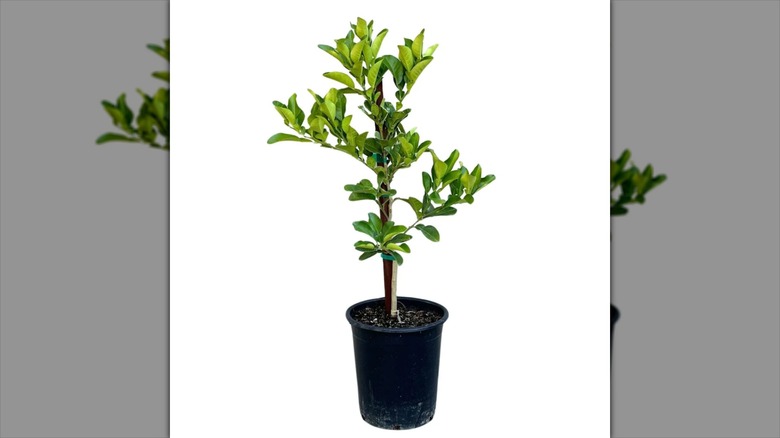
Also known as the Sarawak pummelo or Tahitian green grapefruit, the semi-dwarf Tahitian pomelo trees at Costco prefer the climates of Hardiness Zones 9 to 11. They can mature up to 15 feet tall and wide, and bloom with showy white flowers in the spring and summer. From mid-winter to early spring, the large fruits ripen to have greenish-yellow rinds with round bodies and flat bottoms (very slightly resembling a pear). The yellow-to-green flesh on the inside is aromatic, chewy, and soft, with an unusual flavor that's tart like a lime and sweet like a melon.
Alder & Oak Kishu mandarin
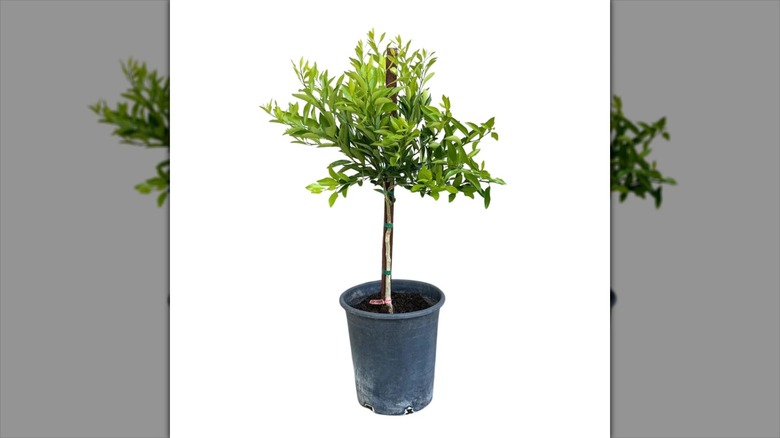
Since they're only commercially grown in a few California and Florida orchards, planting your own Kishu mandarin tree from Costco is a truly special opportunity. Some people wait all year to sink their teeth into its seedless citrus fruits, which are so small that commercial production was originally thought unviable. However, the ease of peeling and extremely sweet, honey-like profile have made them the Trader Joe's winter fruit beloved by Reddit users. A semi-dwarf tree grows up to 15 feet high and wide in Hardiness Zones 8 to 11, blooms with fragrant flowers in spring, and produces ripe harvests in late fall to winter.