

5 Types Of Gatorade And When To Drink Them This Summer
We may receive a commission on purchases made from links.
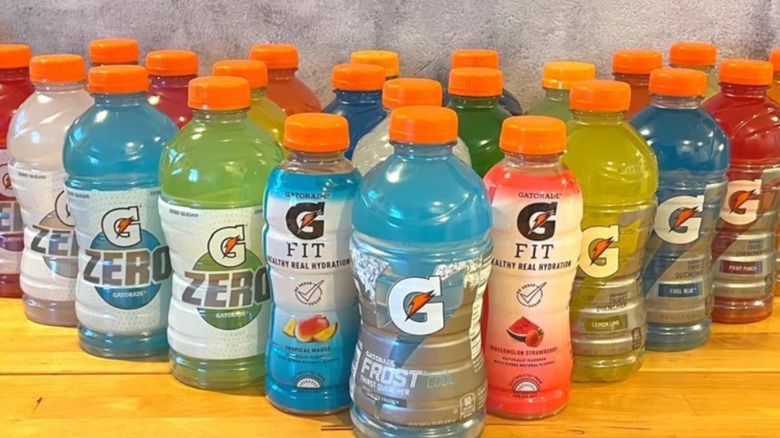
The abundance of sports drinks displayed on supermarket shelves is enough to make the head spin. With so many options, flavors, and varieties to choose from, it can be tricky to figure out which one to select. In this case, playing it safe and sticking to Gatorade, a well-known legacy sports drink brand that still dominates the U.S. market, makes the most sense.
Originally designed to fuel athletes, Gatorade got its start in college football back in 1965 when researchers came up with a solution to boost the performance of the University of Florida football players who were suffering from dehydration during games. Water alone wasn't sufficient, so they developed a beverage that rehydrated the body and replenished those electrolytes and carbohydrates that the footballers were losing via sweating during exercise. This is why the one thing you should know before you drink Gatorade for hydration is that you'll always get the most out of it after a period of high-intensity activity when your body has lost electrolytes (if you haven't been exercising or doing sports, then water is sufficient). Nowadays, Gatorade comes in several flavors — we tasted and ranked 30 Gatorade flavors, and orange took the top spot. Some varieties contain different combos of electrolytes and carbs, too, so we've created a handy guide to help you figure out which ones, and when, to drink this summer.
Opt for Gatorade Thirst Quencher after extended or high intensity exercise
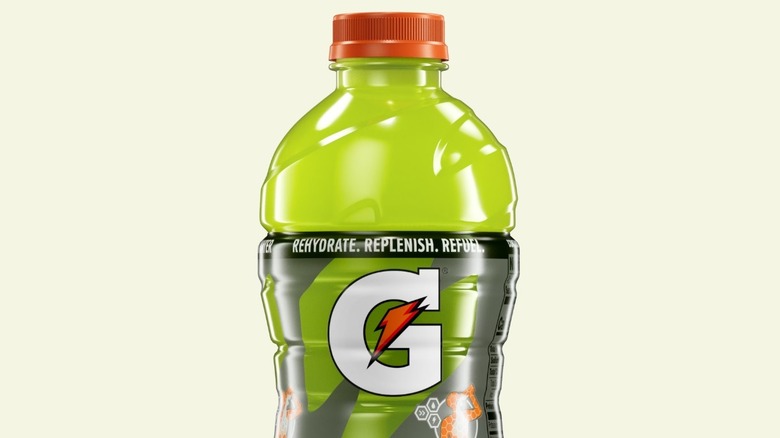
Gatorade Thirst Quencher contains 380 milligrams of sodium per 12-ounce serving. This is one of the key electrolytes that's lost in sweat; however, the total amount of sodium the body loses differs from person to person (it depends on the environment they're in and both the intensity and length of exercise they're performing). An effective amount of sodium in the body supports plasma volume and helps it hold onto fluid better, resulting in improved hydration.
Gatorade Thirst Quencher is also 6% carbohydrate (derived from sugar and dextrose), which provides the body with energy to fuel the muscles and absorb fluid. Therefore, this beverage is ideal for "extended or high-intensity activity when you need electrolytes and carbohydrates to help fuel working muscles," according to the Gatorade website. For instance, this might be during a team sports event that lasts longer than an hour or a lengthy run.
While you can replenish carbs and electrolytes via food, such as leafy greens, nuts, and seeds, it can be more convenient to reload with a quick drink. Plus, Gatorade Thirst Quencher is available in six appealing flavors, including cool blue, fierce grape, fruit punch, glacier freeze, lemon-lime, and orange, which might encourage you to drink more and hydrate well.
G Zero is free from sugar and ideal for shorter workouts
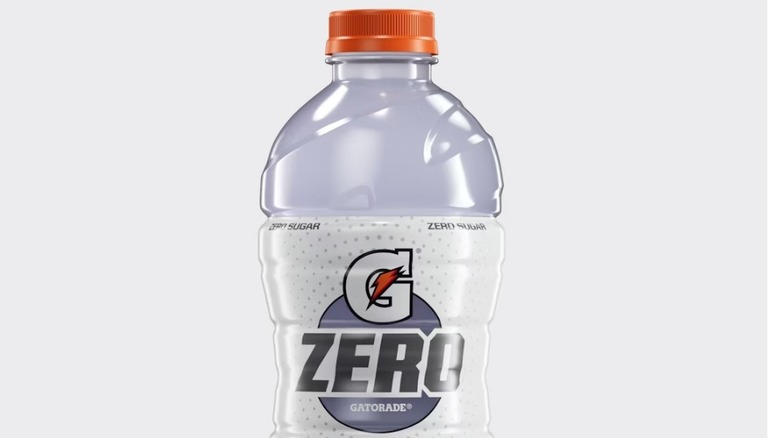
G Zero is formulated for shorter workouts or lighter sessions. It includes the same electrolytes as Gatorade Thirst Quencher (sodium and potassium) but without sugar, and each serving contains 2 grams of carbs. This makes it better for short bursts of exercise or lighter activities where the body doesn't need a surge of extra energy to keep going.
As G Zero doesn't contain sugar, it's a useful option for athletes who are getting that hit of sugar elsewhere in their diet. For instance, some runners and cyclists supplement their workouts with gels or chews, which they can carry along with them in their pockets to provide a quick and compact burst of energy during an intense session. You might also prefer to opt for an energy gel if you're training in a cold environment and don't have a high need for hydration. That way, you can drink the smaller amount required and elevate your electrolytes while controlling your sugar intake separately.
Gatorade has another zero-sugar product called Gatorade Fast Twitch. However, along with the electrolytes, this drink also contains 200 milligrams of caffeine, which boosts focus, power, and performance, making it a useful pre-workout drink. Here's a ranking of six Gatorade Fast Twitch flavors if you reckon you need a caffeinated buzz at your next gym session.
Gatorlyte is ideal for heavy sweat loss and rapid rehydration
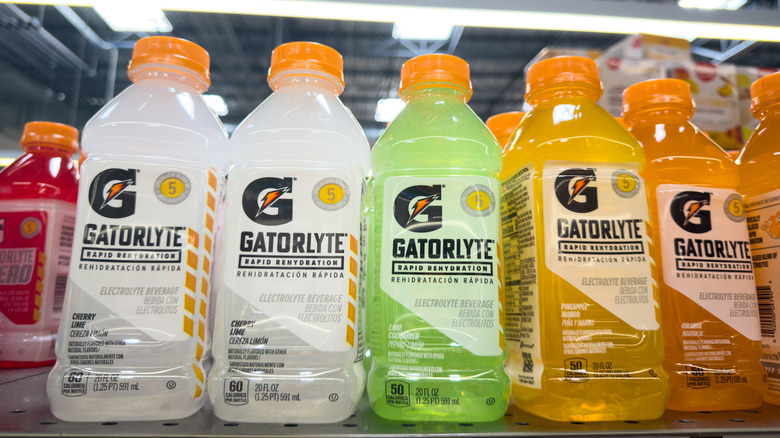
The balance of electrolytes in Gatorlyte is slightly different from Gatorade and Gatorade Zero. Firstly, Gatorlyte contains a specialized five-electrolyte blend combining sodium, potassium, magnesium, chloride, and calcium. The amount of sodium is also much higher at 490 milligrams per 20-ounce serving, which makes this beverage suitable for "heavy sweat loss and rapid rehydration". That said, it can be drunk before, during, or after a workout. It also doesn't contain artificial sweeteners — the 12 grams of sugar per 20-fluid-ounce serving is much lower than other leading sports drinks that can contain over 30 grams.
Gatorlyte is useful for athletes who are prone to cramping, which can be caused by dehydration and an imbalance of electrolytes. Replenishing those electrolytes during intense periods of activity helps the muscles to contract and relax properly, leading to a more effective workout that doesn't have to be cut short. Available in seven flavors, running the gamut from lime-cucumber to watermelon, each serving contains 60 calories (20 calories less than an equal measure of Gatorade Thirst Quencher), so if you like fruity tastes and are prone to sweating heavily, Gatorlyte should be right up your alley.
Gatorlyte Zero is for quick hydration without the sugar
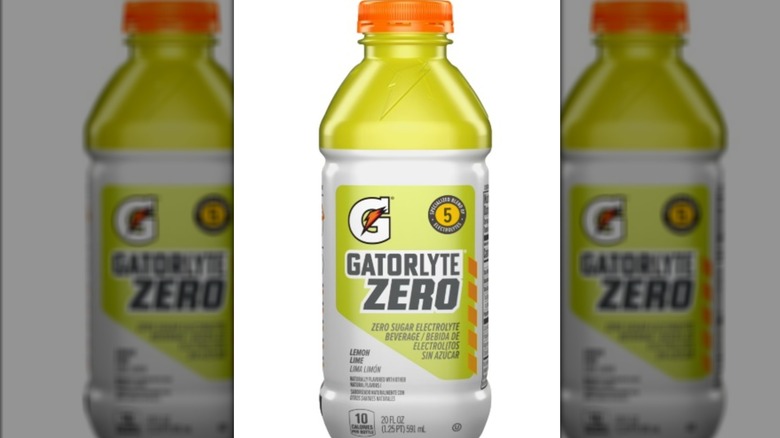
Gatorlyte Zero contains the same blend of five electrolytes as Gatorlyte, but the key difference is a lack of sugar. It contains 0% sugar (hence its name), so it has a much lower carb content (3 grams per 20 fluid ounce bottle), but tastes sweet due to the addition of purified stevia leaf extract. Stevia is a plant-based sweetener that tastes over 200 times sweeter than regular sugar, and doesn't contain carbs or calories.
These features make Gatorlyte Zero suitable for intense sweat sessions that require rapid hydration — due to the elevated electrolytes — but also for those consumers who want to enjoy a sweet flavor without the presence of extra sugar and carbs. As mentioned earlier, a zero-sugar beverage can be useful for those moments when you want the hydration without the extra calories, or prefer to manage your sugar intake separately via gels, chews, or other foods.
Gatorade Water is formulated for everyday hydration
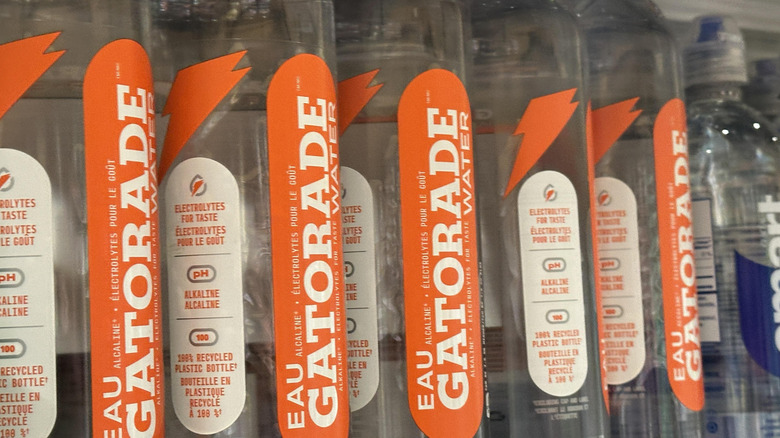
Gatorade Water is designed for everyday hydration rather than specifically formulated for athletic performance, making it ideal for those who prefer getting their slow but steady daily steps in, versus sweating it out on the running track. Billed on the Gatorade website as "all day hydration for active people," it's essentially purified alkaline water with a pH of 7.5 or higher that's been put through a seven-step enhanced filtration process and infused with electrolytes. Containing 30 milligrams of sodium per 12 fluid-ounce serving, this beverage can be sipped on throughout the day or guzzled down during light exercise.
As it's unflavored, Gatorade Water has a crisp and refreshing taste with a slight mineral flavor due to the added sodium. If you don't like sweet beverages, then this option is useful for replenishing electrolytes without the sugary aftertaste. That said, you could use it as a neutral base and add fruit juice or cordial to the water to sweeten it up if preferred. This allows you to control the overall sweetness instead of purchasing a pre-sweetened Gatorade drink.