

Wasps In Your Vegetable Garden? You Could Be Making This Mistake
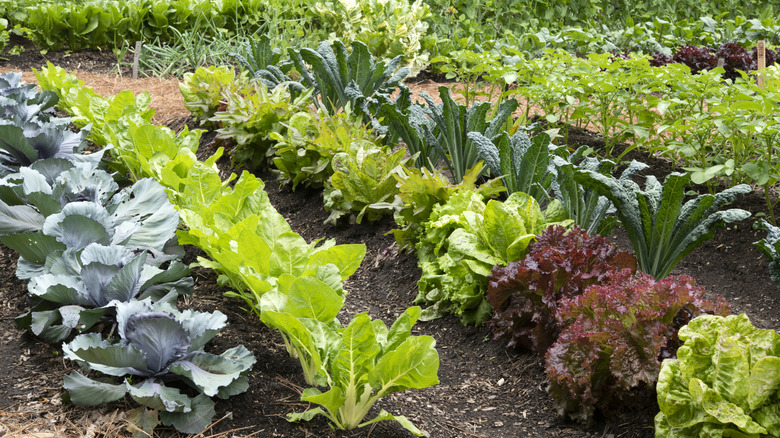
Aggressive wasp species are often viewed as scary insects to see flying around your home, but if you have an outdoor garden, their appearance is practically inevitable. While they are beneficial pollinators, they also prey on garden pests, like caterpillars and aphids, that damage vegetable crops. That is why wasps are attracted to the leafy greens in your garden — like cabbage and lettuce. Even if you are regrowing foods from kitchen scraps — such as peppers and sweet potatoes — wasps could appear to hunt for pests. One mistake that could attract even more of these aggressive insects, though, is leaving ripe fruits and vegetables on the ground.
Especially from late summer through fall, when nectar sources begin to diminish, aggressive wasp species — like paper wasps and yellowjackets — are attracted to the sugars in fruits and vegetables as sources of food. It is the same reason these insects swarm around open sodas, candy, desserts, and even the garbage. Some produce already contains sugars that draw in wasps, but damaged and rotting crops that have fallen onto the ground may be even more attractive to them. To keep aggressive wasps to a minimum in your vegetable garden, it is important to harvest ripe items as soon as possible. You should also pick up any produce that has fallen and appears damaged or overripe, and do not leave sweet human foods exposed or unattended.
More ways to minimize wasps around your vegetable garden and home
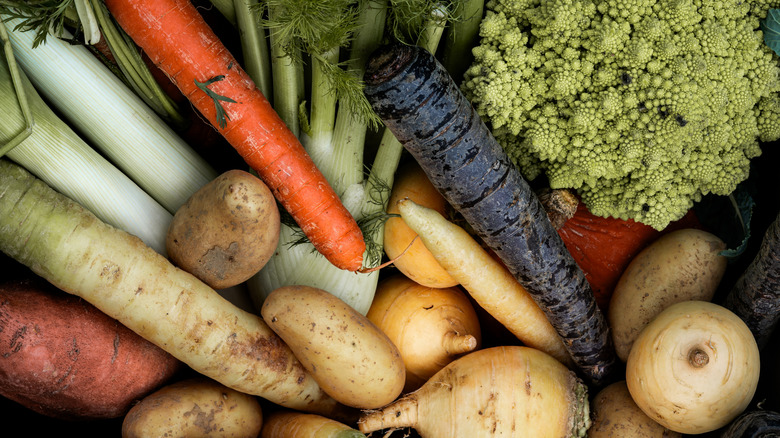
While aggressive wasps are beneficial pollinators and crop protectors, their sting can be painful and cause anaphylaxis for those with a severe allergy. Following a few tips can go a long way in keeping you comfortable and safe while tending your vegetable garden without killing these insects. One of the first things that you can do is avoid working in your garden when wasps are most active in the afternoon. Instead, perform your gardening tasks either in the early morning or late evening. While you are working, do not wear brightly colored items or scented cosmetics, lotions, or perfumes because these items can be attractive to some wasps. You could also avoid using brightly colored lawn ornaments and birdbaths with standing water in your garden.
Additionally, consider moving some of the common plants that attract wasps to your garden — such as goldenrod — to a lower-traffic area of your outdoor space. Having a hummingbird feeder close to your garden, too, can draw in wasps because they like the same sugary liquid as the birds. If it becomes a problem, relocating the feeder could be the best solution. If you have already started your own kitchen herb garden, you could already be growing some herbs that deter aggressive wasp species because they don't like the smell. Basil, lemongrass, spearmint, and thyme are just a few effective examples. Placing these in high-traffic areas throughout your garden can keep aggressive wasps to a minimum. However, do not be alarmed that such herbs can still attract wasps — specifically small parasitic wasps. They are still beneficial to your garden but pose no threat to you.