

Don't Throw Out Plastic Fruit Containers, Do This Instead
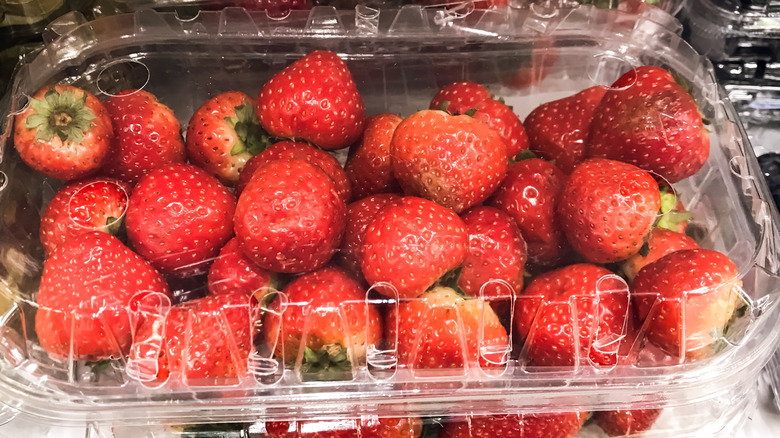
In our opinion, you can never have enough containers lying around in your kitchen. Isn't it wild how quickly they go missing, though? You turn around, and another of your favorite Tupperware or previous vintage storage containers has disappeared, seemingly for good, without you even remembering what you did with it. The natural solution to this is to rush to the store (or to your favorite online retailer) and stock up, even though you might have some plastic fruit containers sitting in your fridge that you're going to absent-mindedly throw out once you've gone through your berries or grapes.
Well, don't do that. Instead, kill two birds with one stone by re-employing these containers for all of your needs. Plastic fruit containers, or punnets, are almost as versatile as Tupperware, and can serve as a useful storage solution for fridge and freezer food, make a makeshift lunchbox, or be used to organize your drawers. Their thinner nature also makes them perfect for crafting, and they're the MVP of your kitchen when you need to keep your kids busy during school holidays. Plus, they last a lot longer than you might think.
It's important to bear in mind that not all plastic fruit containers are BPA-free. One of the best ways to check is to see if your container has a recycling code with the number "7" on the bottom: If it does, you may want to avoid reusing it. Per the Washington State Department of Health, "not all plastic with a number 7 label contains BPA. But if the [container] is clear and hard and has the number 7, it could contain BPA."
Turn your container into a portable herb garden
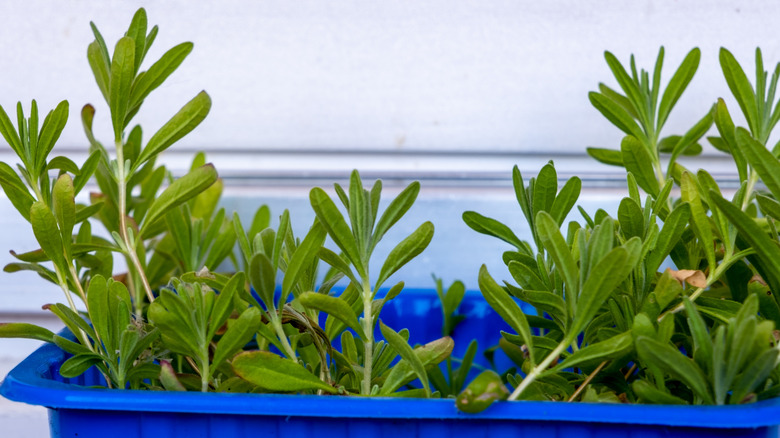
Be honest: You've always wanted a little herb garden in your kitchen, haven't you? By cultivating your own parsley, basil, and cilantro, you can skip the spending at the supermarket and feel the virtuous glow of having grown your ingredients from scratch. What stops most people from setting up a portable herb garden, though, is the setup and the feeling that you have to go out and buy everything you need before you start.
Luckily, if you have a plastic berry container to hand, you can make your own mini herb garden in minutes. All you have to do is pop in some soil from your garden, add your herb seeds or clippings, top it with another handful of soil, and then douse it with water. Place the finished garden in a sunny spot, and wait for the magic to happen. The advantage of using a plastic fruit container here is that they usually have a built-in drainage system: When you water your plants, the excess water will simply leak out of the bottom, preventing them from getting waterlogged.
Use them to organize your fridge and freezer
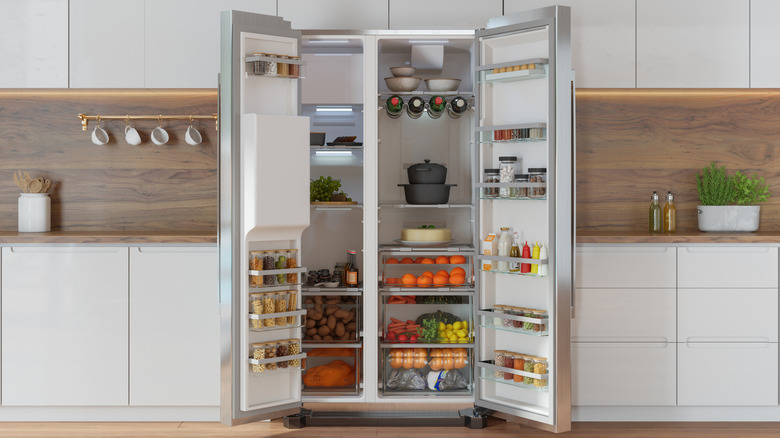
One of the main advantages of plastic berry containers is that they keep all that delicate, loose produce away from other items in your fridge. So, why can't these containers be used to do the same thing with other foods? Once your fruit's finished, keep your containers around to organize your fridge and freezer, and to group similar items. Items like small jars, eggs, loose herbs, and even other fruits and veggies can be organized easily with these containers, with the latter items being a great option to store in them, due to the in-built airflow in the trays.
Crucially, though, it's good to remember that these plastic containers can be a little flimsy. This is less of a problem in your fridge (as there's generally slightly less stacking space), but in your freezer, it's easy to shove loads of things on top of them and crush both the container and whatever's inside. Make sure any containers are kept at the top of your freezer to avoid this. Plus, it's a smart move to wrap your plastic containers in some plastic wrap or clingfilm, or to pop them in freezer-safe bags, as the holes in them can allow cold air to get to the food, resulting in freezer burn.
Decant your dried pasta or beans into them
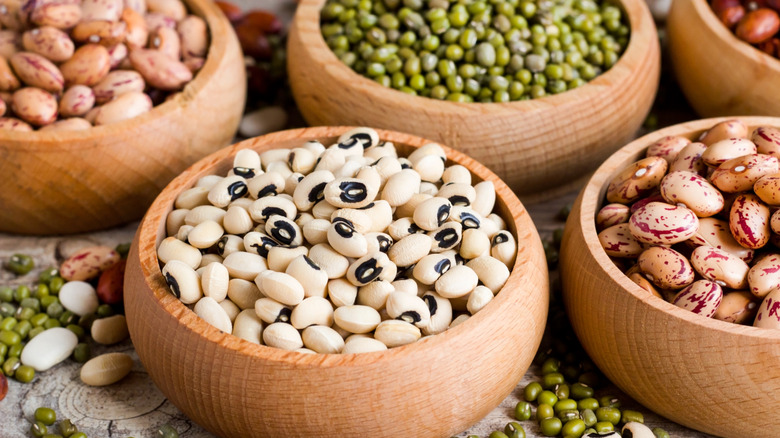
We don't know about you, but we're very much the type of people who keep our dried beans and pasta in the bags they come in, until said bag is used up — and honestly, we're not proud of it. Sure, it's much easier to just rip open the bag and pour out your dried food when you need to, but you miss out on the virtuous feeling of decanting it into another container, and the convenience of being able to easily see how much of each item you have left. Plus, those half-opened bags are less likely to be pushed to the back of your pantry.
That's why we're big advocates of using leftover fruit containers to store your dried goods. Old fruit containers give you modular, easily accessible storage that's almost entirely airtight, and saving up a bunch of them allows you to place all your different pasta shapes and beans in each one, tidying up your pantry to no end. Make sure you pop them in a cool, dry, dark place, as humidity can affect the quality of your dried items. Furthermore, we'd only recommend using plastic containers without drainage holes at the bottom to keep your beans fresh and keep them from falling through the gaps.
Fruit containers make a lightweight lunch box
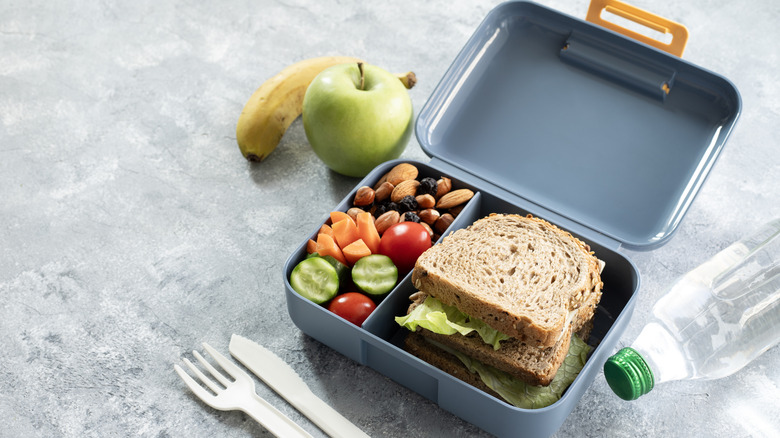
Be honest: You've probably lost a few lunchboxes in your time, right? Those things can be pretty expensive, particularly if they're vintage or old-school, and replacing them can add up — and if you're not forgetting yours somewhere, then your kids definitely are. That's why we love repurposing old fruit containers as lightweight lunch boxes. The clear nature of these little plastic boxes is especially useful, as you can see right through them to all of the delicious food within (and so you can easily check out which things your kid hasn't touched when they get home from school). They're also surprisingly sturdy, but are light and transportable enough not to weigh down any school or work bag.
Bear in mind, though, that plastic fruit containers can sometimes be on the smaller side, so make sure you're not trying to cram too much food in and crushing everything in the process. That being said, using a couple of them to pack your lunch can help you keep items separate from each other and stop your sliced veggies from making your sandwiches too moist. You may also want to tape them shut before packing them into your bag, as now and again their lids can be a little loose.
Store Ziplocs, food clips, and lids in them
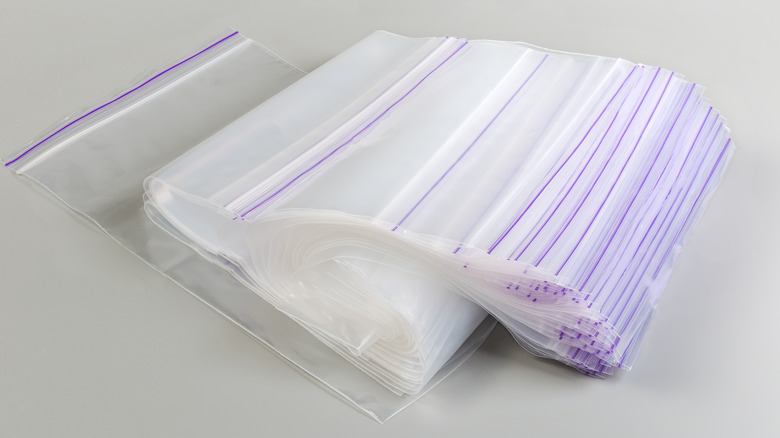
Kitchens are absolutely full of loose items that need a home — and yet, it's so hard to decide where to keep them. Things like food clips, Ziploc bags, and loose jar and Tupperware lids can end up being moved from place to place, or else stashed in an inconvenient location that gets in the way of everything else. If you've ever had to fish your precious knives and forks out from a jumble of egg rings, food clips, toothpicks, and chopsticks, you'll know what we mean.
Well, folks, enough is enough: Your plastic fruit containers are here to save the day. Designate an old fruit container for each of these items, organize them once and for all, and then stack them up in a lesser-used cabinet. Because they're clear, you can easily see what's in each one — no guesswork involved. You don't have to hide them, either: You can keep them open and on the counter, and then grab whatever you need when you require it, or pop them in a drawer without the lids on. This is a great option if you want to create a specific space for items like Ziploc bags, which can be required at a moment's notice.
Protect your plants with fruit containers
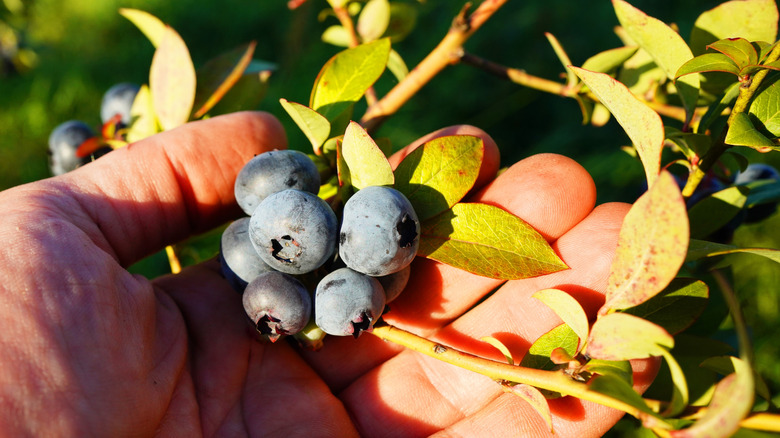
The time between when your homegrown fruits start to ripen and when they're ready to harvest can be a tense one. Every morning, you wake up hoping that pests, rodents, or birds haven't gotten to your strawberries or tomatoes, only to find that at the very last moment, some pesky little animal has chomped away at them. All that hard work is ruined — well, unless you have an old plastic fruit container lying around, that is. These containers can be used to create makeshift cloches, which can be sealed around each ripening fruit, protecting it from the elements and from animals.
The advantages of using plastic fruit containers here are numerous. First off, you don't have to do anything to them: Their clamshell shape allows them to snap around the fruit easily, and the little gap between lid and base is generally the perfect width for plant stems. They're also super lightweight, so you won't have to worry about them weighing your fruit down, unless it's especially delicate. Oh, and because they're see-through, the light will still get through (and you can check your fruit's progress easily), and the holes in them will allow air to travel to the fruit and wick away any unnecessary moisture.
Create a bug observation box
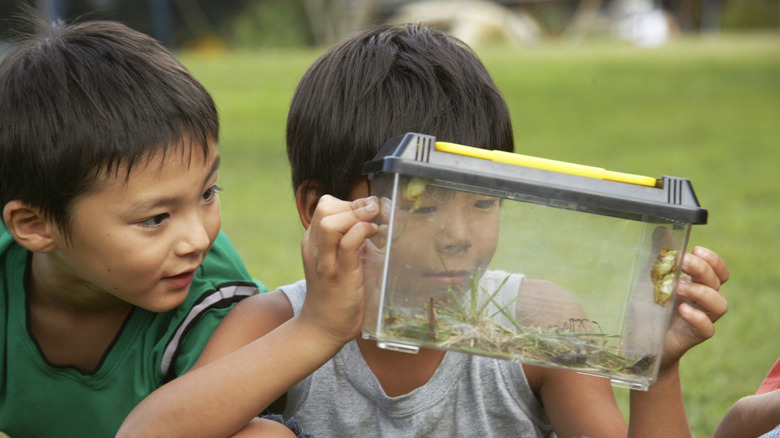
Most kids go through a bug phase at some point or another, when they become entranced by the natural world and all the creepy crawlies in it. The problem is that a lot of the time, this phase lasts for about two weeks, and by the end of that fortnight, you've spent a lot of money on bug observation equipment and fancy boxes for them to spy their ants and beetles in. Keep the spend down and the good vibes high by creating a homemade bug observation box using a plastic fruit container. Stuff them with grass, soil, and twigs to replicate the insects' natural habitat, and then allow your kids to place the bugs they've found inside. They can then spy on them through the clear plastic to their heart's content.
The lovely thing about using a plastic fruit container here is that not only are they breathable, but they also allow the bugs to escape. The point here is not to keep them captive, but to encourage your kids to understand the natural world and, when the time is right, to allow the insects to leave of their own volition. Plus, before they pop their bugs into the fruit container, you can spruce it up with some arts and crafts. Decorate it with your little ones by drawing on the outside, adding stickers or flowers, or even building a cardboard house with a window that they can see the container through.
Fruit containers can make great drawer dividers
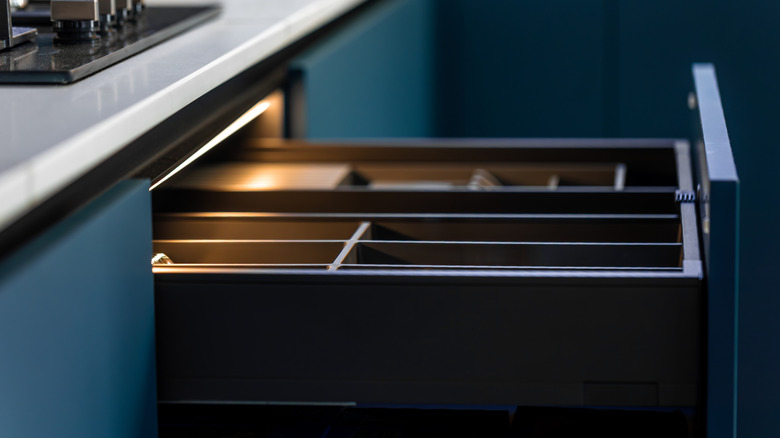
Drawer organization is one of the most underrated aspects of keeping a kitchen neat and tidy. When you make your work surfaces spick-and-span, but shove everything else into your drawers without any order, you're essentially hiding the chaos for a later time. The problem, though, is that drawer organization, and the items you need for it, can often be an afterthought.
Well, don't worry about having to designate time to figure out which drawer dividers are right for you — just use your old fruit containers instead. Just cut the lids off the containers, line them up in your drawers, and boom: You've got dividers that fit neatly next to each other, and which can be swapped out the moment they're beginning to look a little grubby. Because fruit containers are generally pretty shallow, they'll fit into most drawers without needing to shove them in. As for what you can place in them ... It's entirely up to you. We particularly like using them for items like paperclips, crayons, pens, and loose ribbons and tape, but hey, they're your drawers!
Serve snacks, chips, and nuts in them
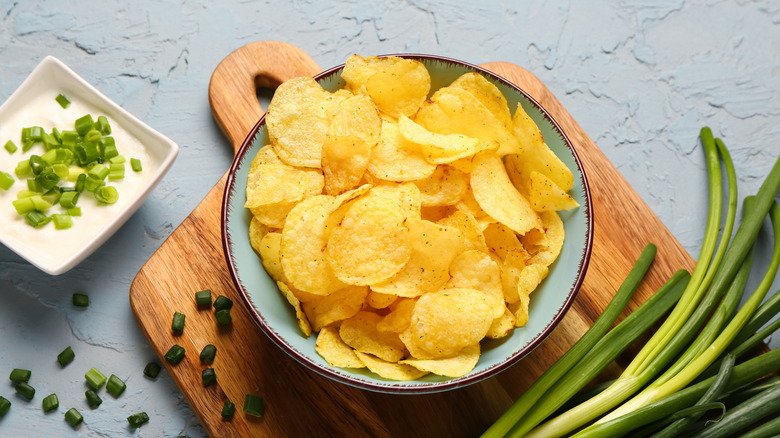
There are only so many times that you can put up with your bowls breaking during a cocktail party before you start to think of sturdier alternatives. Plastic fruit containers offer you just that. Now, let's be totally honest here: These containers aren't the best-looking things in the world, and we know that. However, if you're hosting a casual shindig where you just need something you can serve hors d'oeuvres and snacks in — without fear of them breaking and with the full knowledge that you'll be recycling them afterward — then these containers can do the job. Plus, if you fill them up enough, your friends won't even realize that they used to have berries in them. You can even cut the lids off to make them even more mobile (although that lid will be useful if you want to store your leftover snacks afterward).
When using plastic fruit containers as serving dishes, it's worth thinking about the size of your snacks. Smaller items, or those that are especially dusty or wet, may not be the best move, as food can drip through the holes in the bottom. So, focus on snacks that are bigger and relatively dry. If you are going to serve dips in your fruit containers, it could be worth lining the bottom with some plastic wrap beforehand, or reusing plastic containers without holes.
Send your friends home with leftovers in old containers
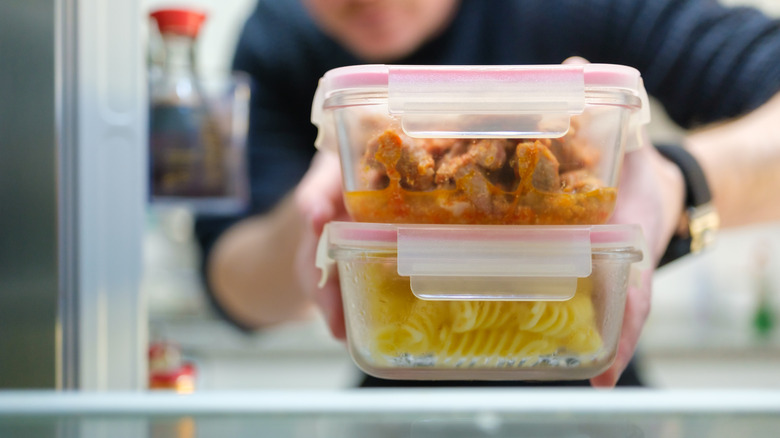
A good host knows that you should never leave your guests wanting more — and if they're craving an extra portion of the dish you served, then why not send them on their way with some leftovers? Oh, wait, we know why: Because you don't want to lose even more of your Tupperware. Well, you don't have to do that anymore. Stash your old fruit containers, and when your friends next want to sample your dishes one more time when they get home, you can pop the leftovers inside and snap them shut.
Plastic fruit containers are also awesome vessels if you're making edible gifts for people for their birthday or around the holidays. No, they're not the most elegant storage solution in the world, but it's about what's inside, people. As well as this, if you have leftovers from your meal that you want to keep around for a few days, then plastic fruit containers are a great option when your Tupperware is being used elsewhere. Hold off on recycling them next time; you never know when you'll need them next.