

The 9 Best Bitters To Pair With Whiskey Cocktails
We may receive a commission on purchases made from links.
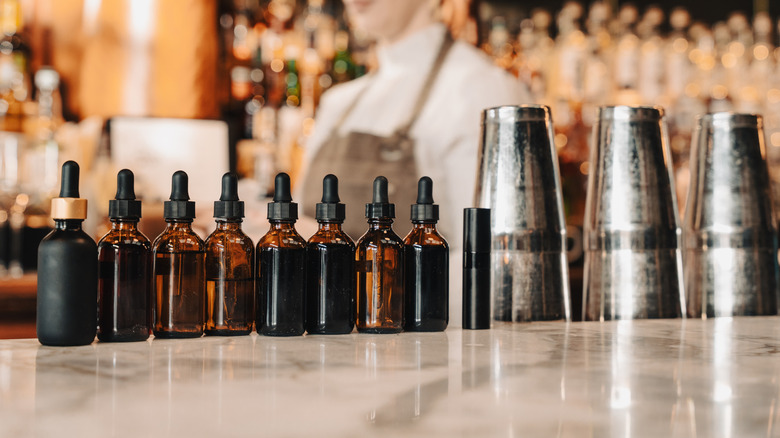
When a cocktail calls for a unique hit of flavor, that's when you want to reach for bitters. Some bitters are commonplace, while some are a little more out there, but any bar that takes its cocktails even a little seriously should have, at least, a bottle of Angostura bitters for old fashioneds and Manhattans — those classic cocktails you need to try at least once in your life. And if you have? Congratulations, you're at least passingly familiar with bitters. You've experienced the basics. Something like walnut bitters, though? That is a little more niche.
It's maybe most useful to think about bitters as seasoning for your drink. No one orders "a steak and salt," but you expect salt on your steak. Going off that analogy, if there's any liquor that pairs particularly well with lots of different kinds of bitters, it's whiskey. It's a spirit that's bold, but capable of blending into a cocktail with just about any ingredient list. Still, you definitely need to carefully consider bitters when mixing up your whiskey drinks. That's where we come in. Well, we and a bunch of expert bartenders who we spoke to for this article. Here are their recommendations for the best bitters to use when mixing whiskey cocktails.
1. Angostura bitters
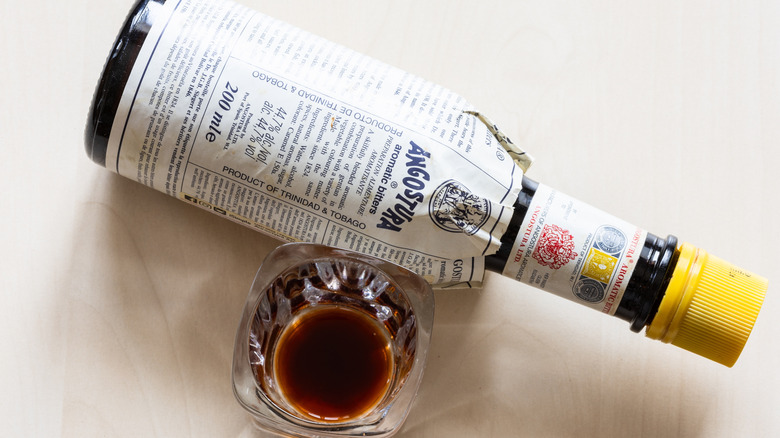
Any conversation about bitters in whiskey cocktails is likely to start with Angostura bitters. In fact, we've got a complete guide to Angostura bitters right here. Perhaps best known as the bitters that go in an old fashioned or a Manhattan, Angostura bitters have been a fixture behind the bar all the way back to the 1800s. You can easily spot this one thanks to its iconic yellow cap, and it'll give herbal notes of allspice, clove, and cinnamon.
This is probably the first bottle to stock in your home bar. If you're going to be creating custom whiskey cocktails? Well, as Matteo Carretta, Director of Beverage at Hotel Café Royal in London, says, "Start with the cocktail style you want to achieve and base your choice on that." The style that Angostura bitters, in particular, can lend is timeless.
"By using bitters, you're not only adding nuance, but you're adding flavor on the palate," says Lucas Huff, a Spirits Ambassador for Foley Family Wines & Spirits. "The world of cocktails has been built on harmonizing the big four: booze, sugar, acid, and bitters." Huff also called Angostura bitters "timeless and proven." Whether the old fashioned was the first cocktail or not, it's certainly one of the oldest cocktails. If that fact doesn't give Angostura bitters timeless and proven status, we don't know what will.
2. Peychaud's bitters
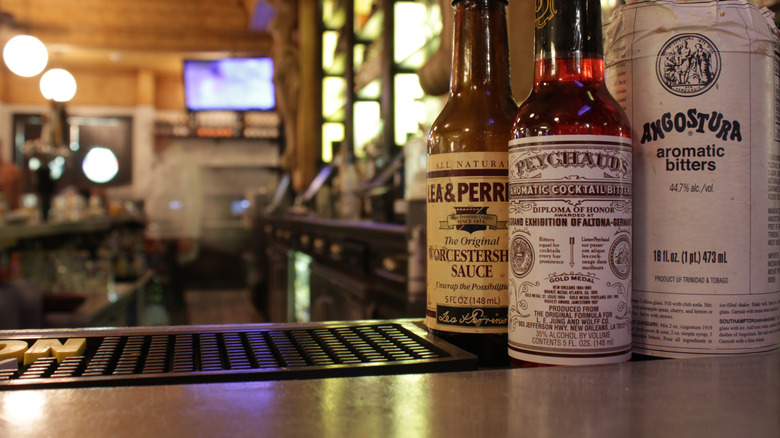
Head down to New Orleans, and you'll find a few things to be ubiquitous: Good music, the smell of down-home cooking, and Peychaud's bitters. These bitters feature cherry, clove, and anise flavors, and are a crucial ingredient in the Sazerac. That's the signature whiskey cocktail of New Orleans, a drink invented way back in the 19th century. We probably don't have to tell you that New Orleans has a sophisticated drinking culture, and therefore, the Sazerac and the all-important Peychaud's bitters should be sampled at least once by any serious cocktail enthusiast. Still, if you're not convinced, we can tell you that the most expensive cocktail in the world's best bar is a $6,500 Sazerac. They didn't give that honorific to any of the drinks made with Angostura bitters.
Don't limit yourself with Peychaud's, though. This cocktail ingredient "can amplify fruit notes, but it can also create savory flavors in cocktails," according to Alex McCutchen, Beverage Director for The Patterson House in Nashville. He also added that Peychaud's bitters can keep whiskey cocktails, in particular, from being too one-note. Reach for this bottle when you want a good contrast against whiskey's caramel and oak flavors.
3. Orange bitters
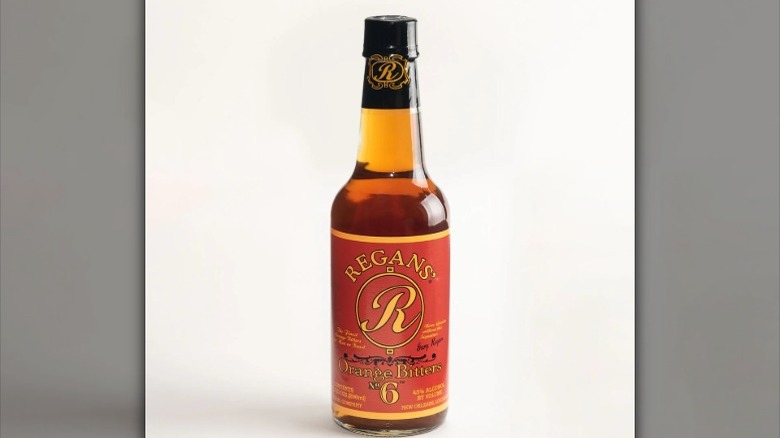
Every bartender we interviewed brought up orange bitters. It was usually the first kind mentioned after classics like Angostura or Peychaud's. In fact, Alex McCutchen called Angostura, Peychaud's, and orange bitters "the holy trinity ... not just with bourbon and rye, but most spirits." Packed with warm spices like cardamom, caraway, and orange peel, something like Regan's orange bitters are a great way to get a citrus kick in your drink. This stuff is at its best in a whiskey cocktail, but if you're serving someone who doesn't like brown liquor, it'll pair well with just about any spirit.
Orange bitters are a great jumping-off point for experimenting with bitters. If you're familiar with how to make one of the classics, like an old fashioned or Manhattan, then substituting orange bitters for Angostura is a good foray into the world of bitters, to get a feel for how which type you choose can change the entire drink. "Over time, I realized those dashes were actually the most important decision in the glass," said Tobias Burkhalter, Assistant General Manager at the ART Hotel in Denver. "Bitters don't add volume, they add direction. They tell the sweetness where to stop and the spice where to land." What better flavor for that role than orange?
4. Chocolate bitters
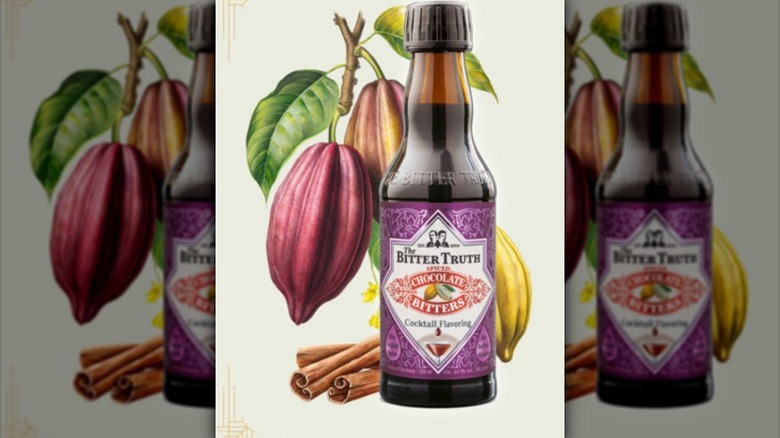
Chocolate and whiskey cocktails — now there's one way to spend Valentine's Day. Of course, chocolate has more culinary properties than what you typically find in a heart-shaped box. Whiskey naturally has notes of vanilla and caramel, but adding chocolate bitters doesn't make your drink a liquid Twix bar. The wood sugar that comes from barrel-aging gives whiskey more depth, and chocolate bitters have spices like cinnamon and even wormwood to lend a more mature flavor. The team at Claremont Resort & Club said that chocolate bitters "[add] depth to Manhattans," while coffee bitters are "perfect for bourbon cocktails." They also recommend a garnish of coffee beans whenever you use chocolate bitters.
What kind of chocolate bitters to use, though? Kate Boushel, a bar and beverage consultant and Director of Education & Strategic Partnerships for Barroco Group, and Alex McCutchen both recommend Bittermen's Xocolatl Mole Bitters, which is more cinnamon-forward. Max Sloan, a bartender at Sheraton Phoenix Downtown, and Carlos Suarez Roberto, lead bartender at Harvest restaurant, both recommend Fee Brothers Aztec Chocolate Bitters, which brings more peppery notes. For Suarez Roberto, Aztec chocolate bitters remind him of childhood. "They taste like Abuelita — the classic Mexican chocolate," he says. "Warm, nostalgic, and deeply comforting." Alcohol is usually pretty good at inducing nostalgia. Make a drink that tastes like drinkable chocolate, and you're in for a pleasant journey down memory lane.
5. Grapefruit bitters
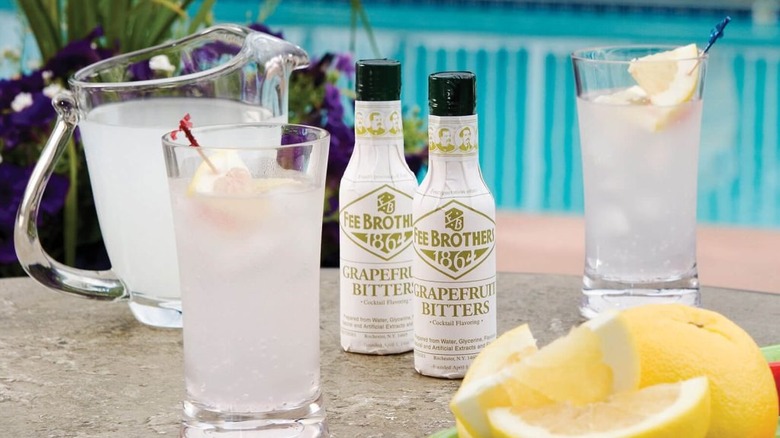
Putting the "bitter" back in "bitters" with this one, grapefruit and bourbon are flavors that really pair nicely. Grapefruit bitters play well with brighter fruit flavors — try this one in an Algonquin, a cocktail made from whiskey and pineapple juice. The grapefruit will act as a bridge between the woodiness of the whiskey and the sharpness of the pineapple. For this reason, Mike Pedecine, General Manager at Arvine, said he likes to use Scrappy's grapefruit bitters in rye drinks during summertime.
These bitters work with any whiskey, but really seem to complement rye the best. "Grapefruit bitters also work really well with rye, adding bitterness and complexity without extra sweetness, letting the rye stay sharp and expressive," says Christopher Mesa, Bar and Beverage Manager at Sandbourne Santa Monica. Mesa also said he likes to use a combination of grapefruit and Peychaud's bitters in a rye old fashioned, rather than Angostura bitters. It just goes to show that you can always try new things, even in a cocktail so classic that it's literally called "old fashioned."
6. Celery bitters
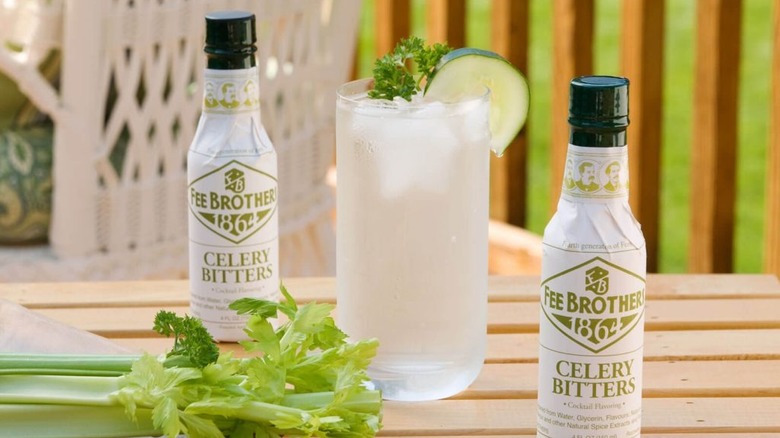
The same way that celery adds savory depth of flavor to a mirepoix or the holy trinity of Cajun cooking, celery bitters add savory aromatic qualities to cocktails. If you didn't even know that celery bitters existed before reading the previous sentence, you're not alone. Matteo Carretta calls celery bitters "a great underdog." One important lesson of tasting is to never underestimate any element that brings herbaceousness to the party.
Celery bitters work well in whiskey cocktails, but one particular subset of whiskies really benefits. "Rye is naturally spicier and drier," says Nick Jones, Senior Food and Beverage Manager at Clayton Hotel & Members Club in Denver, noting that these bitters "add structure without muting its edge." That's exactly the kind of quality you should be looking for when building cocktails. Kate Boushel has a more base-level reason for loving celery bitters. She recommended Bittered Sling Cascade Celery, saying it "[makes] me happy." Hey, that's what a good cocktail should do for the drinker. Might as well have the ingredients bring joy to the bartender, too.
7. Tiki bitters
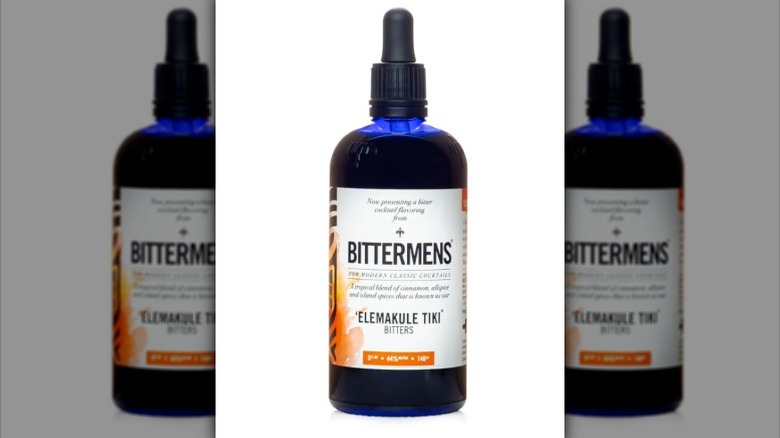
Whiskey and tiki might not be the most obvious pairing, but that's only if you associate tiki with the cloying sweetness of pre-mixed frozen drinks. A man named Donn Beach opened the very first tiki bar in America in 1933, in Hollywood, and sure, the bar mostly focused on rum drinks. Beach's bar did pride itself, though, on complex cocktails. Complexity and depth of flavor are the qualities that tiki bitters can also bring to whiskey drinks. With notes of warm spices like cardamom, cinnamon, and allspice, it's not hard to imagine tiki bitters really transporting whiskey to interesting places. Christopher Mesa calls tiki bitters a "must-have."
Mesa also advises that "once you treat bitters as seasoning instead of a rule, it becomes much easier to build intentional, balanced cocktails," which seems worth remembering for tiki bitters. In general, whiskey is going to have notes of vanilla, caramel, and oak. That's a rich tableau, yes, but one that can definitely be enhanced with the cinnamon and allspice in tiki bitters. Max Sloan specifically recommends Bittermens Elemakule Tiki bitters, which you can buy in a Bittermens Best Sellers Bundle.
8. Umami bitters
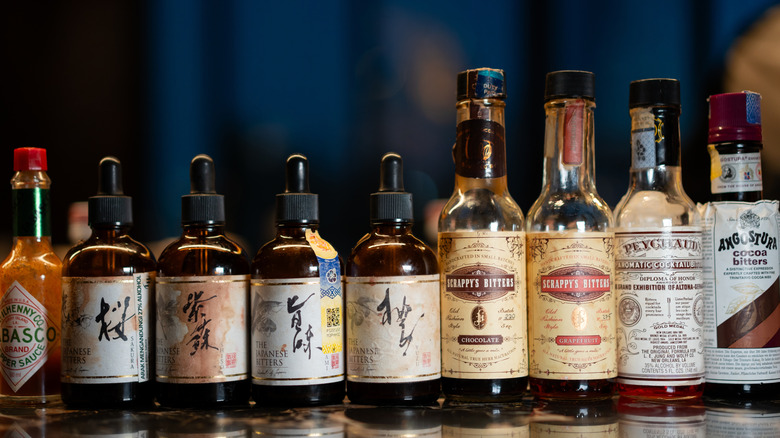
If the word's somehow not yet in your vocabulary, umami basically comes down to a strong savory quality. Think of the way your mouth waters when eating a particularly good piece of beef or a perfectly juicy tomato. Now imagine that flavor profile in a whiskey cocktail. Intriguing, right?
When crafting his drinks, Jason Kosmas, Beverage Director at Uchi Restaurants, likes to think of bitters as a muse. "Bitters can either accentuate or contrast flavors in a cocktail," he says. "It does add a third dimension to cocktails." He notes that umami bitters from The Japanese Bitters add new depth, especially in cocktails with Japanese malt whisky. Honestly, if you've never tried one, don't skip ordering Japanese whisky cocktails.
Bitters are there to balance flavor, it's true. Mike Pedecine says that umami bitters from The Japanese Bitters add a savory touch that balances out the richness in bourbon cocktails. If you think about how wonderfully whiskey pairs with red meat, the addition of umami bitters makes even more sense.
9. Black walnut bitters
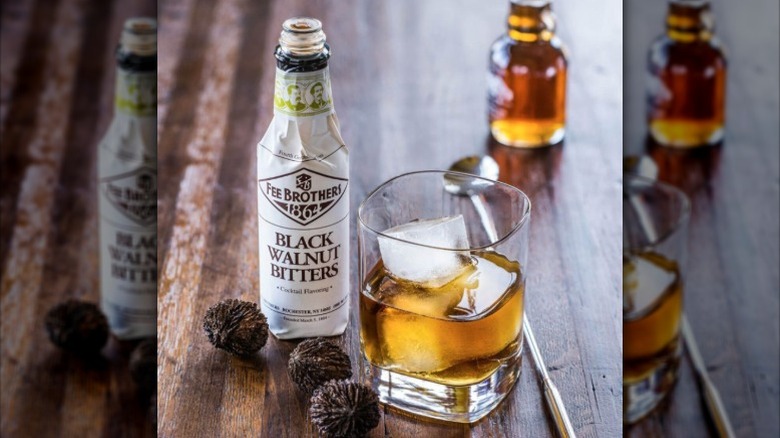
A little goes a long way with black walnut bitters, and the rewards are exquisite. With toasted nuts and a slight clove flavor, these bitters add warmth to any drink. Almost like you're enjoying your cocktail next to a bonfire made with wood that you gathered yourself. Put another way, black walnut bitters are a great way to add a fall twist to some classic cocktails. "Bitters allow you to add a dash of a guest's favorite flavor or flavors to create a custom cocktail," says Max Sloan. That said, black walnut can be a strong flavor. This one's not for the heavy-handed pourers out there, and oftentimes not for anyone with a nut allergy — check the ingredient list of any walnut or black walnut bitters you buy, for allergen information.
The experts we interviewed like the stuff, too. Theodore Pettit, bartender at Casa 71 Tequila Lounge, says that he loves using black walnut bitters in a Manhattan, saying that it "adds a nutty profile perfect for the holidays."Sloan specifically recommended Strongwater Black Walnut Bitters in place of Angostura bitters in a Manhattan or old fashioned. If you're still on the fence about black walnut bitters, think of it like this: Any time you can add nuttiness to a whiskey cocktail, you have to try it at least once.