

10 Rules Bartenders Always Have To Follow
Being a bartender isn't all fun and games, folks (although it is pretty fun). Mixing and serving drinks is simultaneously an art and a system, and one in which you combine creativity and an adherence to rules. These rules can be many things. Sometimes, they exist to make your shift substantially easier, keep team morale high, and ensure that your customers have the best time (and the best drinks) possible. Other times, bartenders follow rules because they're quite literally the law, and failing to do so can result in lost jobs, fines, and businesses having to close their doors. I've been working as a bartender for over a decade, and take it from me: The stakes are surprisingly high.
Over the years, I've learned pretty much every rule there is to know about bartending, and I'm here to shed light on some of the lesser-known codes of conduct that mixologists follow daily. Why are we so fussy about how our bar is organized? Why are we always breaking out our expert bartending tools instead of just using our hands? Why is it such a big deal to serve someone after the last call? I've got the answers to everything you've always wanted to ask right here.
1. Sticking to standard measures
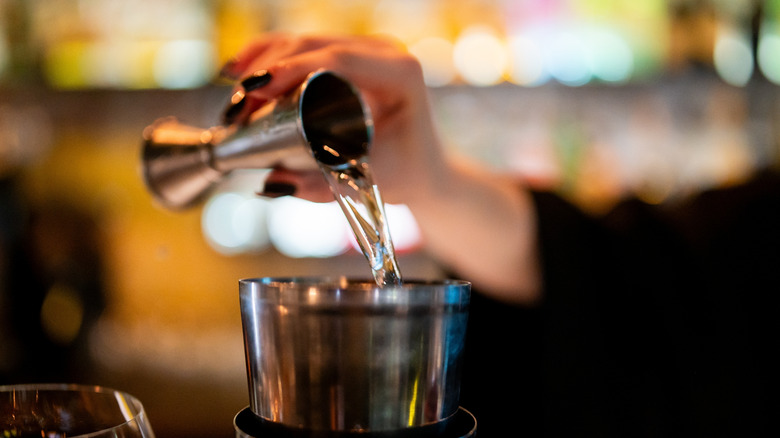
Throughout my years of being a bartender, I've lost count of the number of times that someone's asked me to make a "strong" version of their order. Look, I get it. It's always a thrill when mixologists seem to add a little extra liquor into your drink, just like they do when you're on vacation. However, you should know that we're actually not allowed to do so, and so it's pretty poor form to ask us to.
There are a few reasons why making intentionally stronger cocktails is a big no-no. First off, it ruins the quality of the drink itself: Cocktails rely on a delicate balance of strong flavors, and if a bartender throws extra booze in there, it'll knock it off-kilter. Secondly, over-pouring leads to a reduction in profit, and it messes up the bar's ordering system and stocktake by leaving alcohol unaccounted for. The biggest reason why your bartender can't just make your drink stronger, though, is that it can result in inadvertent intoxication, which may then create potentially sticky consequences for both the bar and bartender, should something happen when the patron leaves the establishment. Because of that, over-pouring can be a firing offense.
2. Refusing to serve drunk customers
Okay, so I really hope you're not one of these people, but if you've ever gotten irritated because the bartender in front of you is refusing you service because you've had too many drinks, then this one's for you. Refusing to serve drunk customers is one of the most unpleasant aspects of a bartender's job, but also one of the most essential, and a key rule we're told to follow from day one. This is because not only could it affect you negatively, but if you end up getting too inebriated on our premises and you then go on to cause harm to someone else, the bar can then be legally liable under dram shop laws and face punishment. In short, it can get everyone in a lot of trouble.
Beyond the fact that serving already inebriated customers is potentially dangerous for everyone involved, it's also irresponsible of us to do so, for the other people in the bar. Think about it: Do you want your night ruined by someone being loud, drunk, and belligerent? How would you feel about the person behind the bar, who enabled that? Not great, right? That's why we cut you off.
3. Matching the right drinkware to your drink
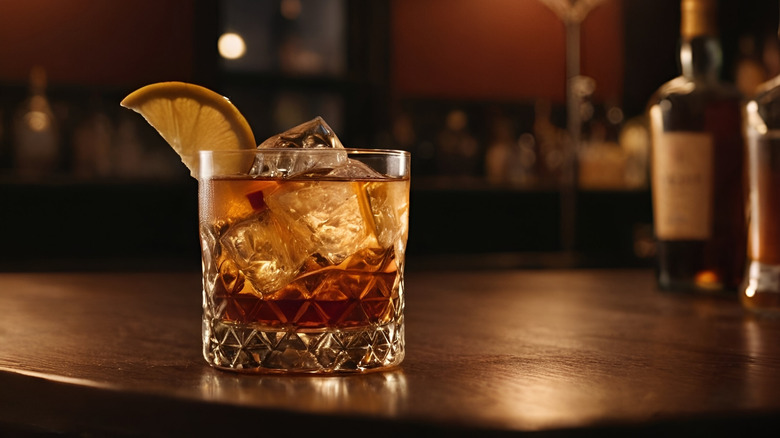
Ah, drinkware. So essential, and so neglected. Drinkware is so often an afterthought for the person ordering their beverage, but for a good bartender, it makes all the difference — and learning which drinks go with which glasses (and then pairing them) is vital. Certain drinks go with certain glasses, both because of the ratios, volumes, and intensities of the drinks themselves, and because it makes the drink taste better. There's a good reason why you wouldn't see an old fashioned in a highball, or wine in a wide-rimmed cocktail glass: Apart from being an impractical way to do things, these vessels also dull flavor, aroma, and experience.
Even the flavor of beer is affected by the type of glass you use. That's why Belgian or double IPA beers are served in tulip glasses for a better scent, and pilsners are served in tall glasses for optimum carbonation. So remember, if a bartender looks like they're dawdling behind the bar while they're making your drink, they might just be waiting for their colleague to bring them the glass they need. Give them a minute back there; it's for your benefit.
4. ID'ing customers if they look underage
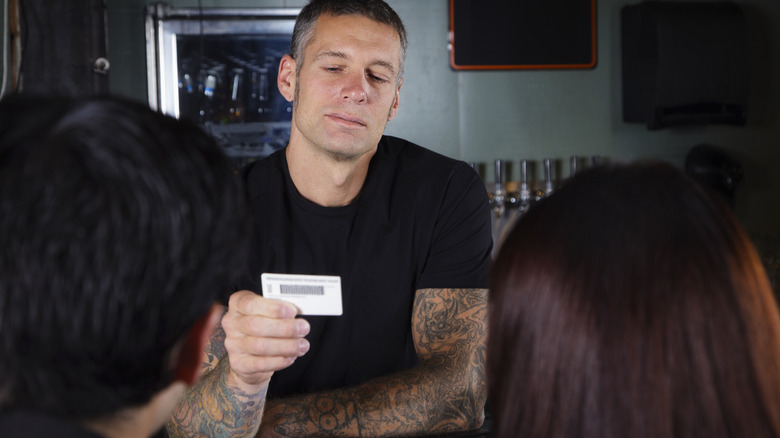
Sorry, folks, this one's a must. If you're of legal drinking age and you've forgotten your ID, I get that it's pretty annoying when a bartender refuses to serve you. However, the consequences if we do so are severe, to say the least. In the United States, it can be either a misdemeanor or a felony offense to supply or sell alcohol to minors. The bar will also face harsh ramifications, which can include its liquor license being taken away. Additionally, if said minor then goes on to cause harm to someone else, there can be further issues or legal consequences.
Sadly, this means that if you're lucky enough to look under 21 and you don't have your ID with you, you're not getting served. It's not because the bartender's being fussy or difficult, or because they're being a stickler for the rules. It's because the rules themselves need to be followed to keep them from losing their job, their money through a fine, or even their freedom.
5. Not drinking on shift
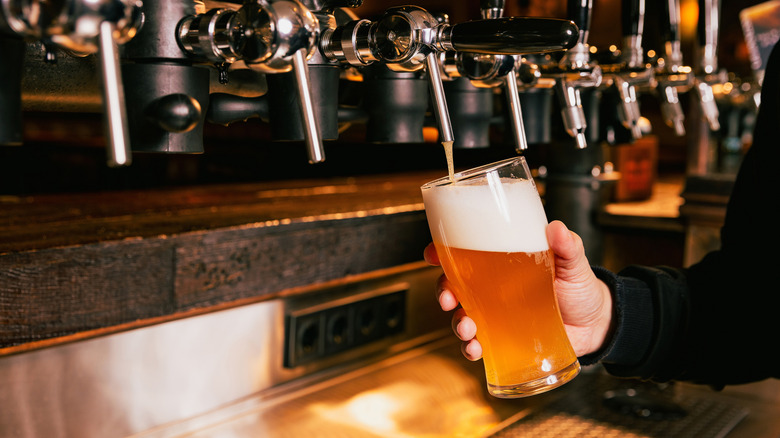
There's a cultural image of bartenders pouring out a drink for their regulars, and then taking one for themselves. Despite this, though, responsible bartenders will wait until the end of their shift before they grab themselves a drink — if they're even allowed to do so at all in the bar they work in. Unless a mixologist is off the clock, they really shouldn't be drinking while they're serving customers, as doing so will result in poor performance and customer service. Ironically, it's the funnest, liveliest bars, where bartenders look like they're having the best time, that enforce this the most strongly, as these kinds of environments are where bartenders need to keep their A-game.
Beyond the fact that drinking interferes with how well they can do their job, though, drinking on shift can get a bartender fired — and in some states, like New Hampshire, it can be illegal. In others, if being drunk at work leads to a health and safety infraction, it can become unlawful and cause a huge problem for the bartender and the bar. It's also just not a good look, which is why some bars even prohibit their bartenders from drinking there off-shift, too.
6. Keeping the bar area tidy
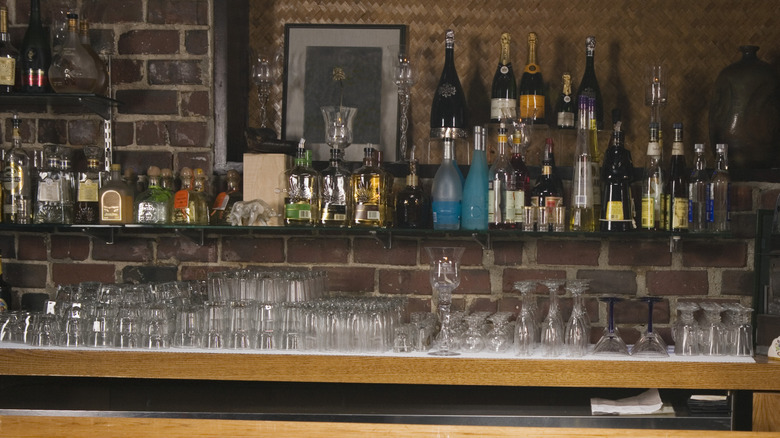
If a bartender isn't keeping their bar area neat as a pin, then they're not doing it right. Maintaining a tidy bar area is a day one rule for mixologists and bar workers, because failing to do so causes more problems than I could care to name. Think about it: Bar areas are places where there are hundreds of moving parts and all manner of different liquids of varying temperatures, as well as fresh items like fruit and herbs, difficult-to-clean ingredients like salt and spices, and a surprisingly large number of knives. If things start to get messy, it can not only be annoying, but also dangerous.
It can also look seriously chaotic, which is not the image that any bartender wants to project. Instead, we prefer to be the image of cool and calm, and get drinks to people in a timely, non-stressful manner. More troublingly, an untidy bar area can also quickly become unhygienic, which can lead to health and safety issues. This is why bartenders create and maintain a mise en place of ingredients that they can reach for without running to the other end of the bar, and why they wipe things down constantly as they go.
7. Not marrying liquor bottles
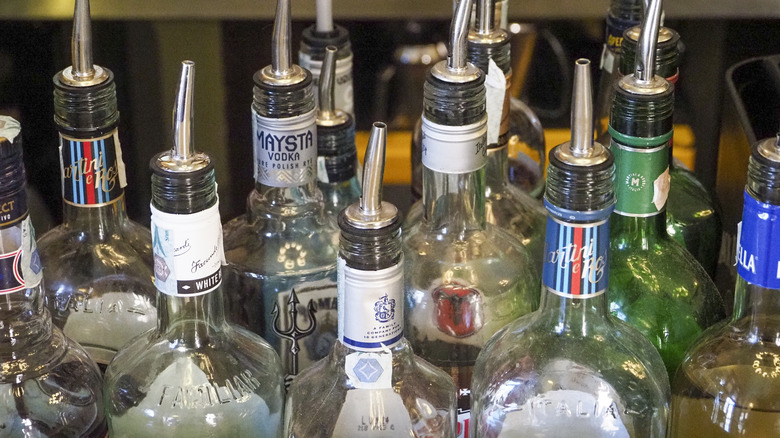
The act of "marrying" liquors, which essentially involves combining two open bottles into one to save space, might seem smart and logical. However, it's something that bartenders are absolutely forbidden to do, both by law and by logic. In the U.S. and various places around the world, marrying liquor is illegal, primarily because of the health risks it can pose. Those liquors may taste the same, but they could come from two completely different batches, and if one of those batches was contaminated, then it increases the chances of harm. The bottle that received the contaminated liquor no longer has an accurate label, creating a spider's web of thorny legal issues, and meaning that the product is, in effect, fraudulent.
Beyond this, as a customer, you really shouldn't trust the bar you're in if they marry liquor bottles. Sure, they may be doing it in front of you with the same spirit, but what if they've just replaced that bottle of Grey Goose with a bargain vodka behind your back? How do you know that you're getting what you paid for? It's a headache for everyone, and while it might frustrate some bartenders to have two bottles of the same liquor open simultaneously, they've just got to work through it.
8. Refusing service after last call
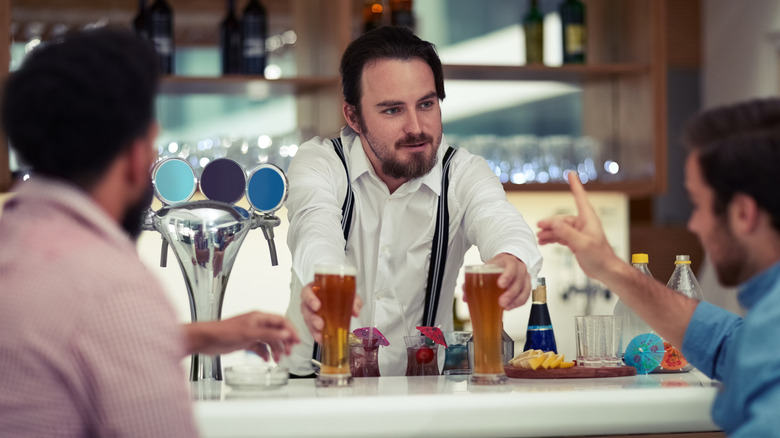
Okay, so this rule is contentious to say the least. In my bartending career, I've had to deal with angry customers who want just one more drink after last call countless times, and no matter how much I explain why I can't do it, they just don't seem to listen. So, I'm putting it down here, so you can read it when you're sober: The reason I can't serve you after last call is because of the license the bar you're in has. Bars are required to stop serving drinks at a certain hour, and last call serves as a reminder that hour is coming up, fast.
Now, last call may not strictly mean that if you don't order within two seconds after I call it, then you won't be served. I might be able to slightly push things, but I also have to consider whether you'll be finished with your drink and out of the door by the time the license stops. Additionally, last call permits bartenders to start wrapping up for the night and closing down the bar, so that everyone can get out of the building on time and get home. Don't be the person who makes a fuss about this one, guys.
9. Using tongs, juicers, and barspoons
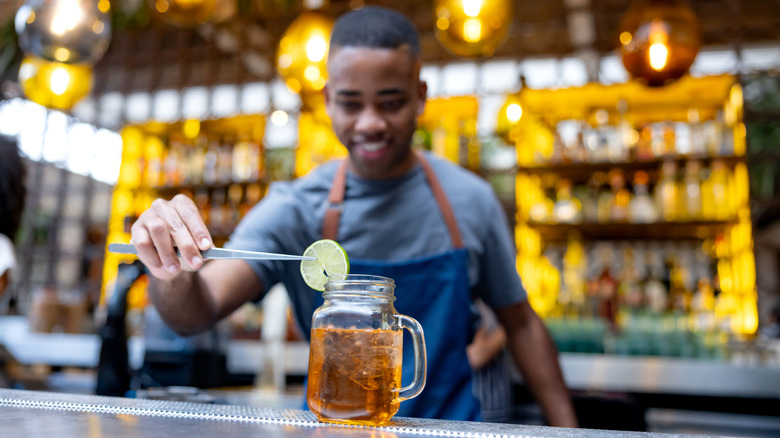
Ever felt as though the fact that your bartender uses tongs to put cocktail garnishes on your drink is completely unnecessary? Or that the tiny spoonful of salt they just threw in your cocktail could have been a pinch instead? Well, here's why we insist on using them: Because it's hygienic. Tongs, juicers, and barspoons may seem like fussy accoutrements to a bartending experience, but they allow us to make your drinks without having to touch them with our hands. Otherwise, we'll be sticking our fingers into your margaritas or mojitos to finish them off, and I'm willing to bet that you don't want that.
Aside from this, tools like juicers and barspoons also allow us to measure ingredients with more precision than if we were just eyeballing them. Using these utensils will make your drink a lot better. So if you've ever had to wait for your cocktail to be completed because the mixologist is waiting for his colleague to pass him an item, sit back and give them a sec. Plus, if we have to wash our hands beforehand, give us the grace to do so. It's for your benefit, after all.
10. Listening to the customer
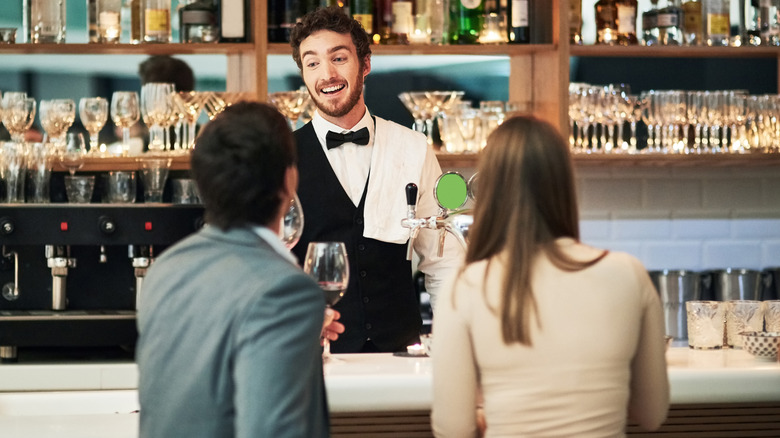
Here's one to prove that bartenders can (hopefully) be a little self-reflective. Listening to the customer may sound simple, and is a core part of the job of being a bartender — but sadly, it's one that a lot of them forget about, to the annoyance of customers. If you've ever been on the receiving end of this, you'll know: You ask for a type of beer, wine, or cocktail, and the bartender in front of you rolls their eyes, and explains why you shouldn't drink that one, and what you should go for instead. You reluctantly agree to what they make you, and you absolutely hate it. The bartender didn't listen to what you actually wanted, and you're out of pocket.
Bartenders may have a lot of knowledge about the drinks they're making, but at the end of the day, they need to be able to respect what the person in front of them is ordering (unless they're putting in an order that sends massive warning signs). If they don't, everyone suffers: The customer, the bartender's reputation, and the bar itself when the patron tells their friends not to go there. So, bartenders, if you've forgotten about this rule today, just remember to hold your tongue. It's not about you.