
5 Sit-Down Chain Restaurants That Overcharge Customers

As dual-income households became more common toward the end of the 20th century, chain restaurants developed into an iconic American industry by giving these families more affordable opportunities to enjoy a sit-down meal with table service. Much of the appeal of any given chain restaurant lies in its affordability. At minimum, it shouldn't feel like a ripoff.
Unfortunately, some chain restaurants have strayed from this principle, and customers often complain that items are more expensive than they should be. The reasons for this can be myriad. Price gouging and incompetent management certainly exist, but it's not always the business's fault.
Ingredients, labor, and restaurant leases are all more expensive than they've been in recent years, if not ever. With every element of doing business costing more money, restaurants can only hope customers will make up the difference. But consumers are dining out less than before, and trying to limit their spending when they do. And diners are noticing when chains set their prices just a little too high.
Outback Steakhouse
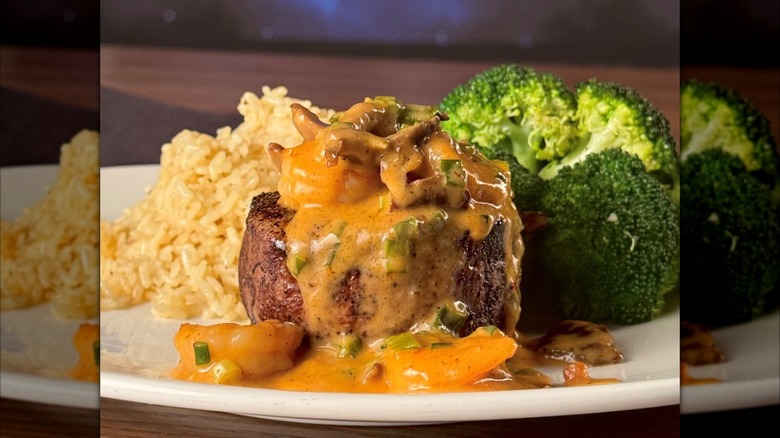
Chain steakhouses helped democratize the once extravagant expense of a steak dinner, but some chains are straying from their roots in affordability. Outback Steakhouse has acknowledged that its relatively high prices are keeping lower-income customers away. The brand is now trying to reverse that problem, in large part with the $14.99+ Aussie Three Course meal deal it recently added to the permanent menu — but corporate leadership has suggested further changes are on the way to bring burger-minded consumers back.
Cheesecake Factory
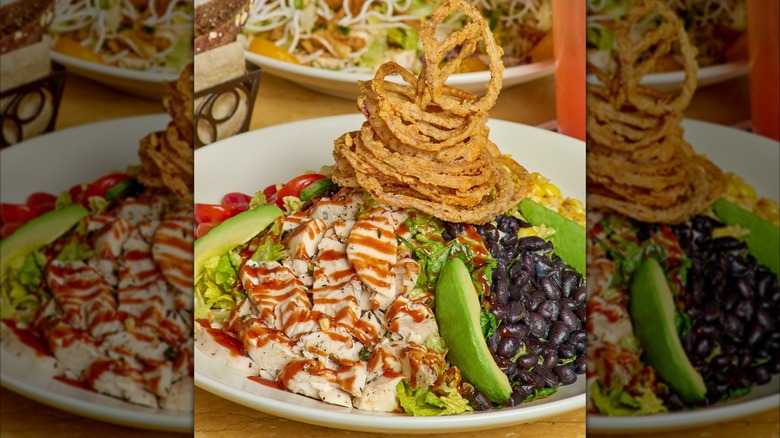
Everybody knows the Cheesecake Factory's giant menu and giant portions, which also typically come at a giant price. Its cheesecakes remain popular, but the Cheesecake Factory's non-dessert foods are often seen as underwhelming and mediocre, making their price points difficult to justify. Ironically, while fresh is usually best for restaurants, cheesecakes are the only thing The Cheesecake Factory doesn't make fresh.
IHOP
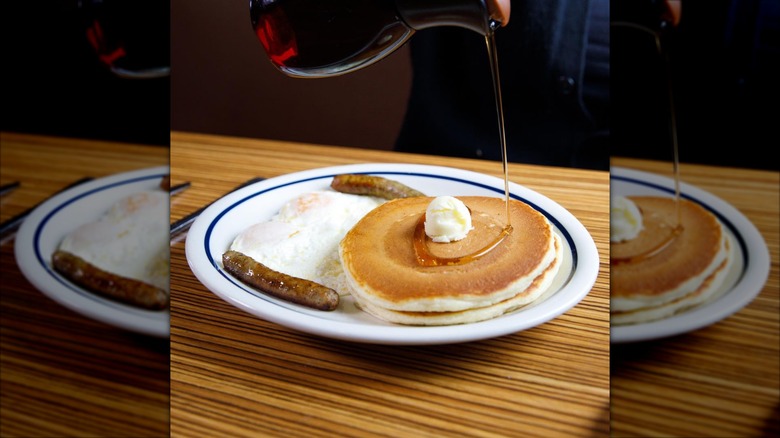
IHOP is a diner chain that serves traditionally humble and cheap food. It's supposed to be affordable, perhaps more than most types of chain restaurants. But unfortunately, prices at IHOP have risen 82% since 2020. The culprit is a perfect storm of business challenges: Rising ingredient and labor costs, and reduced foot traffic post-pandemic. Of the orders that do come in, many are from delivery apps that further eat into IHOP's profits. And customers can't help but feel everything is more expensive than it should be.
TGI Fridays
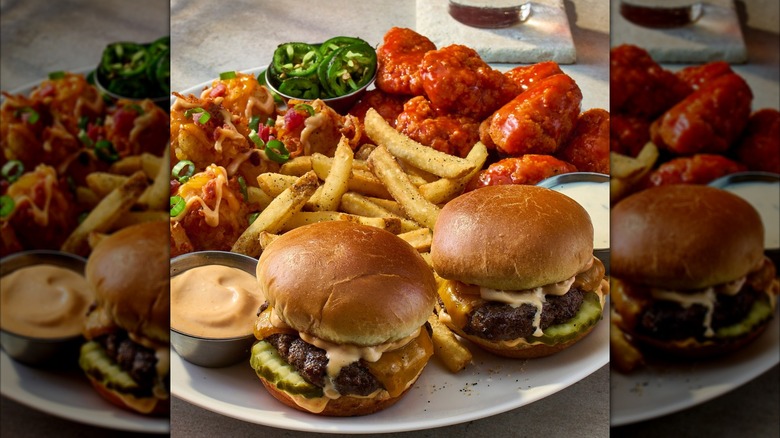
TGI Fridays is prominent among the restaurant chains that struggled through 2025. From peaking at about 600 locations and billions in annual business, Fridays is now limping through chapter 11 bankruptcy with fewer than 80 locations remaining. And the chain's struggles can be tasted in the food, which people often find bland and uninspired. Even when comparing the same food items between Fridays and similar chain restaurants, Fridays fails to be memorable.
Waffle House
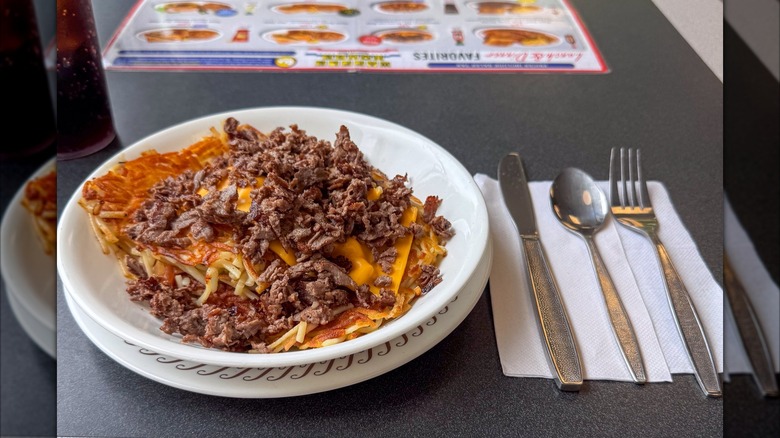
Waffle House uses an astonishing amount of eggs every year: About 272 million, according to the company itself. So it stands to reason that it suffered more than most in recent years as egg prices climbed higher and higher, but it's not just the eggs. Waffle House prices have increased 96% since 2020. That includes every item on the menu, which all went up at least 71%. Consumers have complained for years that Waffle House was becoming overpriced, and the data might be beginning to prove it.