

Texas Roadhouse-Owned Restaurants: The Differences Between Jaggers And Bubba's 33 Explained
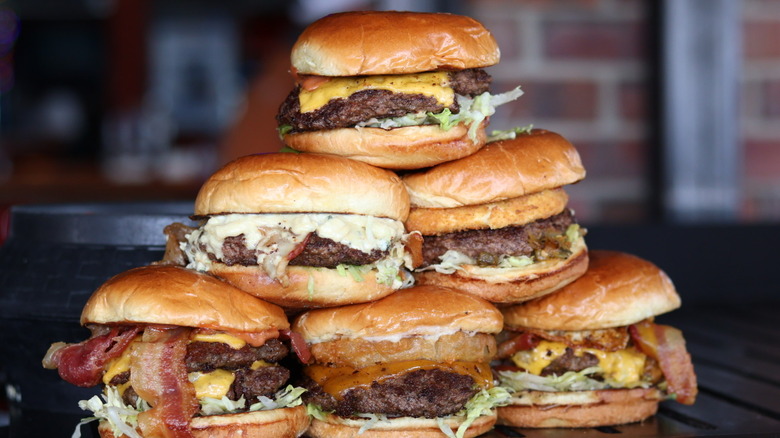
Texas Roadhouse has been on a roll as America's favorite steakhouse for the past few years. In 2024, the brand saw a 15% growth in sales, making it the biggest casual dining chain in the U.S. Yet in 2025, Texas Roadhouse was challenged by the growing restaurant Logan Steakhouse. Whether the top dog brand continues to grow and beat the competition remains to be seen — but luckily, this company doesn't have all its eggs in one basket.
If you're a Texas Roadhouse fan, you probably already know that Texas Roadhouse owns two other chain restaurant brands: Bubba's 33 and Jaggers. Both have been on the move, opening new stores and growing their loyal customer base in recent years. But do you know what makes these two brands different?
At first glance, these restaurants may seem quite similar. They both serve burgers and chicken, they both have red logos, and they both have a casual vibe not unlike Texas Roadhouse. But there's a reason why founder Kent Taylor created them as two separate brands; Bubba's 33 and Jaggers actually have some pretty significant differences. So, let's dig in to these two brands to understand what makes each unique.
Jaggers is fast casual while Bubba's 33 is a more traditional sit-down restaurant
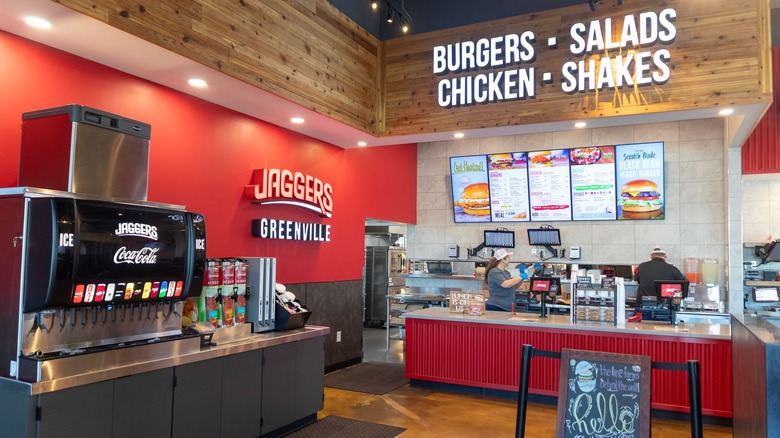
Jaggers positions itself squarely in the fast casual tier of the restaurant industry: Its website declares it's "taken fast-casual to a whole new level" and emphasizes made-to-order food served quickly. Fast casual restaurants are typically defined by their counter service model, allowing for quick turnover of guests. Guests are able to dine in, but many also carry out their orders. Fast casual restaurants are different from fast food primarily because of their higher quality ingredients and cooked-to-order menu items. Although many Jaggers locations have drive-thru windows, it offers a slightly elevated experience over the McDonald's and Burger Kings of the world, so it lands firmly in the fast casual category. That means it's competing in a market against brands like Chipotle, Shake Shack, and Panera Bread.
In contrast, Bubba's 33 presents itself as a more immersive dining experience. Customers are not just paying for the scratch-made food, they're paying for table service, bartenders, and televisions that invite guests to stay a while. The Bubba's 33 brand is more aligned with the casual dining category — restaurants that typically offer a larger menu separated into courses like appetizers, entrées, and dessert, and are more focused on the guest experience than the speed of service. Bubba's 33 joins the ranks of casual dining competitors like Chili's, Buffalo Wild Wings, and Olive Garden.
Bubba's 33 launched in North Carolina, while Jaggers started in Indiana
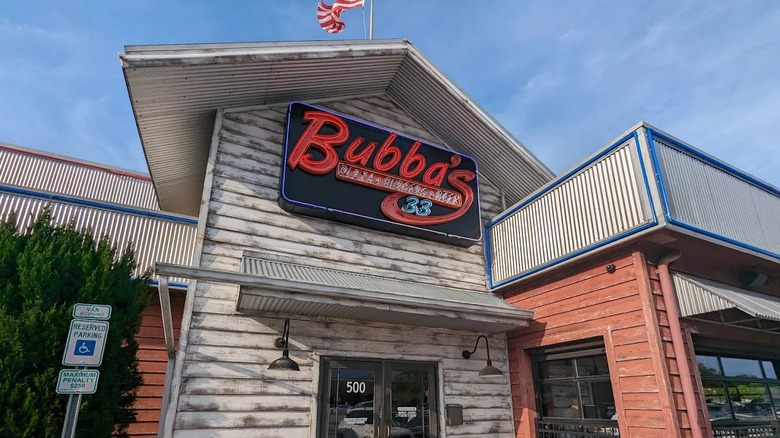
The first Jaggers location was opened in 2015in Noblesville, Indiana, a suburb of Indianapolis. That location makes sense for a new venture by the Texas Roadhouse brand. It's close by to the Texas Roadhouse headquarters and the founder Kent Taylor's home, both of which are in Louisville, Kentucky — just a 2-hour drive away.
Taylor told Louisville Business First that he chose the first Jaggers location so he could visit often, but it wouldn't be too close to home in case it didn't go well. Luckily, the restaurant has been quite successful, resulting in five total locations in the Indianapolis area to date.
The reasoning behind the location of the first Bubba's 33 restaurant is less obvious. That restaurant opened in 2013 in Fayetteville, North Carolina, states away from the homeland of Taylor and his flagship brand. However, the company already had control of the chosen property, which was previously a location of its ski lodge-themed restaurant concept, Aspen Creek (Texas Roadhouse would go on to sell the rights to that brand shortly after launching Bubba's.)
In addition, there was already a successful Texas Roadhouse location across the street, making this the perfect spot to test whether Bubba's could thrive in the same markets as its parent brand. The test paid off — the Bubba's 33 concept has been wildly successful, and has reportedly not cut into the profits of Texas Roadhouse when sharing markets. That early East Coast success has led Bubba's to have a larger footprint in the Southeast.
The Bubba's 33 menu includes pizza, pasta, and seafood
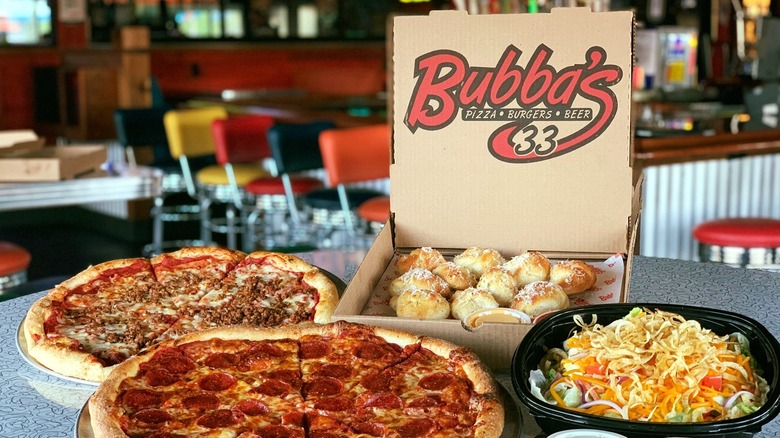
One of the clearest distinctions between these two sister brands under Texas Roadhouse is what they offer on their menus. Jaggers offers a smaller menu typical of fast casual concepts, while Bubba's 33 boasts a longer menu with options for every taste.
Founder Kent Taylor once described Jaggers as if Five Guys and Chick-fil-A had a baby, and the restaurant's menu certainly reflects that. Among its offerings, you'll find burgers, chicken sandwiches, chicken tenders, salads, sides and — if you have a sweet tooth — milkshakes.
Still, the Jaggers menu is far from plain. Each sandwich can be ordered in several styles. For a more classic burger experience, customers can opt for the Crazy Good Cheeseburger, which comes with two beef patties, melty American cheese, shredded lettuce, sliced tomato and onion, and Jaggers sauce. The more adventurous may choose the Green Chile Cheeseburger, which includes pepper jack cheese, garlic aioli, and roasted chile pepper atop its two patties. Similar options are available for chicken sandwiches, which can be original, spicy, or seasonal, like the Korean Hot Chicken sandwich.
The Bubba's 33 menu also includes burgers and sandwiches, but branches out even further to include appetizers, tacos, stone-baked pizzas, signature pastas, seafood, and steaks. This menu is much more suited to group outings and longer visits. Sports fans will enjoy Bubba's Famous Wings, available traditional or boneless with a choice of ten sauces and also available as a party platter. For families, there's something to enjoy for everyone, from lasagna to chili lime-seasoned salmon over rice.
Bubba's 33 has a completely different vibe from Jaggers
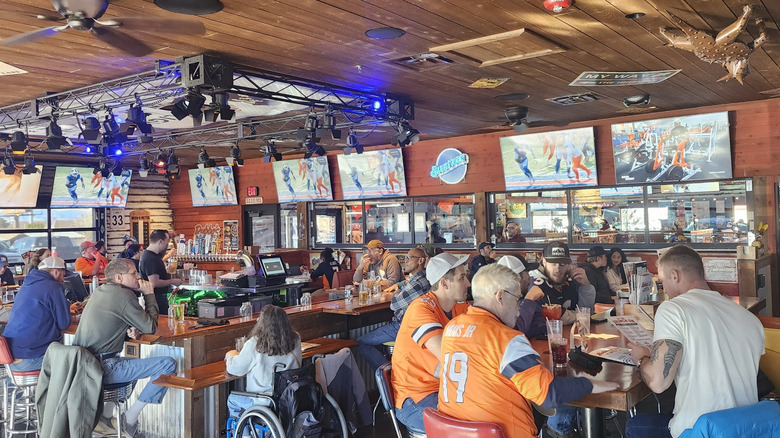
Arguably the biggest difference between these two sibling restaurants is the ambiance that customers will experience. The decor, lighting, music and types of patrons you see in these restaurants make for a totally unique experience in each. Though they both feature wood paneling and corrugated metal materials, offering a rustic vibe in line with their Texas Roadhouse roots, the atmosphere couldn't be more different between these two eateries.
Jaggers is brightly lit, clean and minimal inside. Music will be played at a lower volume, and customers will likely talk in low voices, sitting alone or in small groups. Many visitors will use the drive-thru or take their food to go, meaning the dining room probably won't be too crowded at any given time.
Bubba's 33, on the other hand, is truly a classic American sports bar experience. Tin signs bearing highway names and beer brands adorn the walls and ceilings. Colorful lights and neons light the bar area, while TVs are positioned everywhere around the room, ensuring that every patron can get a good view from their seat. Music will usually be played louder here, and patrons will loudly chat and socialize. If you visit on the day of a football or other sports game, that chatter is almost guaranteed to be louder, with some cheers and hollers thrown in as folks crowd around the bar and TVs.
Though both establishments are family friendly, Jaggers is simply set up for people to eat. Bubba's 33, by contrast, aims to entice people to stay with a fun and lively atmosphere.
Bubba's 33 sells alcohol, while Jaggers does not
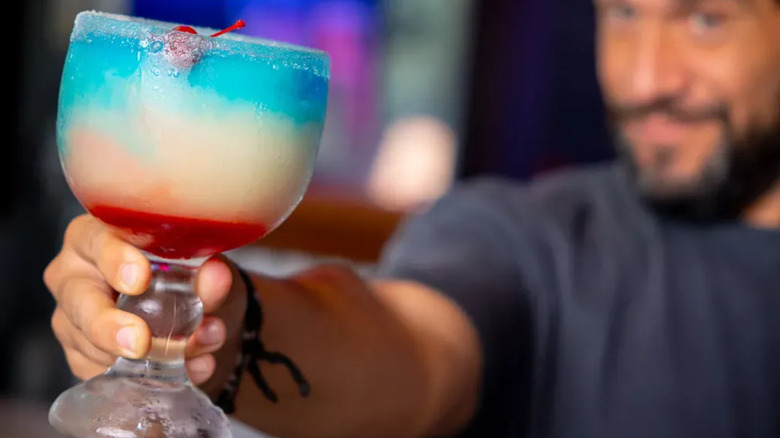
If you're in the mood for an alcoholic beverage, this is one difference between these two brands you'll want to take note of. The whole Bubba's 33 concept is built around its bar offerings — in fact, the restaurant's very name references 1933, the year Prohibition was repealed in the United States. The brand's tagline, "Party like it's '33," underscores that its identity is tied to celebration and gathering with friends with good libations.
The Bubba's 33 drink menu is extensive, featuring domestic and craft beers on draft, wines, signature cocktails, and frozen mixed drinks. The menu is far from conservative: The boozy Bubba's Long Island Iced Tea boasts the restaurant's "signature sweet & sour" mix along with five types of liquor. If that isn't enough, patrons can also add a "rocker tube" of Jameson or Captain Morgan to any drink.
Bubba's selection of margaritas includes a variety of styles: spicy, exotic (peach, pineapple, and blue curaçao), All-American (red, white, and blue), and more. With a range of all-day and happy hour drink specials, it's clear that Bubba's aims to compete with similar bar-and-grill concepts like Buffalo Wild Wings or Chili's.
Jaggers, by contrast, follows in the footsteps of others the fast-casual sector, focusing on quick service and takeout-friendly meals rather than alcohol sales. Its beverage menu includes fountain drinks, iced tea, and milkshakes, but no beer, wine, or spirits.
Jaggers has a more extensive rewards program
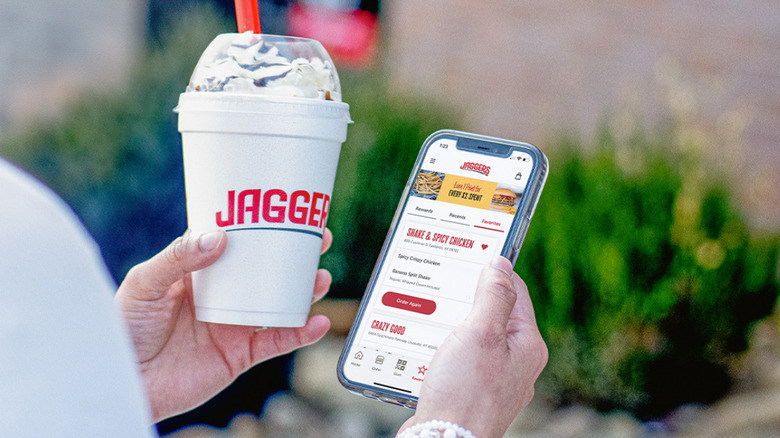
Jaggers differentiates itself from its Texas Roadhouse sibling with a true customer loyalty program. Through the Jaggers Rewards mobile app, guests can earn one point for every dollar spent. Points are redeemable for discounts and free menu items. The app also lets users find locations nearby, order ahead for pickup, and track their visits and rewards within the app.
The Jaggers rewards program mimics the modern approach taken by many fast casual chains, like Chipotle and Chick-fil-A. The idea is to keep the brand top-of-mind, keep visitors coming back and cash in on repeated visits to maximize profits, since order totals tend to be on the lower end at this style of eatery.
Bubba's 33, on the other hand, takes a more traditional approach with its Fan Club rewards system. Rather than an interactive app, the Bubba's 33 Fan Club is simply a mailing list that offers subscribers exclusive promotions and updates, but no rewards for their visits.
This approach is typical for the casual sit-down dining sector, where the focus is more on in-person interactions, but the check totals tend to be higher. Still, you can add Bubba's 33 to your list of restaurants that offer free food on your birthday; Fan Club members will get an email with a special coupon for their big day.
Jaggers is more affordable than Bubba's 33

Another clear distinction between these two brands is their pricing. Though both brands boast their scratch-made food and high-quality ingredients, the offering and overhead is ultimately different, resulting in menus that cater to two different budgets.
At Jaggers, the menu is structured for value, quick service, and quick turnover. The classic two-patty cheeseburger at Jagger's rings up at $7.29 at an Indianapolis location; $11.29 if you make it a meal with fries and a fountain drink. A four-piece chicken tender basket at Jagger's costs $6.79, or $10.78 with a side. Overall, customers can expect to spend around $12 for a meal at Jaggers.
Bubba's 33 has a range of offerings for different budgets, but it still leans on the more expensive side compared to its sister brand. At Bubba's 33 in the same city, a cheeseburger will run you $12.99, or $16.99 if you want a double patty. Of course, these options come with a side of fries already factored in, but no drink. The chicken tender dinner, which comes with two sides, is $13.99 at Bubba's.
If you're willing to spend more, Bubba's 33 entrees can range even further into the high end; a signature ribeye is $25.99 with two sides, some of which are considered premium and come with a $0.99 to $2.00 upcharge, like chili, mac and cheese, or onion rings. Once you start adding in alcohol to your order, you're looking at a much heftier check than dining at Jaggers — possibly over $30 per person, plus tip. Bubba's 33 fans don't seem to mind though; after all, it's the experience they're paying for.
Bubba's 33 has been expanding rapidly, while Jaggers is taking it slow
It's been hard to ignore the growth of Bubba's 33; the restaurant recently opened its 53rd location in Yuma, Arizona. And it doesn't plan on slowing down — executives say they're targeting double-digit openings in the coming years, with a short-term goal of 200 locations. Eventually, they envision over 500 locations of Bubba's 33. That could put it among the fastest-growing restaurant chains in the U.S., alongside the likes of Freddy's, First Watch, and Cava.
It makes sense that the Texas Roadhouse leadership is comfortable with scaling the Bubba's 33 model quickly. After all, the sit-down service concept is fairly similar to its original Texas Roadhouse restaurant setup, which has been wildly successful, so there's a proven playbook for scaling that setup.
Jaggers, by contrast, is a whole new category for the company, which comes with its owns risks and challenges. For starters, margins in fast food and fast casual are significantly lower than for sit-down restaurants, since customers expect more affordable prices there. Executives have also said they're being intentionally cautious with scaling the Jaggers brand due to the challenges that the fast-casual market has experienced post-COVID. Due to these considerations, the Jaggers brand only has 16 total locations in the U.S. as of 2025.
Jaggers is franchised, while Bubba's 33 locations remain company-owned

Though both of these Texas Roadhouse brands are on the rise, they have two very different approaches to growth. Jaggers has operated a franchise model since July 2020. Its website contains info and calls to action for would-be franchisees, emphasizing that many domestic and international territories are open for development agreements.
Bubba's 33, however, has given no indication of plans to franchise its brand. Despite its rapid expansion, all of the Bubba's restaurants that have opened so far are fully owned and operated by Texas Roadhouse. This is likely a deliberate choice, giving the company greater control over how the Bubba's 33 brand is managed and presented to guests.
By keeping Bubba's 33 corporately controlled, Texas Roadhouse can maintain greater oversight of the guest experience (we have seen a similar strategy used recently in Red Lobster's comeback.) Because the Bubba's 33 value offering is so deeply rooted in the restaurant's atmosphere, service, and deals, maintaining consistent execution across locations is likely a priority for executives. It could harm the Bubba's image if a franchise operator wasn't up to par. On the other hand, Jaggers is a fast-casual concept with a smaller footprint and simpler service model, making it a no-brainer to franchise.
Jaggers is international, but Bubba's 33 is only in the U.S.
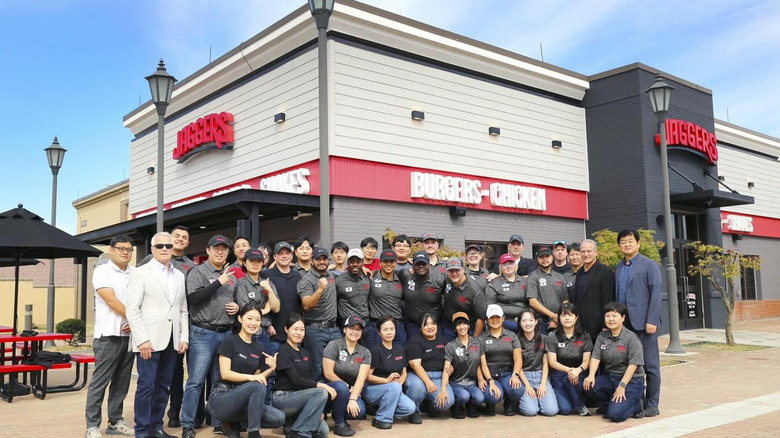
Although Bubba's 33 has more total locations, Jaggers has one thing that its sister brand doesn't — global expansion. In 2024, Jaggers announced the opening of its first international location in South Korea, marking the brand's entry into the global fast casual market.
The expansion reflects the company's confidence in the Jaggers concept and its ability to translate to other markets. With small dining rooms, drive-thru windows, and digital ordering, it's more adaptable to other countries than Bubba's 33. The latter's large sports bar model is harder to travel, requires greater investment, and also largely relies on a very American atmosphere of dining, drinking, and socializing that may not translate as well internationally.
Jaggers' franchising page also signals the company's intent to continue this momentum, inviting aspiring operators to bring the brand to new territories worldwide. By contrast, Bubba's 33 has not yet ventured outside the United States, instead choosing to focus on domestic expansion that mirrors parent company Texas Roadhouse's successful growth strategy.