

The Old-School Myth About Aluminum Foil, Debunked
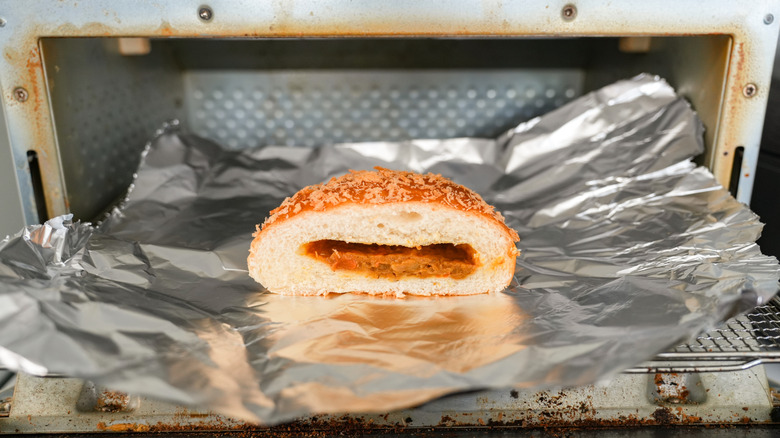
When it comes to baking, we use aluminum foil to line pans, cover dishes, or even for easy wrap-and-cook foil dinners. But regardless of how you use foil, you've probably wondered which side should touch the food. Many people believed that the shiny side reflects heat while the dull side absorbs it, making the shiny side the correct one to face inward. Unfortunately, that's an outdated myth we're here to debunk.
The truth is, it doesn't matter which side of the foil touches your food. The two finishes exist because of the manufacturing process, where one side of the foil is pressed against polished steel rollers, creating a glossy appearance. However, both sides conduct heat equally, so whether you go glossy or matte, food turns out exactly the same.
The exception to this rule is non-stick aluminum foil. Using the wrong side is one of the most common mistakes people make with aluminum foil. This foil is unique because one side has a special non-stick coating that prevents food from clinging to the metal, meaning you can bake food without adding extra oil or butter. This coating is usually on the dull side and may be labeled "non-stick." Naturally, this is the side that should contact food, and it works particularly well for sticky foods like saucy or cheesy dishes.
More common myths about aluminum foil
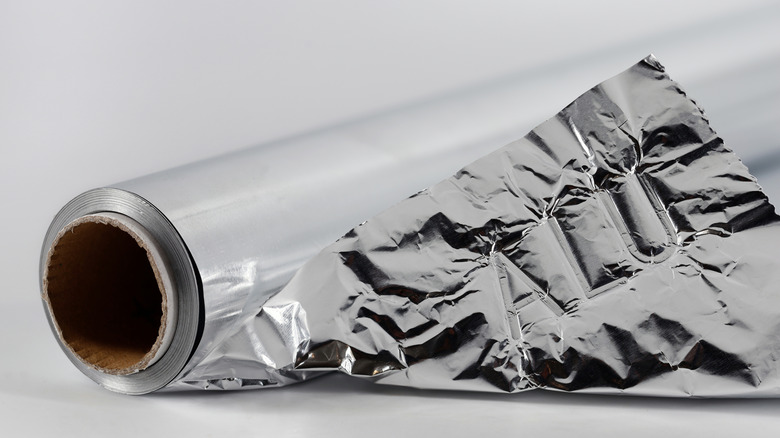
One of the biggest myths about foil is that it can't be recycled. Aluminum foil is made of — you guessed it — aluminum, which can be recycled just like soda cans. However, recycling facilities cannot process aluminum if it has food residue. Give your foil a quick rinse, gently scrubbing off any food particles. But before you toss it in your recycling bin, roll it into a larger ball. Smaller pieces of aluminum won't get picked up by recycling equipment, so it helps the recycling process to create a larger mass.
Another common myth about aluminum foil is that it can't be reused. Clean aluminum foil can be repurposed, extending its lifetime and hopefully decreasing that grocery bill. The key is knowing when and how to safely repurpose it. Foil that's been used for baking, cooking, or saucey foods will likely have some grease or moisture, which can increase the likelihood of bacterial contamination. However, if you've solely used the foil to cover dry goods and it's not torn or dirty, feel free to flatten your aluminum foil and use it again. And remember, foil can be repurposed in multiple ways, not just for baking or covering food. You can even use aluminum foil to prevent a stovetop mess by covering your burners with it.