

9 Vintage Diner Foods That Have Disappeared From Menus
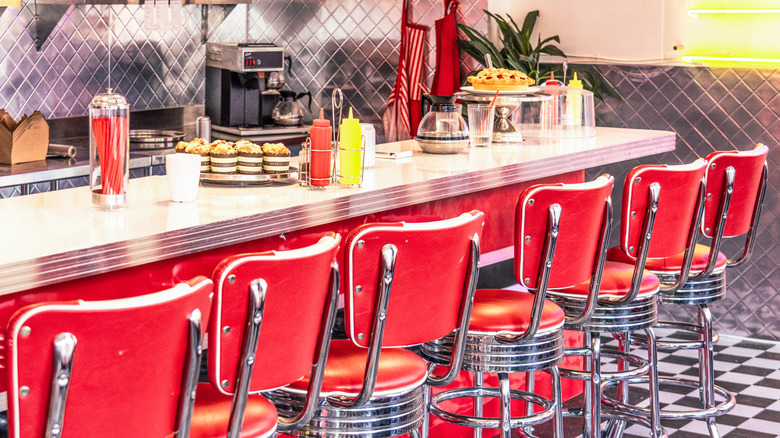
You can't please all the people all the time, but classic American diners did their best to try. Designed to be affordable and wholesome, they aimed to be spaces where anyone could feel comfortable dropping in for a meal and conversation, from hungry laborers at construction sites to the bigwigs who financed the construction. For this reason, they served familiar, affordable foods that most diners would know and enjoy — no one went to a diner to be surprised or impressed. In decades past, as is the case today, hungry people could walk into a diner and expect familiar favorites such as bacon and egg breakfast plates, pancakes, chili, and if they were lucky, homemade pie.
As time passed, however, tastes changed, along with food trends and even the availability of many once-common foods. While diner visitors from a century ago would still recognize many of the offerings on today's menus, they'd also be surprised to see that some of their old favorites are conspicuously absent. Modern eaters might find some of these out-of-fashion retro dishes baffling — while others might seem ripe for a comeback. Here are some once-beloved, old-timey diner meals that have mostly disappeared from our menus.
1. Calves' liver and onions
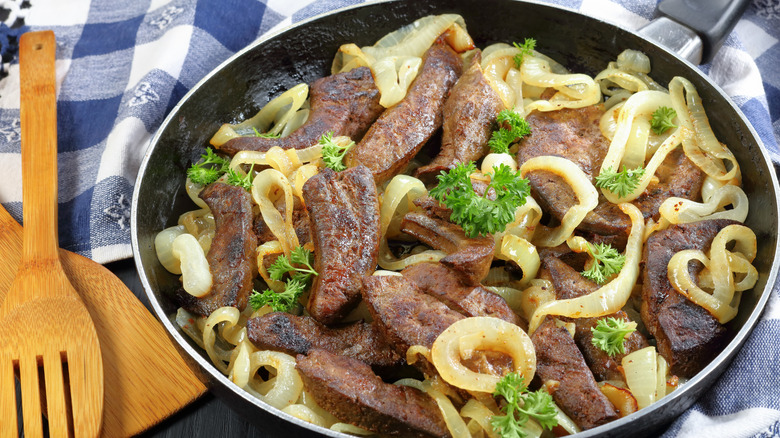
If your first thought upon hearing the words liver and onions is "eew, gross," you're not the only one. And you're also one of the reasons this old dish has mostly disappeared from diner menus. Calves' liver definitely isn't for everyone, and if overcooked or badly trimmed, it can be awful. But cooked with a careful hand, it can be surprisingly good (at least if you're okay with liver to start with).
Diner cooks' secret for flavorful calves' liver was to pan-fry it quickly and serve it with sautéed onions. The crunch and sweetness of the onions balanced out the richness and mineral flavor of the liver. And if you were in an especially good diner, the onions might have been fried with bacon for extra crunch, smokiness, and flavor. Served up with a side of fluffy mashed potatoes and sometimes gravy, it was a favorite comfort food of earlier generations. While some old-school diners still offer liver and onions, they're now more likely to use beef liver, which is cheaper and easier to obtain, but has a stronger flavor than calves' liver.
2. Ham steak with pineapple
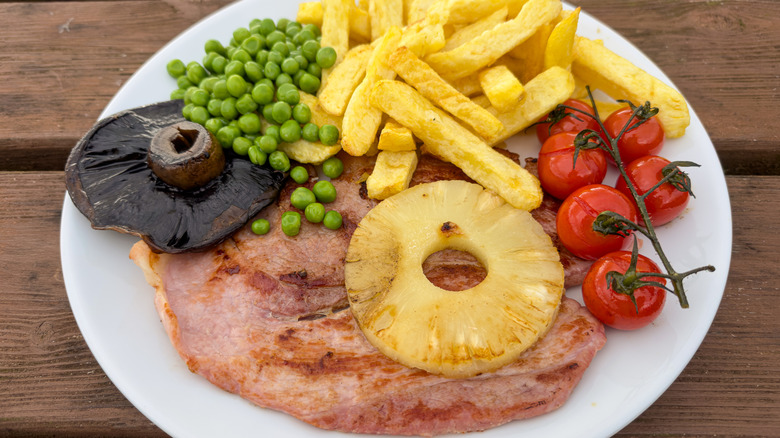
In some households, glazed ham with pineapple is still the centerpiece of every Easter dinner. But in the 1950's, ham steak, often topped with pineapple, made frequent appearances on diner menus as an option for heartier appetites. While ham still shows up in various guises on modern diner menus –- chopped up in omelets and salads, thinly sliced in sandwiches, and fried up in modest slices with breakfast eggs — ham steaks, which are nothing more than bigger, thicker slices of ham, have fallen out of favor.
But back in the day, they were a practical option for busy diners. They came pre-cooked, meaning all a prep cook had to do was heat one up on a grill. If a diner wanted to go the extra mile, it would top its ham with a slice of pineapple, a pairing that dates back to early 20th century and was enthusiastically promoted by the Hawaiian Pineapple Company (later to become Dole). The contrast between the salty ham and sweet, tangy pineapple was always tasty, but reached peak popularity with the tiki craze of the 1950s. Today, you're more likely to find ham and pineapple together at a pizzeria than a diner –- and more likely to start a fight if you order it.
3. Sardine sandwiches
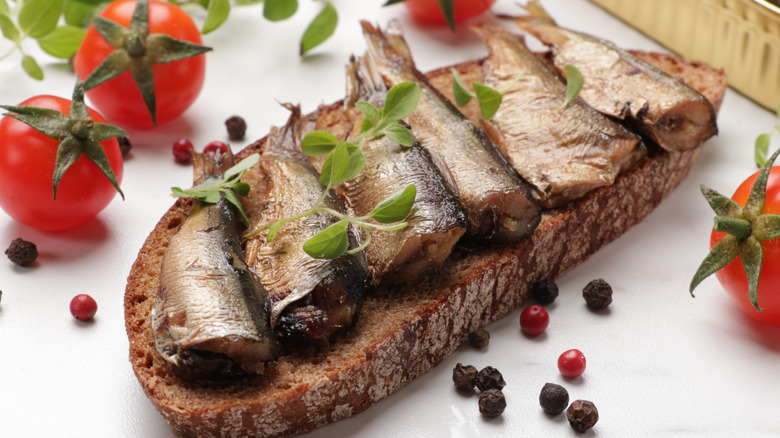
Canned sardines and sardine sandwiches were once ubiquitous parts of the American culinary landscape. It was easy to see why: They were cheap, nutritious, and flavorful. They were also convenient for busy diners –- the shelf-stable little cans were easy to store, and the pre-cooked fish needed little special handling. A good, hearty sandwich could include little more than a can of sardines emptied onto a slice of rye and topped with lettuce, onion, tomatoes, and another slice of bread.
But in the 1950s, as commercial tuna fleets boomed, sardines fell to the wayside. Tuna was less fishy tasting, thus more appealing to more people, and at the time, cheaper than sardines. It's also likely that chunks of tuna were easier for squeamish diners to handle than whole sardines. While sardine sandwiches are no longer a diner staple, sardines themselves have regained favor as a more sustainable option than tuna, and the popularity of Spanish seafood conservas (specialty canned seafoods, including sardines) mean the little fish are attracting serious attention from diners again.
4. Veal cutlets
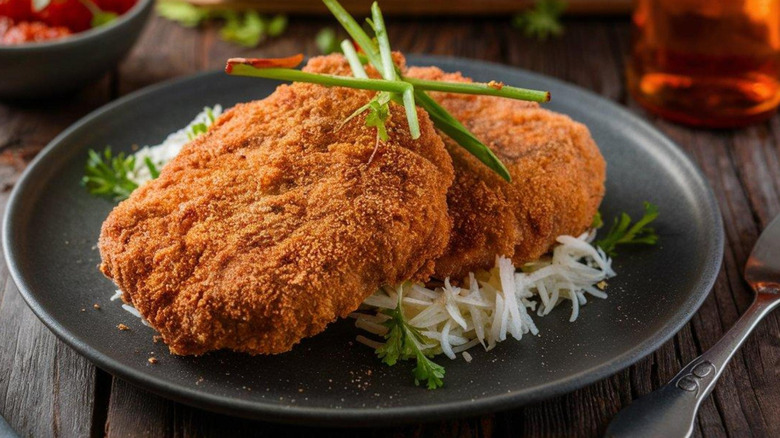
Veal, the meat of young calves, was once popular for its tenderness and mild flavor. Typically pale like pork without a discernibly beefy flavor, it was affordable enough in the past to be a diner staple, usually surfacing as pan-fried cutlets. It's disappeared from modern menus for a couple of reasons: one, it's now grievously expensive, and two, many diners have moral reservations about the way calves are raised for meat.
The price of veal is related to the way it's raised. Most veal calves come from dairy, rather than meat farms: Cows must bear a calf every year in order to keep producing milk. Female calves can grow into milk producers, but male calves can't –- so farmers sell them as meat. The smaller number of veal calves than beef cattle, along with the lower meat yield from smaller animals, mean higher prices. The labor-intensive techniques used to ensure tender veal also contribute to high prices. Calves raised for veal are fed a special low-iron liquid diet to keep their flesh pale, and some producers keep their calves enclosed in small pens to restrict movement and impede muscle development to keep their meat tender –- a practice especially disturbing to animal rights advocates. So if you're craving veal today, your best bet is a high-end restaurant. If you're still worried about the ethics or affordability of veal, there are plenty of alternatives that have a similar tenderness and flavor, such as pork tenderloin.
5. Cottage cheese and peaches
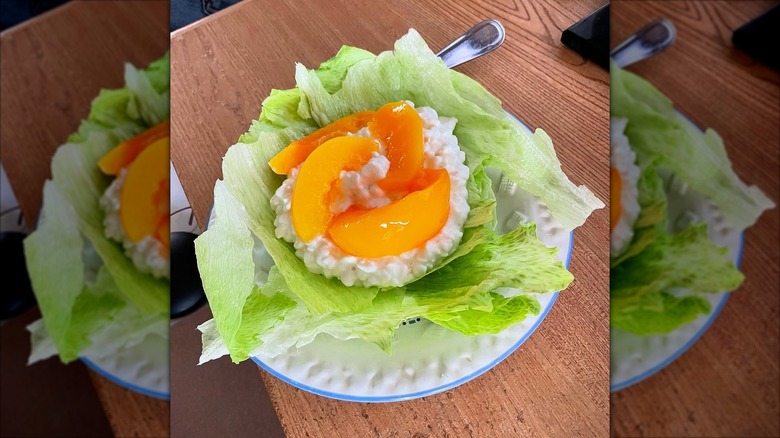
In the postwar era, a scoop of cottage cheese surrounded by sliced canned peaches was the diet meal of choice for ladies who lunched, and for this reason, it made regular appearances on diner menus. (The fact that it was brainlessly easy for busy cooks to prepare was probably another reason for its popularity.) It was often labeled as peach salad, but its only resemblance to the salads you'll see in restaurants today is the random leaf of lettuce that sometimes appeared with it as a garnish.
By the early 1970s, cottage cheese reached the peak of its popularity, with Americans eating an average of 5 pounds of it a year. Soon after that, however, yogurt took over as the dairy product of choice. And since it's easier to make than cottage cheese, dairy producers happily went along with the trend. Today, however, cottage cheese is hip again among diners seeking quality protein, and diners have discovered new ways to upgrade cottage cheese -– but the addition of peaches gives it a distinctly vintage touch.
6. Tapioca pudding
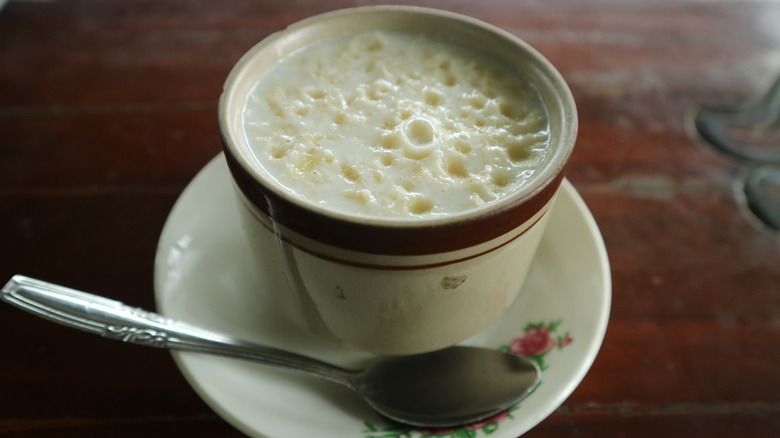
Tapioca pudding was once a common dessert on diner menus, where it appeared alongside perennial favorites such as chocolate cake and lemon meringue pie. But you'll have to look hard to find it in today's diners. Even in its heyday, tapioca pudding was polarizing. The pudding base itself was not the problem, it was just a basic creamy vanilla pudding, maybe with a bit of lemon thrown in. What put some diners off was the texture of the tapioca itself: They either enjoyed the bouncy, chewy little nuggets of tapioca or hated them.
While many associate tapioca with old-school middle American cooking, it actually originated in the tropics: Tapioca pearls are made from the dried starch of the cassava root, native to South America and Mexico, and tapioca-based dishes, both sweet and savory, are popular in the tropics as well as in Asia. Stateside, however, old-school tapioca pudding has fallen from favor. This suggests that tapioca haters have won the battle, but in reality, tapioca fans simply planted their flag elsewhere –- the bouncy balls in boba tea are nothing more than giant tapioca pearls.
7. Phosphate sodas
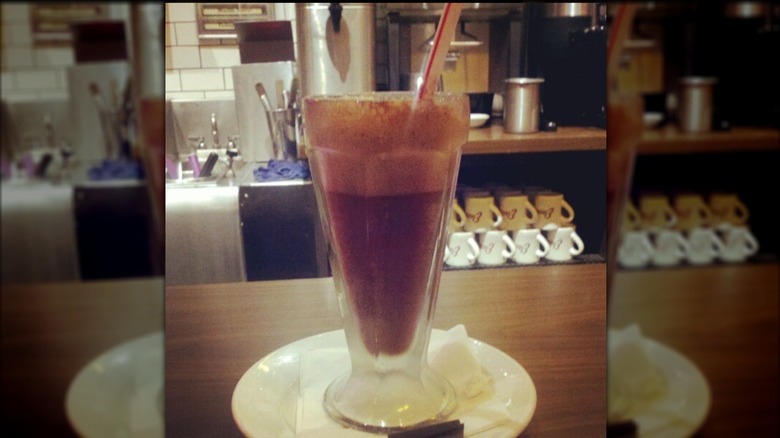
Now nearly forgotten, phosphates were one of the earliest fountain drinks and once commonly appeared in diners, delis, and soda fountains. Besides seltzer and sweet flavorings such as chocolate or cherry syrup, they contained a dose of acid phosphate, a diluted form of phosphoric acid, which gave them a sour tang and extra bite. They became popular in the 1920s, when Prohibition sent thirsty drinkers in search of interesting non-alcoholic alternatives. They were also a popular treat among Jewish diners, since they were dairy free: This meant that those who kept kosher could enjoy them with either meat or dairy meals.
Today, the only places you're likely to find phosphates are old-school Jewish delis and intentionally retro diners and soda fountains, but most modern versions skip the acid phosphate –- so you'll have to hunt hard to find the real thing. Acid phosphate isn't as easy to find as it was historically, but you can still buy it online. And it may be hiding in plain sight in your refrigerator: It's one of the signature ingredients in Coca-Cola.
8. Cream cheese and olive sandwiches
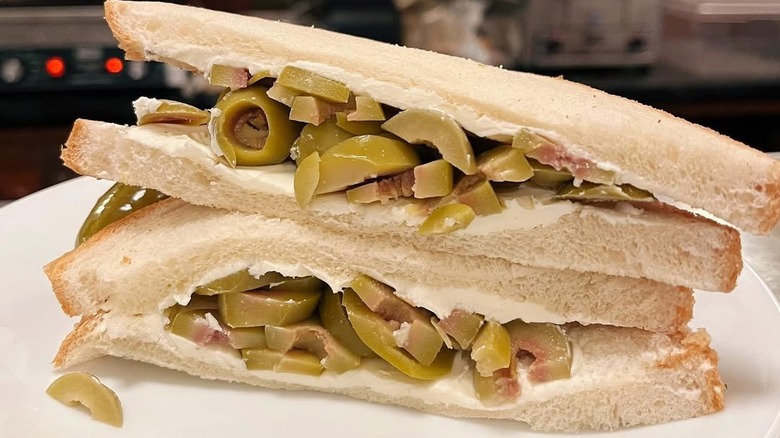
Hidden among the cold sandwich options on some vintage deli menus was a seemingly odd option: cream cheese and olive sandwiches. This simple yet strange combo took a number of forms, some involving chopped green olives (the kind stuffed with pimientos) mixed into cream cheese to form a spread, while minimalist versions consisted of just a thick layer of cream cheese topped with a generous quantity of chopped, pitted olives.
Cream cheese and olive sandwiches not only appeared on many diner menus, but were a common quick lunch in many homes, since they were fast and easy to make and cheap to boot. They fell off the culinary radar for a while, but budget-conscious modern cooks are now giving them a second look –- the balance between the salty, pungent olives and mellow, fatty cream cheese actually works. If you want one, however, you'll have to make it yourself: You're unlikely to find it on a modern diner menu.
9. Lettuce and tomato sandwiches
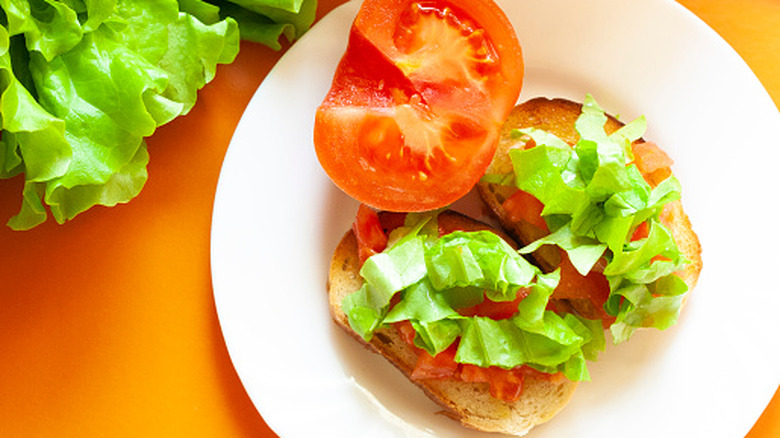
BLTs are still a diner standby. And in the South, sandwiches with little more than vine-ripened tomato and mayo are a beloved summer treat. But in some midcentury diners, you could find an oddball sandwich at the midpoint between these options: lettuce and tomato sandwiches. They were just as minimalist as they sound — a 1943 recipe for lettuce and tomato sandwiches calls for nothing more than a bit of mayo, sliced tomatoes, and a leaf of lettuce between slices of buttered bread. (The only fancy touch was the recipe called for the tomatoes to be peeled.)
It is unclear how this sandwich evolved or why. Was it meant to be a cheaper or vegetarian-friendly alternative to the BLT? Or an ever-so-slightly blinged-up version of a tomato sandwich? In either case, it certainly wasn't meant for hearty appetites. The host of the YouTube channel Sandwiches of History, after testing and tasting a vintage recipe for the forgotten sandwich, recommended it as a snack, rather than a meal. Other modern diners may look at it and wonder where the rest of the sandwich is –- and this is probably why they've been forgotten.