

We Should Clean Them, But No One Does - Secret Dirty Spots In Your Kitchen
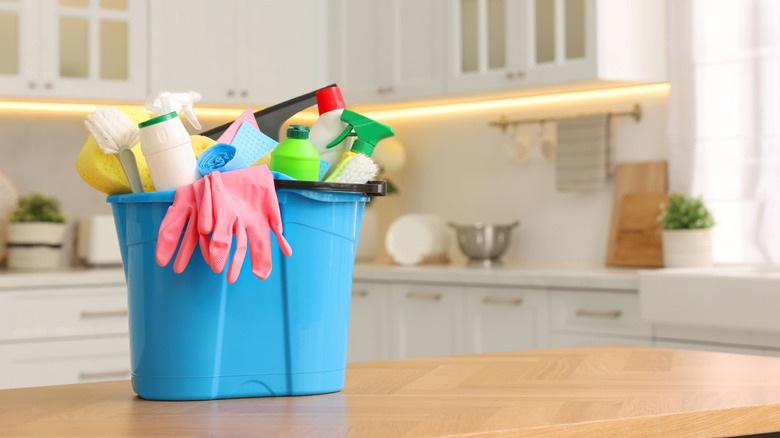
Few people like cleaning their kitchen, but it needs to be done regularly. There are many tips and tricks for getting the job done, like using a touch of shaving cream to polish stainless steel. But before we get to any cleaning hacks, it's important to understand the basics. And one basic element of kitchen hygiene is commonly overlooked.
Even though we use them every day, it's easy to forget to clean some of the most commonly touched kitchen surfaces. These include but are not limited to cabinet pulls, appliance handles and buttons, oven knobs, light switches, and sink handles or knobs. These are at least as important to keep clean as your countertops and cooking surfaces.
Kitchen cabinet pulls, appliance handles, and the like are frequently touched by everyone in the home, and whatever they had on their hands at the time. You might open multiple drawers and doors alone while cooking a simple meal. Between their frequency of use and ease of being overlooked, surfaces like these can be especially prone to the buildup of grime and bacteria. And since they are so frequently used, these bacteria can easily spread through the home.
How to clean drawer pulls and other kitchen hardware

Start fighting bigger grime buildups first by removing the hardware if possible, which should be easy with a screwdriver. Add the pieces to a bowl of white vinegar, water, and one drop of mild dish soap. The dirt should rinse off after a 30-minute soak (up to 60 for set-in grime), though a soft brush can be used if needed. You can also try a simpler paste of baking soda and water, though the abrasiveness may damage finishes, so test it on a small area first.
With your hardware newly clean, it's important to keep it clean and avoid future buildup. Simply fill a spray bottle with a diluted solution of white vinegar and water. Spray the surface (no hardware removal needed) and wipe it down with a soft towel, ideally a microfiber cloth. And be sure not to make the simplest mistake when cleaning your kitchen — always clean from the top down.
Whether doing a regular or deep clean, it's important to consider what your hardware is made of. These solutions should be gentle enough for any material, though you may also need to use other remedies. For instance, olive oil has many kitchen cleaning uses, including polishing brass, stainless steel, copper, and wood. But whatever you use, double-check that there are no abrasive cleaners or brushes involved, nor chemicals that can ruin finishes or adhesives.
Cleaning tarnished metal

Those with kitchen hardware made of metals like copper, brass, or aluminum may have to deal with the discoloration of tarnished surfaces. Tarnish is not a stain in the typical sense, but a surface layer of corrosion caused by environmental factors like humidity. Once again, vinegar and water should be enough to take care of most tarnished metals, though other remedies may be needed.
For more set-in tarnish, try a paste of vinegar, flour, and a bit of table salt. Coat the hardware in the paste and buff it away with a microfiber cloth. Salt is abrasive enough to aid in cleaning, but gentle enough not to scratch surfaces. But the natural acidity of vinegar can also corrode metal over time — in untreated aluminum, it can even create unsightly holes — so it's important to completely remove it. Dampen a cloth with water and fully wipe down each piece after cleaning.
Chemical cleaners can be risky, but in stubborn tarnish cases, Bar Keeper's Friend is a reliable cleaner that's safe to use on stainless steel, bronze, and aluminum., But use it carefully, because Bar Keeper's Friend can also damage other common kitchen surfaces, including polished marble or granite countertops and any painted surface, like walls.