

14 Tips For The Best Oatmeal Cookies
We may receive a commission on purchases made from links.
Oatmeal cookies are an easy beginner's recipe that allow for a lot of versatility. You can even make a breakfast-friendly oatmeal cookie that lets you have a delicious sweet treat in the morning without feeling overwhelmed by too much sugar. But if you want to achieve the best results, there are a few simple tips to know before getting started.
Growing up in a family of bakers and pastry chefs, I began learning the family trade when I was still in grade school. I moved on to have a food industry career of my own that spanned more than 15 years. Although I don't bake professionally anymore, my family and friends continue to reap the benefits of my experience for weddings, birthdays, holidays, and even ordinary desserts after supper. During these long years, I've made more oatmeal cookies than I could ever hope to count, and in more variations than most people realize exists. Naturally, my experience has given me a high level of understanding of what works (or doesn't) when making this treat.
If you're ready to start crafting the best oatmeal cookies, you've come to the right place. Here are 14 baker-approved tips for making oatmeal cookies so good your friends and family will be convinced they came from a bakery.
1. Use the right oats
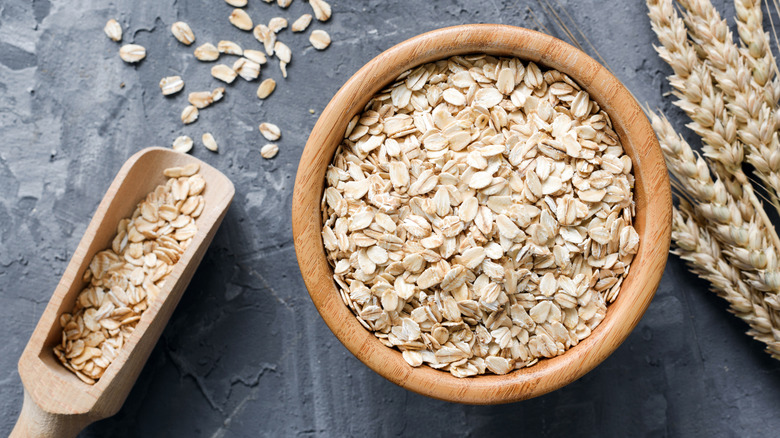
Oats are what gives oatmeal cookies its name and define its flavor profile. They're like the peanut butter in peanut butter cookies or the chocolate chips in chocolate chip cookies — without them, this dessert simply doesn't exist. And that's why choosing a high-quality version of the right oats is crucial.
You should use old-fashioned rolled oats for the best possible oatmeal cookies. These feature a large, rustic cut that holds up well during incorporation and baking. Thanks to this, old-fashioned rolled oats will provide the best chewy texture, contain the spread of your cookies in the oven appropriately, and provide a slightly heartier "oatmeal" flavor profile.
Avoid instant or quick oats because they absorb too much moisture from the cookies and don't hold their shape very well during cooking. Flavored instant oatmeal packets also aren't appropriate substitutes. Not only are the oats too small and moisture-absorbing, but they'll contain added sugars, flavors, and additives that may mess with your cookie recipe.
2. Choose high quality butter
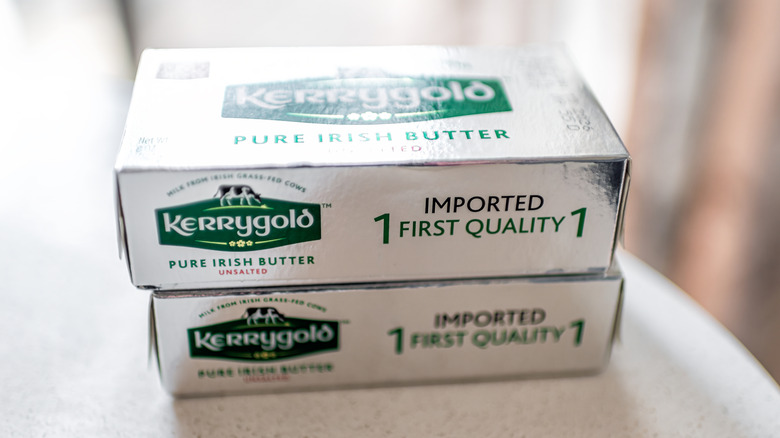
Most home bakers don't think too much about their butter. It's an ingredient that goes into the bowl and that's about the extent of it. But professional bakers like myself will tell you that butter matters in baking — the difference between using a cheap private label compared to the best unsalted butters for baking is huge. The highest quality butters will provide your cookies with a moister profile, better overall texture, and richer flavor. The lowest quality butters will leave you with oatmeal cookies that are too crumbly, hard, or dry.
If possible, choose an unsalted European butter with a high butterfat percentage. A few excellent brand options I've personally used include Plugra, Danish Creamery, Vital Farms, and (of course) Kerrygold. These are such great options because it's the butterfat specifically that lends so many benefits to your baking, and European style options always have a higher percentage than American ones. If you haven't already baked with European style butters before, I promise you'll never go back to standard American varieties after you experience the difference for yourself.
3. Use a combination of sugars
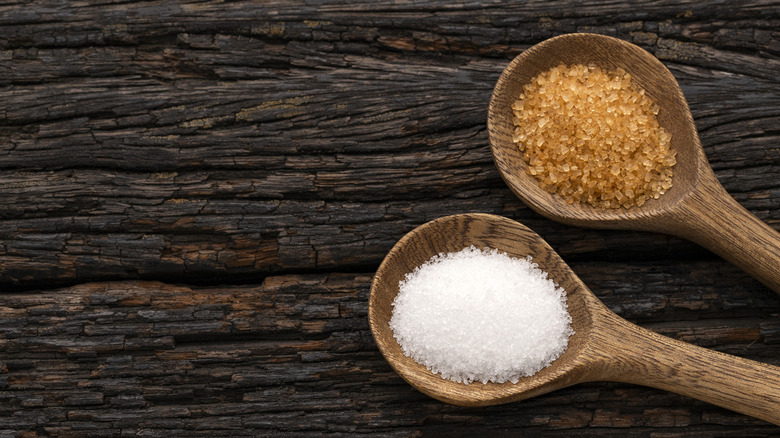
"Should I use granulated white sugar or brown sugar in my cookies?" I'm here to tell you that when it comes to oatmeal cookies specifically, the answer is both. For the best results, you'll want to use a recipe containing half of each sugar — or, you want to tweak your chosen recipe to do so. To do that, you'll simply divide the necessary sugar between both types. For example, if your recipe calls for 1 cup of white sugar, add ½ cup of white sugar and ½ cup of brown.
White sugar is necessary for your oatmeal cookies to have crisp edges. But there are so many ways brown sugar can elevate baked goods — the most important of those are to ensure a moist center and molasses flavor depth to your cookies. You can use either light or dark brown sugars, depending on what your end goals are. If you want a more subtle molasses taste and lighter coloring, opt for light brown sugar. Choose dark brown sugar if you want robust depth and a darker coloring.
4. Cream your butter and sugar first
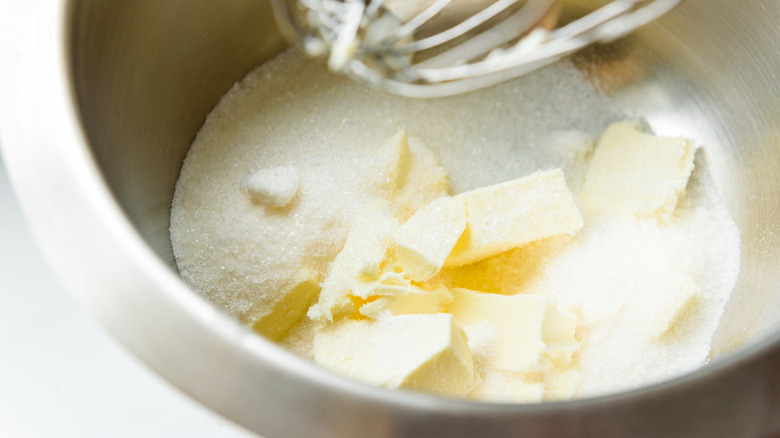
One crucial step when making cookies is to cream the butter and sugar — and, unfortunately, far too many people either forget this step or choose to skip it. But creaming the butter and sugar together first creates a fluffy, aerated base for the rest of your ingredients which will keep your cookies light and fluffy. Without creaming, your oatmeal cookies run the risk of being too hard or dense for proper enjoyment. The cookies might also spread too much during baking, which leads to them coming out flat and overcooked.
Creaming helps make professional-appearing cookies, but it's not a complicated professional-level skill. Simply take the butter your recipe needs and make sure it's at room temperature. It should hold its shape when left alone, but leave an indent when you press gently with a finger. Throw that in a bowl with the sugar in your recipe and beat on medium heat for two to four full minutes. You'll know it's done when everything is fully incorporated and has increased in volume. Then slowly add your other ingredients to the bowl, stirring to incorporate as you go.
5. Sift and combine dry ingredients before adding them
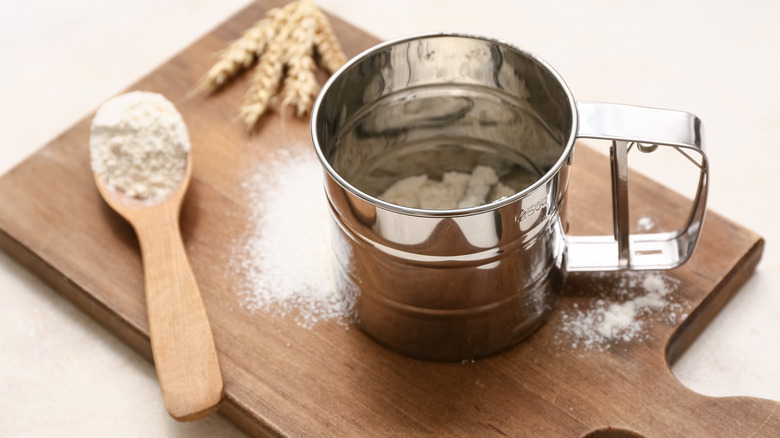
Sifting your dry ingredients as you add them to the bowl has multiple benefits. The most obvious is that it breaks up any lumps, so your batter comes out smoother — and you don't have to struggle to make it that way. Additionally, sifting will help aerate the mixture, properly distribute all ingredients, and prevent pockets of unincorporated flour from ruining your cookies. In oatmeal cookies, the dry ingredients in your recipe will most likely be some combination of flour, baking soda, seasonings, salt, cornstarch, and baking powder. This does not include oats, which shouldn't be (and can't be) sifted.
To do this properly, sift your dry ingredients into a second bowl using whichever tool you prefer. Most commonly, this will be done with a crank sifter or a sieve sifter, but there are rarer alternatives you might use. Once all dry ingredients have been sifted, slowly add them into the bowl of creamed butter and sugar while continuing to gently mix.
6. Don't forget to season your dough
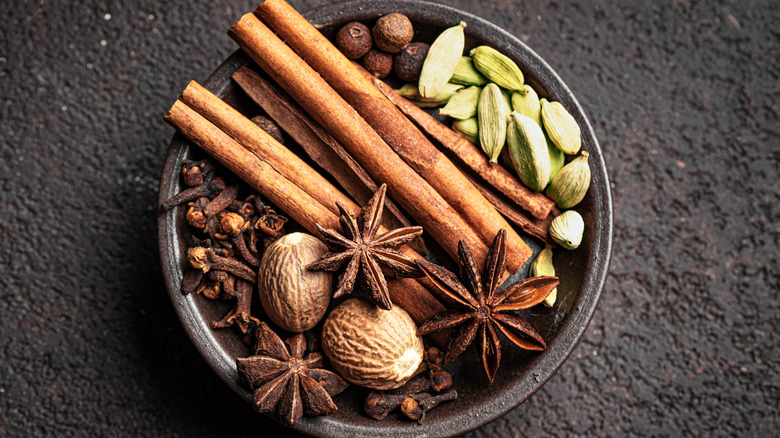
Seasoning isn't just for cooking your favorite hot food meals like Southern fried chicken or baked salmon steak. It also applies to your baked goods, although most people won't call it "seasoning" — rather, they'll just list exact measurements of certain things in the recipe. No spices listed in your oatmeal cookie recipe? I strongly suggest adding at least 1 to 2 teaspoons of your preferred seasonings if you're looking for oatmeal cookies with the most robust flavor profile.
Warm spices are the best choice for oatmeal cookies because they'll bring a subtle layer of warmth and earthiness that really elevates your baked goods. Excellent options include cinnamon, nutmeg, allspice, cloves, cardamom, and ginger. My personal favorite combination is 2 teaspoons of cinnamon and ½ teaspoon of nutmeg per dozen cookies, but you can experiment to find the flavor combinations you most prefer. In a pinch, you can even add a bit of pre-mixed pumpkin pie spice.
7. Plump your raisins before adding them
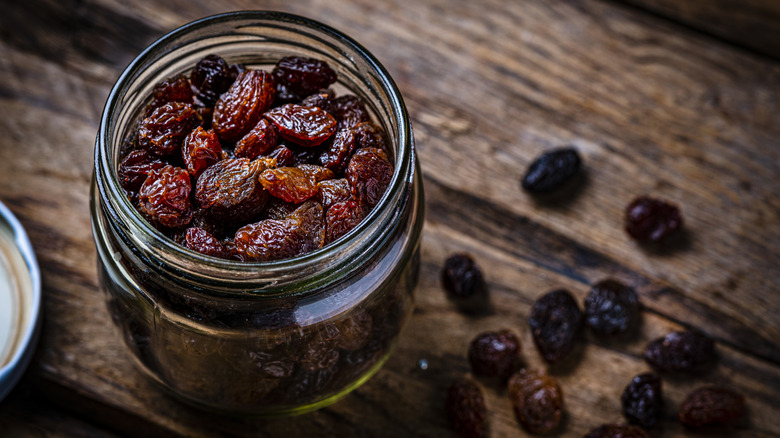
Oatmeal raisin cookies are one of the most popular recipe renditions people make because together the ingredients provide textural interest and pockets of concentrated sweetness against the otherwise subtle base. But adding raisins to your recipe could result in disaster if you skip one crucial step — plumping them before adding to your mixture.
Raisins added exactly as they are in your store-bought box or container ruins cookies in two ways. First, the raisins will steal moisture from the cookie base, making your final product too dry and overly crumbly. Second, the raisins can end up too chewy or even leathery, which makes them hard to eat.
Thankfully, plumping raisins isn't complicated nor time consuming, so adding this step to your process shouldn't cause a lot of issues. Simply drop your recipe's raisins into a bowl and cover completely in hot water. Allow the raisins to soak for about 10 minutes before straining and patting them dry. Once dried, add them to your recipe like normal. As a bonus, doing this will also make the raisins taste bolder and sweeter.
8. Don't overmix or undermix cookie dough
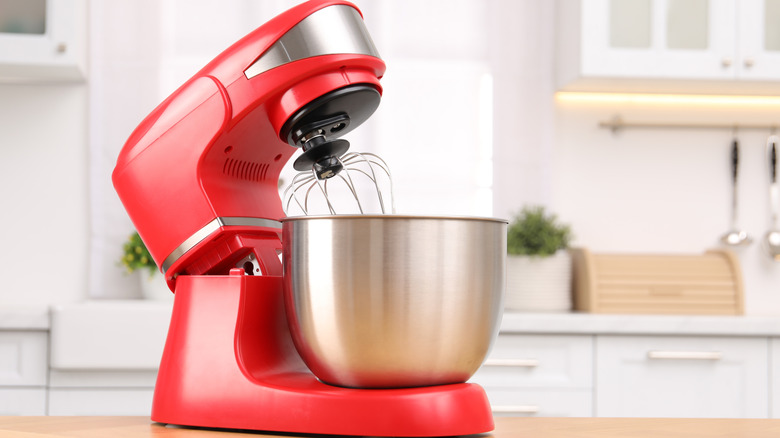
It's easy to overmix or undermix cookie dough, but learning how to strike the perfect balance is crucial if you want to bake perfect oatmeal cookies. And the perfect balance is mixing only until each new ingredient group has been fully incorporated — once after adding your dry ingredients and again after adding your wet ones. The sole exception to this is creaming the butter and sugar, which should be allowed to go a bit longer, as described earlier.
Mixing your dough too long creates cookies that are tough, flat, greasy, or cakey. If you've battled with "hockey puck" cookies in the past, overmixing was the likely culprit. On the other hand, not mixing your dough long enough creates cookies that are dry, crumbly, and potentially filled with pockets of unincorporated ingredients. Either way, you end up with cookies that turn out nothing like you're hoping for.
9. Don't be afraid to deviate from the standard mix-ins
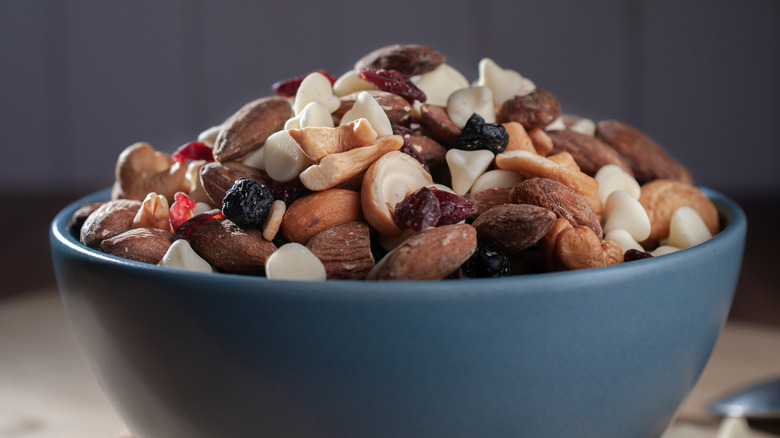
Raisins may be the most common mix-in for oatmeal cookies, but they're far from the only option. The subtle, rustic taste of these cookies pairs well with a wide range of other flavors. I recommend mixing it up because you might find something you like even more than your standard. If you're worried about whether you'll enjoy other mix-ins, consider splitting your dough into two so you can add standard raisins to half and your experimental mix-in to the other half.
High-quality semi-sweet chocolate chips are an obvious alternative mix-in that makes an appearance in quite a few recipes. But why not try other baking chips? Consider white chocolate, dark chocolate, milk chocolate, butterscotch, peanut butter, funfetti, salted caramel, or mint baking chips. I personally enjoy a combination of half dark chocolate chips and half salted caramel chips. Other options you may want to try include toffee bits, M&Ms, banana chips, shredded coconut, cranberries, or chopped nuts.
10. Fold in oats and other mix-ins
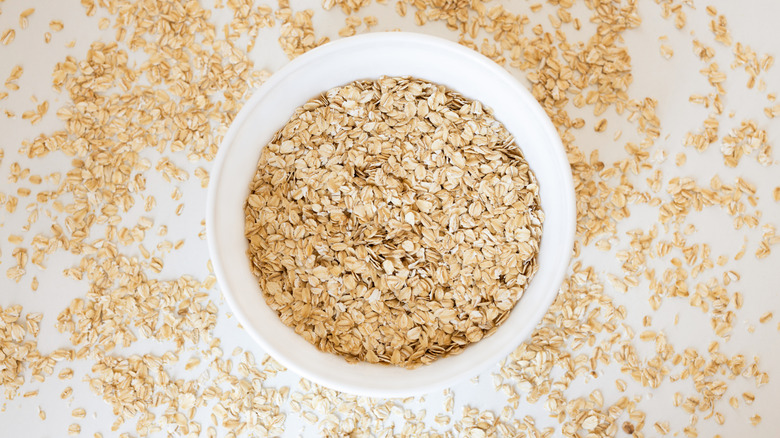
Mixing your oats and other solid ingredients like baking chips will never create the perfect texture you're looking for. Instead, it will break them apart so they get lost in everything else. Even worse, they might alter the chemical balance in your dough — you don't want oats or other mix-ins to incorporate, but to simply exist alongside the other ingredients. Folding is the technique that ensures this.
Folding is a straightforward technique that works well with any baking that includes solid pieces, from cinnamon chocolate chip cookies to white chocolate chai snickerdoodles and beyond. There are several techniques to do this, but this is the way I prefer: Position a baking spatula or mixing spoon beneath the dough across from you and use a sweeping motion to gently pull it up, folding it over the mix-ins. Give the bowl a quarter turn and repeat the process. Continue only until all the ingredients are combined.
For best results, divide oats and fold in half at a time. You'll want to include raisins, baking chips, or other solid ingredients separately, too. Adding too many at a time can result in clumps of ingredients instead of an even distribution.
11. Cool cookie dough before baking
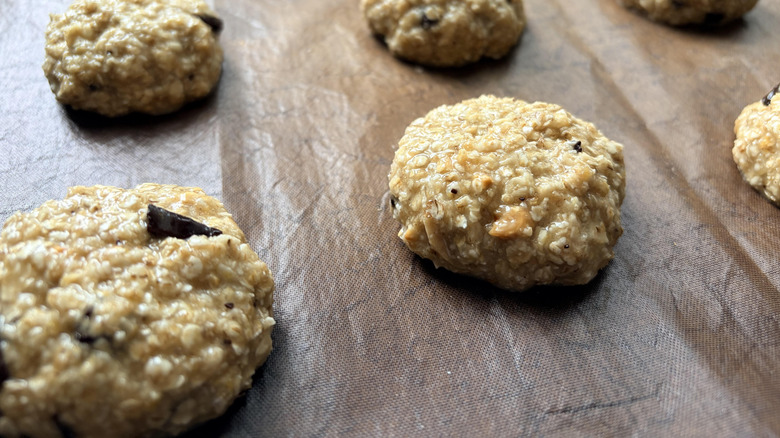
One easy step in creating the best oatmeal cookies (or any type of cookie) is allowing your dough to cool before baking. You're probably not even realizing you're missing this step because most recipes don't list it. But doing so will deepen the flavors and help create the chewy texture that makes oatmeal cookies so delectable. Make sure to adjust your timing expectations to account for the extra cooling time.
There are two ways you can cool your cookie dough before baking. The first option is to cover your mixing bowl with saran wrap pressed against the dough to prevent drying. Pop in the refrigerator for at least an hour, but up to overnight. You'll need to form your cookies after pulling the bowl out. Alternatively, you can create dough balls first, then add the baking sheet to the fridge. Lightly cover these with saran wrap, and remember to allow the baking sheet itself to reach room temperature before placing in the oven.
12. Use a cookie scoop for uniform portions
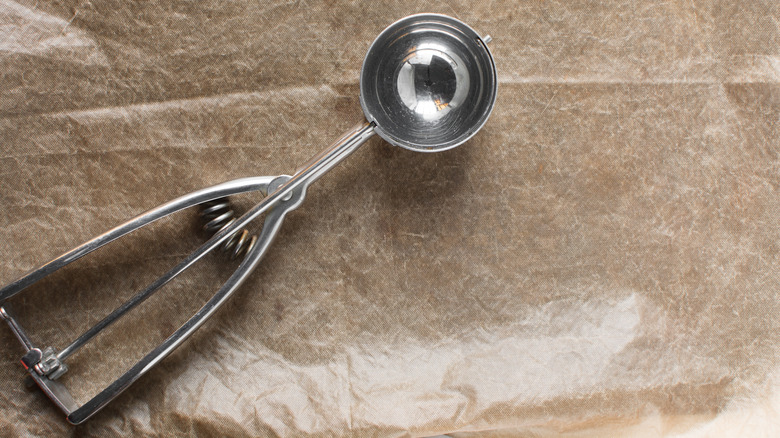
Ensuring your dough balls are roughly the same size isn't only about aesthetics — although uniform sizing does provide a better presentation. The primary reason you want cookies of the same size is baking timing. If cookies vary wildly, some will end up undercooked while others are overcooked.
There are several ways to create uniform portions. Eyeballing is the least accurate option, and even after decades of making cookies professionally, my dough balls can vary slightly. Weighing each ball on a kitchen scale is accurate but unnecessarily time intensive. Instead, I strongly recommend using a cookie scoop — a tool that looks like a mini ice cream scoop and creates uniform sizes with limited effort.
If you don't already have one of these tools at home, I recommend the LLESCA Cookie Scoop, which is less than $10 on Amazon. It has excellent reviews and comes in various sizes ranging from 0.33 tablespoons to 5.3 tablespoons. I suggest purchasing two sizes if you do a lot of baking so you have something for large cookies and something for small ones.
13. Don't overload the baking sheet
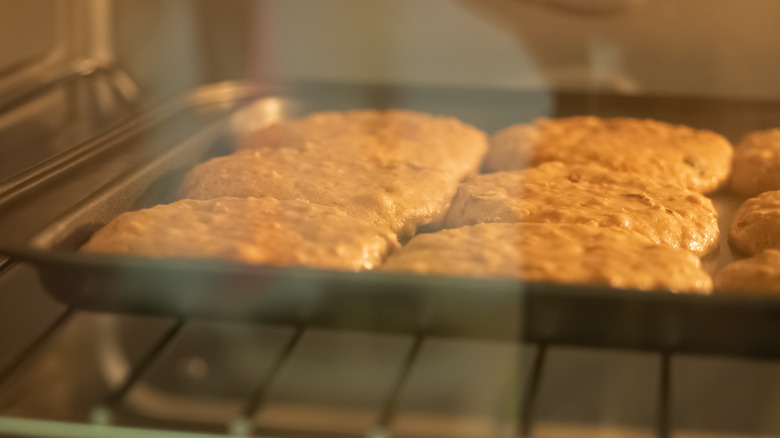
Your cookie dough balls will expand and flatten during baking. If you did everything else right, they shouldn't flatten entirely, but instead remain slightly rounded discs. That being said, if you place the balls too close together, everything will expand into each other and become one giant cookie mass. To prevent this, place the dough at least 2 inches apart on every side for standard sized cookies. For larger cookies, aim for 4 to 5 inches apart — even if this means using two or three sheets to bake your batch.
Besides not overloading your baking sheet, you'll also want to prep it properly. Doing so will help prevent burning, overspreading, and make it easier to remove the cookies after cooking. Choosing a lightly colored aluminum baking sheet is a great place to start since these conduct less heat directly on the cookie's bottom than darkly colored options. Either line the pan with parchment paper or lightly grease it before adding the dough.
14. Let oatmeal cookies cool on the pan before transferring
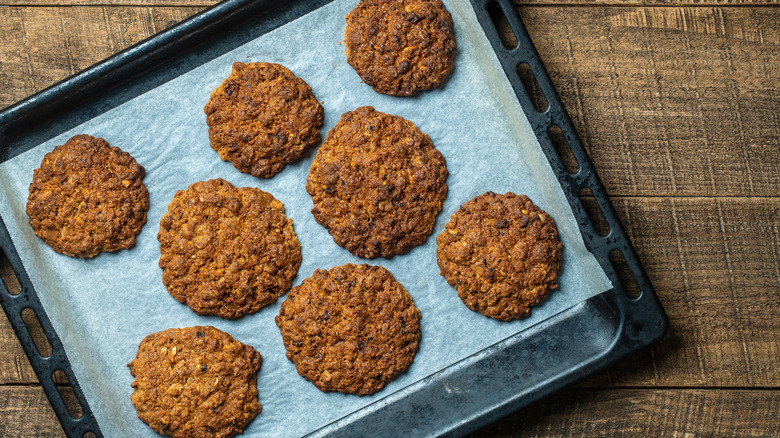
When your cookies are done baking, it can be tempting to grab them hot and fresh from the oven. But doing this will ruin all your hard work because those cookies aren't structurally sound yet. You have to wait until they're cool. Once fully cooled, the cookies will harden and you can freely move them to your serving dish or plates without them falling apart.
Cookies also finish baking on the hot pan after it's pulled from the oven, so grabbing one too soon means you may end up eating some raw dough — this is primarily an issue for the cookie's core and places you at a slightly elevated risk of foodborne illness. Although they're no longer being affected by the circulating heat of the oven, your oatmeal cookies are still baking through direct heat transfer via the pan. A little bit of patience will go a long way and you'll be able to taste your delicious oatmeal cookies before you know it.