

Give Beef Stew A Flavorful Makeover With These 8 Seasonings
We may receive a commission on purchases made from links.
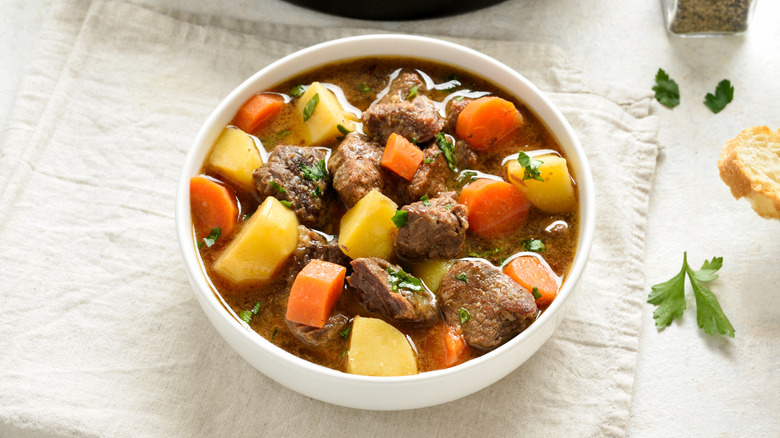
When the weather turns cooler, few meals are as comforting as a pot of beef stew simmering on the stove. Tender chunks of beef, vegetables, and a rich broth make it a fall and winter favorite, but even a tried-and-true beef stew recipe can use a little help with flavor. If your usual version tastes familiar but not memorable, the answer may not be a complicated cooking technique or a long list of extra ingredients. Sometimes, all it takes is rethinking the seasonings you reach for.
Beef stew is a particularly good candidate for experimentation because its hearty ingredients pair well with flavors from a variety of culinary traditions. You don't have to stray too far from your favorite comfort food to give it a fresh spin, either. If you're ready to move beyond your usual salt, pepper, and herb routine, the right seasonings can add warmth, earthiness, subtle sweetness, or even a little smokiness to the pot, changing the dish's character without making the recipe harder to prepare. Whether you're cooking for a weeknight dinner or preparing a big batch to enjoy over several days, these eight seasonings can help give your beef stew a flavorful makeover.
Herbes de Provence
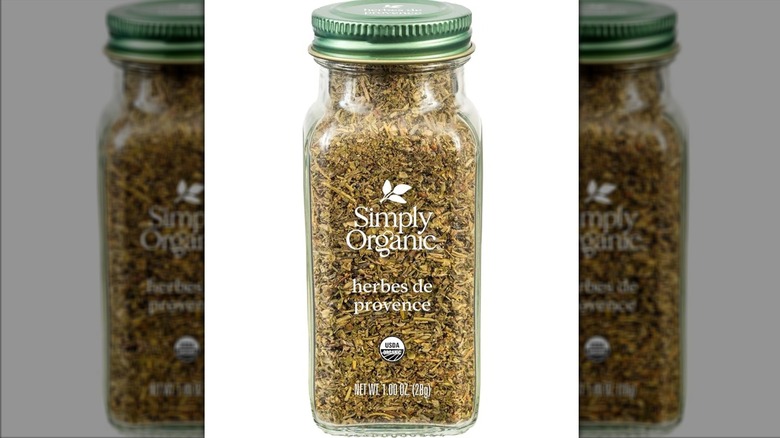
Herbes de Provence is a traditional French herb blend named after a region in southeastern France known for its fragrant herbs and Mediterranean cooking. The blend can vary, with some versions reflecting classic French cooking and others taking a more modern approach. Thyme, rosemary, oregano, and summer savory are common ingredients, while marjoram, sage, basil, and lavender buds may appear in certain blends. The combination brings an earthy, aromatic quality to beef stew, adding complexity without overwhelming the other ingredients. For the best flavor, add the seasoning after searing the beef, as you deglaze the pot with broth.
Smoked paprika
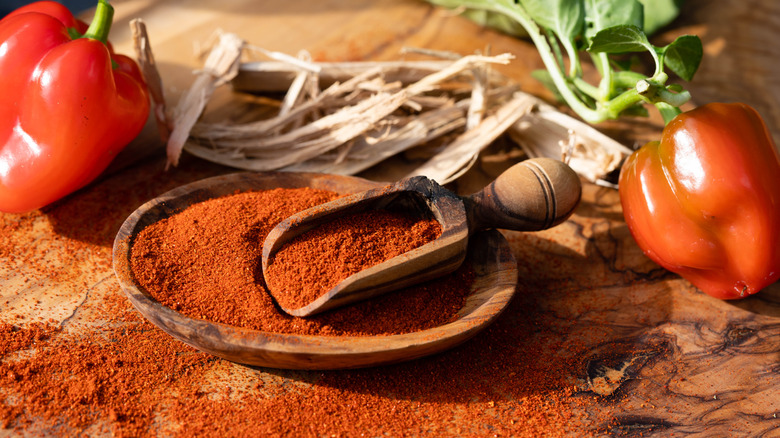
Smoked paprika, made from slow-roasted red peppers, adds a lovely rustic, fire-roasted taste that deepens your entire beef stew. It's great for those who love a little bit of spice without a lot of heat. If you prefer a subtler heat, use less than a teaspoon of this flavorful seasoning in a 4- to 6-quart pot. Add the smoked paprika just before deglazing to let the fat bring out its flavor — just don't cook it above medium heat for more than about 10 seconds, or it will become bitter.
Allspice
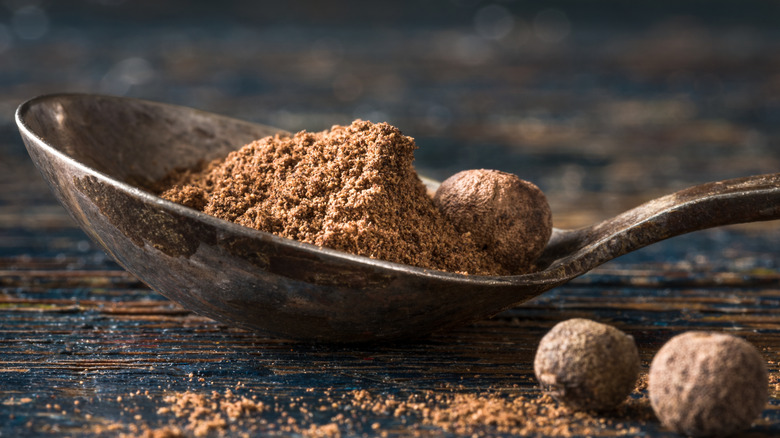
Despite its name, allspice isn't a spice blend; it is a single spice derived from berries with flavor notes of cinnamon, cloves, and nutmeg that can add warmth, subtle sweetness, and a touch of pepper. For the best flavor in a beef stew, add a few fresh berries to your simmering pot.
Allspice can break through the heaviness of a fatty beef cut without overwhelming the stew. It's a wonderful addition if you want to enhance the sweetness of the onions, carrots, and potatoes, and it's perfect for a fall-flavored meal.
Cocoa or espresso powder
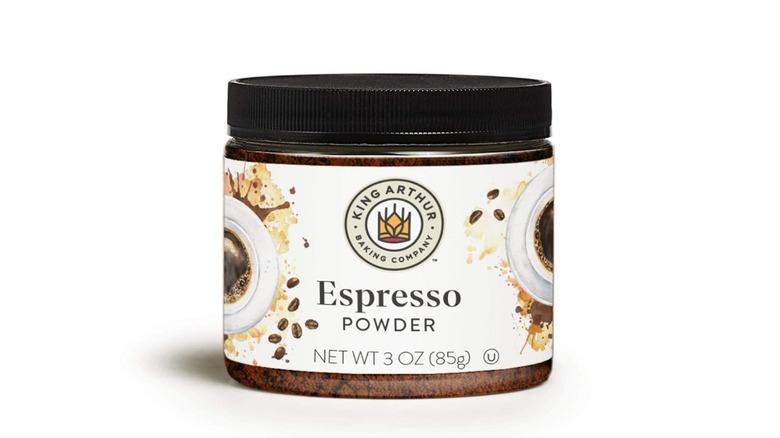
Cocoa and espresso powder typically come to mind only when making desserts, not savory dishes. But these two powders, in their unsweetened form, can be your secret weapon for a rich-tasting beef stew that will taste like a gourmet experience. Both powders accentuate your stew's umami flavor by adding roasted depth to the already savory beef base. When using these powders as seasoning, remember that a little goes a long way. Start with less than a teaspoon before deglazing and add more if needed.
Mustard powder
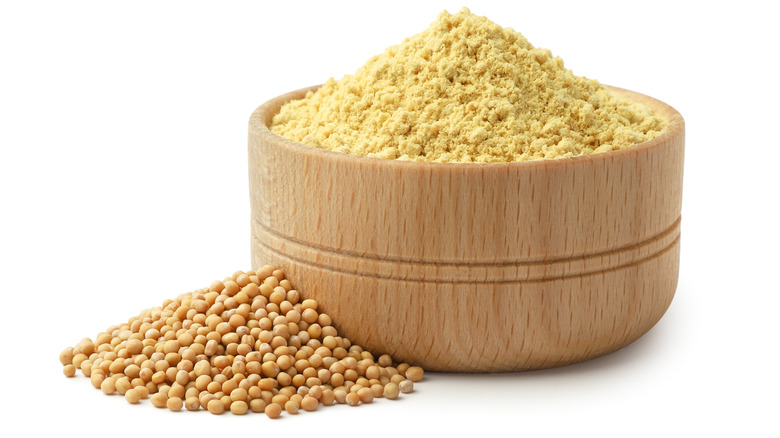
Mustard powder is a great way to cut through the heaviness of fatty beef and add a lovely zing to your favorite beef stew recipe. You can use ground mustard in a couple of ways: add a teaspoon or two to the beef as you brown it, or add it to your pot just before deglazing. Mustard powder also acts as an emulsifier and can add a little thickness to your veggies and fats when adding liquids to your stew.
Cumin
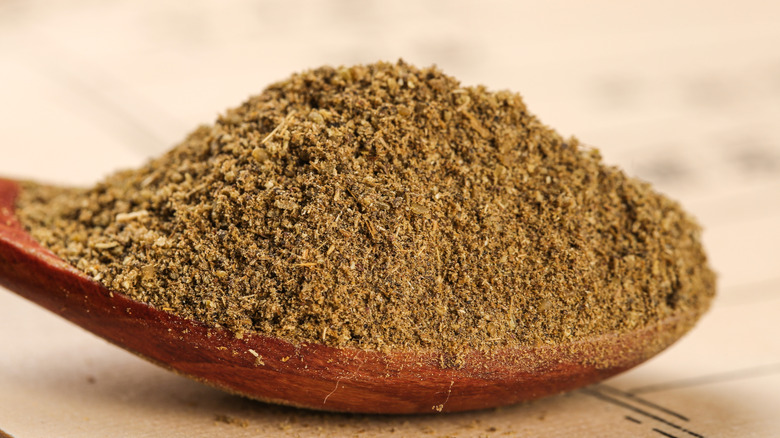
Cumin is a popular spice used in cuisines worldwide. Adding this seasoning to your beef stew will give your dish a warm, smoky, slightly citrusy flavor. To be honest, cumin — whether ground or whole — should be a staple in every home chef's pantry. It is extremely versatile and not only brings out the sweetness of the veggies in your stew, but also elevates the savory notes of the beef. To get the most out of cumin's flavor, add it early to the stew so it has time to bloom.
Rosemary
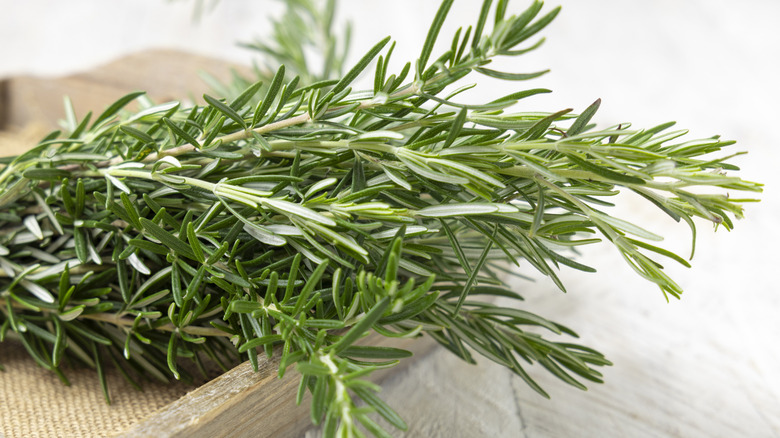
Rosemary pairs well with roast meats and gives a woody, earthy, slightly citrusy flavor to savory dishes. When adding this herb to stew, you can use dried or fresh leaves, or even fresh, whole sprigs in a sachet. If you use dried rosemary, add it early in the cooking process, as it holds up to longer heating. If you are using fresh, add it during the final hour of cooking.
Thyme
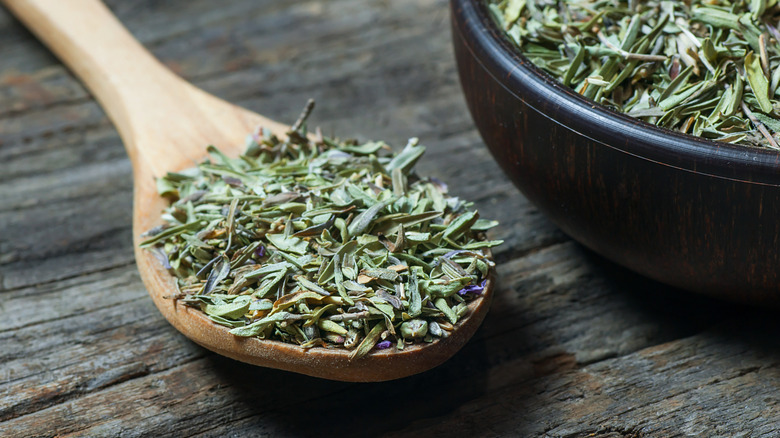
Thyme is a seasoning with a strong, woody, slightly floral earthiness that bridges the sweetness of the veggies and the umami of the beef in a stew. Too much dried thyme can make your broth bitter, so start with less than a teaspoon and add more as needed to avoid overpowering the taste. If used appropriately, thyme can be a lovely flavor enhancer for your favorite beef stew recipe.